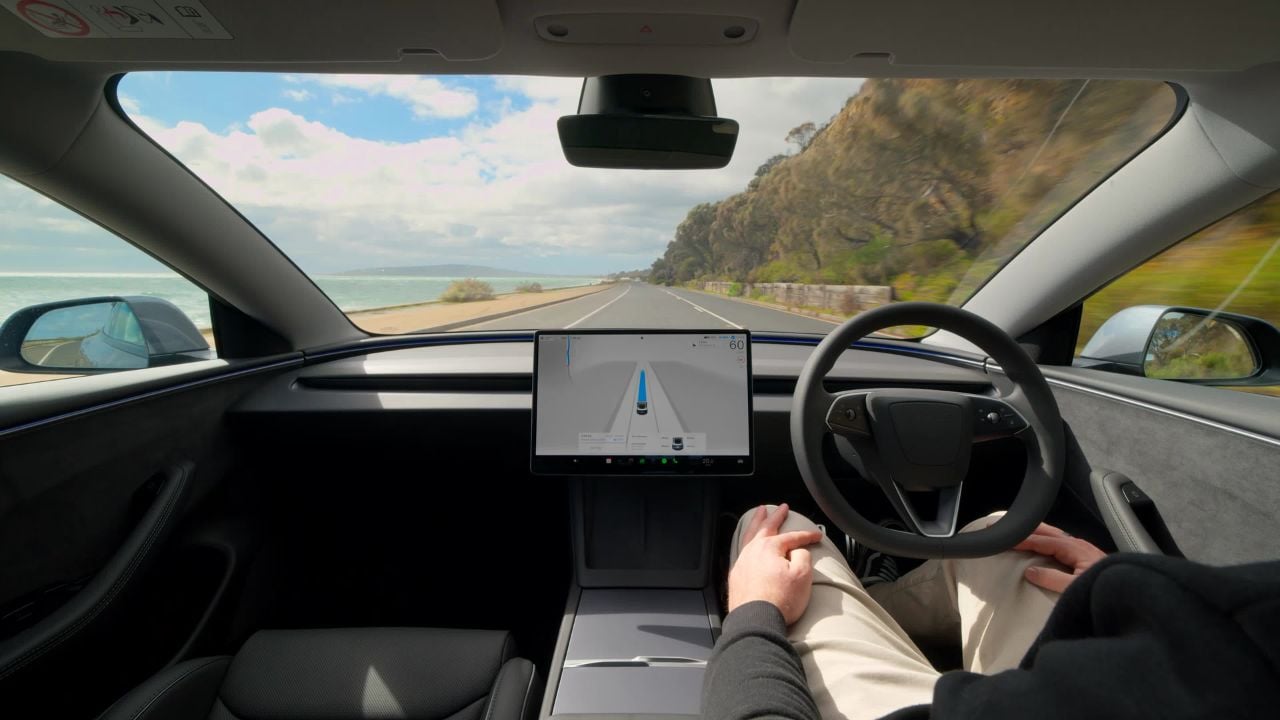
Tesla has spent years promising that Full Self-Driving technology is on the verge of making human drivers obsolete. According to a major Reuters investigation, many of the people who helped train the system are not convinced it is anywhere close.
The report paints a deeply troubling picture of Tesla’s self-driving efforts, combining interviews with former data labelers, engineers, and safety researchers who questioned both the technology’s real-world capabilities and the company’s public safety claims. Several former employees reportedly said they would never trust Tesla’s FSD system to drive them, despite spending years helping train the AI behind it.
Reuters interviewed nine former Tesla data labelers along with a former self-driving engineer and numerous traffic-safety experts. Seven of those former labelers said they personally would not trust the software. One reportedly said he would not ride in a Tesla robotaxi “if you paid me.”
The findings arrive at a critical moment for Tesla. Elon Musk continues positioning autonomy and robotaxis as central to the company’s future value, while Tesla simultaneously faces growing regulatory scrutiny, lawsuits, and questions about whether its self-driving ambitions can realistically scale.
Former Employees Describe Frequent Failures
Tesla’s data labelers work behind the scenes reviewing footage captured by vehicles running Full Self-Driving. Their job involves identifying successful and failed driving behavior so engineers can improve the software.
According to Reuters, those workers routinely observed troubling situations involving FSD struggling with basic driving tasks. Former employees described incidents where Teslas allegedly failed to recognize emergency vehicles, construction zones, school buses, pedestrians, and even children near roadways.
Several former labelers also recalled videos showing Teslas striking animals including deer, dogs, and cats without braking before impact.
One internal team reportedly focused specifically on pedestrian near-misses. Employees informally referred to it as the “trauma team” because of the disturbing footage they reviewed involving close calls with people in crosswalks and residential areas.
Former workers also described inconsistent software behavior. Certain updates improved some functions while simultaneously worsening others. One employee reportedly said Tesla’s intervention metrics fluctuated “like the stock market” with no consistent upward trend in reliability.
Reuters could not independently verify the internal videos because the footage remains tightly controlled inside Tesla.
Reuters Questions Tesla’s Safety Claims
The Reuters investigation also challenged Tesla’s public claims that FSD is dramatically safer than human drivers.
Tesla executives, including CEO Elon Musk, have repeatedly stated that FSD is several times safer than the average person behind the wheel. Reuters says many safety researchers believe those comparisons are misleading because Tesla’s methodology uses incompatible crash data.
According to the report, Tesla compares airbag-deployment crashes involving FSD-equipped vehicles against federal crash statistics that include less severe incidents requiring only tow trucks. Researchers told Reuters that comparison inflates Tesla’s apparent safety advantage.
The investigation also noted Tesla compares its relatively new fleet against the average American vehicle, which is significantly older. Researchers argued newer vehicles from nearly every automaker already benefit from major advances in crash avoidance technology, making the comparison problematic.
Multiple safety experts interviewed by Reuters reportedly described Tesla’s published figures as closer to marketing material than rigorous scientific analysis.
Reuters also pointed out that FSD is not a fully autonomous system. Drivers remain legally responsible and can disengage the software whenever they feel uncomfortable. Critics argue that means Tesla is effectively comparing one human driver to another human driver assisted by software rather than comparing autonomy against traditional driving.
Public Demonstrations Reportedly Required Heavy Preparation
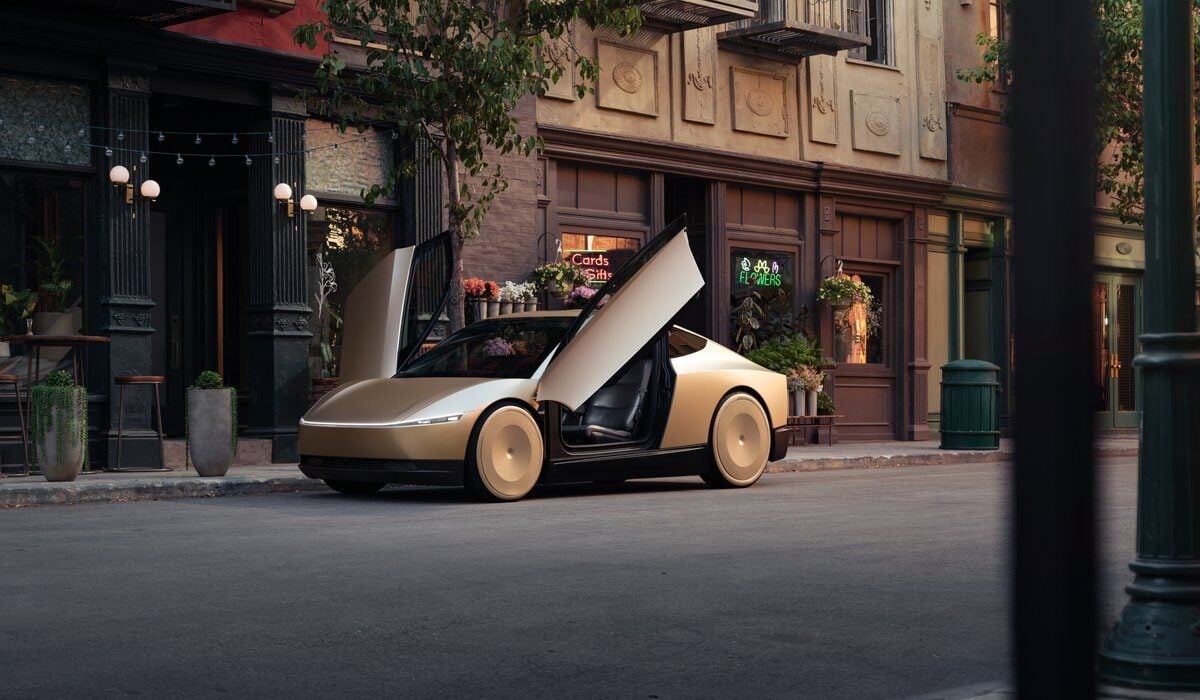
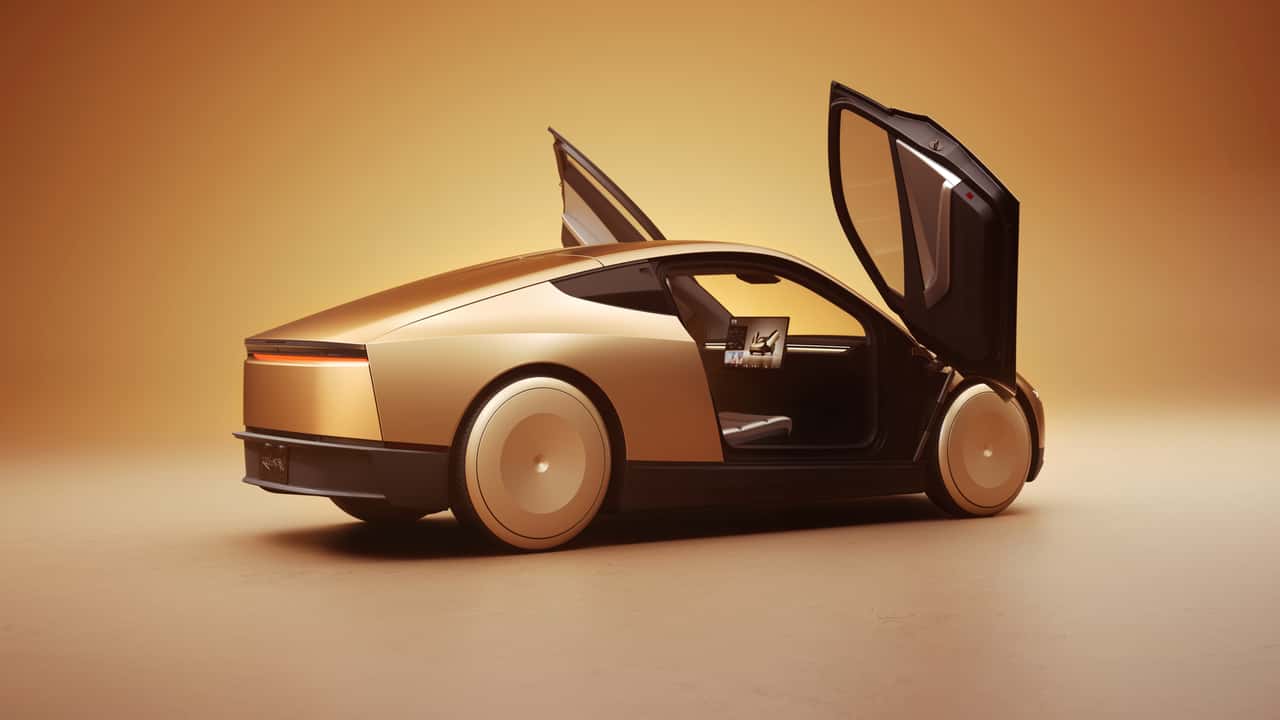
One of the investigation’s most significant claims involves Tesla’s public robotaxi demonstrations. Former employees told Reuters that Tesla teams spent weeks mapping routes and manually training the software around known hazards ahead of major public showcases, including the company’s Cybercab unveiling and robotaxi launches.
That included extensive route-specific annotation work involving traffic signals, lane markings, pickup zones, and unusual obstacles. Employees allegedly worked overnight shifts preparing the systems for tightly controlled operating environments.
Those accounts directly conflict with Elon Musk’s long-standing claims that Tesla’s self-driving approach avoids the expensive high-definition mapping strategies used by rivals like Waymo.
Several former employees reportedly said the process could not realistically scale nationwide because the software still required extensive preparation for limited operating zones.
Waymo, by comparison, openly acknowledges its reliance on localized mapping and publishes detailed safety data reviewed by outside researchers. Reuters noted that Tesla does not release the underlying crash data behind its own safety claims.
Tesla Faces Growing Pressure
Tesla’s self-driving systems have already triggered years of investigations and lawsuits. The National Highway Traffic Safety Administration currently maintains multiple active investigations involving Autopilot and Full Self-Driving systems.
The company has also faced lawsuits involving fatal crashes allegedly connected to driver-assistance failures. Tesla typically argues that drivers remain responsible for maintaining control of the vehicle while using the software.
Despite the criticism, Tesla continues aggressively expanding its robotaxi ambitions. Musk recently claimed the company’s autonomous fleet would grow rapidly across the United States, although Reuters reported Tesla’s real-world robotaxi operations remain limited and tightly controlled.
The investigation ultimately raises a larger question surrounding Tesla’s future. Much of the company’s enormous valuation increasingly depends on the promise of scalable autonomy rather than traditional vehicle sales alone.
If the people closest to the technology remain unconvinced it is ready, skepticism surrounding Tesla’s robotaxi ambitions may only continue growing.