Some trips feel better when the plan stays simple. You do not need timed tickets from breakfast to dinner, three transfers before lunch, or a spreadsheet full of restaurant reservations to make a place feel worth the journey.
The right destination gives you an easy first move. Walk into an old square, follow the river, ride up to a hilltop view, sit by the water, or choose one proper museum and leave the rest of the day loose.
The five places below are good for that kind of travel. They have history, food, scenery, castles, rivers, waterfronts, and old streets, but they do not make the whole trip feel like work.
Do a few things properly. Eat well. Look around. Leave enough space for the next good corner, bridge, terrace, or view to find you.
1. Guimarães, Portugal
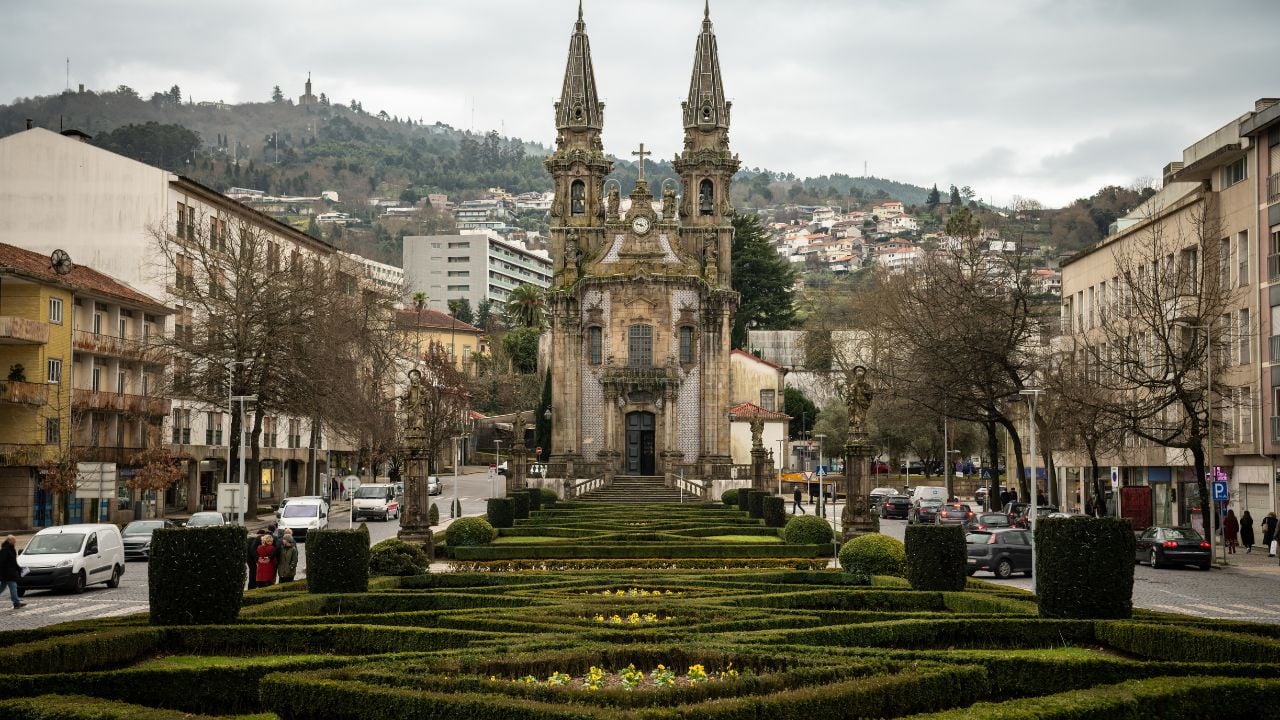
Guimarães is a good place to start with your feet, not your schedule. Walk into the old center and the city gives you stone streets, small squares, traditional buildings, church facades, and enough history in the walls that you do not need to force the feeling.
UNESCO links the historic town of Guimarães with the emergence of Portuguese national identity in the 12th century. It describes the historic center and Couros Zone as a well-preserved example of a medieval settlement that developed into a modern town. That sounds formal, but the experience is simple: old streets, worn stone, quiet corners, and a city that still feels lived in.
Start around the historic center before you go chasing the view. Wander through the squares, look at the old buildings, stop for coffee, and let Guimarães feel like a town rather than a history lesson. This is not a place where you need to rush from monument to monument just to prove you saw it.
Monte da Penha gives the trip its easy high point. Take the cable car up from the city and the rooftops start dropping away below you. At the top, the Shrine of Our Lady of Penha, trees, rocks, paths, and wide views over northern Portugal make the climb feel like a different part of the same day rather than a separate excursion.
That is the best way to use Guimarães: old town first, Penha later, dinner after. The city gives you history at street level and air above the rooftops without making you fight for either one.
2. Dinant, Belgium
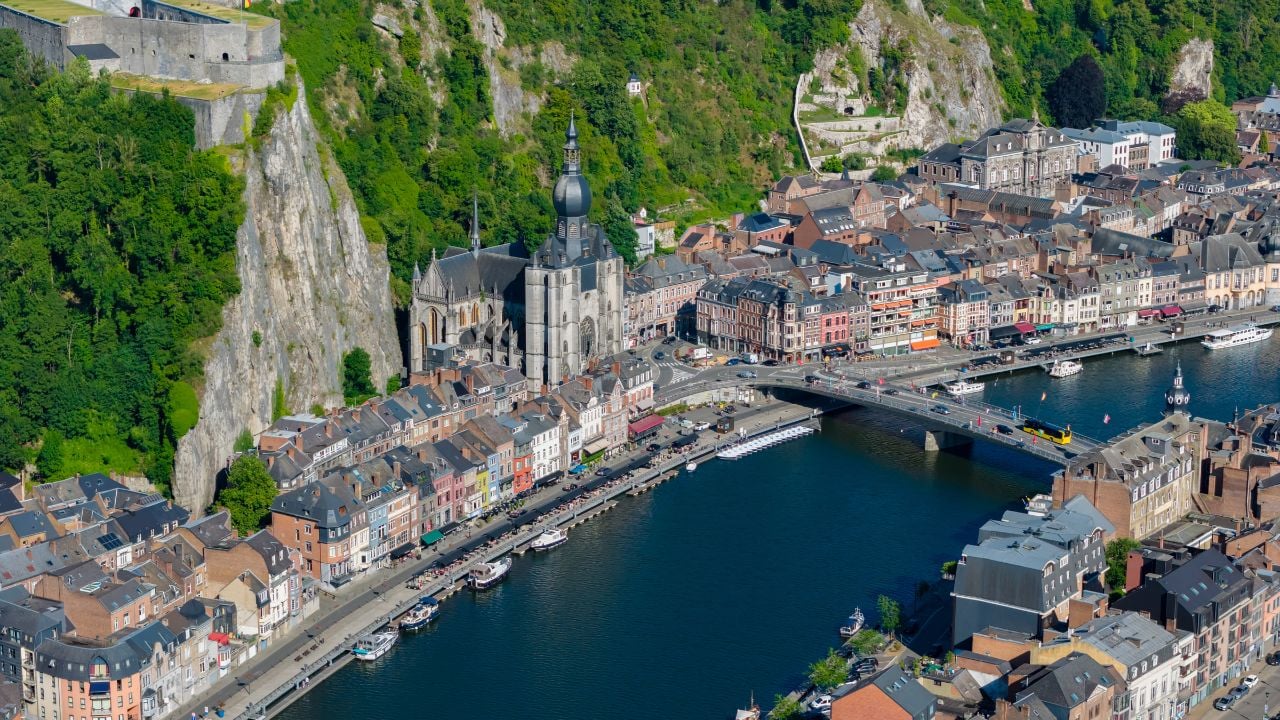
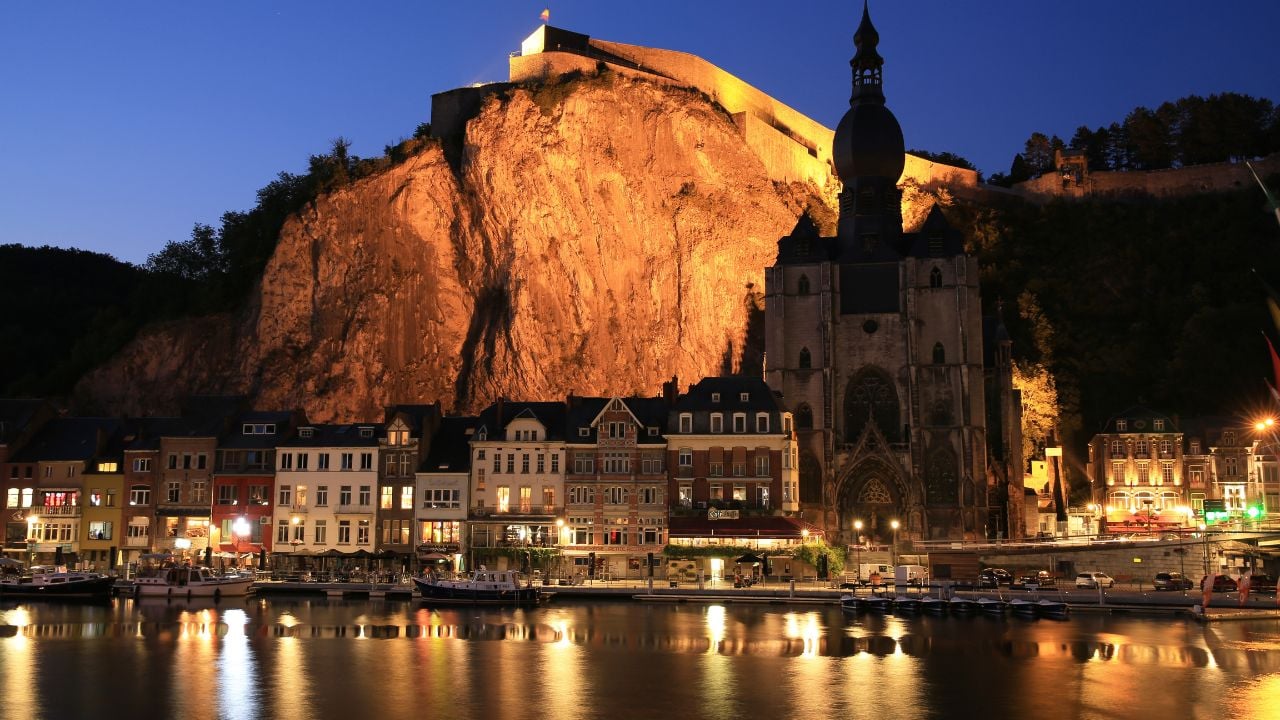
Dinant makes its point quickly. The Meuse River runs in front, the church sits at the base of the cliff, and the citadel looks down from above like it was placed there to make every visitor stop walking for a second.
VisitArdenne describes Dinant and its citadel above the Meuse as an essential visitor highlight in the Belgian Ardennes. That is not hard to understand when you see the town from the riverside. Water, cliff, church tower, houses, and fortress all line up in one clean scene.
Start with the river walk. Do not rush straight to the citadel. Look back at the town from the opposite bank, cross the bridge, and take in how tightly everything sits between rock and water. Dinant is small, but the setting makes it feel much bigger than its size.
The saxophones give the town a fun detail between the views. Visit Wallonia points visitors to a trail of 60 giant saxophones decorated by countries of the European Union, a nod to Dinant’s connection with Adolphe Sax. It is a nice little surprise: one moment you are looking at a cliff and citadel, the next you are spotting bright saxophones along the street.
Dinant does not need a complicated day. Walk by the Meuse, look up at the citadel, find the saxophones, sit for a drink, then decide whether to climb, ride, or simply stay near the water a little longer.
3. Freiburg, Germany

Freiburg is the kind of city where the day can begin with a market and end above the rooftops. Start at Münsterplatz if the market is on. The cathedral rises over the square, the red Merchants Hall catches the eye, and food stalls make the first decision of the day much easier.
Freiburg’s official tourism portal suggests starting a short stay with a Lange Rote at the cathedral market, then exploring the old town’s alleyways and ending with a view over Freiburg. That is exactly the right pace for the city: food first, streets next, view later.
The Bächle are the small detail that make Freiburg memorable. These little water channels run through parts of the old town, catching light beside the streets and forcing you to pay attention to where you step. They are not a giant attraction, but they make the walk feel like Freiburg instead of any other German old town.
When you want air, go up Schlossberg. The official tourism site says it is only a few steps, or a ride on the Schlossbergbahn from the Stadtgarten, into Black Forest countryside with a view of the city. At sunset, visitors get a panorama over the old town, the cathedral, and the hilly landscape beyond.
That is enough for a strong Freiburg day: market, cathedral square, Bächle, old lanes, then Schlossberg when the light softens. The city gives you culture, food, and fresh air without making you choose only one version of the trip.
4. Aalborg, Denmark
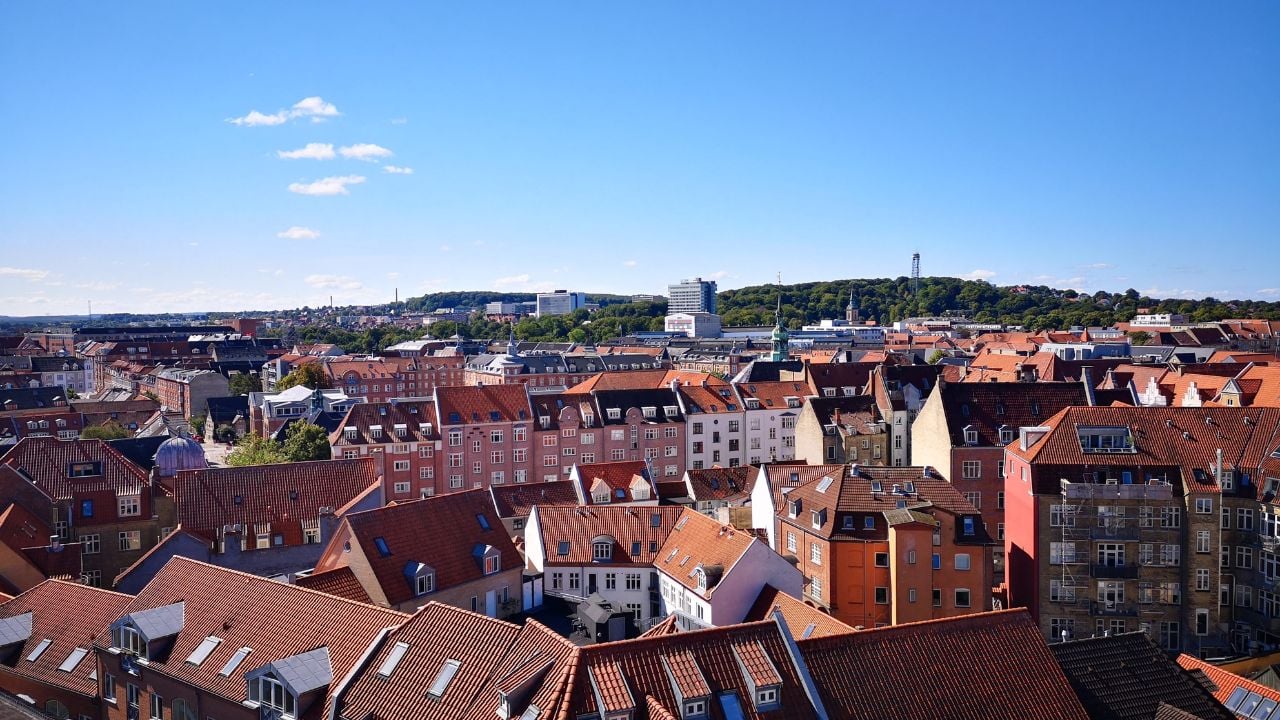
Aalborg is easiest to enjoy from the waterfront. Walk along the Limfjord and the city quickly feels open, modern, and social. You get water, architecture, places to sit, people moving through the area, and enough space that the first hour does not feel crowded.
VisitDenmark describes Aalborg as an ancient city on the Limfjord that has become a vibrant cultural hotspot with a spectacular waterfront. The waterfront is not just scenery either. VisitDenmark’s Aalborg Waterfront page points visitors toward the Utzon Center, Nordkraft, Musikkens Hus, Jomfru Ane Park, Aalborghus Castle, and cultural life along the water.
The Utzon Center is the obvious architecture stop. The Utzon Center says the world-renowned architect Jørn Utzon created the building together with his son Kim, and that it became his final work before his death in 2008. It gives the waterfront a clear cultural point without pulling visitors away from the water.
Keep the day simple. Walk the waterfront, stop at the Utzon Center if architecture interests you, sit outside if the weather is good, then head toward food or drinks in the evening. Aalborg works well when you treat the harborfront as the spine of the day rather than trying to scatter yourself across the city.
5. Burgos, Spain
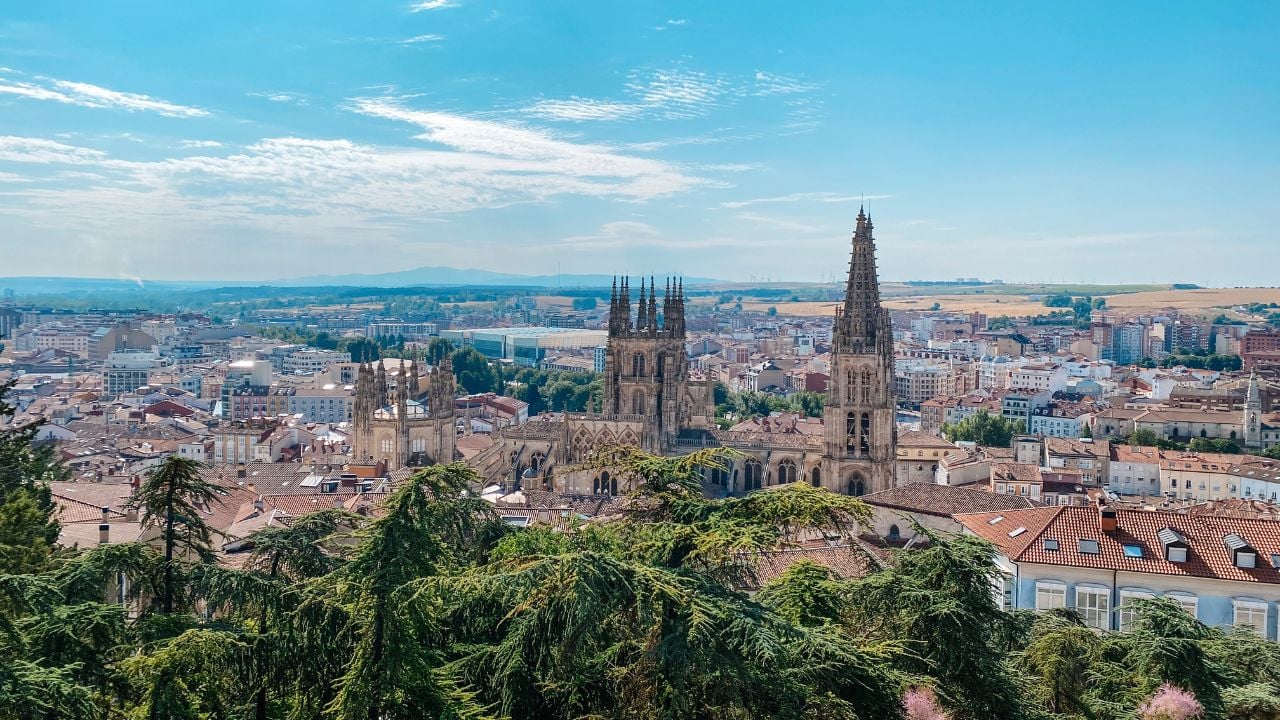
Burgos gives you one major sight before anything else has to happen. The cathedral rises above the old town with the kind of presence that makes the first walk feel important, even if all you did was follow the towers.
UNESCO says construction on Burgos Cathedral began in 1221 and was completed in 1567, and describes it as a comprehensive example of the evolution of Gothic style. That is the serious reason to go. The easier reason is that the building simply looks magnificent when it appears between the streets.
Do the cathedral properly, then step back outside and let Burgos become a city again. Walk the historic center, pass through the Gate of Santa María, follow the Arlanzón River for a while, or stop for food instead of immediately forcing another monument into the day.
The Museum of Human Evolution gives Burgos a second strong stop. The Atapuerca Foundation says the museum is in the center of Burgos, about 15 kilometers from the Sierra de Atapuerca sites and a few minutes’ walk from the cathedral, with more than 200 original items from the Atapuerca sites. Castilla y León tourism also notes that the collection includes remains tied to Homo antecessor, described there as the oldest in Europe.
That is a good Burgos plan: cathedral first, river or old streets after, then the museum if you want the day to shift from Gothic stone to deep human history. One huge church, one serious museum, one long walk, and one good meal are more than enough for a short trip.