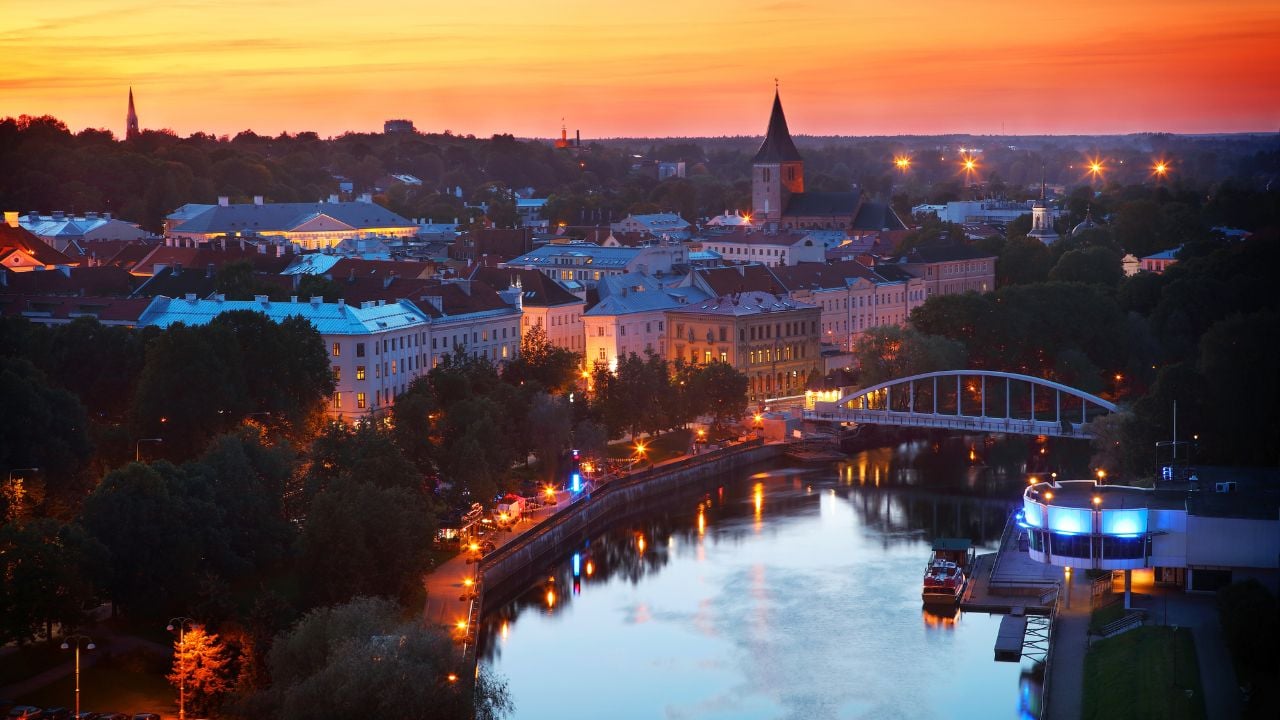
Some cities are worth seeing before the day gets loud. Markets open, shutters lift, café tables appear, and streets that feel busy by noon still have enough space for a slower look. The right morning destination gives travelers a real sense of place before the itinerary becomes crowded with tickets, meals, and timed stops.
Piran, Leiden, Tartu, Arezzo, and Cádiz all work well in that early window, but for different reasons. Piran starts with the Adriatic and a square that used to be a harbor. Leiden begins along canals and old university streets. Tartu has the river, market, and hilltop greenery. Arezzo turns Piazza Grande into a stage before lunch crowds arrive. Cádiz wakes up through the Atlantic, old gates, fish stalls, and bright stone lanes.
The point is not to wake up painfully early or force a checklist before breakfast. The better plan is simpler: choose one compact area, leave the hotel before the busiest hours, and let the first coffee or market stop set the pace.
1. Piran, Slovenia

Piran belongs to the early part of the day. The town sits tightly between the Adriatic and its old streets, so the first walk naturally moves from sea wall to square to church steps without needing a formal route. Slovenia’s official tourism site describes Piran as an old port town with medieval walls, narrow streets, closely built houses, and Venetian influence.
Tartini Square gives the morning a proper center. The Portorož and Piran tourism site says Tartini Square was once an inner harbor, later filled in to create public space, and is surrounded by historic buildings including the 15th-century Gothic palace Benečanka.
The strongest morning starts near the water, crosses Tartini Square, then climbs or drifts toward the church area for the higher view. Coffee near the square works before the heat and day-trippers build. After that, the sea wall, lighthouse end, and narrow lanes fill the rest of the morning without stretching the town beyond its natural scale.
Piran loses some of its best quality when treated as a quick photo stop between coastal towns. Staying overnight or arriving early gives the old center time to breathe before the busiest part of the day.
2. Leiden, Netherlands
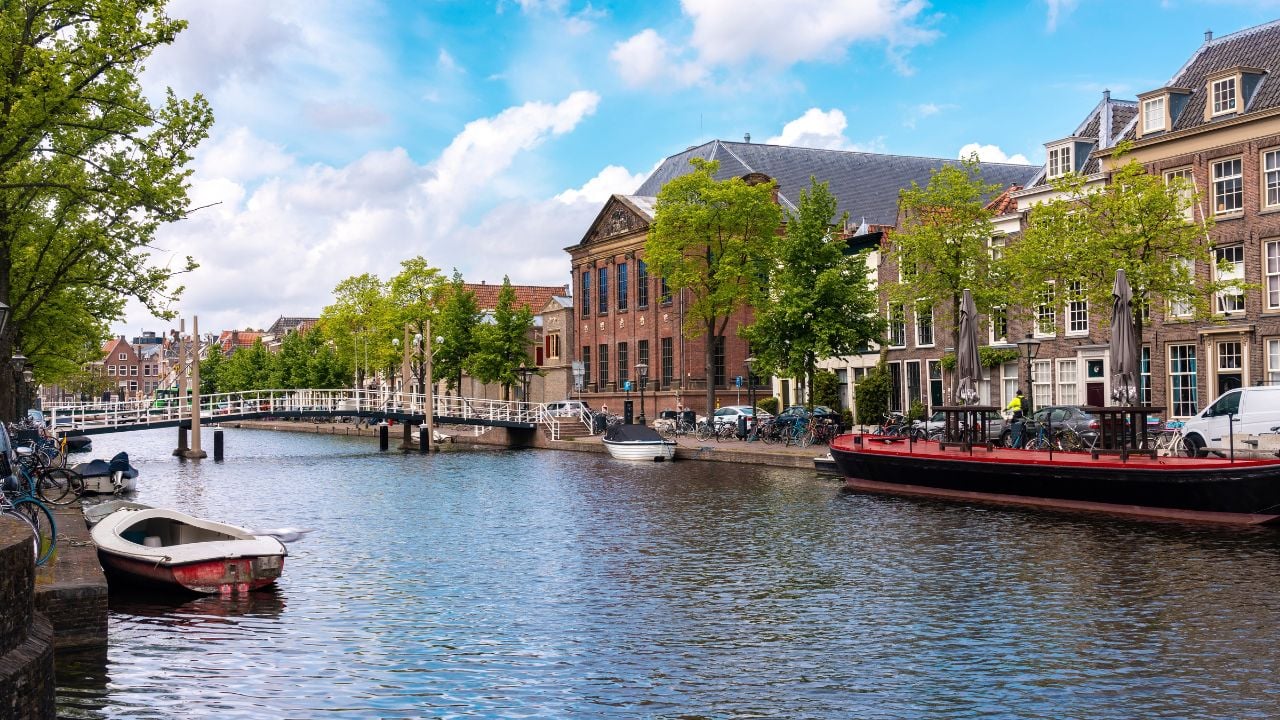
Leiden’s morning appeal comes from its scale. The canals, bridges, old façades, courtyards, university buildings, and bakery streets sit close together, so the first hours never need to turn into a transport plan. The city rewards looking sideways as much as following a map.
Visit Leiden’s Leiden Loop is an 8.5-kilometer walking route past historic buildings, monuments, and notable views. For a morning visit, travelers do not need the whole loop. A shorter section through the old center gives enough canal edges, small bridges, and quiet corners before shops and terraces grow busier.
Leiden works best with a simple start: choose a canal near the old center, cross toward a bakery or coffee stop, then continue into the historic streets before the museum part of the day begins. The city’s university atmosphere keeps it lively, but the morning version still feels measured and local.
A longer stay adds museums, Rembrandt-related stops, courtyards, and the botanical garden. The first morning should stay close to the canals, where the city’s rhythm is easiest to understand.
3. Tartu, Estonia
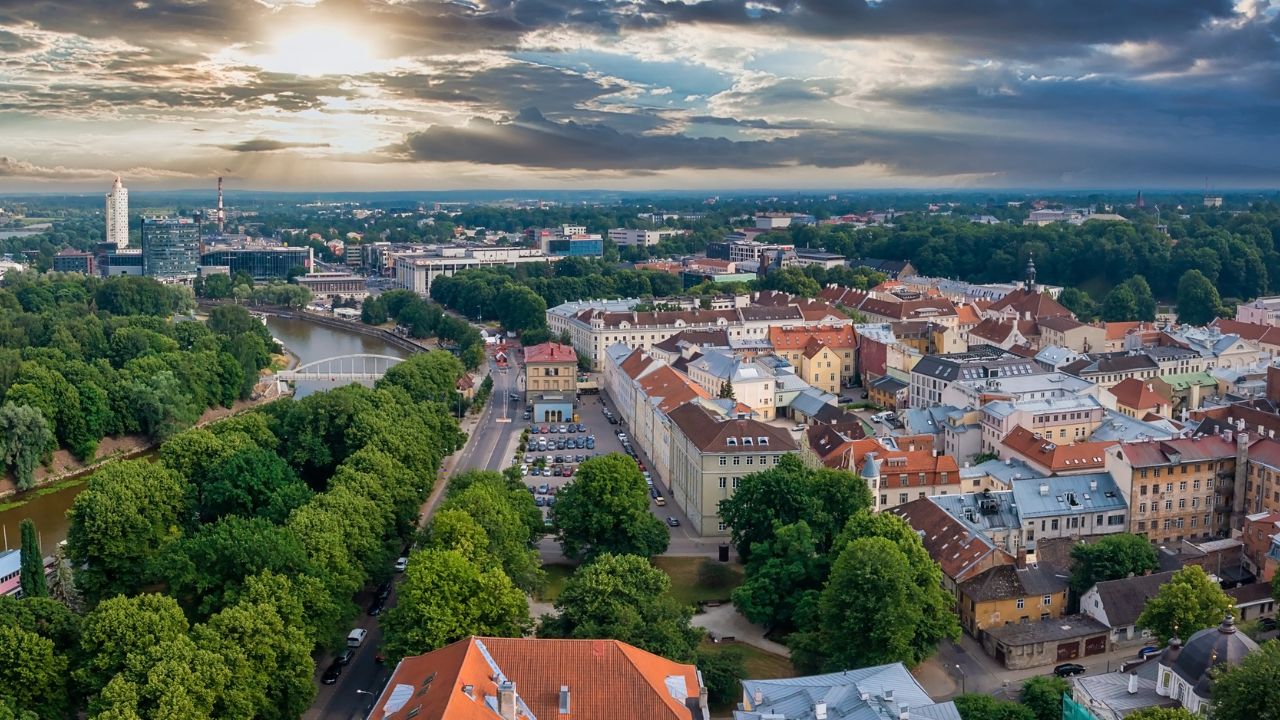
Tartu has the kind of morning that suits a student city: quiet river light, a market preparing for the day, old streets opening slowly, and enough cafés nearby to keep the walk unhurried. It does not need a dramatic skyline to make the first hours work.
Visit Estonia lists a guided morning walk in Tartu that follows the Emajõgi River, visits the Market Hall as vendors prepare for the day, then continues into the Old Town and Toomemägi. That route captures the city’s strongest morning sequence: water, food, streets, and greenery.
The Emajõgi gives travelers a calm starting line before the old town takes over. From there, the Market Hall and nearby streets lead naturally toward the university area and Toomemägi, where the city becomes leafier and more reflective.
Tartu should not be rushed as a short pause between bigger Baltic capitals. Its strength is quieter: a morning walk, a market stop, a hilltop path, and enough cultural depth for the day to keep opening after breakfast.
4. Arezzo, Italy
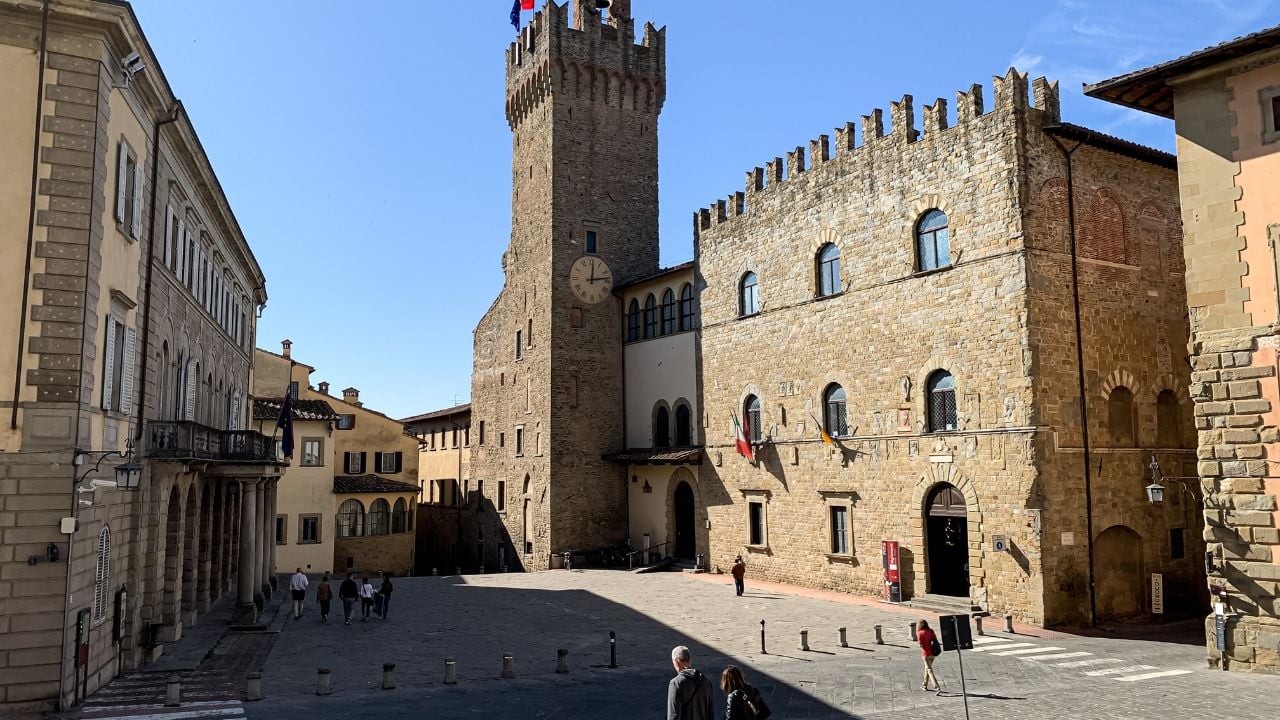
Arezzo is a Tuscan morning without the usual performance of Tuscany. The city has the stone, churches, espresso bars, and Renaissance weight travelers hope for, but the first walk still feels local rather than staged.
The morning belongs to Piazza Grande. Visit Tuscany calls it the heart of Arezzo and one of the most beautiful piazzas in Tuscany, with buildings from different historical periods facing the square like a stage set.
That stage quality is not just a metaphor. The slope, the loggia, the surrounding façades, and the way the square opens from nearby lanes make the arrival feel theatrical even before anything has happened. A good morning starts with espresso nearby, enters the square before it fills, then continues into the surrounding streets and churches.
Arezzo’s museums, Piero della Francesca connections, cathedral, antique shops, and hilltop views deserve time later in the day. The first hour belongs to Piazza Grande, when the city’s geometry and quiet are still doing most of the work.
5. Cádiz, Spain
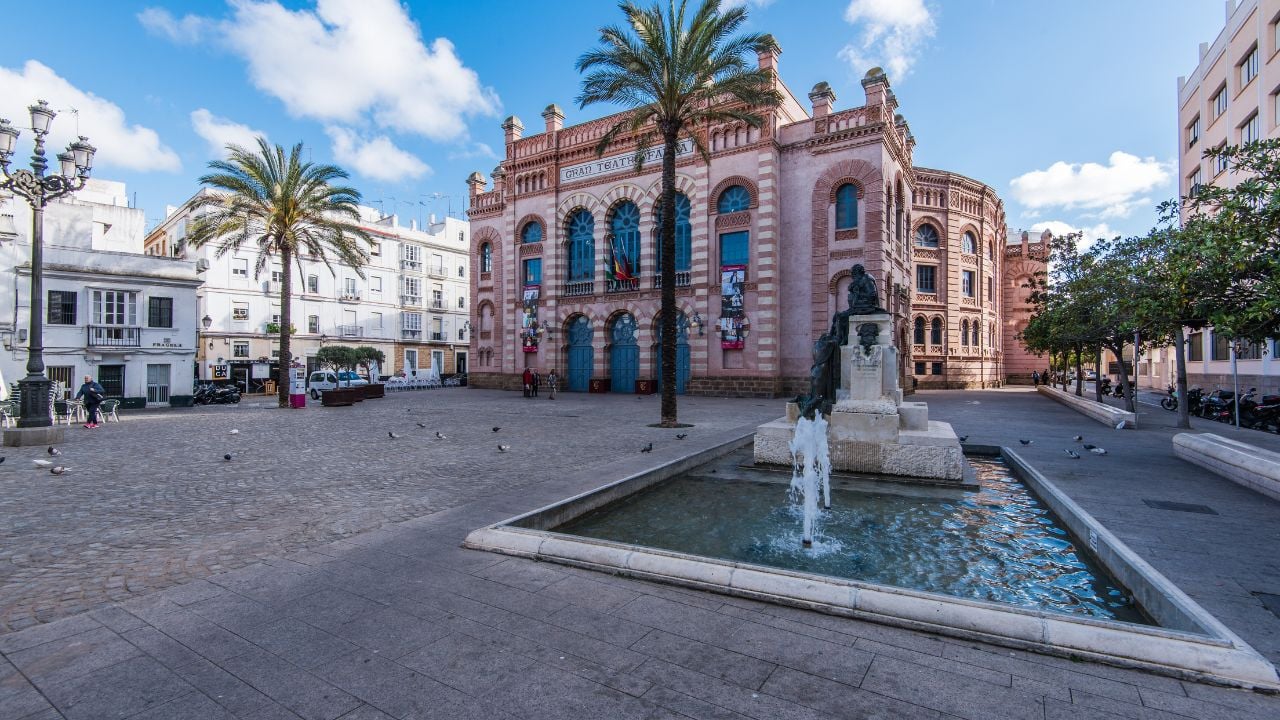
Cádiz starts with salt air. The old city is narrow, bright, and surrounded by the Atlantic, so even a short morning walk shifts quickly between streets, plazas, market noise, and open water.
Spain’s official tourism site suggests a one-day route through El Pópulo, the oldest neighborhood in Cádiz, with 13th-century arches, Plaza San Martín, and the Roman Theatre from the 1st century BC. That historic core gives the morning a strong opening before the route widens toward the seafront.
The Central Market keeps the day grounded in local life. Spain.info describes it as a traditional daytime market with a modern gourmet space, seafood, fish, tapas, and a lively food scene. Going early makes sense here: the fish counters, breakfast stops, and surrounding streets give Cádiz a sharper identity than a generic beach-city walk.
After the market, the day should turn back toward the water. A morning in Cádiz works best when it moves from El Pópulo to the market, then out toward the Atlantic edge before the heat and crowds flatten the pace.