Some short trips fail because the useful parts of the day sit too far apart. Breakfast is near the hotel, the old center is across town, the museum needs another ride, and dinner becomes a search instead of a pleasure. Better destinations put the first good route close to the door.
Lecce, Gijón, Leiden, Nîmes, and Kinsale all give travelers a compact starting point. Each place has enough streets, food, history, water, or public space to carry a full day without a strict timetable.
In Lecce, the old center turns local limestone into carved church fronts, balconies, portals, and piazzas. Gijón moves from San Lorenzo Beach into Cimavilla and cider houses. Leiden puts canals, museums, courtyards, and university streets inside a manageable Dutch center.
Nîmes brings Roman monuments into ordinary café streets, while Kinsale uses its harbor, colorful lanes, seafood restaurants, and coastal walks to make a small town feel complete. These places still require smart choices about meals, museum hours, weather, and walking routes, but they do not make travelers build the whole day around transport.
1. Lecce, Italy

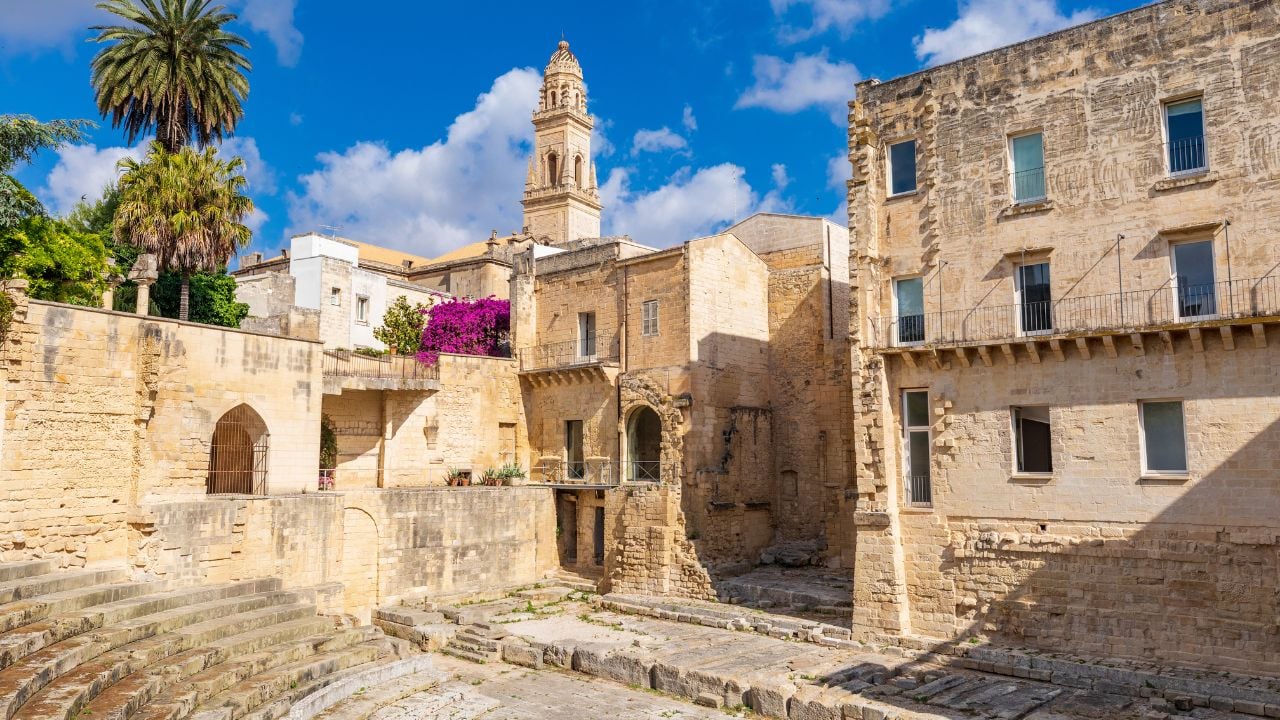
Lecce fills its old center with pale local stone, and that stone carries much of the city’s character. Church façades, balconies, portals, columns, saints, carved leaves, and Roman remains appear within the same walk, giving the streets detail before the day needs a museum or formal tour.
Italy’s official tourism site describes Lecce as the heart of Salento, known for its Baroque historic center, Roman-era monuments, and pale local stone that gives the old buildings their warm color. The center gives travelers architecture first, then food and southern Puglia as the wider setting.
A strong morning starts with caffè leccese and a pasticciotto, then moves toward Piazza del Duomo, Basilica di Santa Croce, and the Roman amphitheater area before the stone starts reflecting the stronger midday light. The details reward slow looking: animals carved into façades, balconies above narrow streets, and church fronts that change color between morning and late afternoon.
Lunch or aperitivo belongs inside the old center. Orecchiette, vegetables, seafood, burrata, local wines, and Salento pastries fit the same route as the churches, courtyards, and piazzas. The nearby coast adds another option on a longer stay, but Lecce does not need a beach day to justify the trip.
2. Gijón, Spain
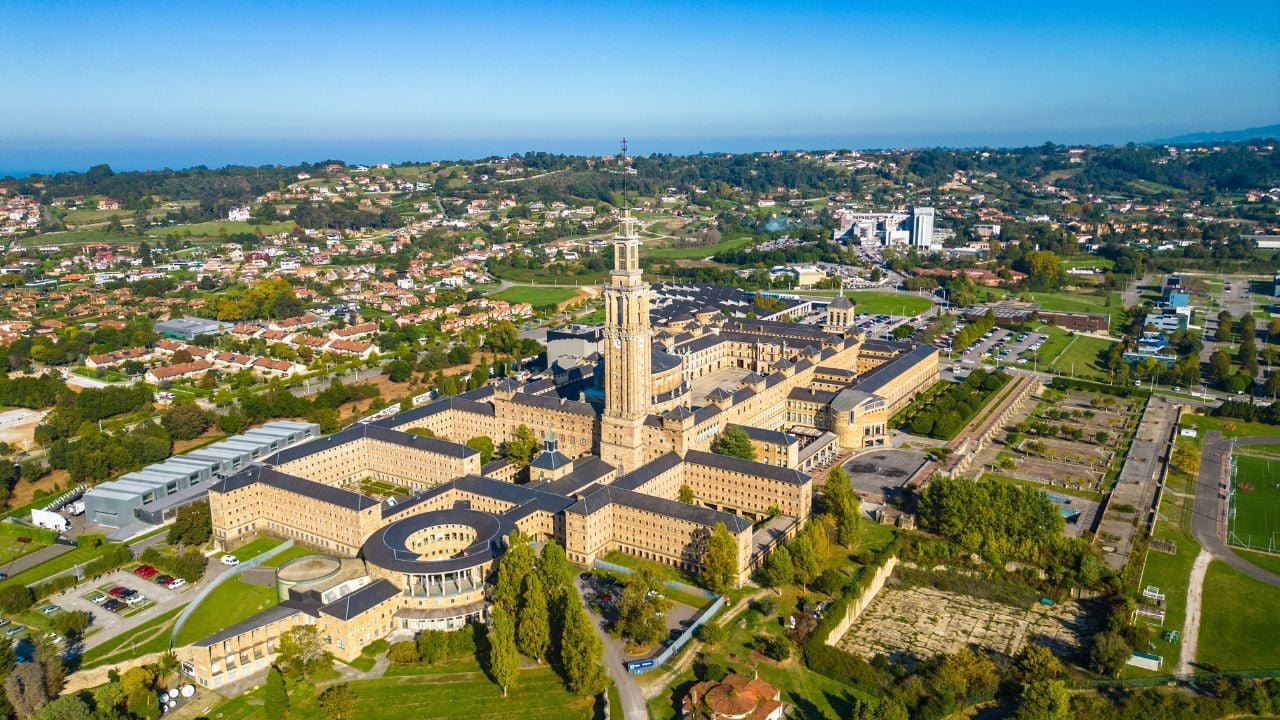
Gijón gives northern Spain a coastal city break with salt air, surf, cider, seafood, and working-port character. San Lorenzo Beach curves along the city, Cimavilla rises on the old headland, and the marina keeps the waterfront close to restaurants, bars, and evening walks.
Spain’s official tourism site presents Gijón as a destination with beaches, culture, and plenty to see and do, while Asturias Tourism describes it as a fishing, industrial, and sporting port with a distinctive green setting. The city’s appeal comes from that mix: Atlantic weather, urban energy, old streets, and Asturian food in one place.
A practical day starts by the beach or marina, climbs into Cimavilla, then returns toward cider houses and seafood restaurants later on. Sidra changes the meal into part of the local experience, especially when servers pour it from height into a glass in the Asturian style.
Gijón does not need to polish itself into a resort town. Its rougher edges, port history, beach promenade, cider bars, and local dining give the trip more texture than a standard seaside break built only around sunbeds and views.
3. Leiden, Netherlands
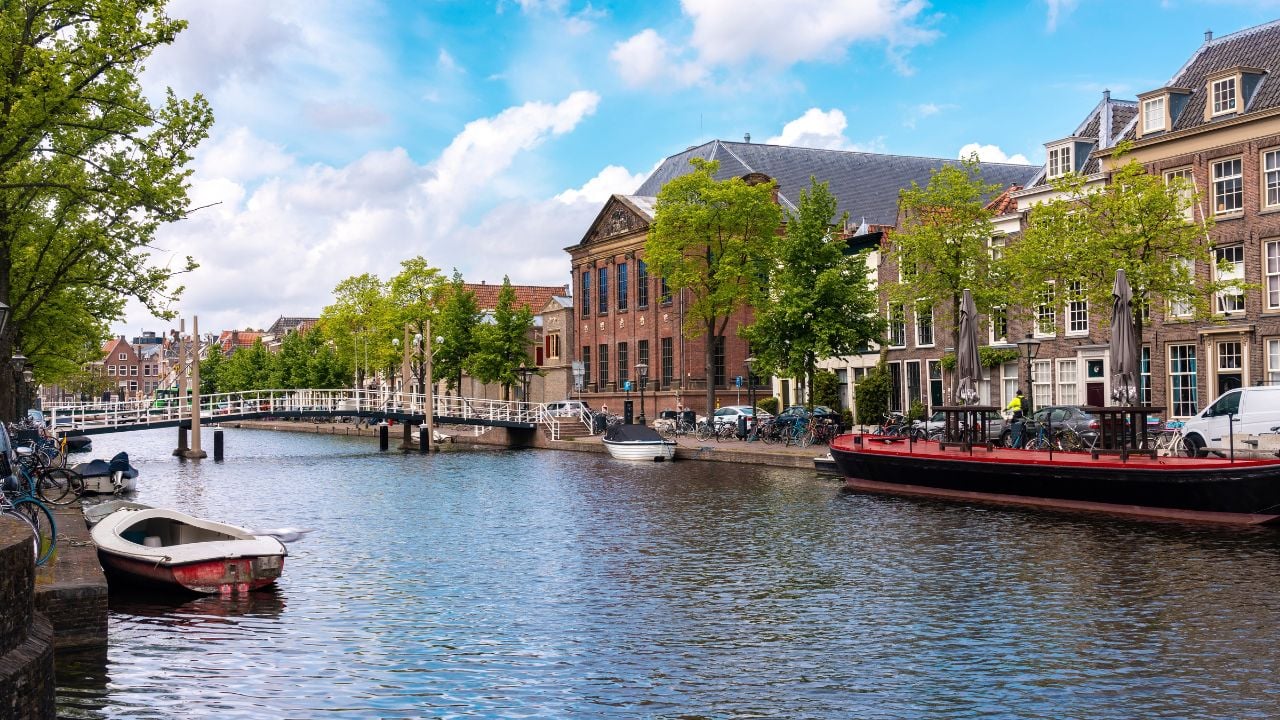
Leiden puts its pleasures close together: canals, bridges, old façades, museum doors, university buildings, courtyard gardens, and quiet side streets. The city feels Dutch from the first canal view, but the atmosphere is less pressured than a major capital stop.
The Netherlands’ official tourism site describes Leiden as the birthplace of Rembrandt and home to courtyard gardens, hundreds of monuments, the country’s oldest university, 13 museums, and a lively center. That gives the city plenty of substance without making the walk feel oversized.
A useful route starts beside the canals, crosses a few small bridges, then moves toward a museum, a courtyard, or the old university area. The Burcht, Pieterskerk, the Hortus Botanicus, and canal streets all sit close enough that the day can shift between history, gardens, and cafés without becoming a transport plan.
Leiden’s strongest moments are small and specific: brick houses reflected in narrow water, bicycles locked near bridges, hidden courtyards behind old doors, and museum stops close enough to leave room for dinner. The center gives travelers culture without turning the visit into a checklist.
4. Nîmes, France
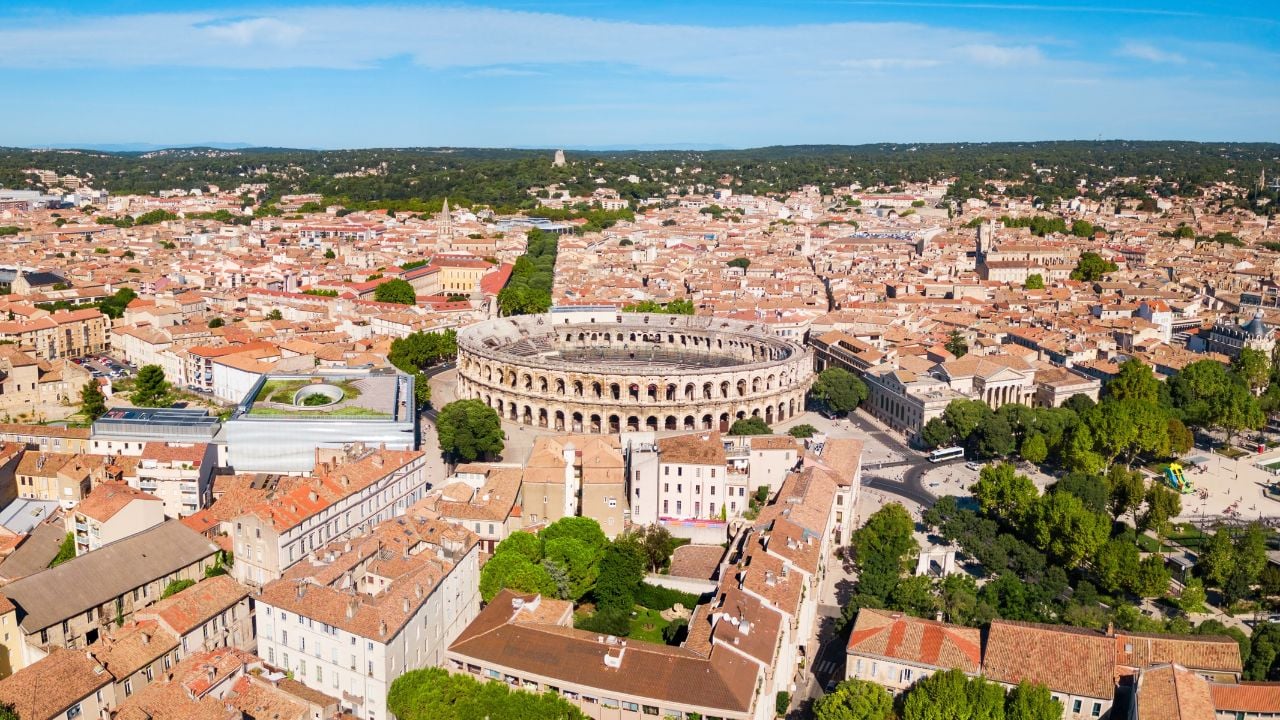
Nîmes places Roman history inside the modern street plan. The Arena stands close to cafés and ordinary foot traffic, Maison Carrée sits in the center, and the route toward Jardins de la Fontaine brings water, trees, statues, and the climb toward Tour Magne.
The official tourism office highlights the city’s Roman heritage, events, nature, and local flavors, while France’s tourism site points to major Roman monuments such as the Arena and the UNESCO-listed Maison Carrée. The monuments shape the walk instead of sitting outside the city as a separate excursion.
A good first route starts at the Arena, continues toward Maison Carrée, then moves through shaded streets toward Jardins de la Fontaine. Between those stops, the city gives travelers bakeries, terraces, shops, markets, and southern French stone instead of long blank stretches between landmarks.
Nîmes suits travelers who want ancient scale without a heavy schedule. One Roman site, one garden walk, one museum or market stop, and a proper lunch give the day enough structure while leaving space to enjoy the streets between the major sights.
5. Kinsale, Ireland
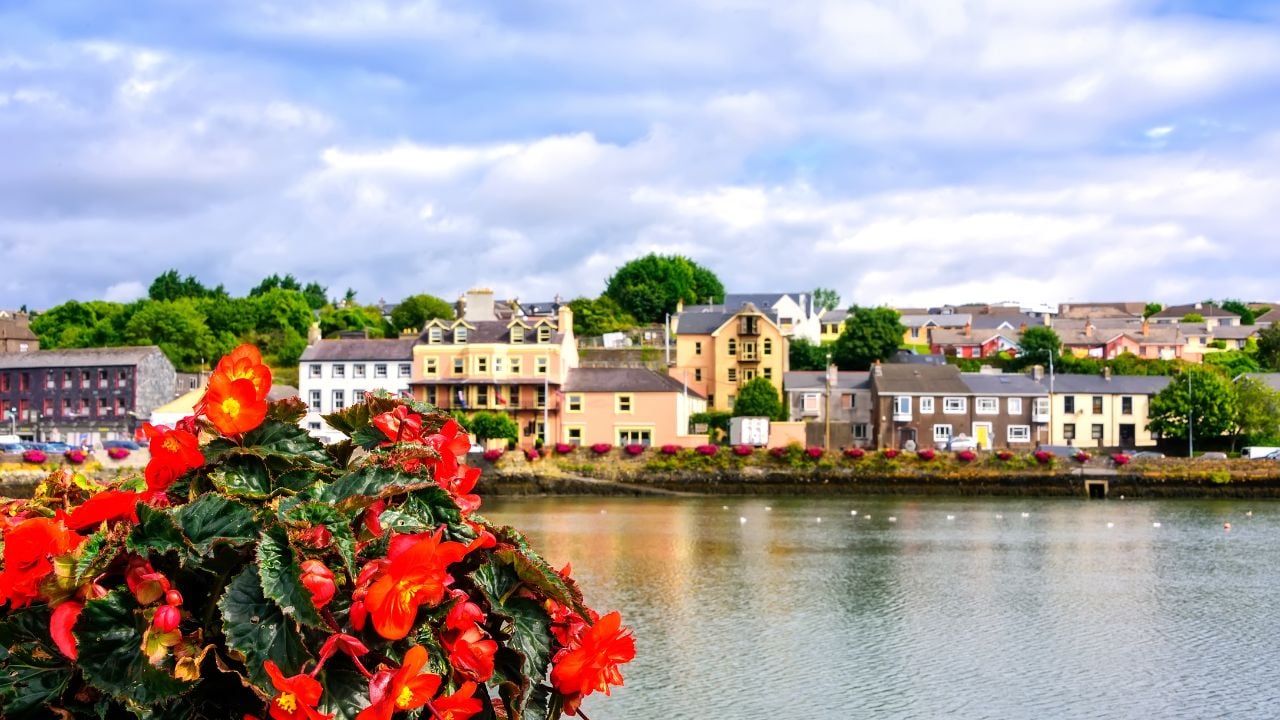
Kinsale gives a small Irish coastal trip enough color, food, and history to fill the day without stretching the map. Painted shopfronts, harbor views, narrow lanes, seafood restaurants, galleries, pubs, and boats on the water create a compact town center with clear direction.
The Kinsale Chamber of Tourism and Business describes the town as sitting at the start of the Wild Atlantic Way, known for colorful streetscapes, rich history, food, boutiques, and events. Ireland’s official tourism site also highlights Kinsale’s culinary scene, sights, shops, heritage, and creative energy.
A good day starts in the town center, moves through the colorful lanes, then heads toward the harbor or Scilly Walk before dinner. Charles Fort adds a historic coastal stop for travelers who want a longer walk or a short ride beyond the center.
Kinsale’s food gives the visit much of its weight. Seafood, chowder, local produce, pubs, restaurants, and harbor-side meals keep the trip tied to County Cork rather than to a generic pretty-town route. The town is small, but the combination of water, color, food, and history keeps the stay from feeling thin.