A calm vacation should not feel like a punishment for being tired. Nobody wants to go somewhere “peaceful” and discover that the only plan is staring at a wall for three days.
The better version is different. You wake up, walk to a market, smell grilled fish or fresh bread, follow a river or lakefront for a while, sit down when the view is good, and still have a museum, beach, hill, park, or old quarter waiting if you want more.
These five places are good for that kind of trip. They slow things down without making the days feel empty. You do not need a strict schedule, but you also will not be stuck asking, “Okay, now what?” after lunch.
Pick one main thing each day and let the rest happen around it. A market can lead to lunch, a square can lead to a park, a lake walk can turn into a cable car ride, and a beach can become the best part of a city break.
1. Setúbal, Portugal
Setúbal is best when the day starts with food. Go to Mercado do Livramento in the morning, while the counters are still busy and the fish stalls are doing the hard work of waking you up. There are tiles, fresh seafood, fruit, bread, cheese, flowers, local products, and enough movement to make the city feel alive before you have made a single plan.
Visit Setúbal describes Livramento Market, on Avenida Luísa Todi, as one of the city’s icons, known for historic architecture, colorful tiles, fresh fish, seafood, produce, bread, cheeses, flowers, herbs, and a wine cellar. It is not the kind of market you rush through just to say you saw it. Walk slowly, look at the stalls, and let breakfast or lunch become the first proper event of the day.
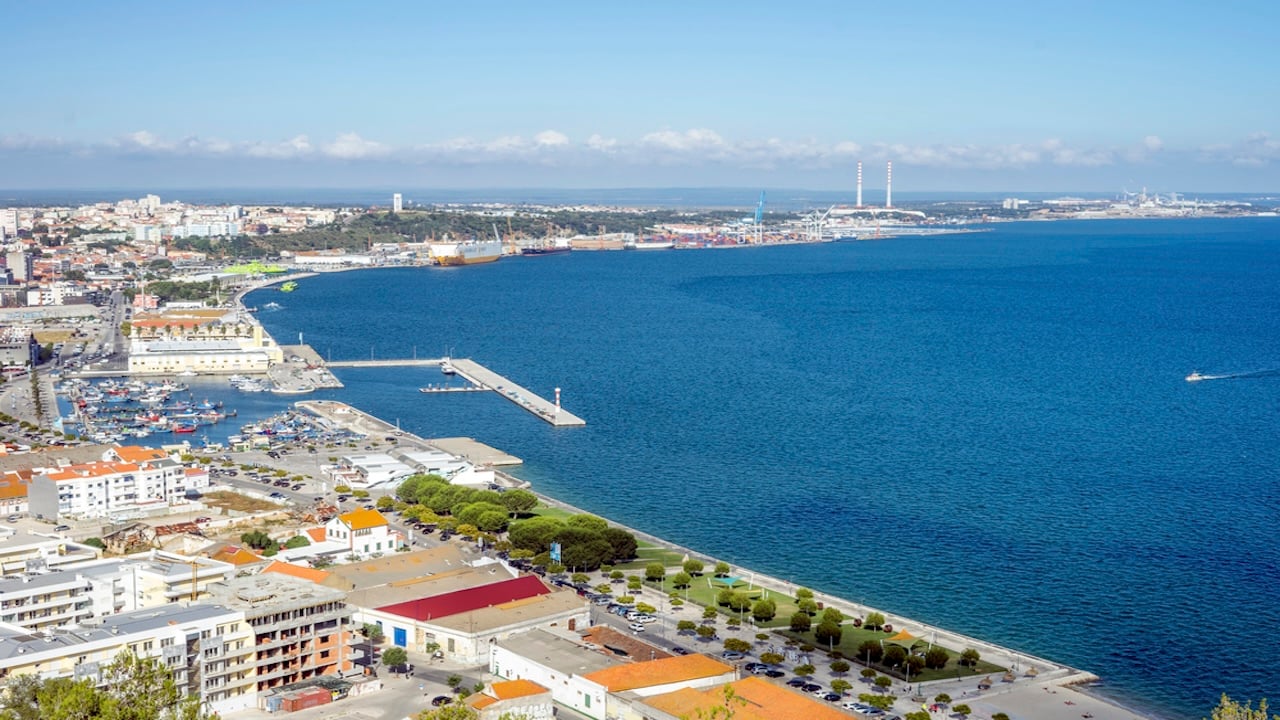
After that, stay close to the water for a while. Setúbal still has a working coastal feel, so the waterfront does not seem built only for visitors. You can sit down for seafood, walk along the city side of the bay, or keep the day loose until the sun starts making a beach idea sound better than another street.
Arrábida is where the trip opens up. Visit Setúbal describes Arrábida Natural Park as a protected area with land-and-sea landscapes, beaches, viewpoints, walking routes, cycling, paddling, and outdoor activities. You do not have to turn it into a full hiking mission. Pick a beach, a lookout, or a short coastal drive and let the scenery do the rest.
The best Setúbal day is simple in the nicest way: market noise in the morning, fish or seafood at lunch, blue water somewhere in the afternoon, and Arrábida waiting just outside town when you want cliffs, beaches, and views instead of another city block.
2. Lüneburg, Germany
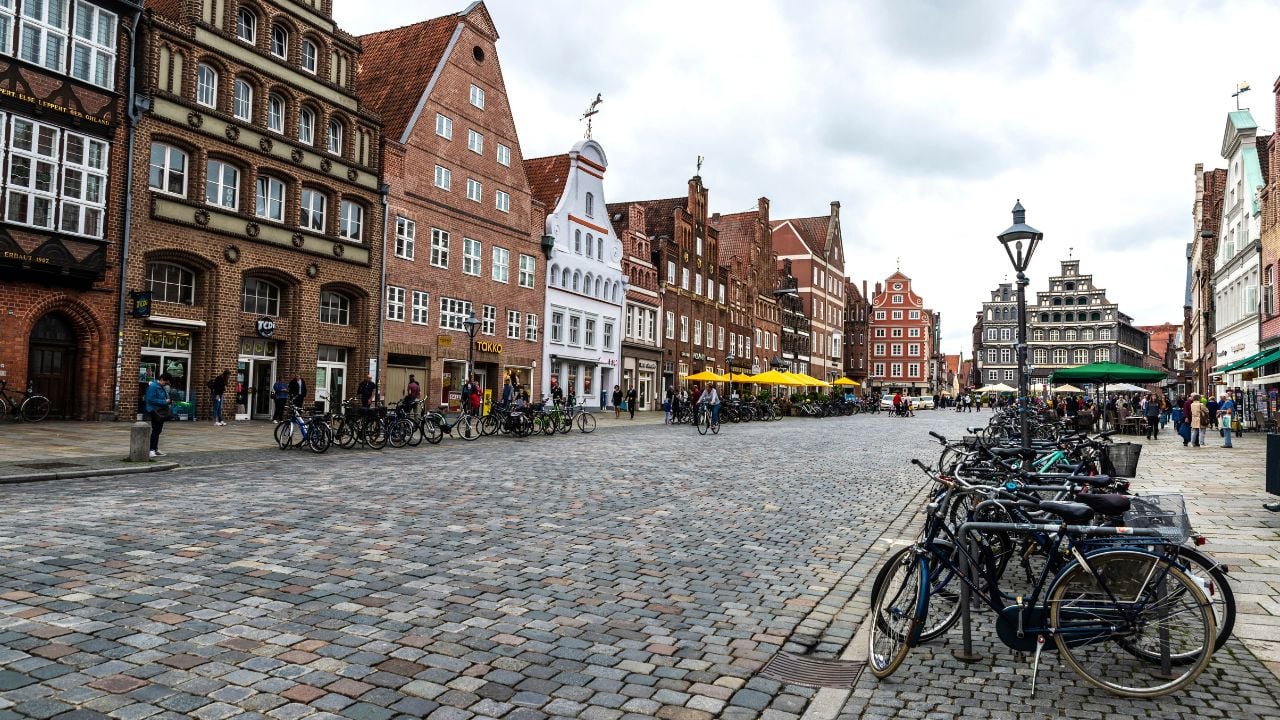
Lüneburg is quiet, but not blank. Start around Am Sande, where tall old facades, shops, terraces, and brick buildings make the town feel lived-in rather than sleepy. It is the kind of place where you can walk for ten minutes, stop for coffee, then realize the street itself was already the attraction.
The town’s salt history is not hidden away in one museum room. It sits in the brick, the old harbor, the water, and the streets that once mattered because heavy goods moved through them. The European Route of Historic Hanseatic Towns describes Lüneburg as a historic town with a medieval center, green parks, museums, festivals, markets, the Stint Market, the harbor, the Old Crane, and salt-trade heritage.
Walk toward the old harbor when you want the town to feel more specific. The Stintmarkt gives you water, old buildings, restaurants, and the Old Crane standing there like a piece of working history that refused to disappear. It is not dramatic in the castle-on-a-cliff way. It is better than that for a slow trip: brick, river, old machinery, and a place to sit.
Lower Saxony tourism says the Old Crane was rebuilt in 1797 according to medieval plans. It also notes that the hard work inside the crane was done by skilled stevedores, not convicts, despite a common story repeated about the site.
That little correction almost makes the place more interesting. You are not just looking at a pretty old object. You are looking at a reminder of real labor, ships, salt, trade, and the people who made the town rich before weekend travelers came along for cake, coffee, and quiet lanes.
3. Nancy, France
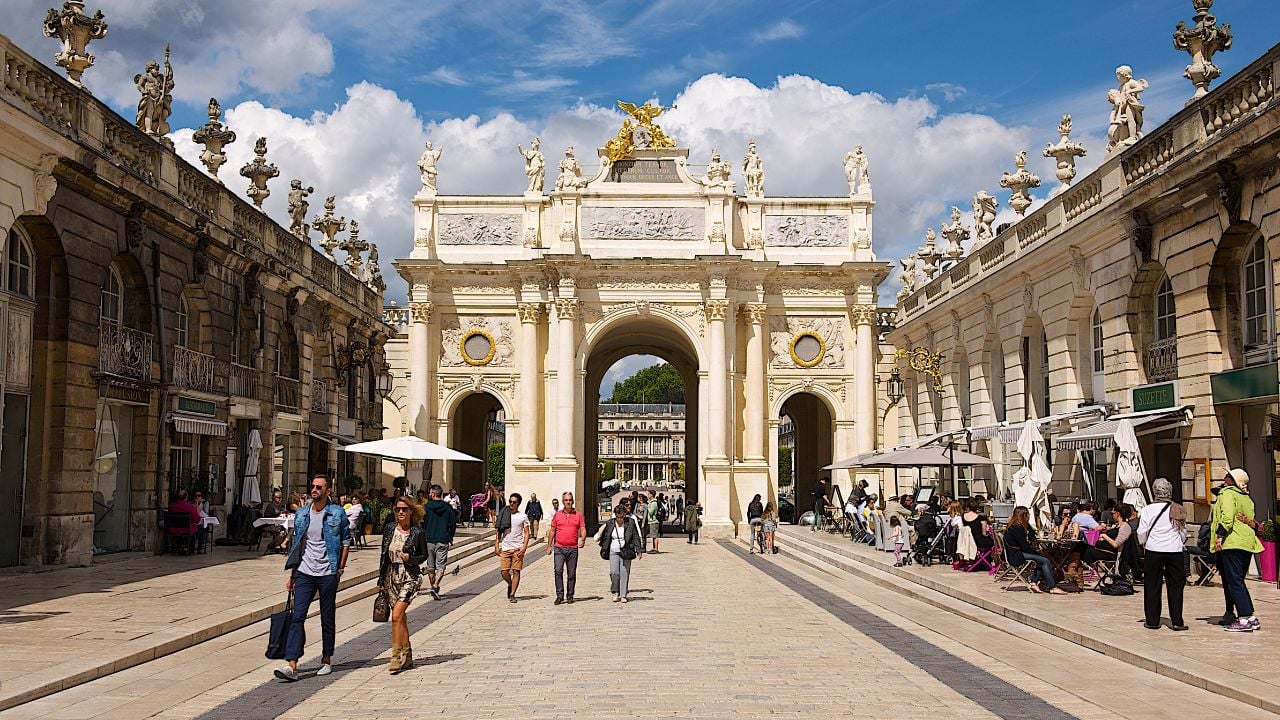
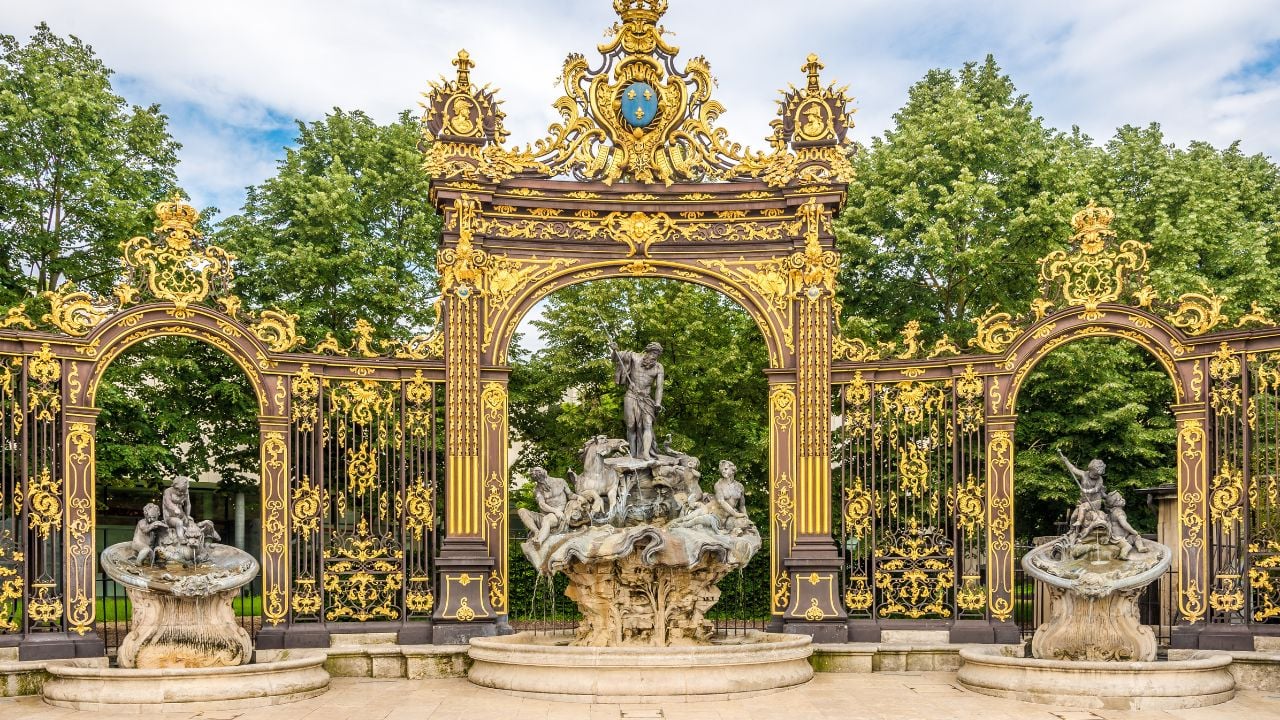
Start at Place Stanislas. There is no need to be clever about it. The square is the reason many people come to Nancy in the first place, with pale stone buildings, gilded gates, fountains, open space, and cafés close enough that you can sit down before the whole thing starts feeling too formal.
Destination Nancy lists Place Stanislas and its UNESCO ensemble, Parc de la Pépinière, the Museum-Aquarium, Nancy Thermal, Villa Majorelle, the Nancy School Museum, and the Jean-Marie Pelt Botanical Garden among the city’s essential stops. That sounds like a lot, but Nancy is better when you do not try to swallow it all in one day.
Use the square first, then cross into Parc de la Pépinière when you want the trip to soften. The park sits close to Place Stanislas and gives you trees, paths, benches, open lawns, and families moving at a completely different speed from the grand square next door. A few minutes on foot can take you from gold gates to shade.
Art Nouveau gives Nancy another personality. Villa Majorelle is not just another “nice house” on a travel list. The Nancy School Museum says it was designed by Henri Sauvage and built around 1901-1902 for Louis Majorelle, and calls it an emblematic house of Nancy’s Art Nouveau style.
If you like details, this is where Nancy slows you down in a different way. Look at the curves, the wood, the glass, the floral shapes, and the feeling that someone cared about every corner of the house. After that, go back toward the center, get something sweet, and sit in Place Stanislas again when the light changes. It is not a bad thing to visit the same square twice in one day when the square looks like that.
4. Bregenz, Austria
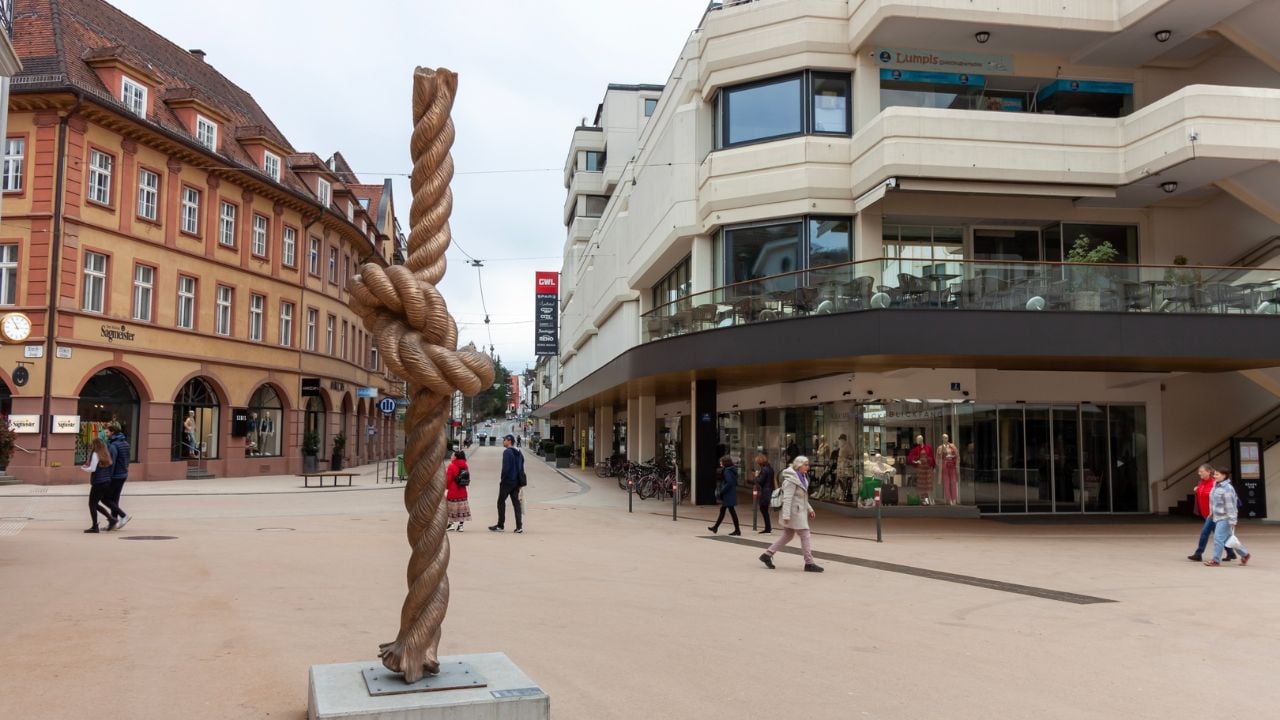
In Bregenz, go to the lake first. Walk along Lake Constance, watch the boats, look across the water, and let the mountains sit in the background without turning the morning into a photo hunt. The city is small enough to feel calm, but the lake makes it feel much wider than it is.
Pfänder is the obvious next move when you want the view from above. The Pfänderbahn describes the mountain as the region’s famous lookout point, with a panorama of Lake Constance and 240 Alpine peaks across Austria, Germany, and Switzerland. You can go up for the view, walk a little, and come back down without pretending you planned a serious mountain day.
That is the good thing about Bregenz. The lake and the mountain sit close enough that the day can change quickly. One hour you are by the water, the next you are above it, looking down at the shoreline and across to other countries. It gives a quiet trip a proper sense of scale.
Then there is the festival stage, which is honestly a strange and brilliant thing to find in such a calm lakeside setting. The Bregenz Festival Stage sits on the shores of Lake Constance and becomes the setting for large opera productions each summer, with major stage designs built directly beside the water.
You do not have to attend a performance for the idea to stay with you. A city with lake walks, mountain views, modern museums, and a floating opera stage is not boring. Keep the day easy: water first, Pfänder when the sky is clear, then the harbor or Kunsthaus Bregenz when you want culture without another big journey.
5. Gijón, Spain
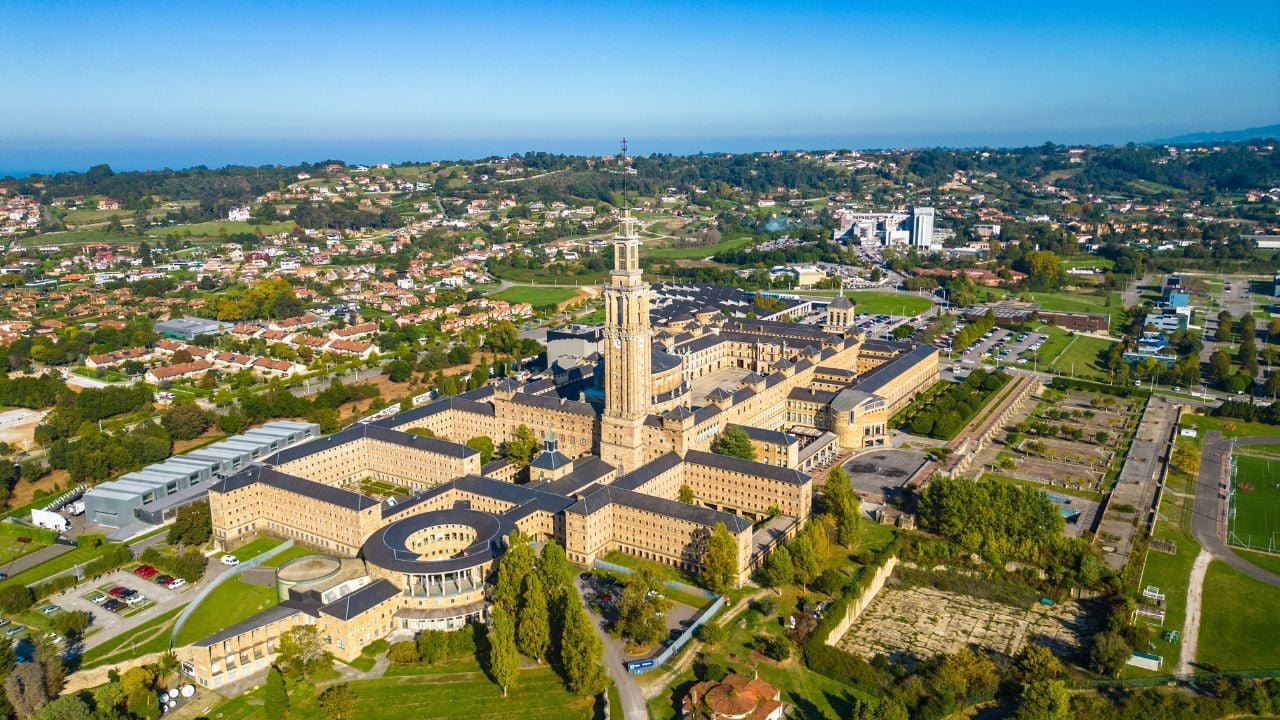
Gijón is not a polished Mediterranean beach town, and that is a big part of the appeal. Start in Cimadevilla, the old fishing neighborhood, where the streets sit between the marina, the city, and the hill above the sea. There is cider, stone, wind, bars, old corners, and the feeling that the coast here still has a rougher northern edge.
Spain’s official tourism site says Gijón’s old quarter includes Santa Catalina Hill and the fishing neighborhood of Cimadevilla, and that the first settlers established themselves on the hill. That makes the first walk easy to choose: start low in the old quarter, then climb toward the grass and the sea views.
At the top, Eduardo Chillida’s “Elogio del Horizonte” stands on Santa Catalina Hill like a giant concrete frame for the weather. The view stretches over the Cantabrian Sea, the Costa Verde, and Cimadevilla, according to Spain.info. Stand there for a few minutes and the city becomes easier to read: old quarter below, water in front, beach and harbor close by.
After that, come back down and let Gijón be practical again. Find a cider house, walk toward the marina, or follow the seafront to San Lorenzo Beach when you want sand instead of stone. Asturias tourism describes San Lorenzo as a large shell-shaped urban sandy area of almost two kilometers, which turns the seafront promenade into one of the city’s easiest pleasures.
Gijón also has enough indoor stops for a slow-weather day. Spain.info lists Laboral City of Culture, the Museum of the People of Asturias, Campo Valdés Roman Baths, the Railway Museum, Revillagigedo Palace, the aquarium, and the Atlantic Botanical Garden among the city’s attractions. Pick one or two, not all of them. The best Gijón trip still leaves time for cider, sea air, and a walk back through Cimadevilla before dinner.