Picture this: a massive semi-truck barrels down the highway next to you, its company name splashed across the side in bold letters. Looks legit, right? Well, that name might have been completely different six months ago, and the company might have changed it specifically so nobody could look up its dismal safety record.
This is the quiet, dangerous world of so-called “chameleon carriers,” trucking companies that swap names, Department of Transportation tracking numbers, and corporate identities the way most people swap phone cases. It is a practice that has been going on for years, and regulators are only now getting serious tools to fight it.
Long-haul trucking is not a niche industry. It is the backbone of the American economy, responsible for moving 71% of all goods transported across the country each year. That means the food on your grocery store shelf, the furniture in your living room, and the packages on your doorstep almost certainly spent time on a big rig. When those rigs are operated by companies cutting corners on safety, the stakes could not be higher.
For the first time in roughly 30 years, federal regulators are launching a brand-new registration system designed specifically to catch bad actors before they can wriggle out of accountability again. The system is called MODUS, and trucking safety advocates are cautiously optimistic it could change things for the better.
What Exactly Is a Chameleon Carrier?
The term sounds like something out of a wildlife documentary, but chameleon carriers are very real — and very dangerous. When a trucking company racks up enough safety violations, crashes, and regulatory penalties, consequences start to pile up. Insurance brokers refuse to cover them. Load brokers stop sending them cargo. Their safety scores tank publicly.
So what do some of these companies do? They close up shop, create a new entity under a fresh name, grab a new DOT number, and hit the road again as if none of that checkered history ever happened.
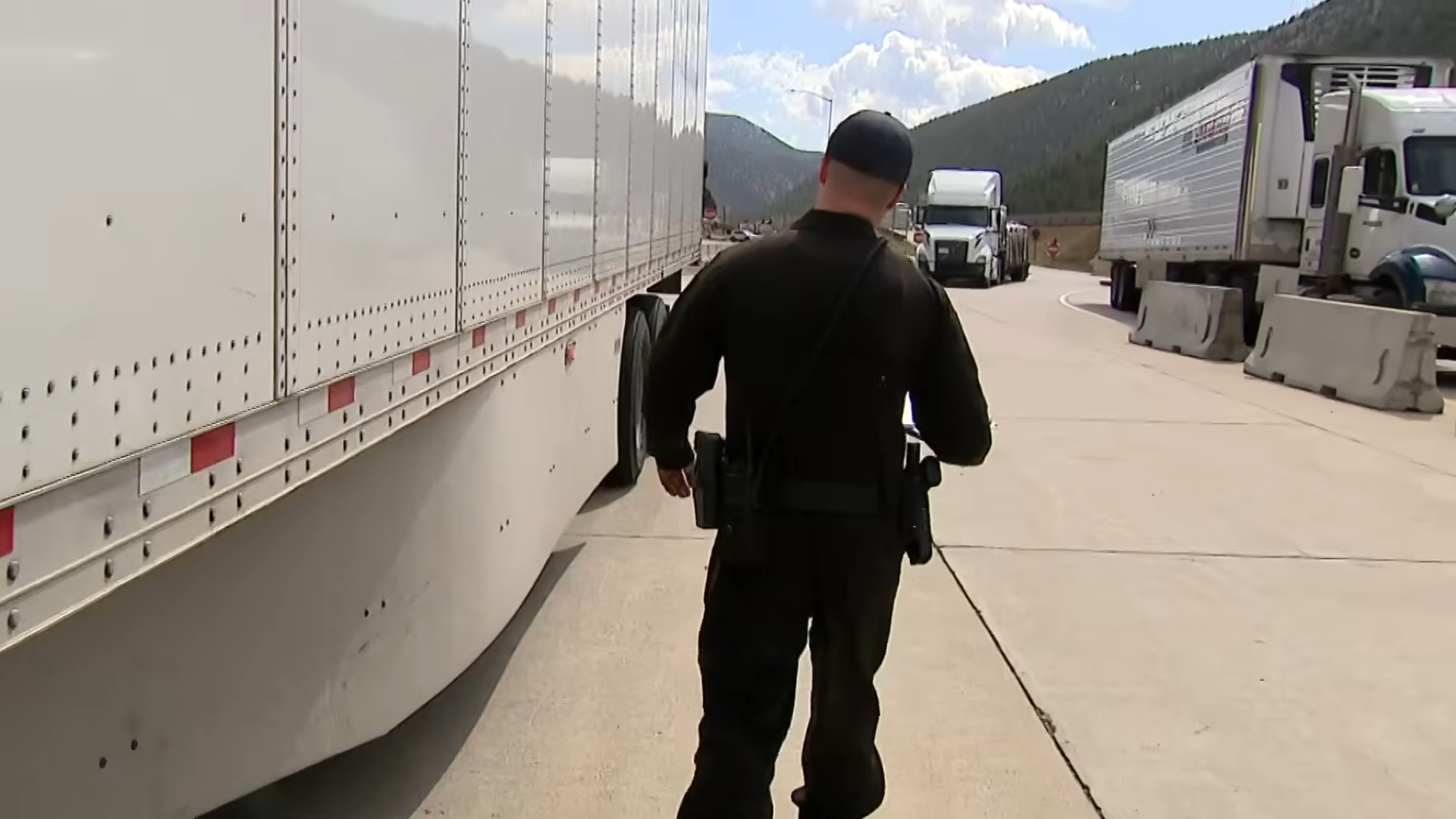
Colorado State Trooper Joshua Alsop, who runs the Motor Carrier Safety Unit along I-70 in the mountains, described a related twist: fake shell companies created for the sole purpose of absorbing bad inspections. Real carriers with poor records reportedly pay to use a clean DOT number belonging to a dummy company, so that when a roadside inspector logs a violation, it lands on the fake company instead of the real one. It is regulatory laundering, basically.
Real Crashes, Real Consequences
This is not abstract regulatory bureaucracy. There are real crashes attached to these practices.
A deadly collision on Highway 285 near Conifer, Colorado in June 2024 involved a flatbed truck whose driver held a Mexican license but had never obtained a U.S. or commercial driver’s license. More recently, a semi crashed into a Denver Kwik Trip, crushing another vehicle. The name on the side of that truck was CDS Transport — but investigators found the company had previously operated as American Demolition, a carrier linked to a serious crash that left another person paralyzed.
The through-line in both cases is accountability gaps. When companies can reinvent themselves overnight, the paper trail that should protect the public gets scrambled.
What MODUS Changes… and Why the Old System Failed
Part of the problem has been embarrassingly basic: the government’s own registration systems do not talk to each other properly. Ken Riddle, Director of Registration for the Federal Motor Carrier Safety Administration, admitted that a single DOT number could show different statuses in different internal databases simultaneously. That kind of inconsistency is exactly the kind of crack that bad actors slip through.
MODUS is designed to close those cracks by improving data integrity and giving regulators better tools to flag suspicious registration activity — like a company that suddenly pops up with suspiciously similar ownership, addresses, or equipment to a recently shuttered carrier with a terrible safety record.
What We Can Learn From All of This
The chameleon carrier problem is really a story about what happens when enforcement infrastructure does not keep pace with the industry it is supposed to regulate. With more than 2 million trucks now registered with the U.S. Department of Transportation, the sheer scale of the task is daunting — and manual roadside inspections can only catch so much.
The lesson here is that transparency and data connectivity matter as much as the regulations themselves. A rule is only as good as the system built to enforce it. For drivers sharing the road with these massive vehicles every single day, that is not a bureaucratic footnote — it is a matter of life and death. Tighter registration, better cross-referenced databases, and continued roadside enforcement are the combination that could actually move the needle. MODUS will not solve everything overnight, but getting the federal government’s own systems to agree on basic facts is, at minimum, a reasonable place to start.