The used Japanese performance-car market usually circles the same names. Mazda MX-5 Miata, Toyota Supra, Nissan 350Z, Honda S2000, Acura Integra Type R, Subaru WRX STI, and Mitsubishi Lancer Evolution all have clear followings, and most buyers already know why they matter.
The better hunting often starts just outside that group. Some cars missed the spotlight because they were difficult to classify. Some had automatic transmissions, unusual engines, awkward market timing, or badges that did not carry the same tuner-scene weight.
Those gaps can make them more interesting now. A buyer willing to look past the obvious search terms can still find Japanese cars with real mechanical character: a rotary-powered Mazda, a mid-engine Toyota, a clever front-drive Honda, an odd Subaru grand tourer, and a luxury coupe with serious twin-turbo power.
None of these is a perfect used-car answer. Each one has a reason shoppers hesitate. The point is not that they are safer than the obvious choices, but that they offer a different kind of appeal for buyers who want something more personal than the usual shortlist.
Where the Best Overlooked Performance Cars Still Hide

This selection focuses on Japanese sports cars, sport coupes, and enthusiast-leaning grand tourers that were sold in the U.S. market and can still be found used today. Each model needed a real enthusiast argument, not just a sporty badge or a nostalgic name.
The obvious cars were left out on purpose. A Miata, Supra, S2000, 350Z, Integra Type R, WRX STI, or Lancer Evolution does not need much explaining at this point. The cars below live in the less crowded part of the market.
Performance mattered, but layout, steering feel, engine character, manual-transmission availability, design, and ownership reputation mattered too. A car could still make the list if it was not a pure sports car, as long as it brought something unusual and genuinely appealing to the used market.
The caveats are part of the story. The RX-8 needs rotary-specific care. The MR2 Spyder gives up cargo space. The Prelude Type SH has front-wheel drive and aging Honda-specific tech. The SVX is automatic-only. The Q60 Red Sport 400 is more luxury coupe than raw sports car. Those flaws are also why many buyers still overlook them.
Mazda RX-8
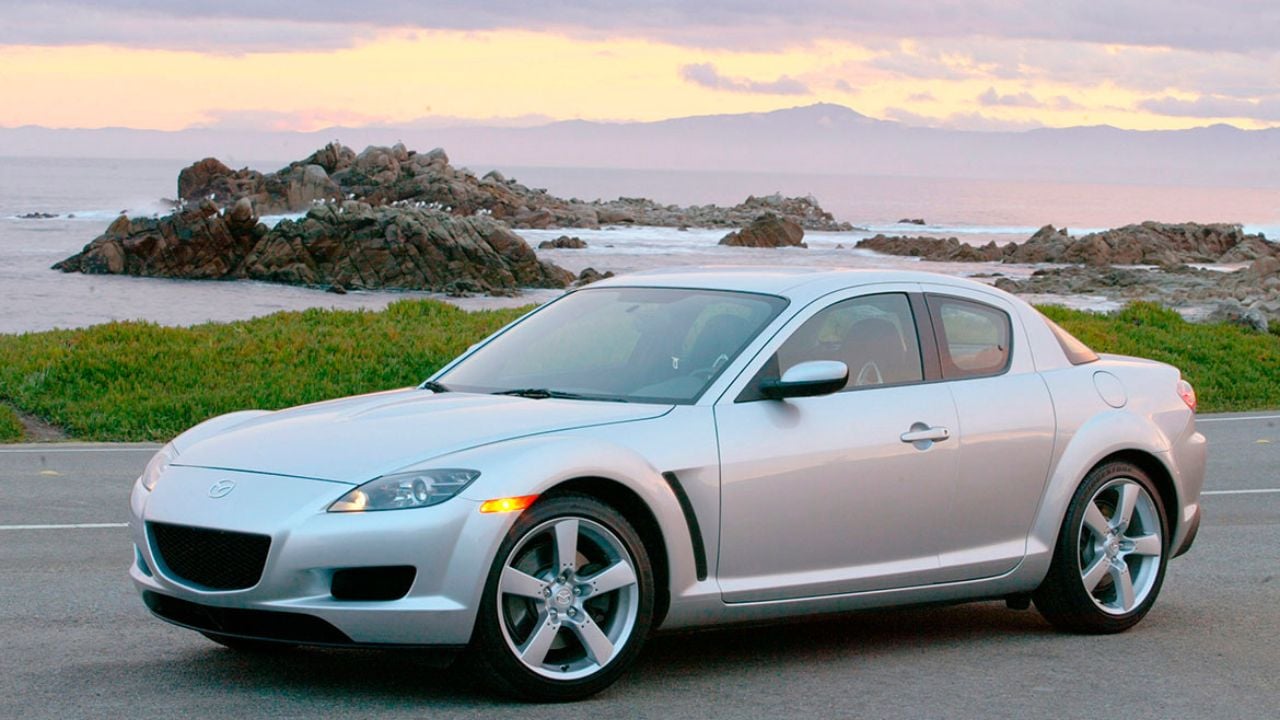
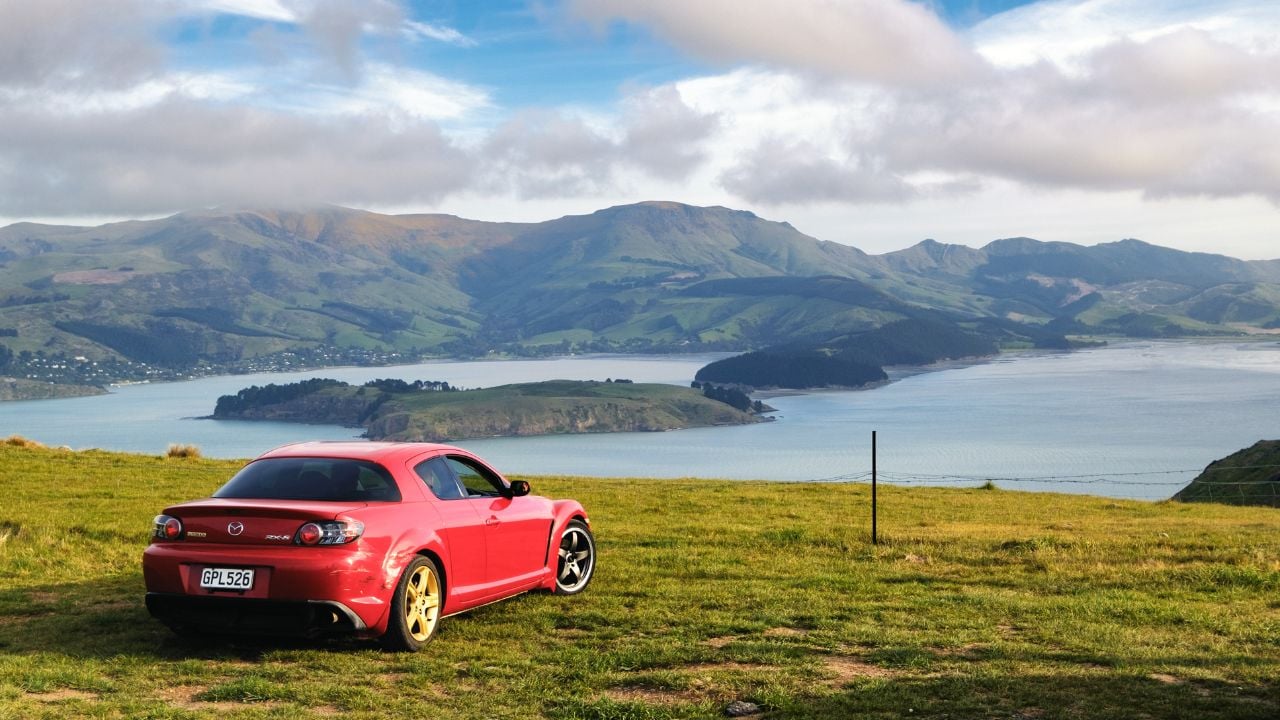
The Mazda RX-8 is one of the easiest overlooked picks to defend. It has a front-mid-engine layout, rear-wheel drive, available 6-speed manual transmission, sharp steering, usable rear-hinged rear doors, and a rotary engine that gives it a personality almost nothing else in the used market can copy.
Mazda’s 2011 specification sheet listed the manual RX-8 at 232 hp at 8,500 rpm, 159 lb-ft of torque at 5,500 rpm, and a 9,000-rpm redline. The automatic version made less power, so the manual car is the one most enthusiasts chase.
The RX-8 is not a torque car. It needs revs, a healthy engine, and a driver who understands that the rotary rewards commitment rather than lazy throttle use. On the right road, the balance and steering still make it feel more special than many newer used coupes.
The hesitation is justified. Buyers need compression-test results, maintenance records, healthy ignition coils, clean hot-start behavior, oil-consumption awareness, and a catalytic converter that has not been damaged by neglect. A cheap RX-8 with poor history can become expensive fast, but a healthy manual car remains one of the most interesting used Japanese sports cars shoppers still skip.
Toyota MR2 Spyder
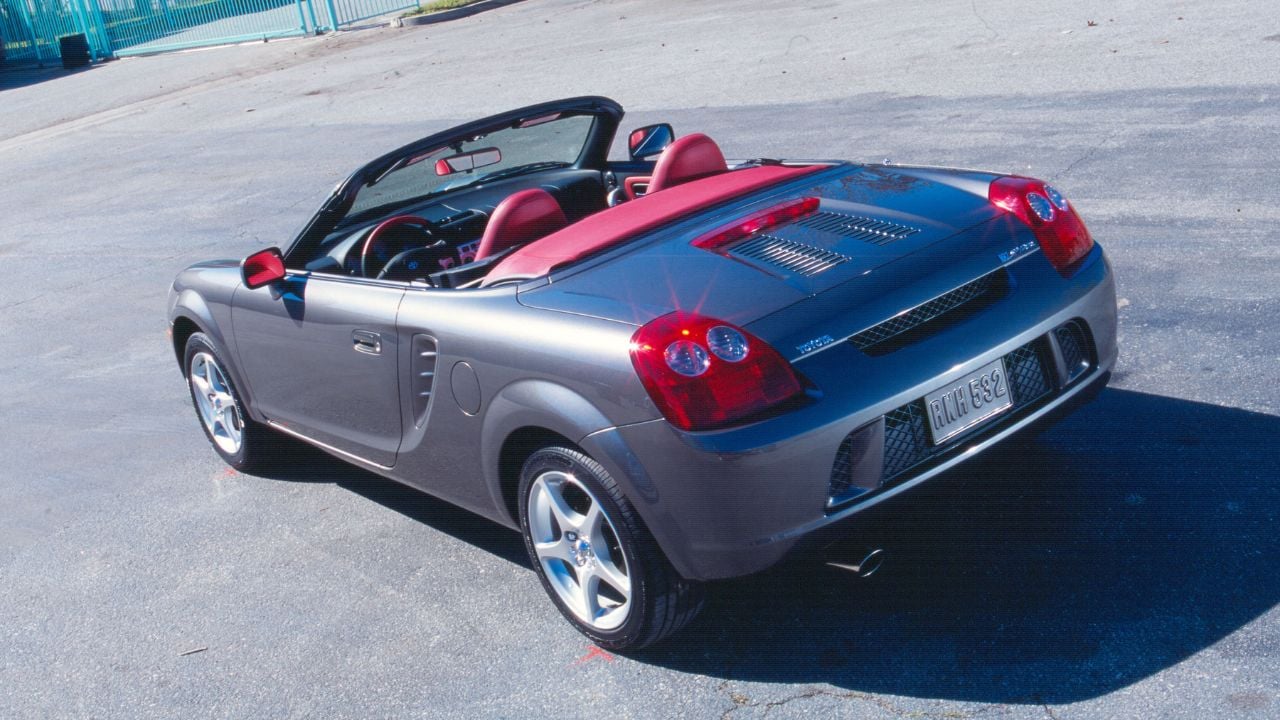
The Toyota MR2 Spyder is the car many buyers forget when they talk about affordable mid-engine driving. It never had the power of a Porsche Boxster, the tuner fame of a Supra, or the cargo space of a normal roadster, so it slipped into a narrow corner of the market.
Period Toyota brochure data listed the 2005 MR2 Spyder with a mid-engine, rear-wheel-drive layout, a 1.8-liter DOHC 16-valve four-cylinder, 138 hp, and a 5-speed manual transmission. Toyota also offered a 6-speed sequential manual transmission, but the conventional manual is the cleaner enthusiast choice.
The numbers look modest until the road gets tight. The MR2 Spyder is light, small, and balanced, with the engine placed behind the seats and a removable roof panel overhead. It does not need huge power to feel alert.
The compromise is practicality. Cargo space is limited, the cabin is simple, and shoppers need to watch for neglected cars, poor modifications, oil-consumption issues, and old soft-top problems. A good MR2 Spyder gives used buyers mid-engine feel without exotic maintenance costs, which is exactly why it deserves more attention.
Honda Prelude Type SH
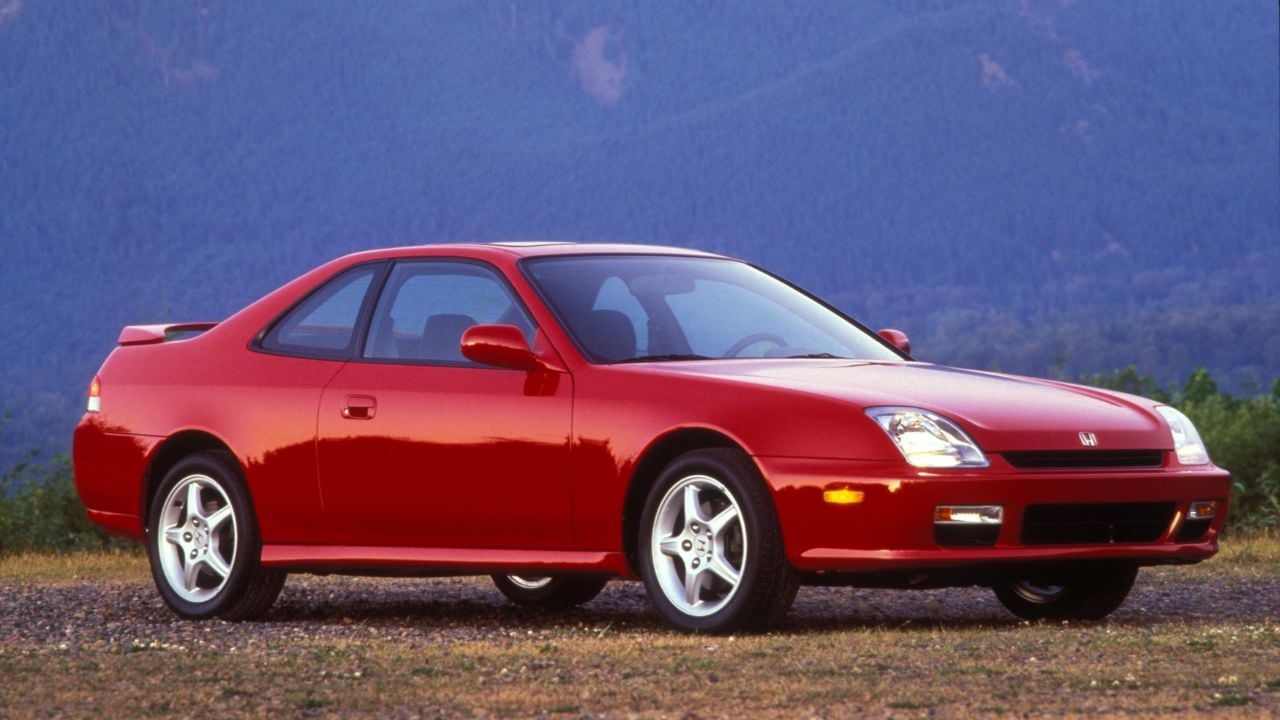
The fifth-generation Honda Prelude Type SH arrived before Honda’s modern performance nostalgia machine really took hold. It lived in the shadow of the Integra Type R, Civic Si, and S2000, even though it had its own clear engineering story.
Honda listed the 2001 Prelude Type SH with a 2.2-liter DOHC VTEC four-cylinder producing 200 hp, a 5-speed manual transmission, and Active Torque Transfer System. The Type SH was manual-only, which gives it a cleaner enthusiast identity than many front-drive coupes from the same era.
The important part is ATTS. Honda used the system to send torque in a way that helped the front-drive Prelude rotate more confidently through corners. It did not turn the car into a rear-drive coupe, but it gave the Type SH a more interesting cornering character than the basic spec sheet suggests.
The Prelude is easy to underrate because it looks restrained and does not chase huge numbers. A good one gives the driver a willing VTEC engine, precise controls, solid road manners, and a more mature cabin than many tuner-era Hondas. Buyers should still check for rust, timing-belt history, oil leaks, worn suspension, and ATTS-related warning lights before getting excited.
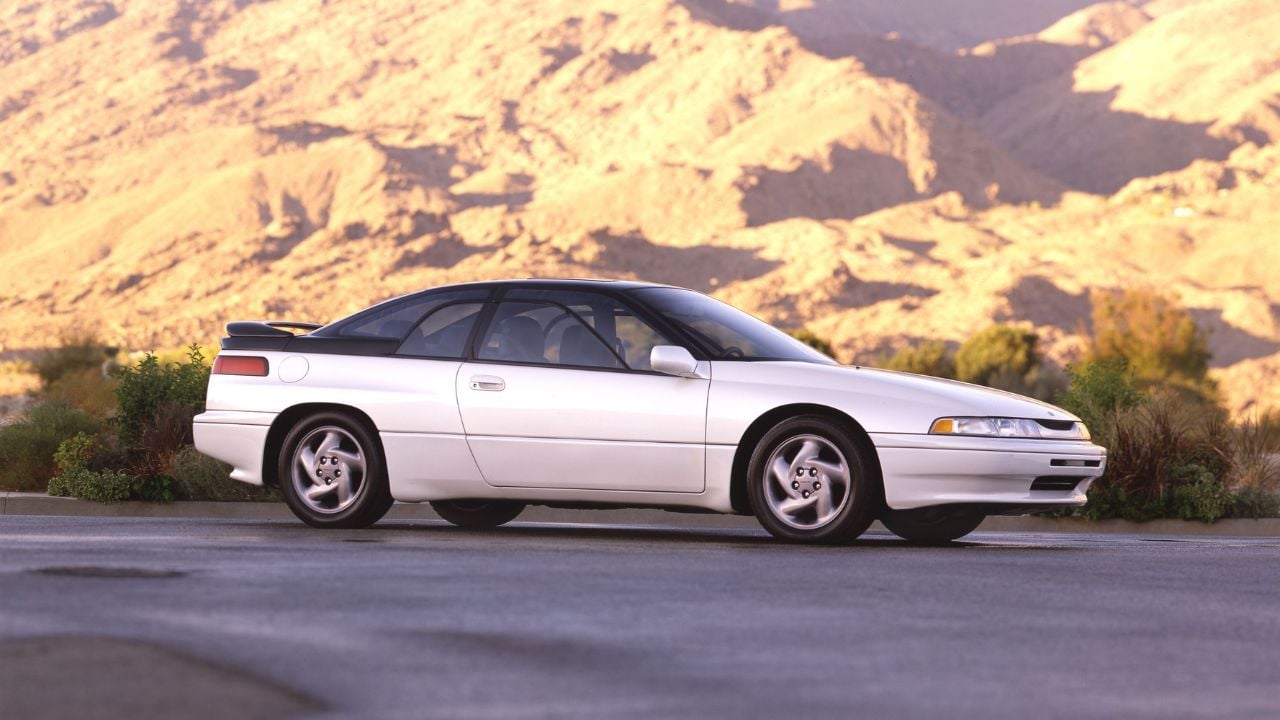
Subaru SVX
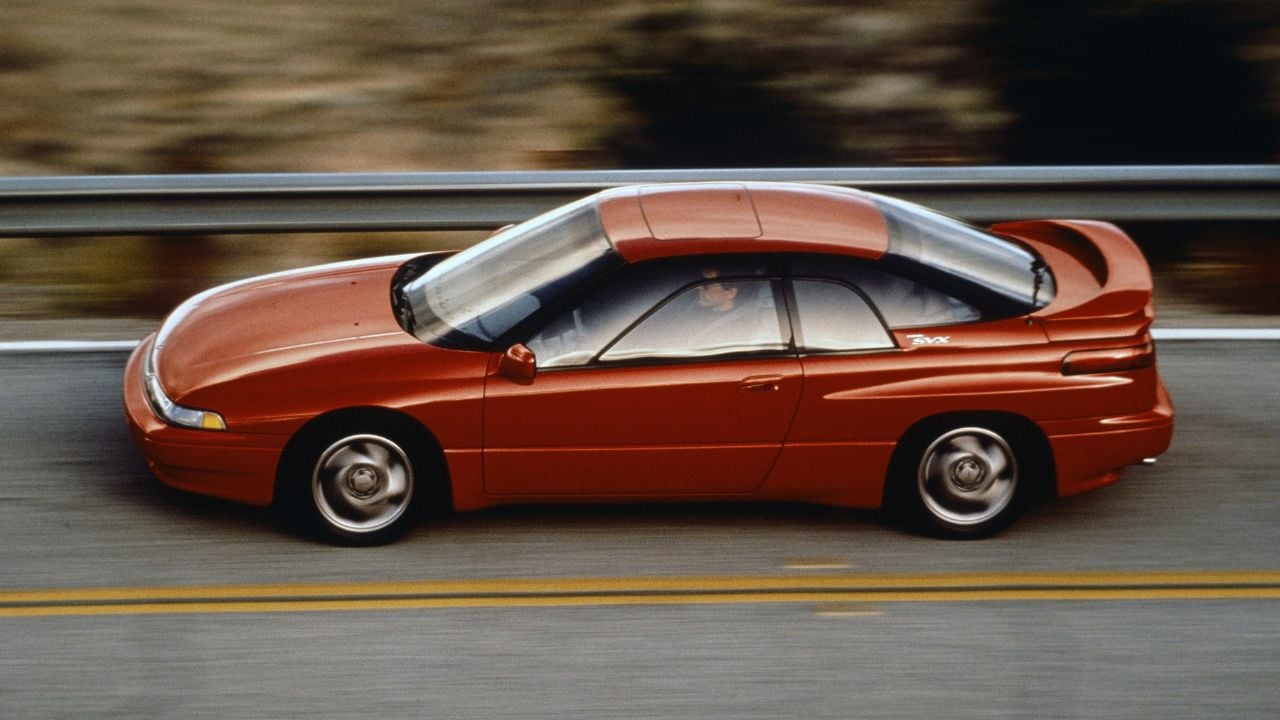
The Subaru SVX is not a traditional sports car, and the article needs to treat it honestly. It is a Japanese grand-touring coupe with all-wheel drive, a flat-six engine, four seats, and dramatic side glass designed by Giorgetto Giugiaro’s Italdesign.
Edmunds lists the 1997 SVX with a 3.3-liter flat-six producing 230 hp and 228 lb-ft of torque, paired with all-wheel drive and a 4-speed automatic transmission. Hagerty’s overview also describes the SVX as using a 3.3-liter DOHC six-cylinder with 230 hp and 228 lb-ft sent through a 4-speed automatic to a viscous AWD system.
The automatic transmission is the main reason many enthusiasts stop reading. The SVX is not a lightweight manual sports car, and it does not pretend to be one. Its appeal is smoother and stranger: long-distance comfort, flat-six character, unusual glass, Subaru all-wheel drive, and styling that still looks unlike anything else in a parking lot.
Used buyers need to be realistic. Transmission condition, cooling-system health, parts availability, electrical issues, and neglected maintenance matter more than the low purchase price. A sorted SVX is for someone who wants an unusual Japanese GT, not someone shopping for a track-day toy.
Infiniti Q60 Red Sport 400
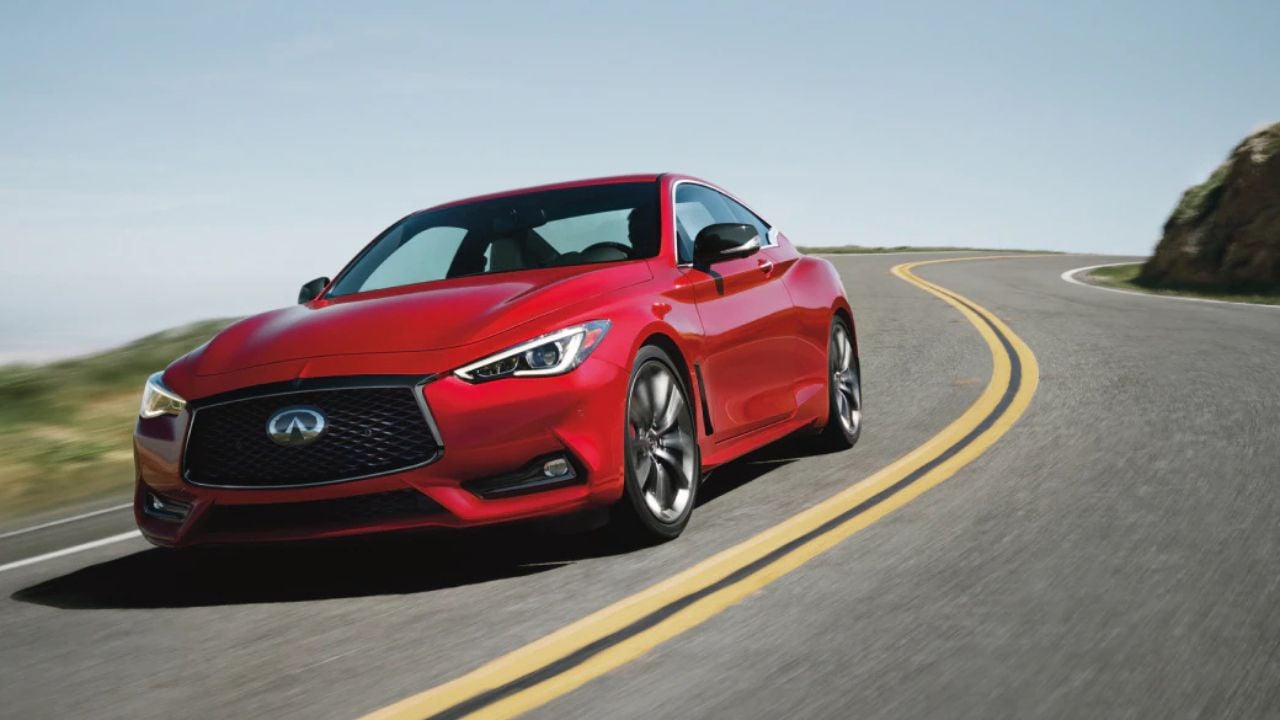
The Infiniti Q60 Red Sport 400 is more of a luxury performance coupe than a pure sports car, but that is why used buyers often overlook it. It does not have a manual transmission, a famous motorsport name, or the same enthusiast reputation as Nissan’s Z cars.
Infiniti lists the discontinued Q60 Red Sport 400 with a 3.0-liter twin-turbo V6 producing up to 400 hp and 350 lb-ft of torque. The same official page lists a 7-speed automatic transmission, rear-wheel drive or Intelligent AWD, a 4.5-second 0-to-60 mph time, and a 155 mph top speed.
The Q60’s appeal is easy to miss because it sits between categories. It is not raw enough for buyers who want an old-school sports car, and it was not prestigious enough to pull many shoppers away from German luxury coupes when new.
That gap makes it more interesting used. A clean Red Sport 400 gives buyers strong straight-line performance, a handsome two-door body, real daily comfort, and Nissan VR30DDTT power without choosing the obvious Z-car route. Shoppers should pay close attention to service history, cooling issues, turbocharger health, tires, brakes, and whether the car has been poorly modified.
Why the Forgotten Cars Often Feel More Interesting
The most popular used Japanese performance cars earned their reputations. A Miata, Supra, S2000, 350Z, Integra Type R, WRX STI, or Lancer Evolution has a clear identity, a large audience, and plenty of buyer demand.
The cars here ask for a more specific buyer. The RX-8 needs someone who understands rotary maintenance. The MR2 Spyder needs someone who values mid-engine balance more than cargo space. The Prelude Type SH needs someone who appreciates Honda’s front-drive engineering. The SVX needs someone who wants an oddball grand tourer. The Q60 Red Sport 400 needs someone who wants power and comfort without chasing the obvious badge.
That does not make them better choices for everyone. In some cases, the obvious car is obvious for a reason. A Miata is easier to own than an RX-8, and a 350Z has a larger performance aftermarket than an SVX or Prelude.
The overlooked cars still matter because they offer different stories, different problems, and different rewards. For buyers who do their homework, get the right inspection, and accept the trade-offs, the quieter side of the Japanese used market can be more interesting than the cars everyone is already chasing.