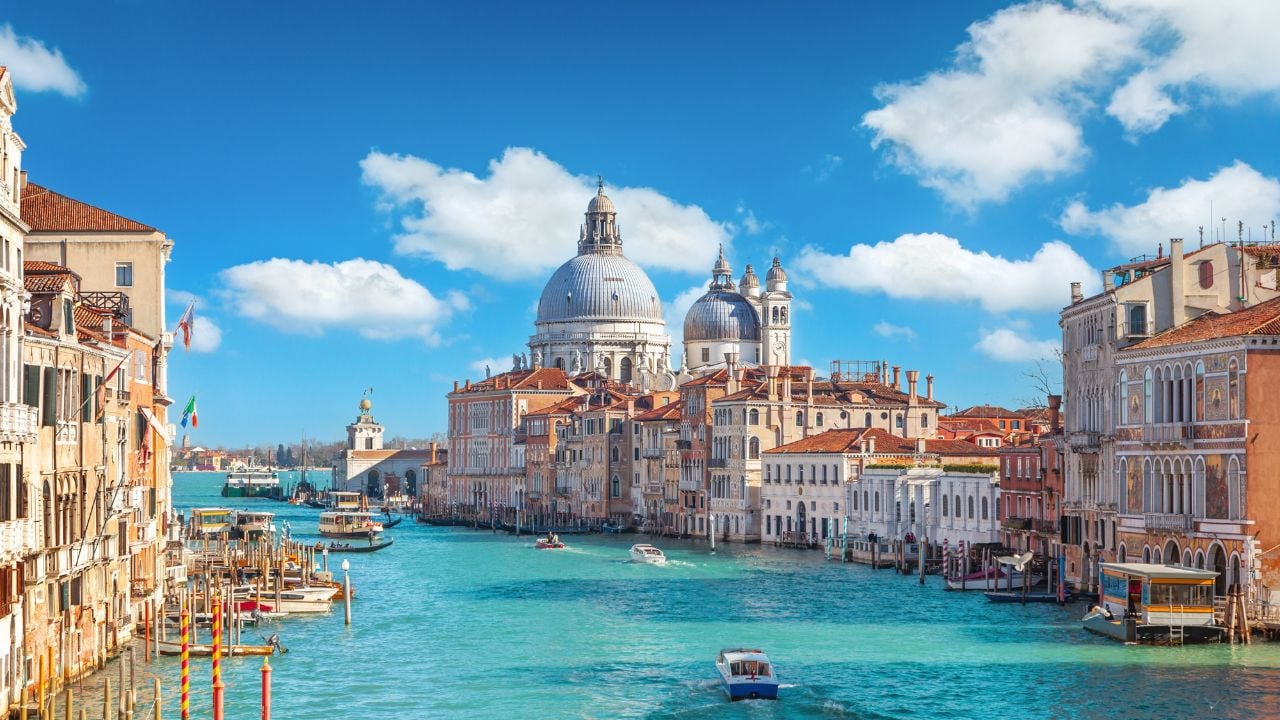
Some famous destinations now require more than a passport, a hotel booking, and a flight. Venice uses access codes on selected day-visit dates. Bali requires a digital arrival card and charges a provincial tourist levy. Machu Picchu tickets are tied to specific circuits and entry times. Galápagos visitors must account for park fees and transit-control paperwork before boarding domestic flights to the islands.
These rules can change the price, route, timing, or legal requirements of a trip. Venice charges €5 or €10 depending on when the access fee is paid. Bali’s foreign tourist levy adds Rp 150,000 per person. Galápagos park entry can add US$200 per foreign adult before flights, boats, guides, or hotels are counted.
The biggest mistake is booking the expensive parts first and checking official requirements afterward. A traveler can buy the wrong Machu Picchu route, arrive in Bali without the required arrival-card QR code, miss a Venice access-fee date, or underestimate the cash and document checks attached to a Galápagos trip.
Before locking in dates, travelers should check the official visitor pages for each destination, save confirmation codes, and keep digital and printed copies of required documents. These five places are still realistic trips, but the planning needs to start with the rules.
1. Venice, Italy
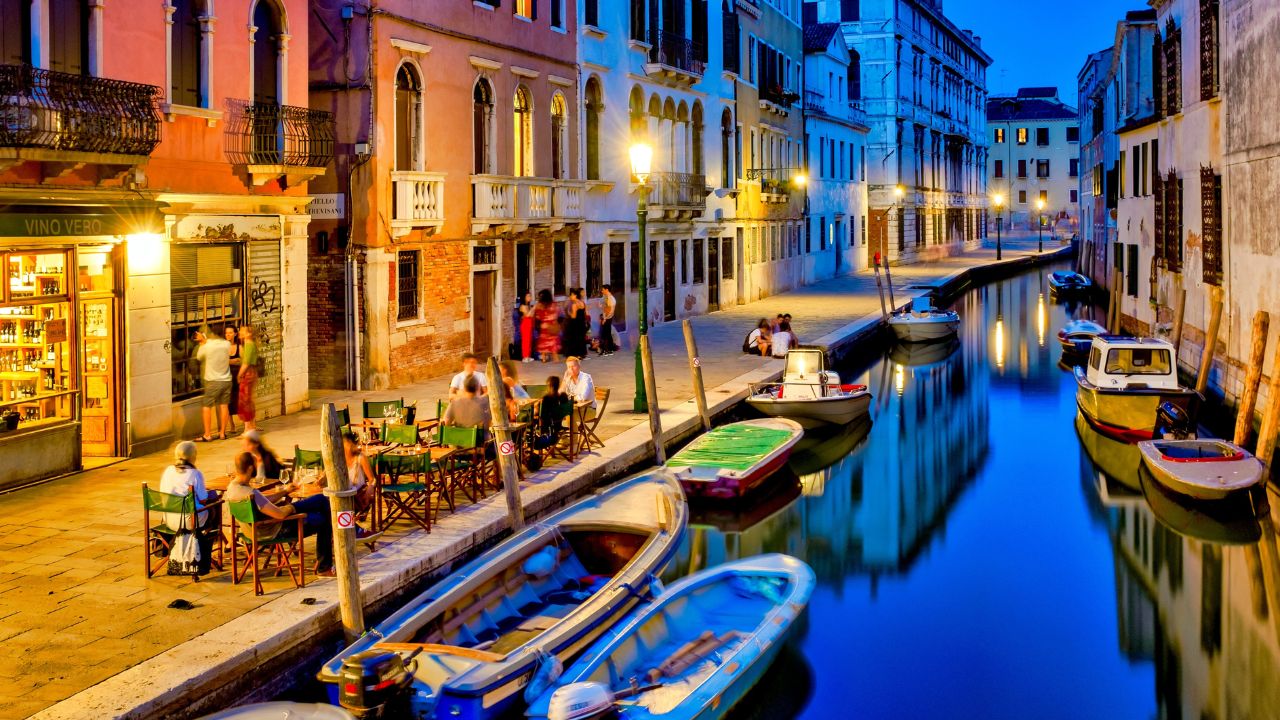
Venice’s 2026 Access Fee starts on April 3 and applies only on dates marked in the city’s official calendar. The fee window generally runs from 8:30 a.m. to 4 p.m. Day visitors entering the Ancient City during those dates and hours may need to pay the fee or confirm an exemption before arrival.
The official access-fee system gives travelers an access code that they must keep with them during the visit. The fee does not apply on white-calendar days, and no payment or exemption is required on those dates. It also does not apply to certain transit areas if the traveler does not enter the Ancient City.
The price depends on timing. Venice lists a €5 daily fee for travelers who pay by the fourth day before entry and a €10 daily fee for later payment. Overnight guests, residents, workers, students, and other exempt groups should still check the official exemption process before travel.
Travelers planning a day trip from Florence, Milan, Verona, or a cruise stop should check the Venice calendar before buying train tickets or setting a port-transfer time. A date that looks simple in an Italy itinerary may require a code before the traveler reaches the historic center.
2. Bali, Indonesia

Bali arrival planning now includes several digital checks before the beach part of the trip begins. Indonesia’s official immigration site says all travelers must submit an arrival card within three days before arriving in Indonesia. Travelers receive a QR code after completing the form.
The arrival card is separate from visa requirements. A traveler may still need visa exemption, visa on arrival, e-VOA, or another visa category depending on nationality and trip length. The arrival card should not be treated as a substitute for the correct visa status.
Bali also charges a foreign tourist levy. The official Love Bali FAQ lists the levy at Rp 150,000 per person. The FAQ says travelers are strongly encouraged to pay online before departure to Bali, and payment proof is sent by email as a levy voucher with a QR code.
That QR voucher can be requested at Bali’s airport, ports, hotels, travel agents, tourist attractions, or other registered endpoints. Travelers booking villas, surf lessons, temple visits, or Nusa Penida transfers should handle the arrival card, visa category, and levy voucher before departure.
3. Machu Picchu, Peru
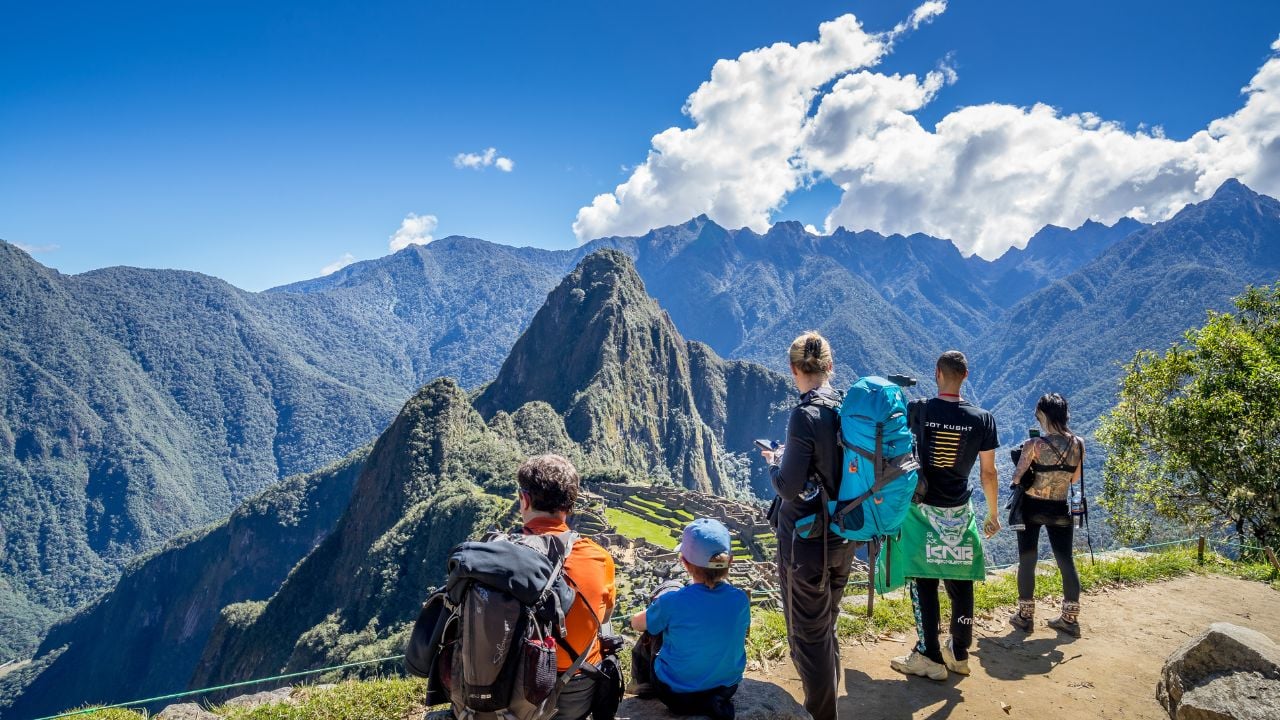
Machu Picchu entry is not a single generic ticket. The official Machu Picchu site says online ticket sales are handled through Peru’s state platform for visits to cultural centers, and travelers are directed to the official ticket platform. The ticket selected controls the date, time, circuit, and route.
The current system uses three circuits grouped into 10 routes. Circuit 1 focuses on panoramic routes, Circuit 2 covers classic Machu Picchu routes, and Circuit 3 includes royal-area and mountain-linked routes such as Waynapicchu. Some routes are available only in high season.
A traveler who buys the first available ticket may not get the viewpoint, path, or citadel section they expected. The upper-terrace postcard view, classic citadel walk, mountain hikes, and seasonal routes are not interchangeable experiences. The route name should be checked before payment.
Train tickets to Aguas Calientes, bus timing, hotel nights in Cusco or the Sacred Valley, and guided-tour arrangements should be built around the Machu Picchu entry window. Passport details, email confirmation, payment status, circuit number, route name, and entry time should be saved before the rest of the itinerary is finalized.
4. Galápagos Islands, Ecuador

The Galápagos Islands add major entry costs before travelers pay for cruises, day boats, inter-island transfers, hotels, or naturalist guides. The Galápagos Governing Council lists the National Park entrance fee at US$200 for international visitors over 12 and US$100 for international visitors under 12. Lower rates apply to visitors from CAN and Mercosur countries, Ecuadorian nationals, residents, seniors, and some other categories.
Visitors also need the Transit Control Card system. The Galápagos Governing Council says the TCT system monitors visitors’ time in the islands and allows travelers to enter their information through an online service before the trip. The form asks for personal information, document details, airline information, lodging or cruise-ship details, and island arrival and departure dates.
Travelers should also prepare for airport checks in Quito or Guayaquil before the flight to Galápagos. Luggage inspection, TCT verification, airline check-in, and domestic security can take longer than a normal mainland connection. A short layover can become a problem if the traveler still has forms, payment, or document checks to complete.
Families should calculate the park fee, TCT cost, domestic flights, boat transfers, and guide fees before comparing Galápagos with a standard island vacation. A trip that looks reasonable at the hotel-search stage can become much more expensive once conservation fees and controlled-entry requirements are added.
5. Amsterdam, Netherlands
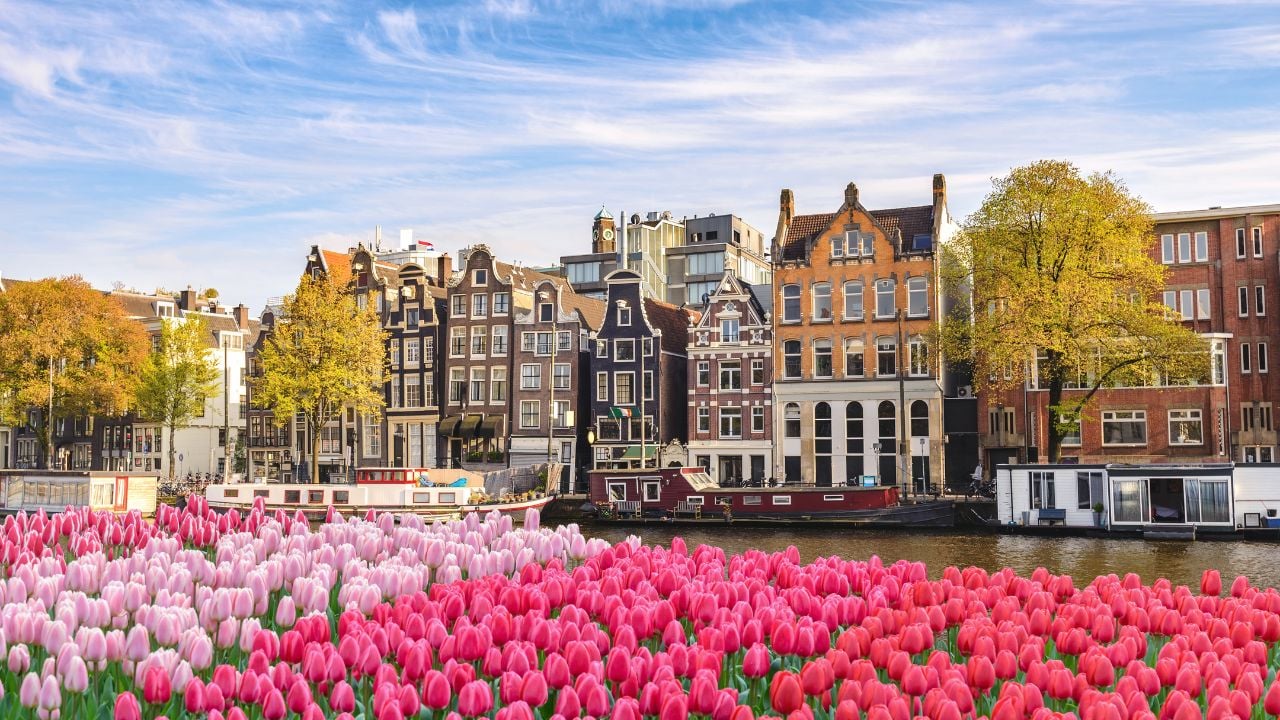
Amsterdam’s city-center rules are stricter than many first-time visitors expect. The city’s official How to Amsterdam guidance says public cannabis smoking is prohibited in the city center and should be kept inside coffeeshops. Public drinking in the city center is also prohibited.
The same guidance tells visitors not to buy from street dealers, because drugs sold on the street can be fake, dangerous, or linked to robbery. It also warns visitors to keep noise down at night, and says nuisance can lead to a fine or arrest. Public urination is not allowed, littering can bring a heavy fine, and taking photos of sex workers is prohibited.
Travelers booking nightlife weekends should treat De Wallen, Dam Square, Damrak, Nieuwmarkt, Leidseplein, Rembrandtplein, and other busy central areas as enforcement zones, not open-air party spaces. Alcohol belongs inside legal venues, cannabis belongs inside coffeeshops, and late-night noise should stay out of residential streets.
Amsterdam still has canals, museums, cafés, bike routes, food markets, bars, and late-night venues. Visitors who plan the trip around those places can avoid the fines, scams, street-dealer risks, and arguments that come with public drinking, public smoking, shouting, littering, or photographing sex workers.