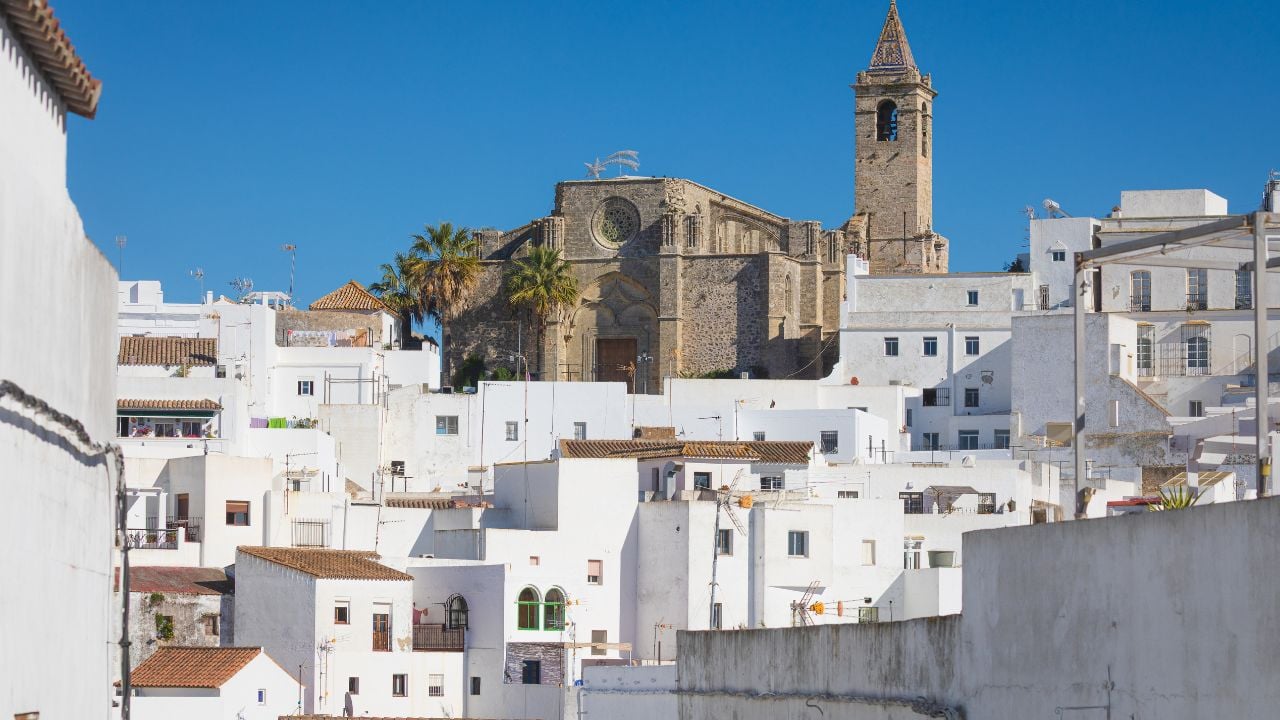
Some trips are better when you stop trying to control every hour. A full schedule can ruin a place that is already giving you enough: a river path, a whitewashed lane, a harbor table, a castle wall, a market square, or a view that makes you slow down without planning to.
These five places are good for that kind of escape. They are not empty, and they are not boring, but they do not need a military-style itinerary either. You can arrive, walk, eat, look around, and let one part of the day lead into the next.
The trick is choosing places with enough texture close together. A town does not need twenty famous attractions if the old streets, waterfront, food, and views are strong enough. A good morning walk and a long lunch can sometimes do more for a trip than three rushed museum stops.
That is the point here. These are places where a lighter schedule can make the visit better, not weaker.
1. Bosa, Sardinia, Italy

Bosa is the kind of Sardinian town that looks good before you even know what you are looking at. Colorful houses climb the hill above the Temo River, the castle sits higher up watching over the town, and the riverfront gives you the easiest place to begin. You do not need to start with a checklist here. Just get near the water and look back at the painted facades.
The Temo is a big part of why Bosa feels different from many other Sardinian towns. Italy’s national tourism site describes it as the only navigable river in Sardinia, and that river setting changes the whole mood of the place. Instead of going straight from old streets to sea views, you get reflections in the water, low riverside buildings, bridges, and a slower approach into the historic quarter.
Walk the opposite bank if you want the classic view. From there, Bosa opens up in layers: river first, then pastel houses, then the castle above them. It is one of those simple views that does not need much explanation. You stop, take a photo, then probably take the same photo again because the colors keep pulling you back.
The Sas Conzas district adds another piece to the walk. Italia.it says the old tannery buildings along the river were used for leather processing from the 18th century until the 1960s and were declared a national monument in 1989. Today, they give the riverfront a rougher historic edge, so Bosa is not only pretty houses and a castle. It has old work buildings, stone, water, and real town history sitting in the same frame.
After that, the day can stay simple. Climb into the old lanes, stop for coffee, wander toward the castle if the heat is not too much, then come back down for dinner. Bosa rewards time more than effort, which is exactly why it suits a slower trip.
2. Kuldīga, Latvia
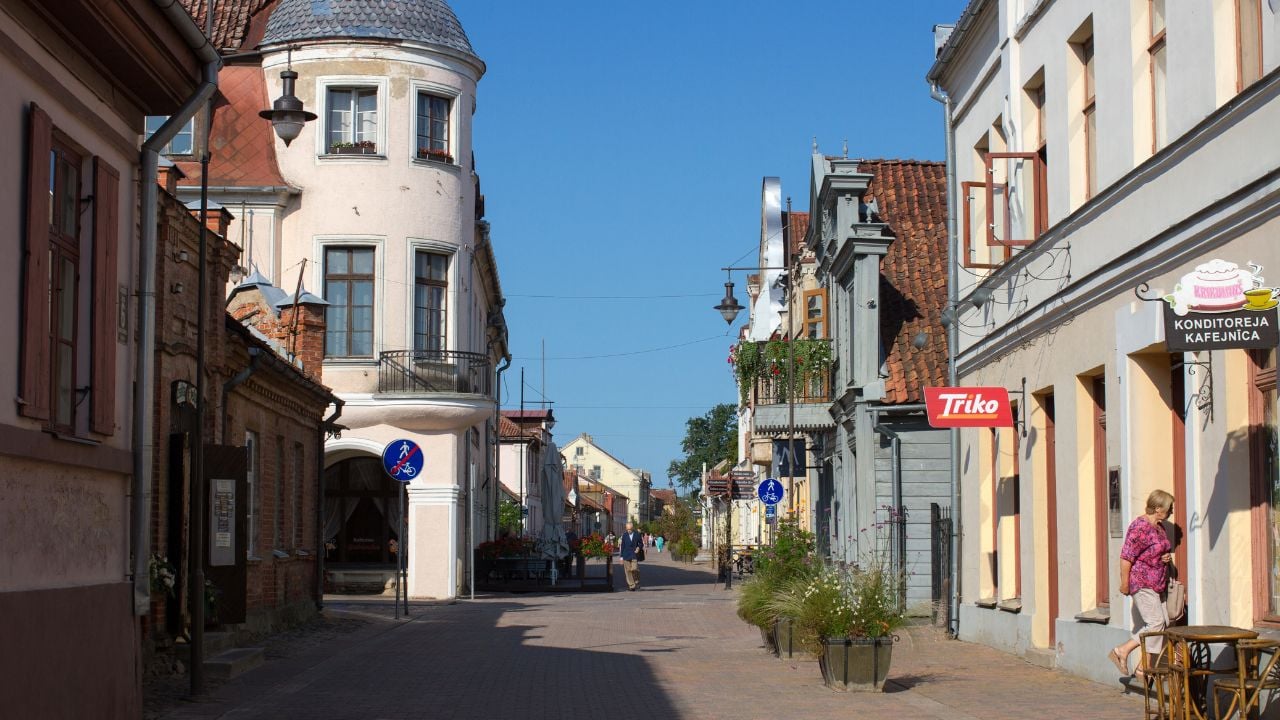
Kuldīga is not a place that needs to impress you with height, noise, or size. Its old center works in a quieter way: low buildings, brick, wooden details, calm streets, and the kind of corners where you keep walking just to see what is around the next bend.
UNESCO describes the old town as an exceptionally well-preserved traditional urban settlement in western Latvia, with roots reaching back to the 13th century. That sounds formal, but on the ground it means something simple: Kuldīga still has the scale of an old town that people can actually walk through slowly.
The Venta River gives the visit its main outdoor moment. Walk toward Venta Rapid, and the town starts to open up around the water. The waterfall is not dramatic in the mountain-postcard way. It is wide, low, and strange in a good way, stretching across the river instead of dropping from a great height.
Visit Kuldīga says Venta Rapid measures 249 meters across, with the width changing depending on water levels. It is also a protected natural monument and part of the Ventas Valley Nature Reserve. In spring, this is the place where visitors may see fish trying to leap over the rapid as they move upstream.
That is the kind of sight that fits Kuldīga perfectly. You do not stand there for adrenaline. You stand there because the river, the old bridge, the town, and the sound of the water make the day feel slower in the best possible way. After that, walk back through the center and let lunch happen when it happens.
3. Vejer de la Frontera, Spain
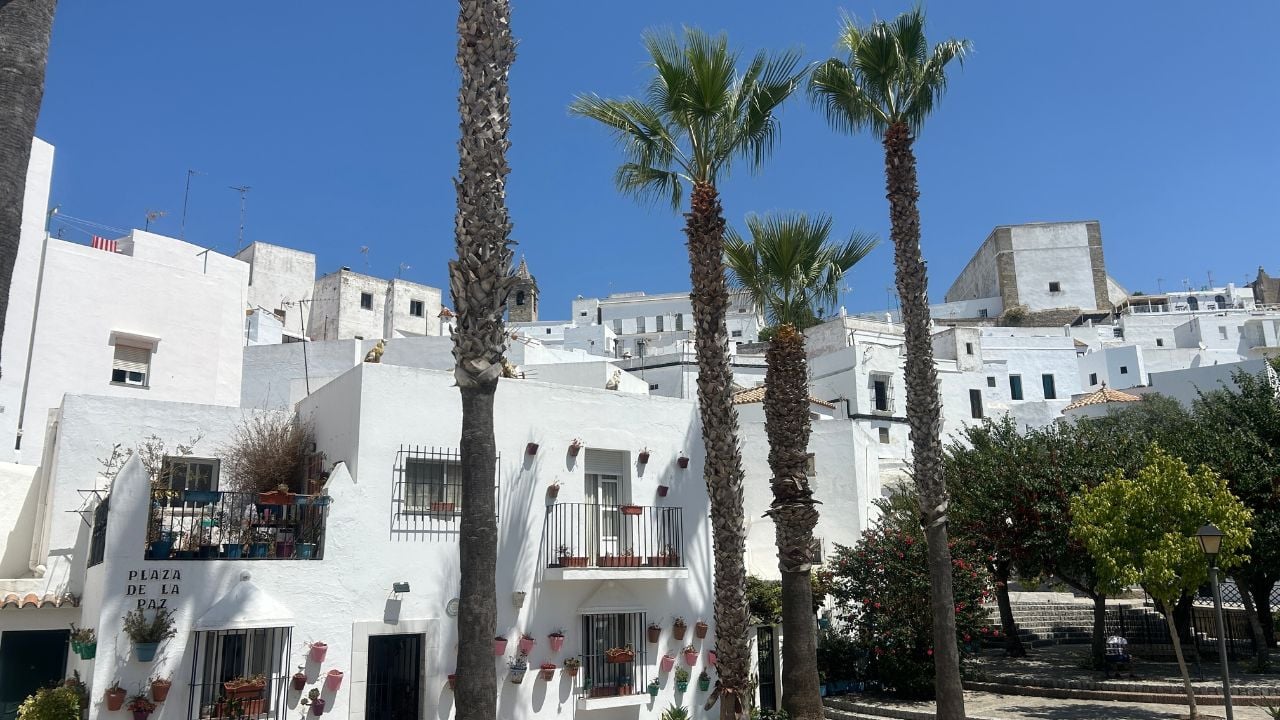
Vejer de la Frontera is white walls, narrow turns, bright sun, and sudden views. It sits on a hill in Cádiz province, a few kilometers from the coast, so even a normal walk through town can turn into a lookout point without much warning.
Spain’s official tourism site says Vejer was declared a Historic-Artistic Site in 1976 and highlights its Arab-Andalusian popular architecture. You see that in the whitewashed houses, winding streets, walled enclosure, old castle, Jewish quarter, and Segur Arch. But this is not a place to rush from one named stop to another. The streets themselves are the point.
The best way to use Vejer is to let the old town slow you down. Turn into a shaded lane, pass a white wall covered with pots, step into a small square, then find a terrace where you can sit before the next climb. In summer, the light can be strong enough to make the white buildings almost glow, so mornings and late afternoons are much kinder than the middle of the day.
The coast is close enough to change the trip without making it complicated. You can spend part of the day in the hilltop town, then head toward the beaches around this part of Cádiz when you want sea air instead of stone lanes. That mix is what makes Vejer useful for a relaxed escape: one part old Andalusian hill town, one part coast, and no need to pretend you are doing an intense cultural expedition.
Stay for dinner if you can. Vejer after the day-trippers thin out is the better version: quieter lanes, softer light, and terrace tables filling slowly as the heat leaves the walls.
4. Korčula Town, Croatia

Korčula Town is one of those Adriatic places where the first walk already feels like enough reason to come. Stone lanes run through the old town, the sea is never far away, and the waterfront gives you boats, restaurants, and that clear Dalmatian light that makes everything look sharper than it should.
The official tourist board says visitors can discover the stone town, walk along cobbled streets, pass decorated palaces and elegant houses, enjoy sunsets, beaches, sword dances, local wines, and Korčula olive oil. That is a lot on paper, but the town itself keeps it manageable because so much of the good stuff sits close together.
Start inside the old town, where the lanes are narrow enough to make wandering feel natural. You do not need to know every palace facade by name to enjoy the place. Look at the stone, follow the shade, step back out toward the water, then repeat until lunch becomes unavoidable.
Korčula also has traditions that give the visit more than just sea views. The Korčula Tourist Board highlights the island’s sword dances, native wines, olive oil, beaches, and cultural heritage. If a performance is on during your visit, it is worth building the evening around it. If not, the town still gives you enough with the waterfront, old streets, and a long meal near the sea.
Ferry links also make the island easier to include in a wider coastal trip. The tourist board lists Jadrolinija, Krilo, TP Line, Krilo Shipping Company, and G&V Line among the companies connecting Korčula with other points on the coast. That matters for a low-pressure trip because the island feels special, but it does not have to feel difficult.
5. Conwy, Wales
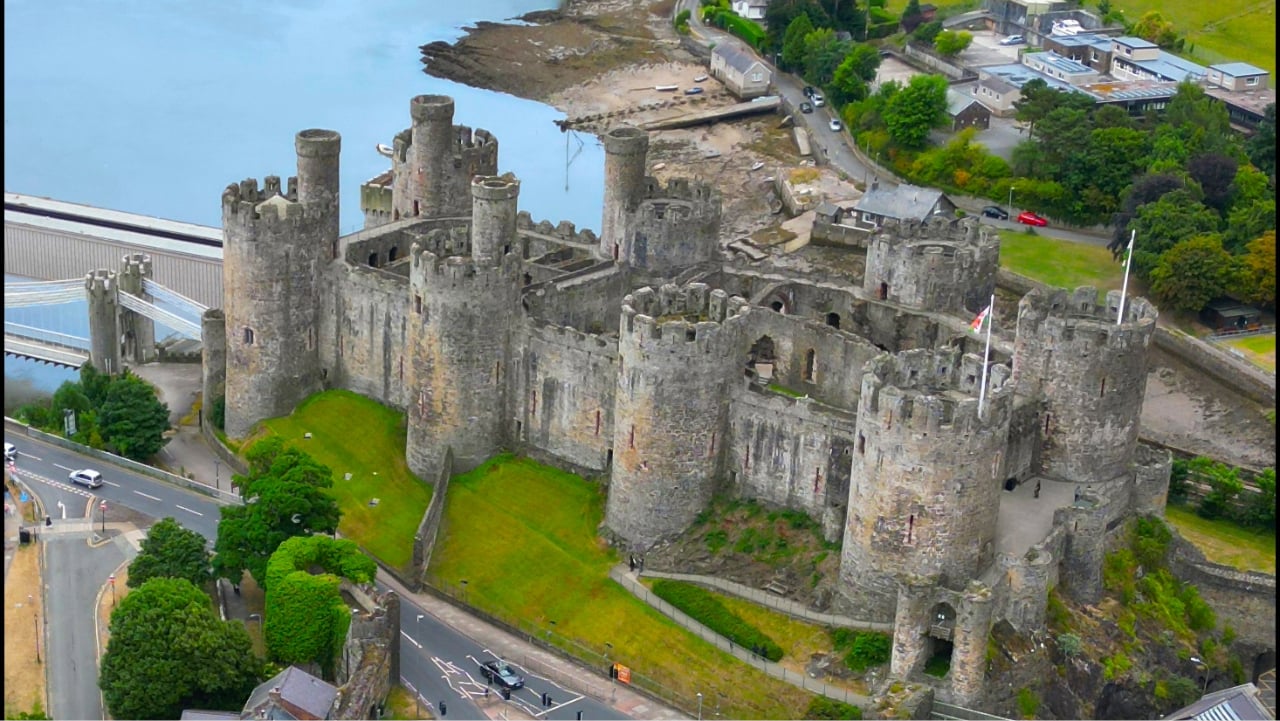
Conwy gives you the big medieval moment without making the whole trip feel like a history lecture. The castle rises above the town, the walls wrap around the old streets, and the harbor is close enough that you can go from stone towers to water views in a few minutes.
The town walls are the part that makes Conwy feel different as soon as you arrive. Cadw says they form part of the UNESCO World Heritage Site that includes Beaumaris, Harlech, and Conwy, and describes them as among the finest and most complete in Europe. They run for three quarters of a mile around the medieval heart, with 21 towers and three original gateways.
If you have a head for heights, walking the walls is the best way to understand the town. You look down into narrow streets, across rooftops, toward the castle, and out toward the water. It turns a small place into a full afternoon because every few steps change the angle.
Then there is Castell Conwy itself. Cadw says the fortress contains the most intact set of medieval royal apartments in Wales, with high curtain walls and eight towers still rising almost as impressively as when they were built more than 700 years ago.
After the castle, do not rush away. Walk down toward the harbor, find something to eat, and let the town shrink back to a human size after all that stone and height. That balance is what makes Conwy so good for a short escape: one major historic sight, one proper wall walk, water nearby, and enough town life to keep the day from feeling like a school trip.