
“`html
A cheap flight can stop looking cheap as soon as the airport details are added. Train tickets, shuttles, taxis, baggage fees, parking, late-night arrivals, and hotel transfers can erase the savings before travelers reach the first room.
The airport choice affects the first real bill after landing. A fare into a farther airport might still be worth booking if the transfer is simple and the savings are large. Another fare might cost more upfront but land closer to the hotel, avoid a taxi, and save hours on a short trip.
Before booking, compare the full door-to-door route: airfare, bags, seat fees, transfer cost, arrival time, hotel location, and the time lost getting between them.
These five airport choices can turn a bargain flight into a more expensive vacation, or make a slightly pricier ticket the better deal.
1. Choosing the “Cheaper” Airport Can Add Transfer Costs
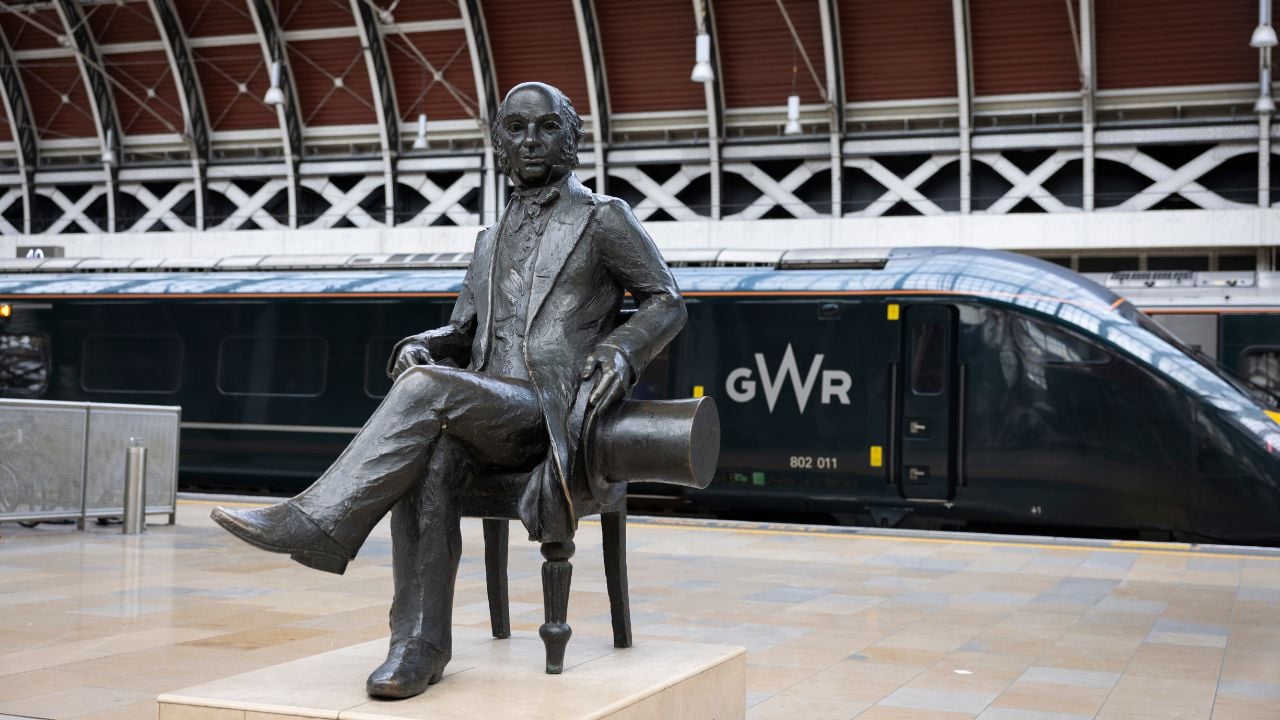
Large cities often have more than one airport, and the lowest fare may land far from the hotel, train station, cruise port, or neighborhood travelers actually want. London is a useful example because Heathrow, Gatwick, Stansted, Luton, and London City can all create different arrival costs.
Heathrow Express says trains reach London Paddington in 15 minutes, run every 15 minutes, and offer advance one-way tickets from £10. Stansted Express lists Stansted Airport to London Liverpool Street at an average journey time of 48 minutes, with fares from £9.90.
Those numbers only help when they match the hotel location. Paddington may be convenient for one traveler, while Liverpool Street may suit another. A family of four may find that a cheaper flight loses its advantage once every person needs a train, shuttle, or taxi.
Compare airfare, transfer cost, transfer time, and hotel location before choosing the airport. The lowest fare on the flight-search page is only one piece of the price.
2. Budget Airline Airports May Be Farther Than the City Name Suggests
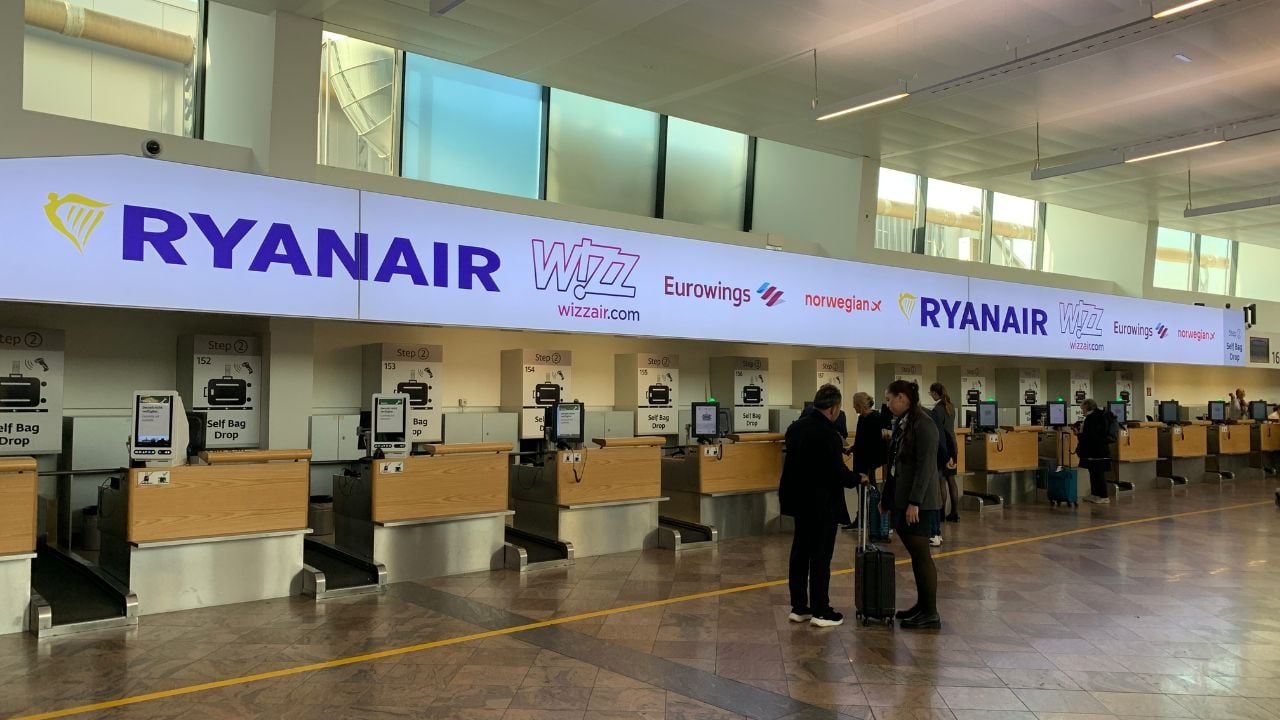
Low-cost carriers can offer excellent value, but the airport name can make the trip sound closer to the city than it really is. A budget fare needs to be judged with the ground journey included.
Paris-Beauvais is a clear example. The official airport shuttle lists adult tickets at €17.90 one way and €29.90 return. For one traveler, that may still work. For a couple or family, the transfer can take a serious bite out of the fare savings.
Secondary airports may also have fewer late-night transport options, longer bus rides, or expensive taxi rides after public transport slows down. A cheap ticket is much less useful if the flight lands after the last easy connection.
Before booking, check the official airport website, the last train or bus of the night, the price to the hotel area, and the backup taxi cost. A budget flight works best when the transfer is affordable too.
3. Arrival Time Can Decide Whether You Pay for Transit or a Taxi
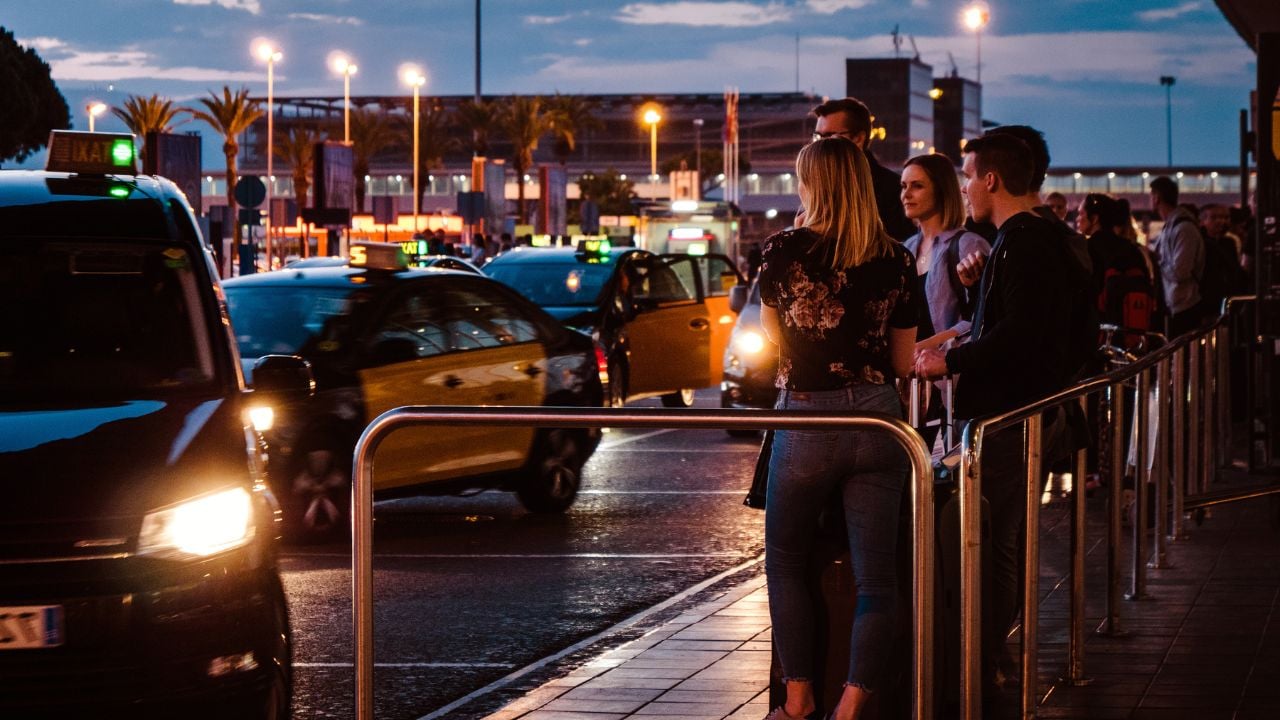
An airport that works well at noon can become expensive at midnight. Late arrivals can mean closed rail links, reduced bus schedules, higher ride-share prices, or a hotel check-in that needs extra coordination.
The time on the ticket matters almost as much as the airport code. A short transfer can become costly when the only realistic option is a taxi, especially with luggage, children, or a hotel far from the central station.
Early departures can cause the same problem in reverse. A 6 a.m. flight may require an airport hotel, a private transfer, or a 3 a.m. wake-up that ruins the first vacation day. A slightly later flight from a better-connected airport may cost more at checkout but less in stress, sleep, and extra transport.
Price the journey from the hotel door to the airport door, not only the seat on the plane. The cheapest flight time is not always the cheapest travel day.
4. The Airline Mix Can Change the Real Fare
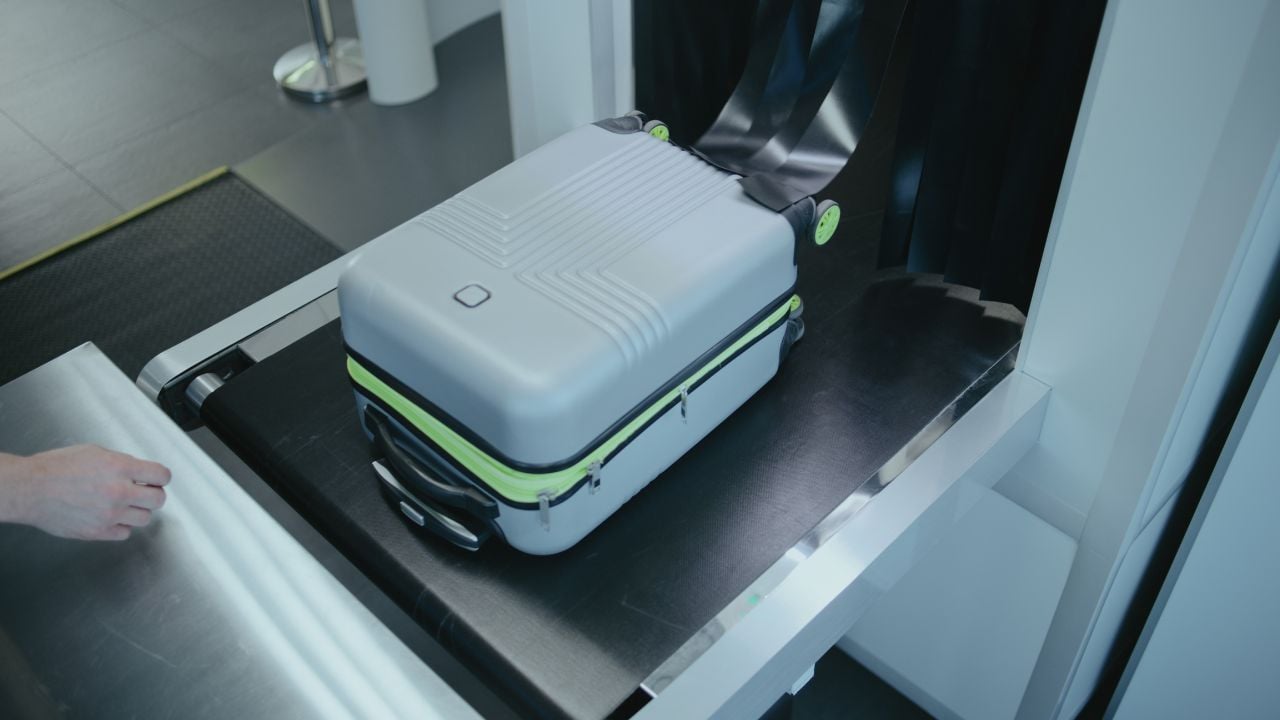
Some airports are dominated by low-cost carriers, while others offer more traditional airline options. The base fare only tells part of the story when bags, seats, priority boarding, changes, or onboard extras cost more.
U.S. federal regulations define ancillary services as optional paid services beyond passenger air transportation. Examples include checked or carry-on baggage, advance seat selection, in-flight entertainment or Wi-Fi, beverages, snacks, meals, pillows, blankets, seat upgrades, and lounge access.
A traveler with only a backpack may save a lot by using a budget airline at a secondary airport. Someone with checked bags, preferred seats, a tight schedule, or a need for flexibility may find the full price much closer to a traditional airline than expected.
Build the trip in the airline’s checkout screen before deciding which airport wins. Add the bag, choose the seat if needed, check change rules, and compare the full price against the supposedly more expensive flight.
5. A Better Airport Can Save Time That Becomes Real Vacation Value
Time has value on a short trip. If a better airport saves two hours on arrival and another two on departure, those hours can become a real meal, a museum visit, a beach afternoon, or one less exhausted travel day.
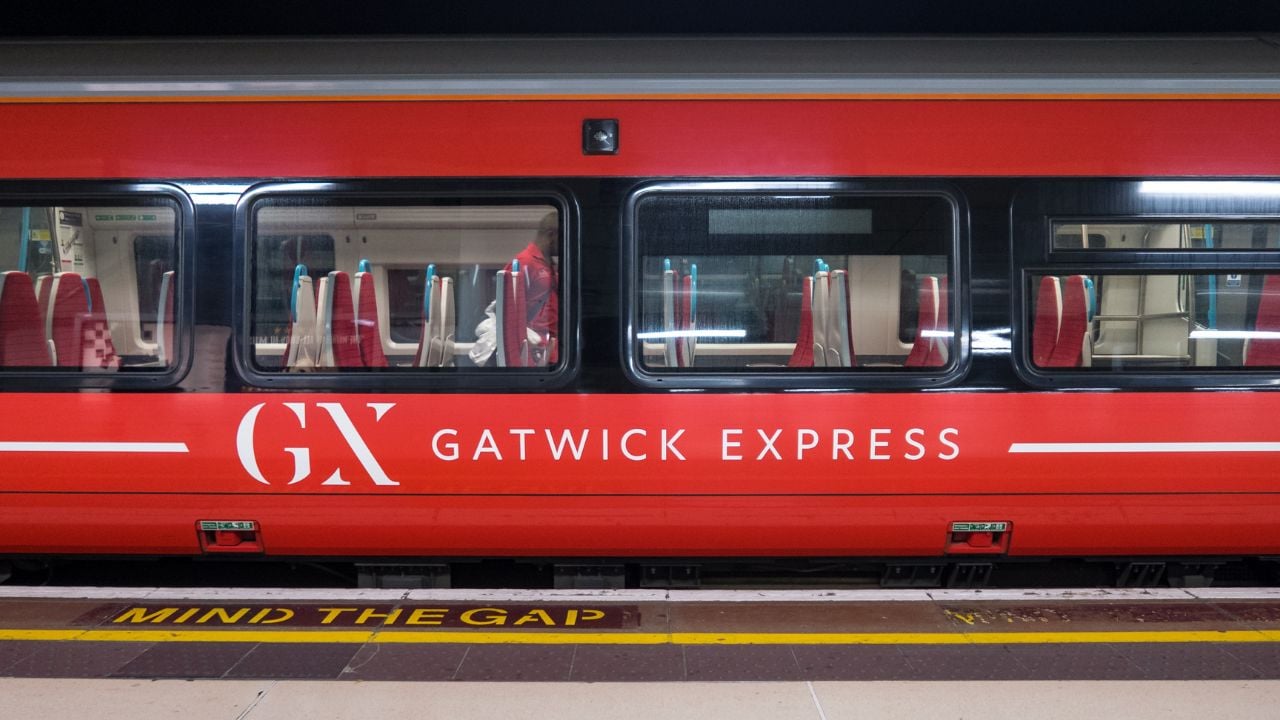
Gatwick Express lists Gatwick Airport to London Victoria at an average journey time of 32 minutes, with the fastest journey at 29 minutes. For travelers staying near Victoria or connecting easily from there, that connection may be worth more than a cheaper fare into a less convenient airport.
Airport choice also affects car-rental days, parking fees, fuel, tolls, and whether travelers need a hotel near the airport before or after the main trip. A closer airport can reduce those costs even when the flight itself costs more.
A farther airport can still be the right choice when the fare difference is large and the transfer is simple. Choose after pricing the whole route: flight, bags, transfer, arrival time, hotel location, and the hours lost between them.