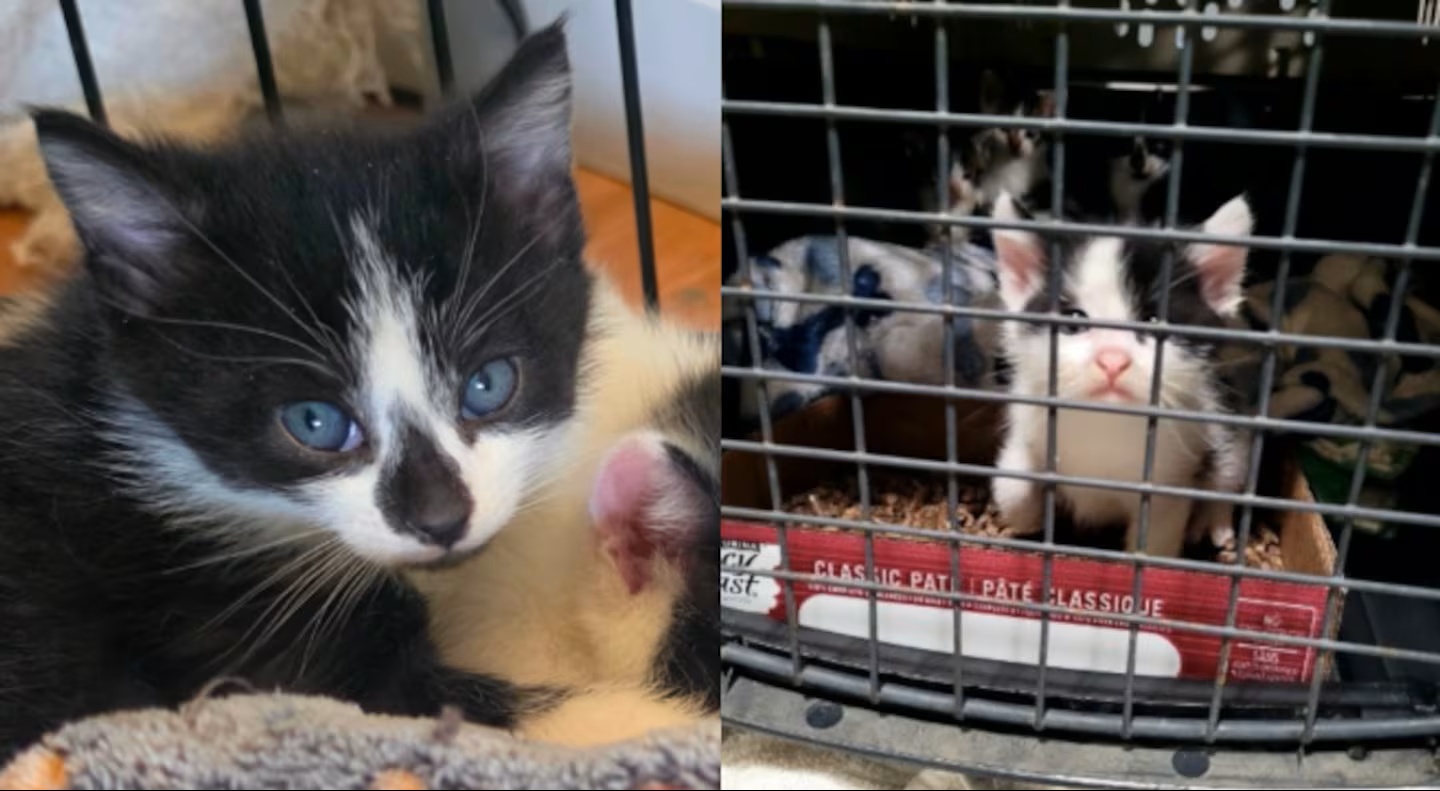
A heartbreaking situation turned into a story of survival and community care after a mother cat belonging to a local outdoor colony was struck and killed by a vehicle in Belfair, Washington, leaving behind four newborn kittens with no one to look after them. The Humane Society of Mason County jumped into action the moment the news reached them, understanding immediately that every minute counted. Without intervention, the tiny kittens had virtually no chance of making it on their own.
Outdoor or feral cat colonies are more common than many people realize. These are groups of cats that live outside and are typically cared for by dedicated community volunteers who provide food, water, and basic oversight. The mother in this case was part of one such colony, watched over by a local resident who was devastated by the loss. When that community caretaker reached out to the shelter, the response was immediate.
The shelter knew that newborn kittens, particularly those around four weeks old, cannot regulate their own body temperature, cannot eat on their own, and depend entirely on their mother for survival. Every hour without care pushes them closer to a tragic outcome. This was not a situation where staff could wait until morning or put out a casual search.
What followed was a rescue effort that required shovels, flashlights, a cat carrier, and a volunteer willing to literally crawl underground. It is the kind of story that reminds people why local shelters and their dedicated volunteers deserve every bit of support a community can offer.
The Search and the Three-Hour Underground Rescue
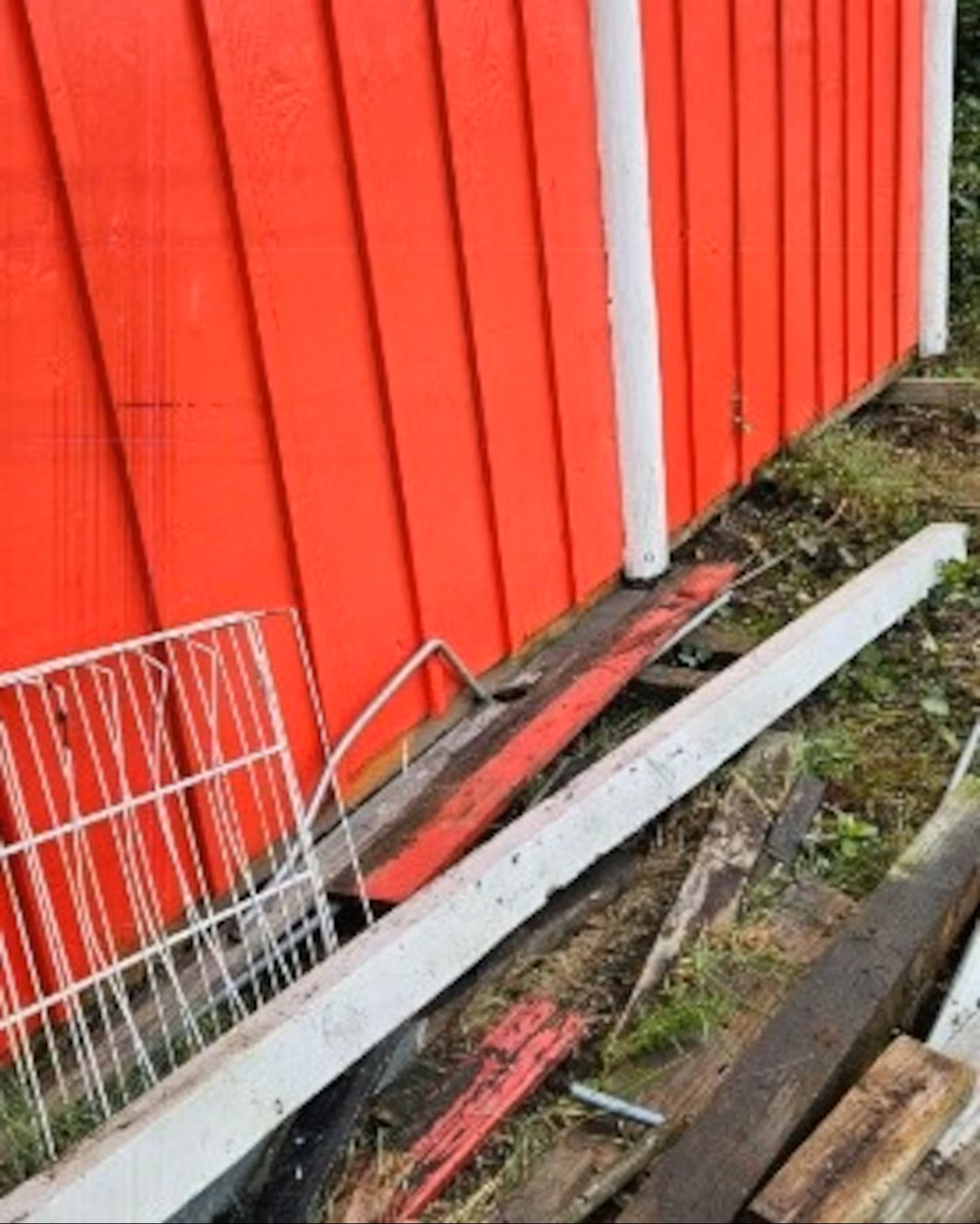
Staff and volunteers from the Humane Society of Mason County began combing the area where the mother cat had been living, searching for any sign of her litter. Kittens this young instinctively hide in dark, tight, protected spaces, which makes finding them a significant challenge even when you know roughly where to look.
The team eventually located four kittens huddled underneath a shed. Getting them out was another matter entirely. The space was too confined for any easy retrieval, so the rescue team did what needed to be done: they grabbed shovels and started digging. One kitten made a break for it and attempted to wedge itself into some boards nearby, but a quick-thinking volunteer snagged it before it could disappear further.
The other three required a tunnel just large enough for the volunteer to squeeze into, reaching in and pulling each kitten out one by one. The whole operation took close to three hours. It was exhausting, muddy, and absolutely worth it.
Meet Trey, Spider, Erica, and Atari
Once safely out from under the shed, the four kittens were given names that have since earned them quite a following online: Trey, Spider, Erica, and Atari. At approximately four weeks old, they are still fully dependent on bottle feeding, as they are not yet old enough to handle wet food.
Fortunately, the shelter had exactly the right person for the job. An experienced bottle baby foster with a proven track record stepped up immediately and brought the kittens into her home. Bottle-feeding newborn kittens is a round-the-clock commitment that requires feedings every few hours, gentle stimulation to help with digestion, and careful monitoring for any health concerns. It is demanding work, and not everyone is equipped for it.
According to the shelter, the four are growing healthy and strong in foster care, which is about the best possible update anyone could hope for given how the week started.
What This Rescue Teaches Us About Outdoor Cat Colonies and Community Response
Stories like this one highlight a few important realities about how communities handle stray and feral cat populations. Outdoor colonies that are being actively managed, where a caretaker provides food and monitoring, tend to have better outcomes for the animals. The fact that a community member was already watching over this group meant the mother cat’s death was noticed quickly, which is what made the rescue possible.
It also underscores the value of having an established relationship with a local shelter. The caretaker knew who to call and the shelter knew how to respond. That kind of community infrastructure, built over time through trust and consistent support, is what saves lives in situations where every hour matters.
Bottle baby fosters are also among the most underrecognized heroes in animal rescue. Shelters consistently need more of them, especially during kitten season, which runs roughly from spring through early fall in most parts of the country. If you have ever considered fostering and are not sure where to start, reaching out to your local humane society about bottle baby needs is a great first step.
How to Support the Humane Society of Mason County
The Humane Society of Mason County operates in a part of Washington state where resources can be stretched thin and the need for community involvement is high. Rescues like this one are only possible because of the volunteers who give their time, sometimes their knees and their dignity, crawling through dirt tunnels in the name of a four-week-old kitten.
If this story moved you, consider reaching out to the Humane Society of Mason County directly to ask about volunteering, fostering, or donating. Local shelters run on tight margins and rely heavily on the goodwill of the communities they serve. And if you happen to live near an outdoor cat colony, connecting with a local organization about trap-neuter-return programs is one of the most effective things you can do to help manage feral populations humanely.
Trey, Spider, Erica, and Atari made it. And for now, that is more than enough.