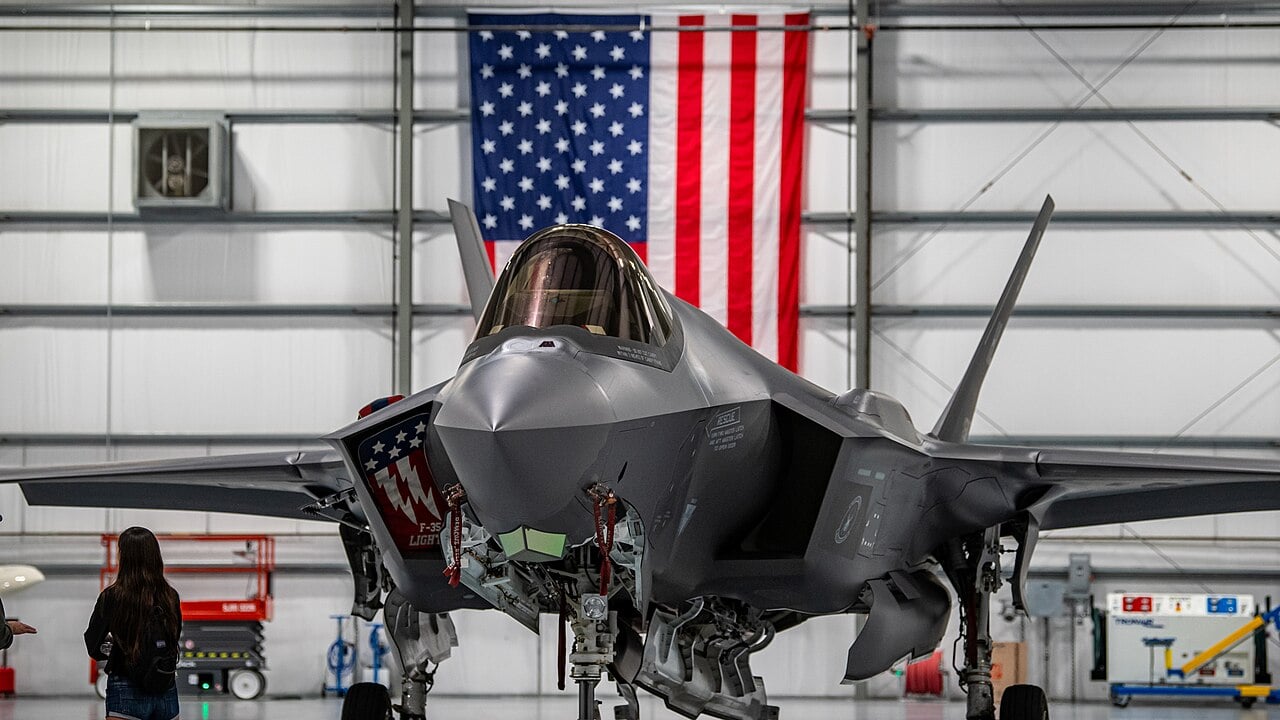

There is something quietly revealing about a number like 38. On paper, the Pentagon’s request for 38 Lockheed Martin F-35 Lightning II aircraft for the U.S. Air Force in its 2027 budget proposal looks respectable. In reality, it tells a deeper story about shifting priorities, technological ambition, and the limits of even the world’s largest defense budget.
The F-35 remains one of the most complex machines ever built. It is a multi-role stealth fighter jet by design, tying low observable shaping, advanced sensor fusion, and networked warfare capability into a single platform. It is famous for its radar-absorbent airframe materials and carefully sculpted geometry to reduce radar cross-section.
Internally, it carries weapons to preserve stealth, while its distributed aperture system gives pilots a near spherical awareness of the battlefield. In automotive terms, this is not just a fast car. It is the entire ecosystem, from sensors to software, working in seamless coordination.
A Balancing Act Between Old and New
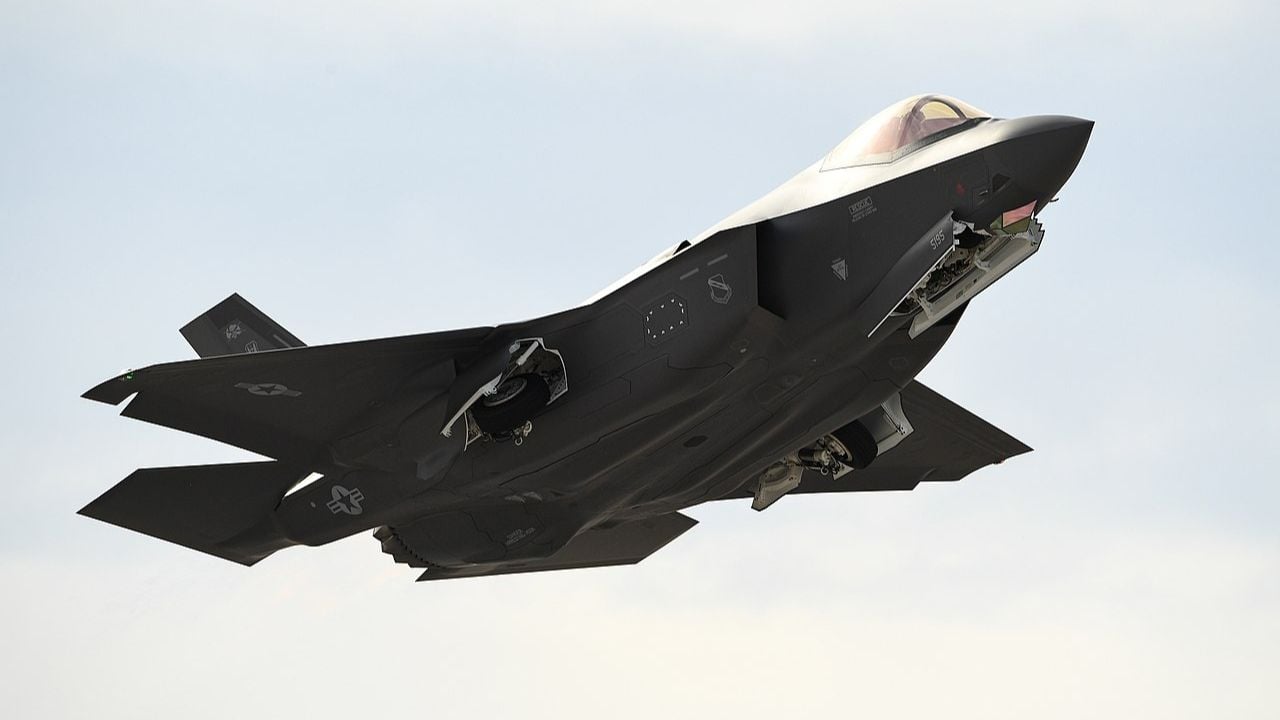
Yet for all its sophistication, the F-35 program now finds itself sharing attention. The Air Force’s slice of 38 jets sits within a broader request for 85 aircraft across all of the US military branches. That includes carrier-based variants and short takeoff versions for the Marines.
The total keeps production lines active, but the Air Force allocation alone raises eyebrows among analysts who track fleet readiness.
The reason is simple. The Air Force is flying one of the oldest fleets in its history. Legacy platforms like the F-15 and F-16 continue to shoulder a heavy burden, many of them upgraded far beyond their original design life. Replacing those aircraft with F-35s has been a long-term goal, yet the pace of procurement has not matched the urgency often described in strategic documents.
Part of the explanation lies in where the money is going. The Pentagon is not just buying fighters. It is investing heavily in what comes next. Programs like the B-21 Raider are pulling significant funding, alongside early work on sixth-generation air dominance concepts often referred to as the F-47 fighter.
These projects promise longer range, deeper stealth, and greater integration with unmanned systems. They are expensive, and they compete directly with current generation procurement.
That creates a balancing act. Buy too many F-35s and risk starving future programs. Buy too few and the existing fleet ages further, increasing maintenance costs and operational risk. The figure of 38 sits squarely in that tension. It is enough to sustain gradual modernization, but not enough to dramatically reshape the force in the near term.
Industrial and Strategic Implications
From an industrial perspective, the decision carries another layer of importance. The F-35 program supports a vast supply chain spanning multiple countries and hundreds of suppliers. Maintaining a steady production rhythm keeps those networks intact.

Interruptions or steep cuts could ripple across the aerospace sector, affecting everything from component manufacturing to skilled labor retention.
There is also the matter of capability versus quantity. Each F-35 brings far more than raw performance. Its value lies in how it connects with other assets, acting as a flying sensor node that gathers, processes, and shares data across the battlespace. In that sense, adding 38 is about expanding a network that enhances the effectiveness of every other platform around it.
Still, the question lingers. Is this enough? For a service grappling with aging aircraft and rising global competition, the answer depends on how much faith is placed in future systems arriving on schedule and delivering as promised.
Meanwhile, the 2027 request paints a picture of caution mixed with ambition. The F-35 remains a cornerstone, but no longer the sole focus. The Air Force is betting on a layered future, where today’s stealth fighter shares the stage with tomorrow’s technologies. Whether that balance proves wise will only become clear years down the line, long after those 38 jets take to the sky.