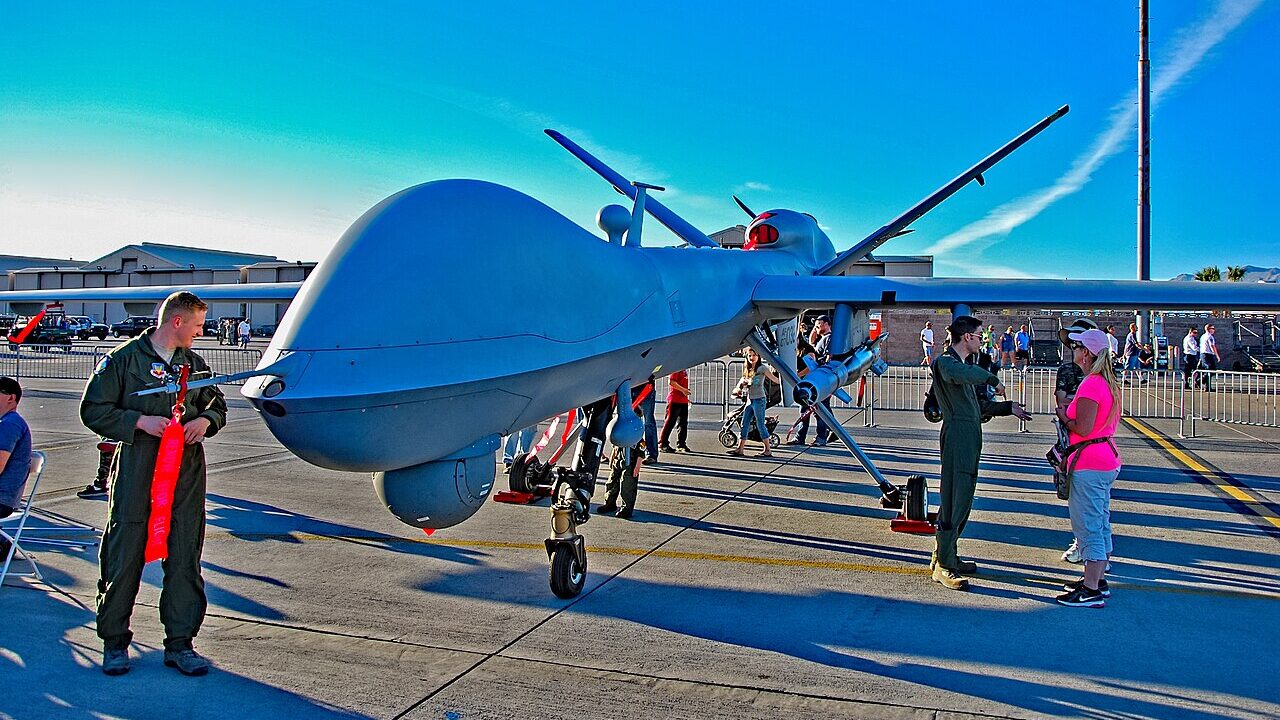

The losses piling up around the General Atomics MQ-9 Reaper are forcing a hard rethink of how modern airpower actually works when the opponent can shoot back.
What is unfolding over Iran is not just a string of shootdowns. It is a stress test of a system that dominated one era and now finds itself exposed in another.
Since the opening phase of the current conflict, at least two dozen Reapers have been lost, with estimates putting the total near 24 aircraft.
At roughly $30 million per drone, that pushes the bill to about $720 million in hardware alone. Those numbers stand out not only for their scale, but for what they reveal about how these aircraft are being used.
A Changing Battlefield
The Reaper was built for persistence. It can stay aloft for more than a day, watch wide areas, and strike with precision.

That formula proved highly effective during the long campaigns in Afghanistan and Iraq, where hostile air defenses were limited or fragmented.
Over Iran, that environment does not exist. The same characteristics that made the aircraft valuable now make it easier to target.
Iran fields layered air defenses that include radar coverage and surface to air missile systems capable of tracking slow, non-stealth aircraft.
Multiple reports confirm that a significant share of Reaper losses have come from direct shootdowns rather than mechanical failure or operator error.
The shift is fundamental. It means the Reaper is no longer operating over permissive airspace. It is flying into a network designed to find and destroy it.
There is also a structural issue tied to how often the platform is deployed.
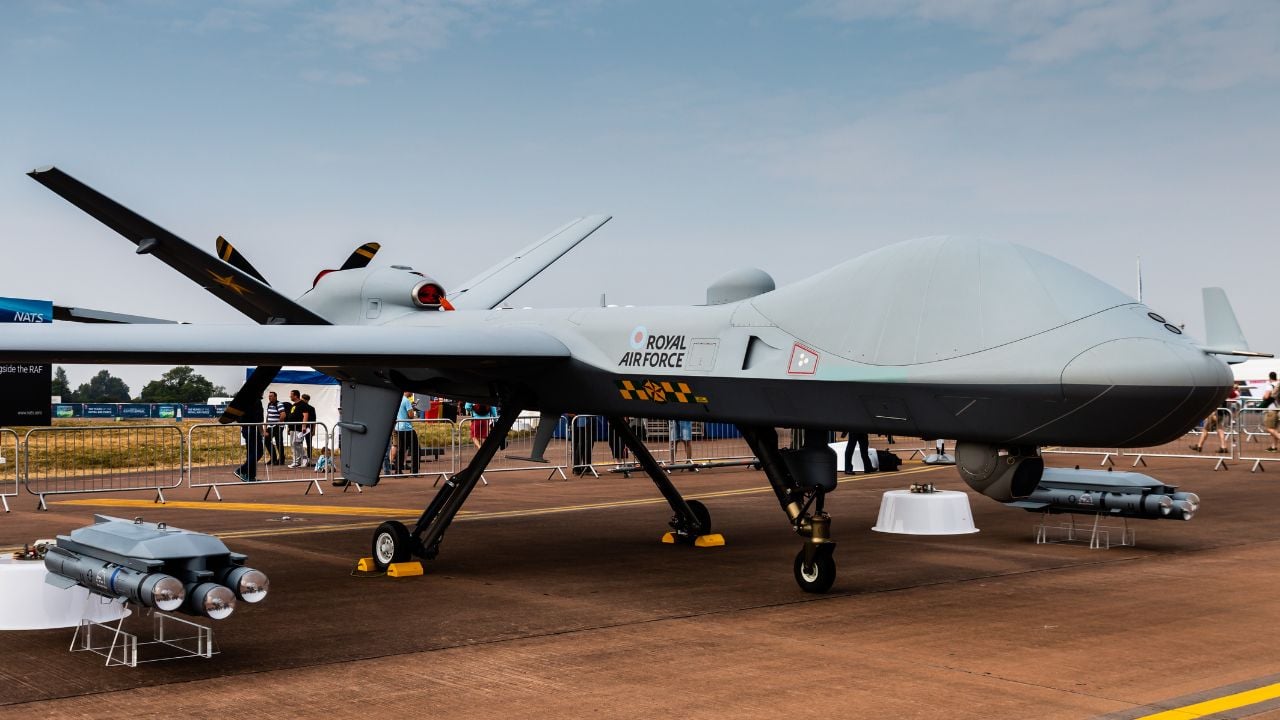
The Reaper has become a workhorse across missions, handling intelligence gathering, target tracking, and strike roles in a single package. That level of reliance increases exposure. The more frequently a system is sent into contested skies, the more likely it is to be lost.
Over Iran, the tempo has been intense, with drones tasked to monitor missile launches, hunt mobile targets, and document strike results.
The Contradiction of Costs and Survivability
Yet the story is not simply one of failure. In operational terms, the aircraft continues to deliver results that are difficult to replace.
U.S. officials and analysts point to its role in tracking and destroying mobile missile systems and drones, denying Iranian forces the ability to reposition assets safely. That persistence remains a powerful advantage, even though losses mount.
The contradiction sits in the gap between cost and survivability.
The Reaper is far more expensive than the small expendable drones now common on modern battlefields, but it lacks the stealth and speed of high-end manned aircraft.
That places it in an uncomfortable middle ground. It is too valuable to lose in large numbers, yet not resilient enough to operate freely against a capable air defense network.
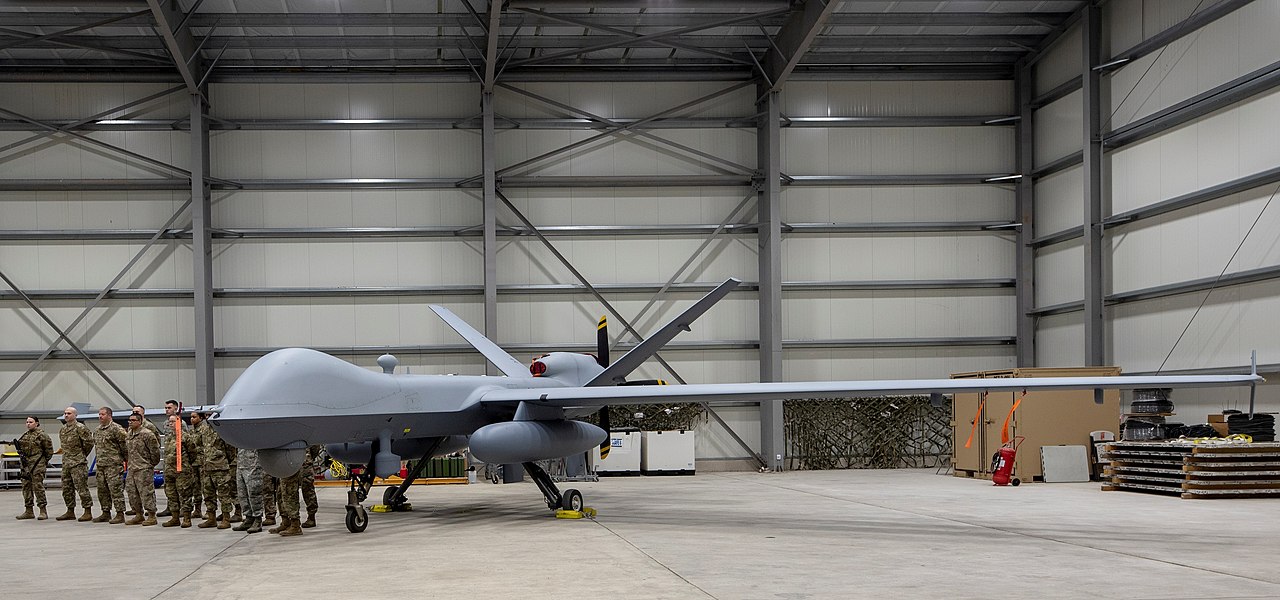
There are also signs that not all losses are combat related.
Over the past few years, the broader Reaper fleet has suffered from accidents tied to mechanical faults and operational stress. In a high intensity environment, those risks compound. Sustained operations push systems harder, and the margin for error narrows.
What Comes Next
What emerges from this conflict is a clearer picture of how drone warfare is evolving.
Large, high endurance platforms still have a role, especially in surveillance and precision strike. But their effectiveness depends heavily on the level of opposition they face.
Against insurgent groups, they can dominate. Against a powerful state like Iran with integrated defenses, they become vulnerable nodes in a much larger system.
For the United States, the question is not whether to abandon the Reaper, but how to adapt its use. That could mean pairing it more closely with stealth aircraft, investing in electronic warfare protection, or shifting toward a mix that includes more expendable systems.
The current losses demonstrate why relying on a single platform to cover too many roles carries serious, consequential risk.
The Reaper helped define a generation of warfare built on persistence and precision. Over Iran, that model is being tested in real time. The outcome is shaping what comes next, not just for drones, but for the broader balance between cost, capability, and survivability in modern air combat.
Sources: The National Interest, The Wall Street Journal, Air & Space Forces Magazine, Task & Purpose