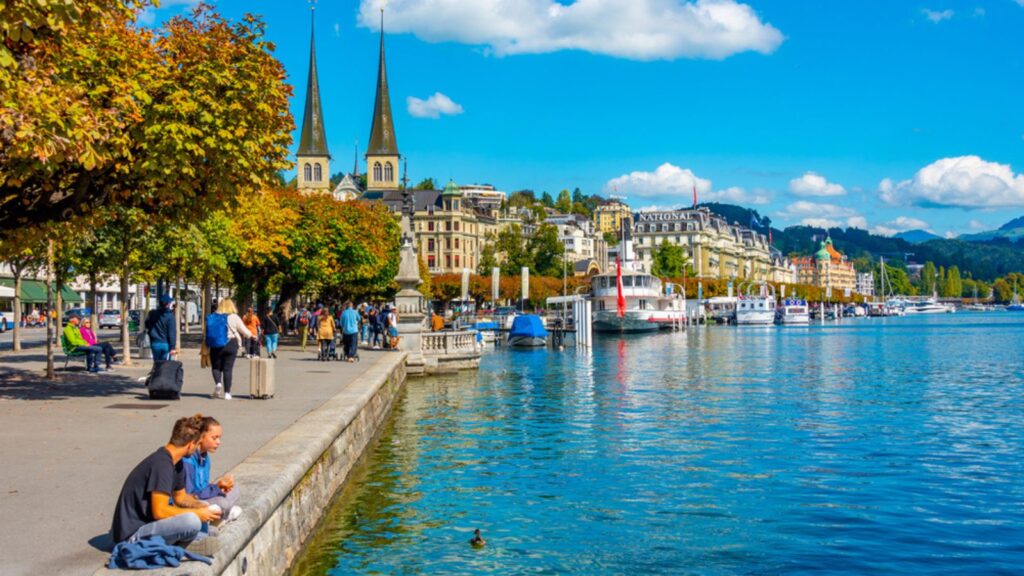
Traveler confidence abroad usually comes down to predictability. Places that feel orderly, have dependable transit, and run on clear rules tend to produce the most relaxed day-to-day experiences. Broader peace and safety measures can add context (see the Global Peace Index), but U.S. travel advisories still shape how many Americans plan—especially when it comes to getting around at night and choosing transportation.
The list below blends two lenses: destinations many U.S. travelers describe as “high-comfort” and destinations where U.S. advisories often recommend extra caution because of crime risks. This isn’t a claim that every neighborhood feels the same, or that an entire country is “safe” or “unsafe.” It’s a practical way many travelers think about comfort and risk before booking.
Higher-Confidence Destinations

These tend to feel “low-friction” for first-timers: clear signage, strong public services, reliable transport, and a travel rhythm where you can relax without constant second-guessing.
That doesn’t mean zero risk—petty theft, weather, and local rules still matter—but for most visitors, normal precautions are usually enough. Think of this section as the “easy mode” picks for comfort, especially if you’re traveling solo, arriving late, or planning to rely on public transit.
1) Iceland
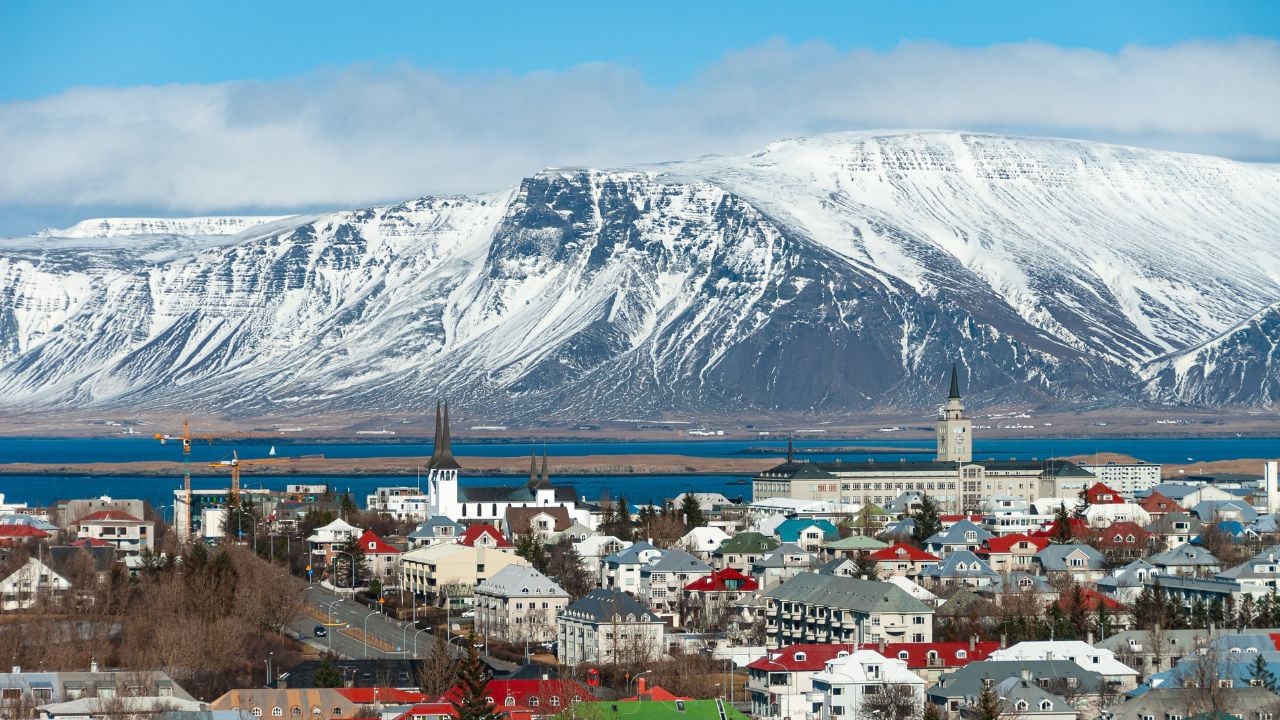
Iceland is often associated with a calm, low-friction travel rhythm. Many American visitors feel comfortable exploring Reykjavík, driving the Ring Road, and popping into smaller towns without heavy security planning. On the official side, the U.S. State Department’s Iceland advisory sits at Level 1, which is the “take normal precautions” baseline.
Weather is the big variable that changes the risk picture. Winter storms, coastal wind bursts, and icy rural roads can turn a simple drive into a serious decision. Travelers who monitor forecasts, follow marked routes, and respect road closures usually end up with a smooth, low-stress trip.
2) Japan
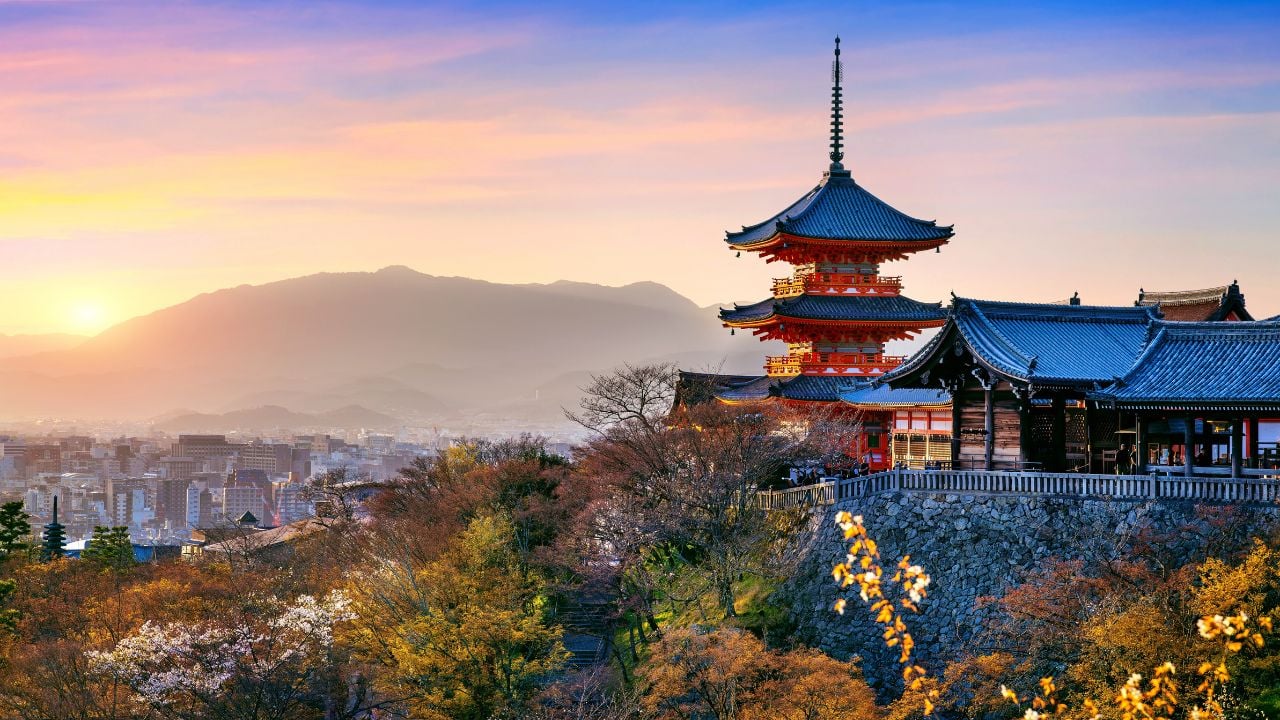
Japan is widely known for clean public spaces, low levels of street crime in major cities, and exceptionally reliable rail networks. Many U.S. tourists feel comfortable hopping on trains late at night and walking through busy districts because the systems are structured and predictable. If you like to cross-check with official guidance, Japan’s U.S. advisory is also at Level 1.
Civic habits make things easier for visitors. Police boxes are common, station signage is detailed, and lost property is often returned. A little etiquette goes a long way: keep voices down on trains, queue neatly, and avoid blocking walkways—especially in high-traffic areas.
3) Switzerland
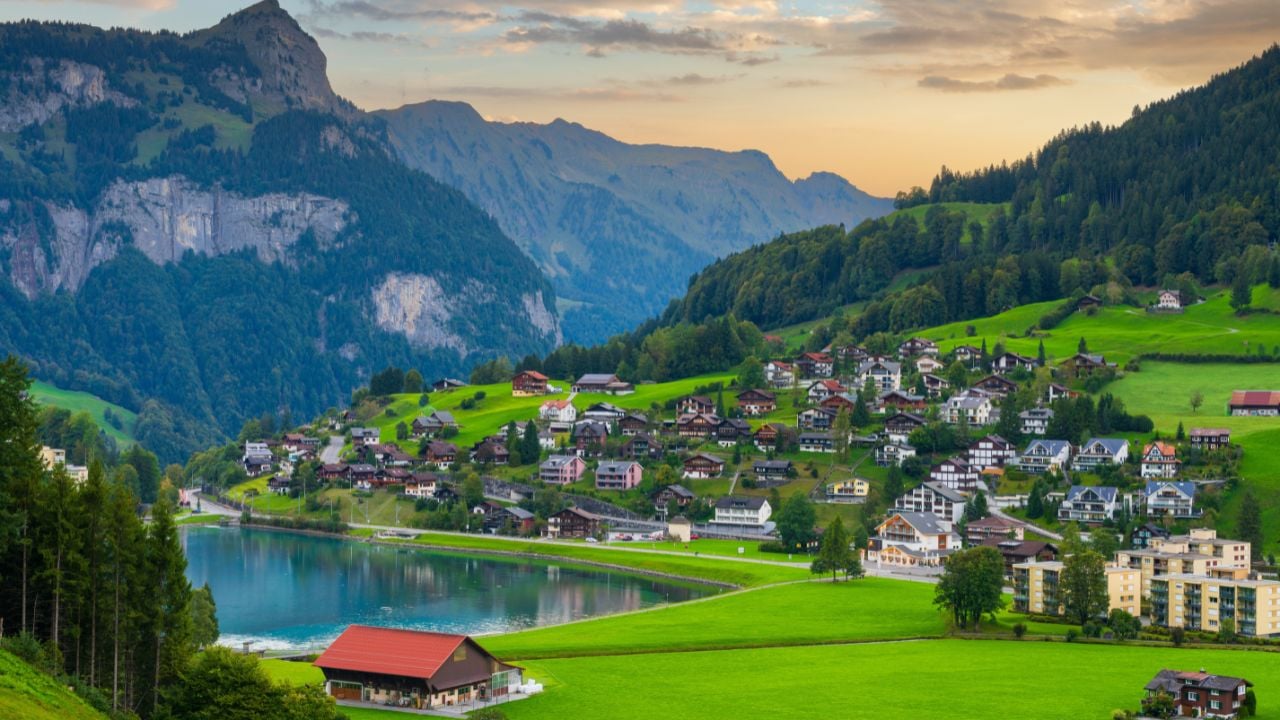
Switzerland is strongly linked with efficient public services and a transit network that makes moving between cities and alpine regions feel straightforward. Bright stations, orderly platforms, and strong emergency response capacity can create that comforting sense that logistics are under control. The U.S. government treats Switzerland similarly on the advisory scale—it’s rated Level 1.
Costs tend to surprise visitors more than safety concerns. Accommodation, dining, and rail fares can climb quickly, especially in major hubs and resort towns. A common nuisance is occasional petty theft in crowded transit environments, where basic precautions usually cover the risk.
Destinations Where U.S. Advisories Often Recommend More Caution

These destinations can still be incredible trips, but official guidance and common traveler reports suggest you may need more intentional planning—especially around neighborhoods, nighttime movement, and transport choices.
Many visitors do great by sticking to established areas, using reputable operators, and treating certain situations (late-night wandering, isolated streets, unlicensed rides) as avoidable risks. This section is about “higher attention required,” not “do not go.”
4) South Africa
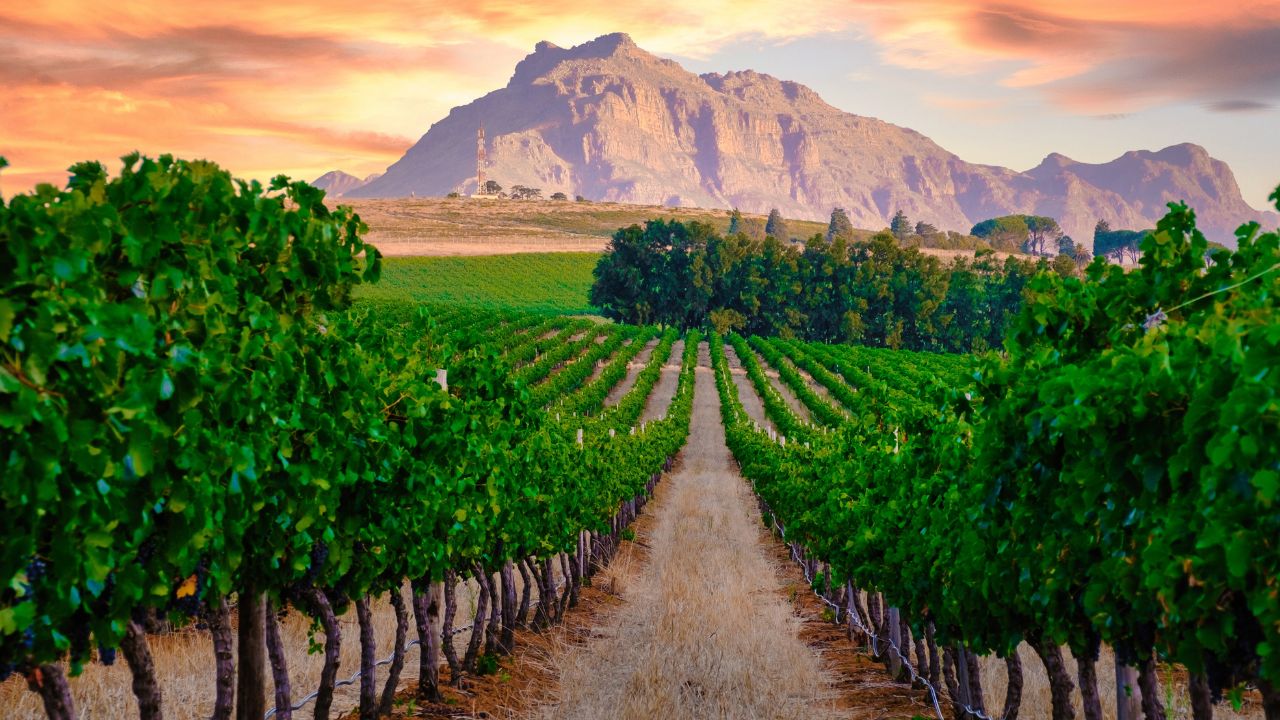
South Africa often lands in a lower traveler-comfort bracket than many highly ranked developed destinations, largely because U.S. guidance regularly flags crime risks in certain areas. In the advisory system, South Africa is generally positioned at Level 2 (“exercise increased caution”).
Tourism can still run very smoothly in organized settings. Guided safaris, established wine regions, and well-run excursions typically operate with professional logistics and clear safety routines. Using hotel-arranged transfers and licensed operators can improve comfort, especially for first-time visitors.
5) Brazil
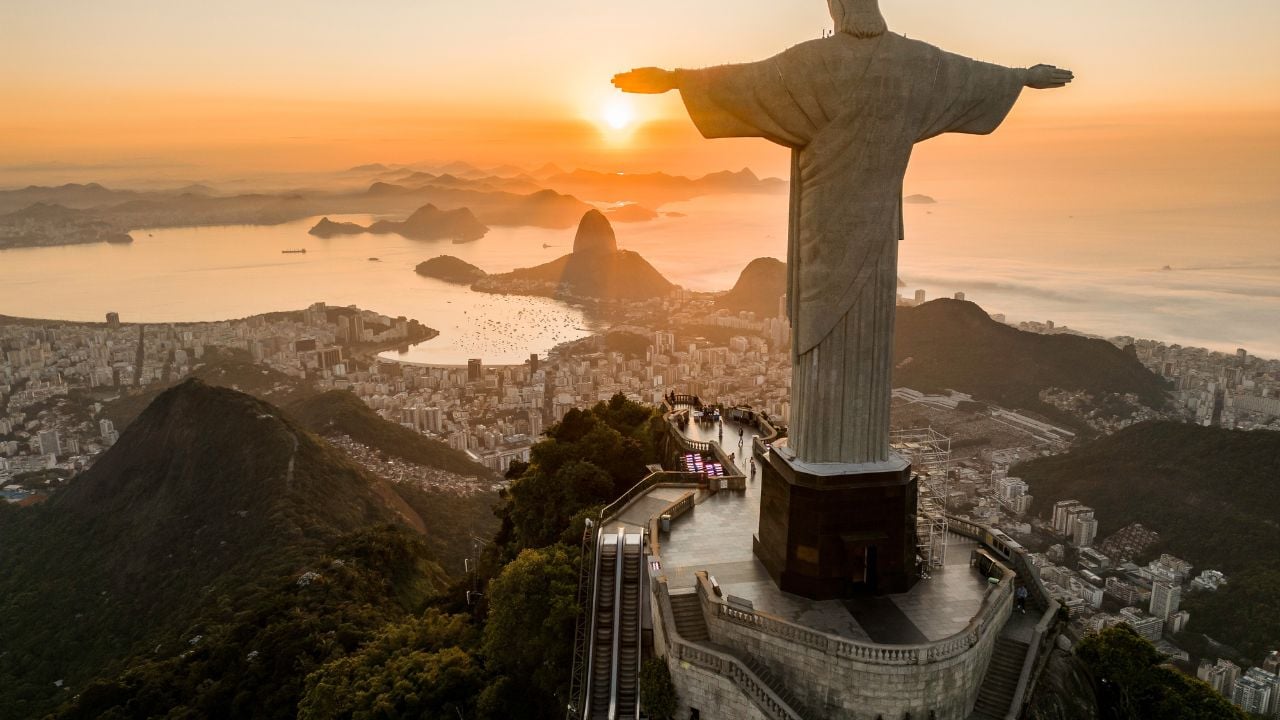
Brazil frequently appears in safety guidance as a place where visitors benefit from stronger personal-security habits, particularly in large-city environments. The U.S. advisory for Brazil is commonly Level 2, and it specifically highlights crime as a key concern, with additional caution for certain locations.
Many trips go well when travelers stay deliberate. Registered rides, secure pickups, and avoiding displays of valuables reduce exposure to common problems. Itineraries that emphasize established visitor districts, daylight exploration, and planned transit usually feel smoother and more relaxed.