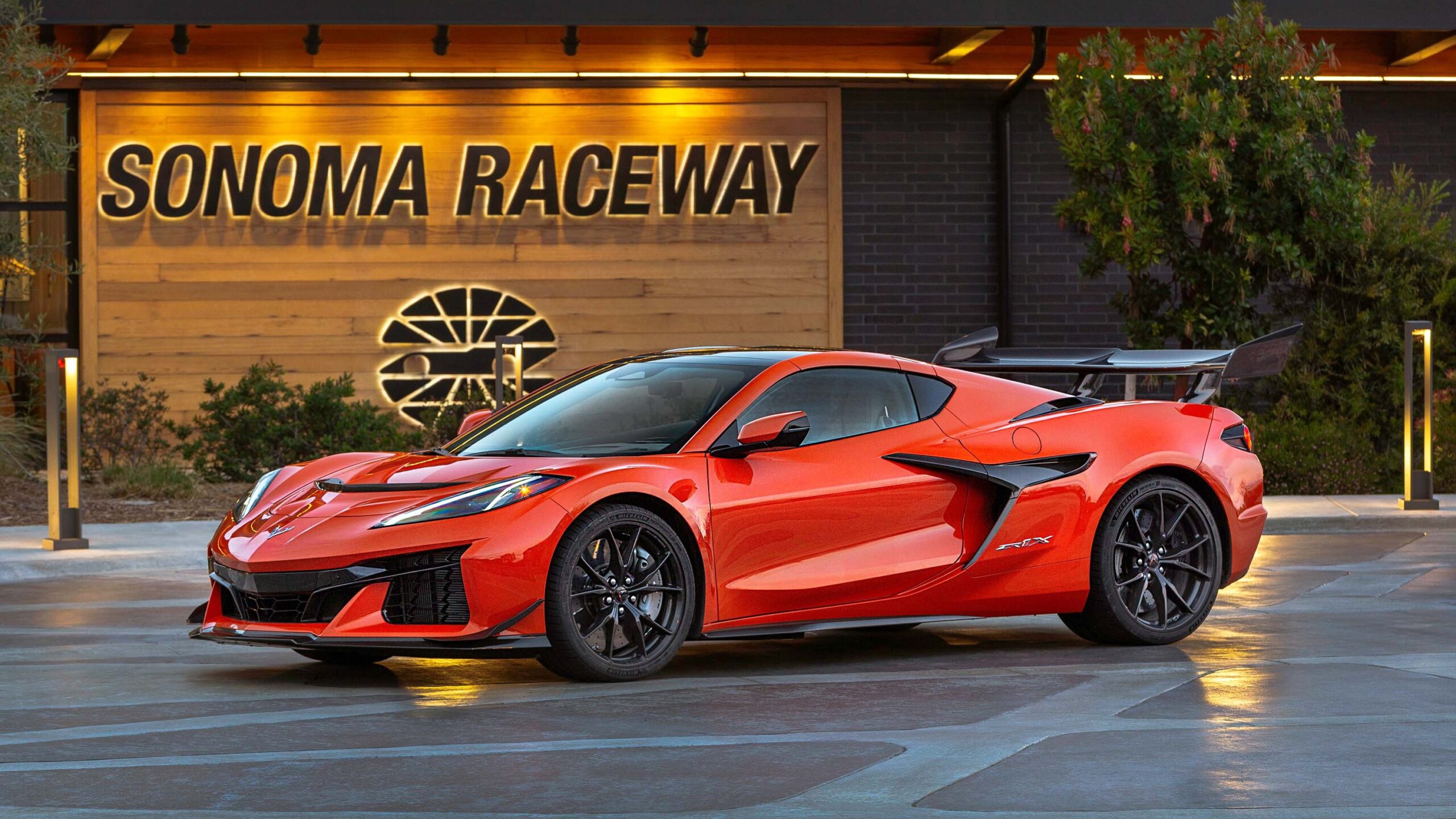
The 2026 Chevrolet Corvette ZR1X has established itself as the quickest Corvette that Car and Driver has ever tested, marking a major performance leap for the sports car. Independent testing shows the hybrid flagship delivering acceleration figures that rival some of the world’s quickest production vehicles.
By combining a twin-turbocharged V8 with a front-mounted electric motor, the ZR1X produces a combined 1,250 horsepower.
In testing, the car reached 60 mph in 2.1 seconds and ran the quarter mile in 9.2 seconds at 155 mph. These figures confirm its place at the top of the Corvette hierarchy. More than just raw speed, the ZR1X demonstrates how hybrid technology is reshaping performance, delivering immediate torque and improved traction without sacrificing the character of a high-output V8 sports car.
Independent Testing Confirms Unprecedented Performance
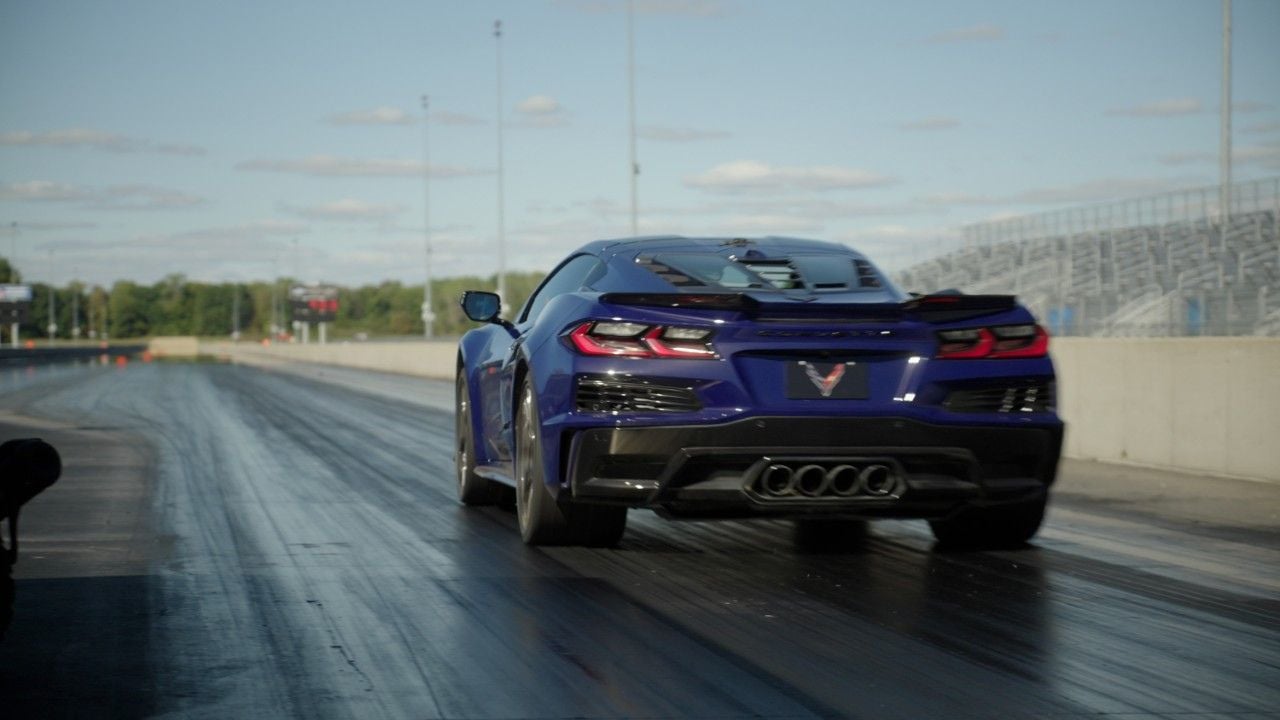
These figures are particularly significant when compared to previous Corvette models. The rear-wheel-drive ZR1, once the benchmark for the lineup, was already capable of a 2.2-second 0–60 mph run in Car and Driver testing. The ZR1X surpasses that by introducing all-wheel drive and electrified assistance, allowing it to launch harder and more consistently.
Additional testing and reporting indicate the car can go even faster under ideal conditions. On a prepared drag strip, GM’s validation run shows a 1.68-second 0–60 mph time and an 8.675-second quarter mile at 159 mph. While those results depend on optimized traction, they underline the car’s capability and engineering headroom.
The consistency of performance is a key takeaway. Unlike traditional high-power rear-wheel-drive setups that struggle for grip, the ZR1X delivers repeatable launches, making its performance more accessible and reliable in various conditions.
Hybrid System Redefines Corvette Engineering
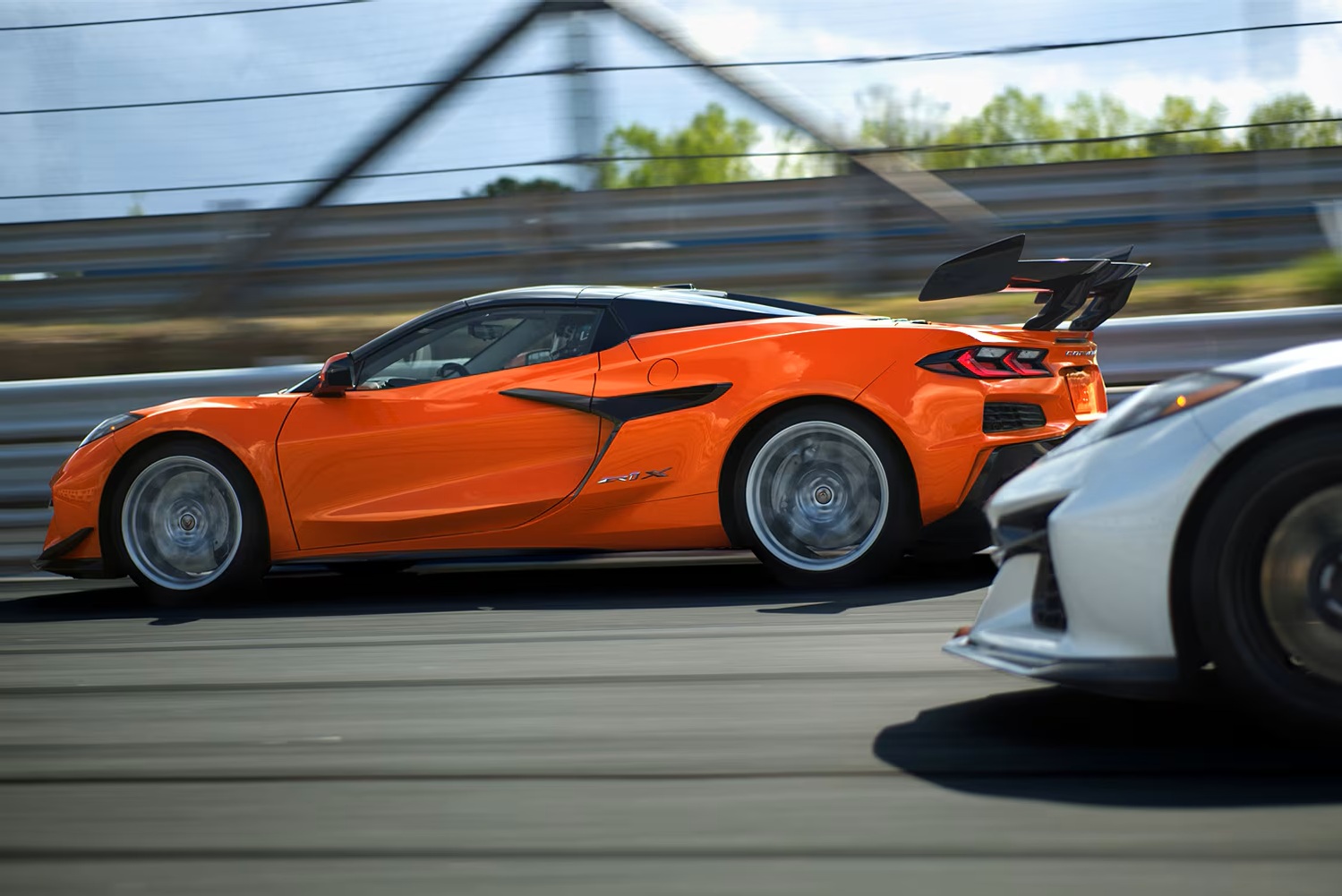
The ZR1X represents a major shift in Corvette design, integrating electrification into a platform historically defined by internal combustion. At its core is a 5.5-liter twin-turbocharged V8 producing 1,064 horsepower, paired with an electric motor generating 186 horsepower at the front axle.
This configuration creates an all-wheel-drive system, which enhances both acceleration and control. The electric motor delivers instant torque, eliminating the delay often associated with turbocharged engines and providing immediate response during launches.
Despite the added complexity, the car retains practical elements expected from a Corvette. It offers usable cargo space, a removable roof, and the ability to operate in a low-speed electric mode (as described by Chevrolet in its ZR1X overview here). This combination of usability and extreme performance highlights how hybrid systems are evolving beyond efficiency-focused roles.
Performance Trade-Offs Highlight Broader Capability
Testing also reveals that the ZR1X’s performance depends heavily on configuration. The model evaluated in independent tests was equipped with track-focused aerodynamic components designed to increase downforce. While these features improve grip and stability at high speeds, they introduce additional drag, slightly reducing straight-line acceleration.
This explains the gap between independently recorded times and faster manufacturer figures achieved under optimized conditions, as Car and Driver notes regarding the test car’s aero/track packages and Chevy’s quicker targets here.
Chevrolet suggests that less-aggressive aerodynamic setups could unlock even quicker acceleration, potentially pushing the car below the 2.0-second mark to 60 mph under typical conditions, given GM’s own “under 2 seconds” estimate published alongside its validation testing.
The trade-off reflects the ZR1X’s broader purpose. It is not built solely for straight-line speed but as a complete performance machine capable of handling track driving as well. The manufacturer’s sentiments emphasize this balance, noting that the car’s engineering prioritizes both acceleration and high-speed stability, as Car and Driver’s write-up does.