
Paris has long been seen as the ultimate European destination, admired for its art, architecture, and romantic reputation, yet its immense popularity has also made it increasingly crowded, expensive, and overwhelming for many travelers. Long queues, packed streets, and high prices can often distract from the city’s beauty, leaving visitors feeling rushed rather than inspired.
As travel preferences shift toward more meaningful and relaxed experiences, many people are beginning to look beyond the traditional must-see capitals. Across Europe, there are cities that offer just as much culture, charm, and history, but with a more authentic and enjoyable atmosphere.
These alternative destinations provide rich heritage, stunning scenery, and vibrant local life without the pressure of mass tourism that dominates Paris. Travelers can explore historic neighborhoods, enjoy local cuisine, and connect with residents in a way that feels more natural and personal. Many of these cities are also more affordable, allowing visitors to extend their trips or enjoy higher-quality experiences. For those seeking depth, beauty, and originality, these eighteen European cities offer compelling reasons to skip Paris entirely.
Florence, Italy

Florence offers an extraordinary concentration of Renaissance art and architecture that allows visitors to experience history at every turn without the scale and intensity of a global megacity. The city’s compact size makes it easy to explore on foot, encouraging slow discovery rather than rushed sightseeing. Museums, churches, and public squares feel woven into daily life, creating a seamless blend of culture and routine. This balance gives Florence a sense of intimacy that Paris often struggles to maintain.
Local dining in Florence centers on traditional recipes and neighborhood trattorias, where meals feel personal rather than performative. The surrounding Tuscan countryside adds another layer to the experience, with vineyards and hill towns just a short journey away. Visitors can enjoy world-class art during the day and peaceful evenings by the Arno at night. Florence delivers sophistication and authenticity without the crowds that dominate Paris.
Barcelona, Spain

Barcelona combines striking architecture, coastal scenery, and a relaxed Mediterranean lifestyle that feels refreshingly open compared to Paris. The city’s creative spirit is visible everywhere, from Gaudí’s imaginative buildings to street art and local markets. Neighborhoods each have their own rhythm, making exploration feel varied and spontaneous. This diversity keeps the city engaging without becoming overwhelming.
Food culture in Barcelona is social and approachable, with tapas bars and casual dining encouraging connection and conversation. The beach provides a natural escape within the city, something Paris cannot offer. Even the most famous sights feel integrated into everyday life rather than isolated behind barriers. Barcelona offers energy and warmth without the formality often associated with Paris.
Lisbon, Portugal

Lisbon’s appeal lies in its layered hills, colorful tiles, and relaxed pace that encourages wandering without an agenda. The city’s historic trams and viewpoints create moments of beauty that feel organic rather than curated. Prices remain relatively affordable, allowing travelers to enjoy longer stays and deeper exploration. Lisbon feels welcoming and lived-in, not polished for spectacle.
Neighborhoods retain strong local character, with cafés and shops serving residents as much as visitors. Traditional cuisine is comforting and honest, reflecting Portugal’s deep connection to the sea. Sunsets over the Tagus River provide unforgettable views without large crowds. Lisbon proves that romance and atmosphere do not require grandeur or excess.
Vienna, Austria

Vienna offers imperial beauty and cultural depth in a setting that feels calm and orderly rather than hectic. Palaces, museums, and concert halls are abundant, yet rarely feel overcrowded or inaccessible. The city’s layout makes navigation simple, allowing travelers to enjoy art and history without stress. Cultural experiences unfold with elegance and clarity.
The famous coffeehouse culture adds warmth to Vienna’s refined image, inviting visitors to slow down and observe daily life. Green spaces and parks provide balance, offering places to relax between sightseeing stops. Music, architecture, and tradition are deeply ingrained in the city’s identity. Vienna delivers sophistication without the intensity and congestion found in Paris.
Prague, Czech Republic

Prague offers a fairy-tale setting defined by Gothic towers, baroque churches, and a medieval street layout that feels immersive rather than artificial. The city’s historic center remains remarkably intact, allowing visitors to experience centuries of European history within a compact and walkable area. Unlike Paris, major landmarks are close together, making exploration feel fluid instead of exhausting. Cobblestone streets and river views create a sense of continuity that enhances every walk. This architectural harmony gives Prague a strong and memorable identity.
The city is also significantly more affordable, allowing travelers to enjoy high-quality dining and accommodation without constant budget concerns. Traditional beer halls and cafés remain central to local life, offering welcoming and unpretentious social spaces. Tourism blends naturally with daily routines rather than dominating them. Even popular areas feel calmer outside peak hours. Prague delivers romance and atmosphere without the pressure and crowds associated with Paris.
Budapest, Hungary

Budapest impresses immediately with its dramatic riverside setting and monumental architecture stretching along the Danube. The city’s visual impact comes from grand bridges, hilltop viewpoints, and historic buildings that rival any major European capital. Buda and Pest offer contrasting experiences that add depth and variety to exploration. Streets feel lively yet spacious, encouraging long walks and spontaneous discovery. The city’s scale feels powerful without becoming overwhelming.
Thermal baths provide a unique cultural experience that combines relaxation with centuries-old tradition. Budapest’s affordability allows travelers to stay longer and explore more deeply. Local markets, cafés, and ruin bars add modern energy to historic surroundings. Cultural life feels vibrant but accessible. Budapest offers originality and richness without Parisian prices or intensity.
Amsterdam, Netherlands

Amsterdam is shaped by its iconic canals, which give the city a human scale that immediately makes exploration feel personal and approachable. Streets curve gently around waterways, creating a natural rhythm that encourages wandering rather than rushing between attractions. The city’s compact layout allows visitors to experience museums, neighborhoods, and markets without relying heavily on transportation. Architecture blends historic townhouses with everyday life in a way that feels organic rather than curated for tourists. This balance creates an atmosphere where culture is discovered gradually instead of being presented all at once. Amsterdam’s visual harmony makes even simple walks feel meaningful.
Local life remains highly visible throughout the city, even in areas popular with visitors. Cafés, parks, and neighborhood shops primarily serve residents, giving the city a lived-in feeling. Daily routines unfold alongside tourism instead of being pushed aside by it. Social interaction feels open and informal, reinforcing the city’s welcoming reputation. The pace of life encourages slowing down and observing small details. Amsterdam offers cultural richness without the formality and pressure often associated with Paris.
Copenhagen, Denmark

Copenhagen is designed around livability, which becomes evident through its bike-friendly streets and thoughtfully planned public spaces. Waterfront promenades stretch across the city, offering scenic routes that feel calm and inviting. Architecture blends historic buildings with modern minimalism in a way that feels intentional and balanced. Movement through the city feels effortless, allowing visitors to focus on experience rather than logistics. The overall atmosphere is clean, calm, and carefully maintained. This design-driven environment shapes how visitors interact with the city.
Food culture plays a major role in Copenhagen’s identity, ranging from casual street markets to globally acclaimed restaurants. Neighborhoods feel authentic and community-focused rather than dominated by tourism. Cultural institutions are well-organized and accessible without overwhelming crowds. Locals actively use parks, cafés, and waterfronts throughout the day. The city encourages mindful travel rather than checklist sightseeing. Copenhagen delivers sophistication without the intensity found in Paris.
Edinburgh, Scotland

Edinburgh’s dramatic landscape immediately sets it apart, with the city rising across hills and rocky ridges. The Old Town’s medieval streets wind upward toward the castle, creating a sense of mystery and depth. In contrast, the New Town offers symmetry and elegance through Georgian architecture. This duality adds complexity and richness to the urban experience. History feels tangible and present rather than confined to museums. Every viewpoint reveals another layer of the city’s character.
Cultural life is deeply embedded in Edinburgh’s identity through literature, festivals, and performance. Pubs and cafés function as social hubs where conversation flows easily. The city attracts thoughtful travelers drawn to ideas, stories, and history. Exploration feels rewarding rather than exhausting. Daily life continues naturally alongside tourism. Edinburgh provides atmosphere and intellectual depth without the scale of Paris.
Porto, Portugal

Porto’s character is shaped by its steep streets, riverside views, and weathered architectural textures. The city unfolds gradually, revealing bridges, viewpoints, and narrow lanes over time. Buildings show signs of age and history, adding emotional depth to the experience. Nothing feels overly polished or staged for visitors. This raw authenticity creates a strong sense of place. Porto’s visual identity is deeply tied to its geography.
Wine culture influences daily routines and social traditions throughout the city. Prices remain accessible, allowing travelers to linger and explore without pressure. Restaurants and cafés feel local and personal rather than commercialized. Tourism exists but does not overwhelm daily life. Even busy areas retain a sense of calm. Porto offers warmth and character without spectacle or excess.
Seville, Spain

Seville expresses its identity through architecture, sound, and rhythm rather than grand monuments alone. Moorish palaces, historic courtyards, and narrow streets create a visually rich environment. The city encourages wandering without rigid itineraries or expectations. Beauty appears naturally in everyday moments. This organic charm feels deeply rooted rather than designed for display. Seville’s atmosphere feels passionate yet grounded.
Local life revolves around plazas, tapas bars, and evening walks through historic neighborhoods. Traditions remain active parts of daily routines rather than performances for tourists. Food culture emphasizes sharing and social connection. The pace of life slows in a way that invites presence. Visitors feel welcomed into the city’s rhythm. Seville offers emotion and elegance without pressure.
Bologna, Italy

Bologna blends academic tradition with everyday life in a way that feels authentic and balanced. The city’s long arcades define its streets, encouraging extended walks and casual encounters. Historic buildings remain active parts of daily routines rather than static landmarks. Culture unfolds quietly through markets, cafés, and universities. This creates a lived-in atmosphere rarely found in major tourist cities. Bologna’s identity feels intellectual yet accessible.
Food traditions shape social life and regional pride throughout the city. Trattorias and markets prioritize quality over presentation. Prices remain more reasonable than in many Italian destinations. Tourism integrates naturally without dominating local spaces. Daily life remains visible and uninterrupted. Bologna delivers depth and authenticity without crowds.
Valencia, Spain

Valencia stands out as a city that successfully combines centuries of history with bold contemporary architecture in a way that feels natural rather than forced. Gothic churches, historic markets, and medieval streets coexist with futuristic structures that redefine the city’s skyline. Unlike Paris, the city’s layout feels open and breathable, allowing visitors to explore without constant congestion. The manageable size of Valencia makes it possible to experience diverse neighborhoods in a short time. Movement through the city feels intuitive and relaxed instead of rushed. This balance creates an urban experience that feels modern yet deeply rooted.
Local culture thrives through festivals, markets, and a strong connection to outdoor life. Beaches and expansive green spaces provide natural breaks from sightseeing. Daily routines remain visible and uninterrupted by tourism. Food culture is social and seasonal, reflecting regional traditions. Costs remain significantly lower than in Europe’s most famous capitals. Valencia offers variety, depth, and comfort without intensity.
Kraków, Poland

Kraków’s historic center remains one of the most remarkably preserved urban cores in Europe, offering continuity across centuries. Cobblestone streets, medieval squares, and historic churches create a cohesive visual identity. The city feels intimate and walkable despite its long and complex history. Architecture reflects layered cultural influences without overwhelming the visitor. Exploration encourages reflection rather than hurried sightseeing. Kraków’s atmosphere feels sincere and emotionally resonant.
Local traditions remain part of everyday life rather than performances for visitors. Cafés, markets, and public squares serve residents as much as tourists. Prices allow travelers to engage deeply with culture and cuisine. Museums and historic sites feel accessible and calm. Tourism blends naturally into daily routines. Kraków delivers authenticity without exhaustion.
Ljubljana, Slovenia

Ljubljana presents a compact European capital shaped by sustainability, livability, and thoughtful urban planning. The riverfront defines the city’s social rhythm, creating relaxed public spaces for gathering and walking. Architecture blends medieval foundations with baroque elegance and modern design. The city’s small scale allows visitors to explore comfortably on foot. Movement feels calm and uninterrupted. The overall atmosphere feels personal rather than monumental.
Cafés, markets, and cultural spaces primarily serve locals. Tourism remains light and respectful throughout the year. Green spaces are integrated naturally into daily urban life. The pace encourages observation instead of constant activity. Cultural experiences feel accessible and genuine. Ljubljana proves smaller cities can be deeply memorable.
Ghent, Belgium

Ghent combines medieval architecture with contemporary life in a way that feels balanced and authentic. Historic buildings line canals without being overshadowed by mass tourism. The city retains a strong local identity alongside its beauty. Streets feel active yet never overwhelming. Daily routines unfold naturally within historic surroundings. This balance defines Ghent’s appeal.
Student culture adds energy to art, food, and nightlife scenes. Restaurants and cafés feel social and welcoming. Prices remain more approachable than nearby capitals. Tourism complements rather than dominates city life. Evenings feel lively without chaos. Ghent offers richness without excess.
Turin, Italy
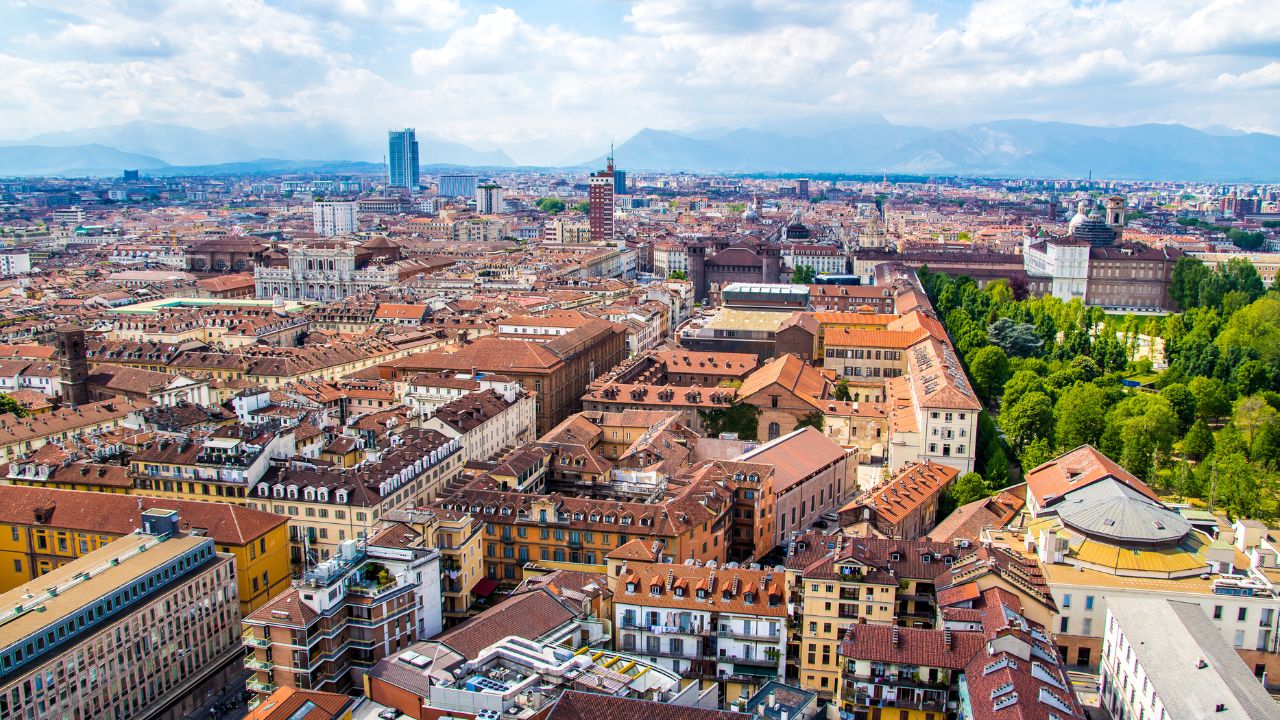
Turin expresses elegance through balance, symmetry, and restraint rather than dramatic landmarks designed to impress instantly. Long arcaded streets and wide boulevards create a sense of order that shapes the entire urban experience. The city’s architecture reflects its royal past without feeling heavy or overly ceremonial. Movement through Turin feels structured and calm, encouraging deliberate exploration. Museums, palaces, and public squares are integrated into everyday life rather than isolated attractions. This creates an atmosphere where culture unfolds gradually and thoughtfully.
Local cuisine and coffee traditions are deeply embedded in daily routines and social life. Historic cafés function as meeting places rather than tourist showcases. Crowds remain manageable throughout the year, even in peak seasons. Cultural life feels intellectual and understated rather than performative. Tourism exists quietly alongside local rhythms. Turin delivers sophistication without noise, pressure, or spectacle.
Riga, Latvia

Riga stands out for its remarkable concentration of Art Nouveau architecture, which gives the city a distinctive and cohesive visual identity. Ornate facades line wide streets, creating a sense of elegance rarely found in less-visited capitals. The historic center remains compact and walkable, allowing visitors to absorb details slowly. Layers of medieval, imperial, and modern history coexist without visual chaos. Exploration feels unhurried and balanced throughout the city. Riga’s design leaves a lasting impression rooted in craftsmanship.
Local culture remains present and accessible across neighborhoods. Cafés, markets, and cultural venues primarily serve residents rather than tourists. Prices encourage deeper engagement with food, art, and history. Tourism feels light and respectful instead of dominant. Daily life continues naturally without interruption. Riga offers originality, calm, and character without exhaustion.