National parks are iconic, but they are not the only places in the U.S. where nature shows off. Plenty of outdoor escapes serve up the same wow factor with fewer crowds, easier logistics, and less friction once you arrive. In a lot of cases, the trip feels smoother because you are not wrestling with timed-entry rules or circling for parking like it’s a competitive sport.
This list blends state parks, wilderness areas, national forests, and protected coastlines. Each spot works for a full day outside, and several are perfect for a weekend that turns into a highlight reel. If you want big landscapes without the pressure-cooker energy, put these on your radar.
1. Red River Gorge, Kentucky
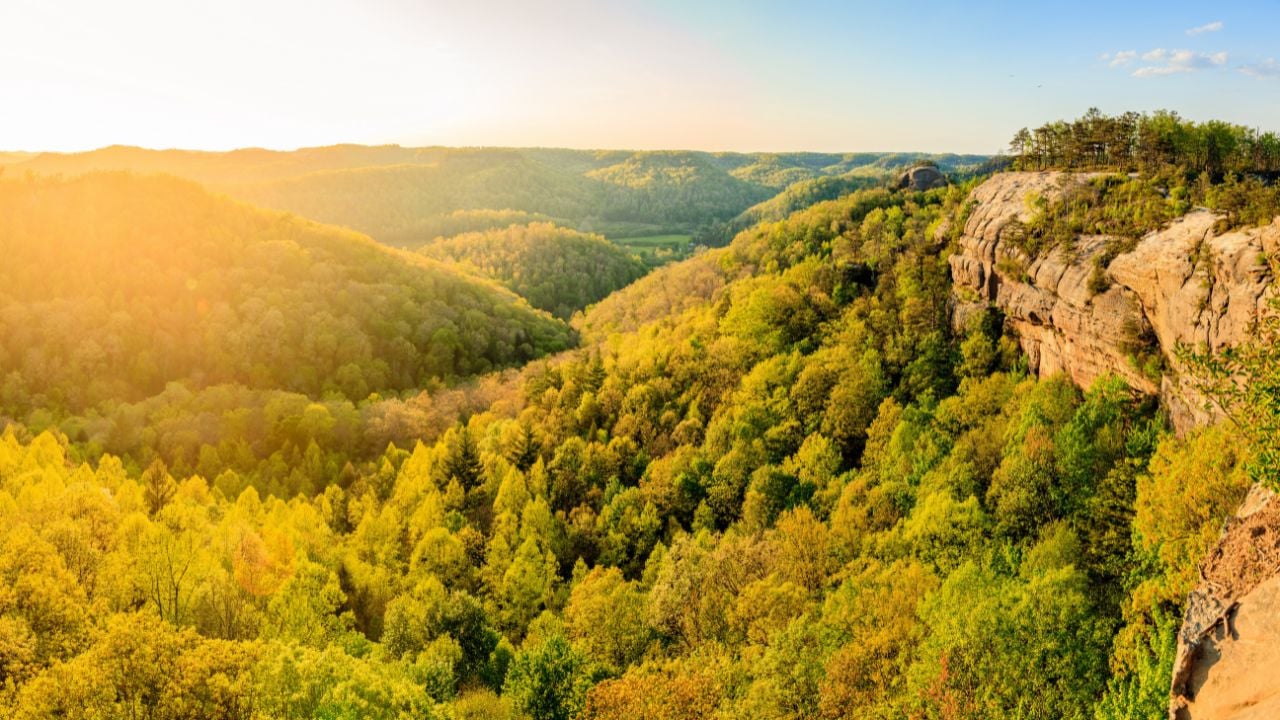
Red River Gorge is all sandstone drama, with cliffs, natural arches, and routes that range from mellow strolls to steep, rocky climbs. Because it sits inside Daniel Boone National Forest, the area stays rugged and spread out rather than feeling like a single “one-loop” attraction. Climbers love it too, with walls and routes that have built a serious reputation.
Hit Chimney Top Rock first for a fast payoff, then move on to arches like Sky Bridge for signature overlooks. Expect uneven footing in places, so solid shoes make a difference. Later in the day, the cliffs glow when the light drops low and the forest opens at the edges of the ridgelines.
2. Custer State Park, South Dakota
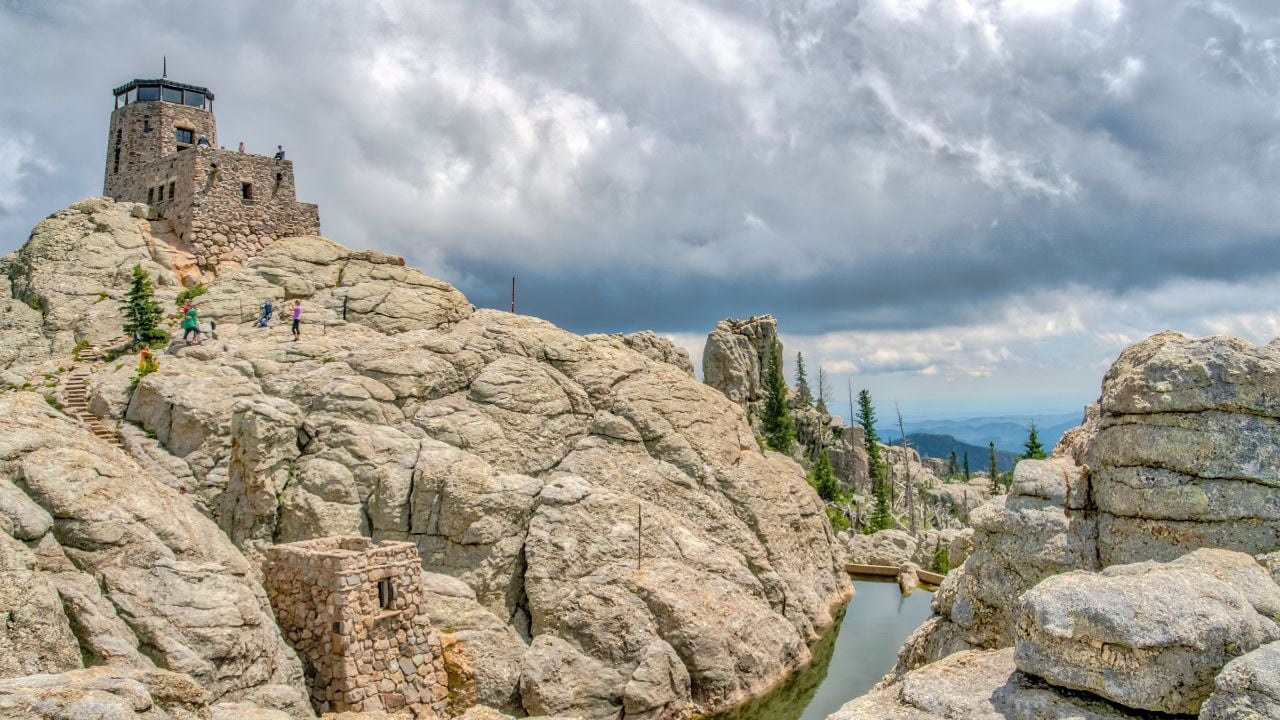
Custer State Park is made for windshield-to-trailhead exploring, with granite spires, open meadows, and winding roads that keep revealing new angles. Wildlife is a huge draw, and bison can show up with zero warning. With the Black Hills as a backdrop, even short stops feel cinematic.
Use Wildlife Loop Road for animal sightings, then drive Needles Highway for tight tunnels and sharp rock formations. Pullouts come quickly, and most are worth a pause. Early hours usually feel quieter, plus the softer light makes photos pop.
3. White Mountains, New Hampshire
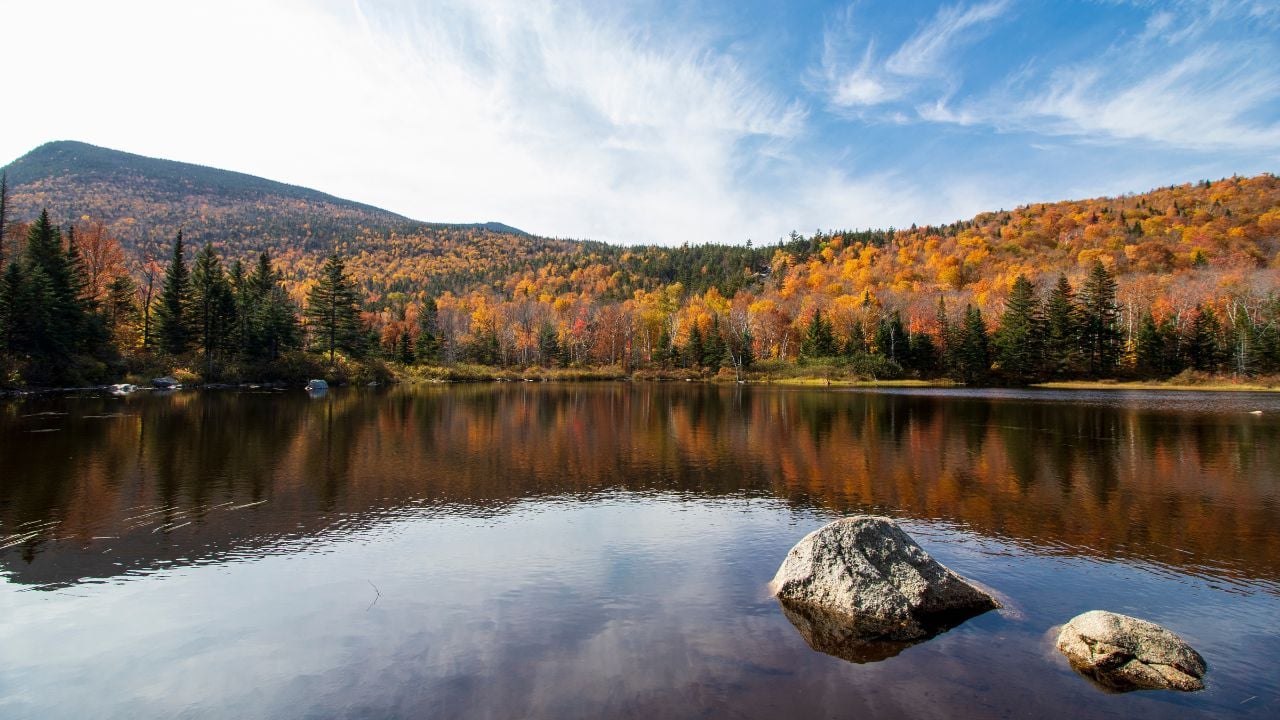
The White Mountains are a standout choice for hikers who want steep ascents and big payoffs. Many routes gain elevation fast, and the moment you break onto open ridgelines the world opens up. Conditions can swing quickly, which is part of what makes the day feel truly alpine.
Mount Washington is the headline summit, famous for serious weather and huge horizons. Shorter options across the region still deliver waterfalls, rocky scrambles, and high-up lookouts. Pack layers even in summer because wind and cloud cover can flip the temperature in minutes.
4. Adirondack High Peaks, New York
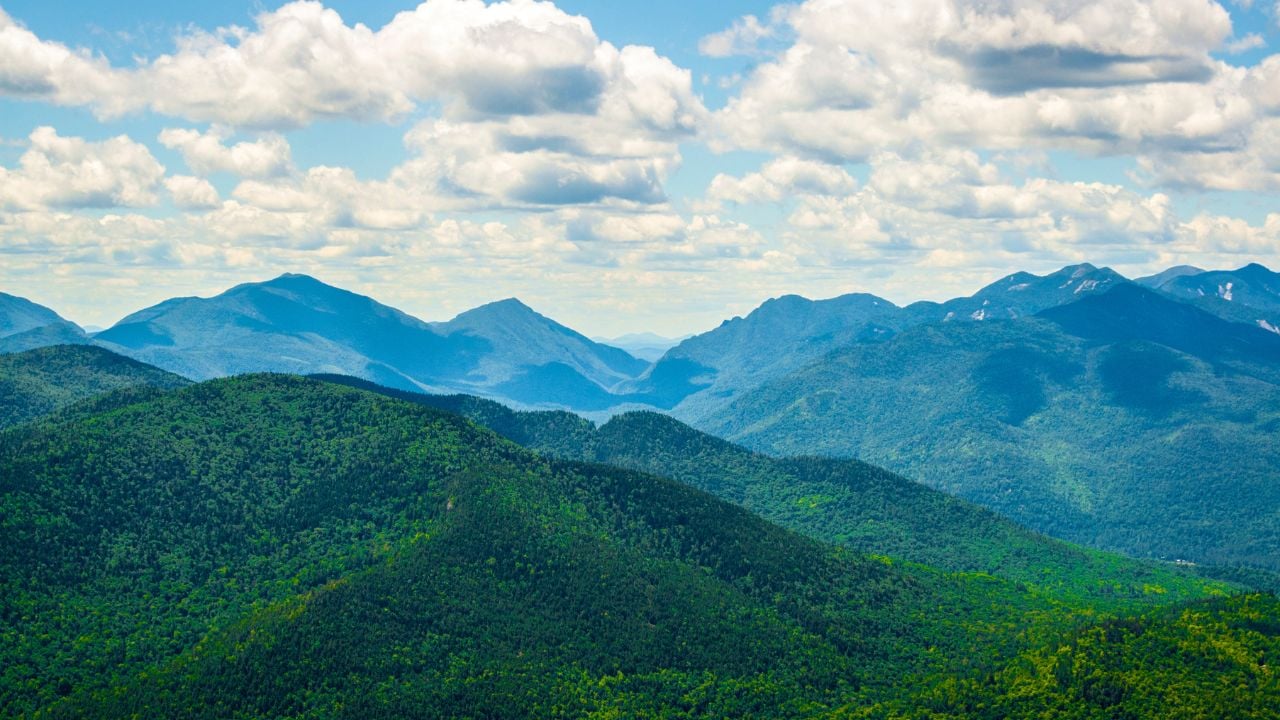
Adirondack High Peaks brings real wilderness energy, with remote lakes, thick forest, and climbs that make you earn the summit. The well-known challenge is the “46 High Peaks,” which has turned a lot of casual hikers into committed peak-chasers. The scale here feels bigger than most people expect in the Northeast.
Cascade Mountain is a popular pick with a strong summit reward for a reasonable effort. Mud and slick sections are common in wetter months, so plan for slower pacing. When you reach a bare rock ledge with a sea of green rolling out below, it’s hard not to stop for a while.
5. Sawtooth National Recreation Area, Idaho
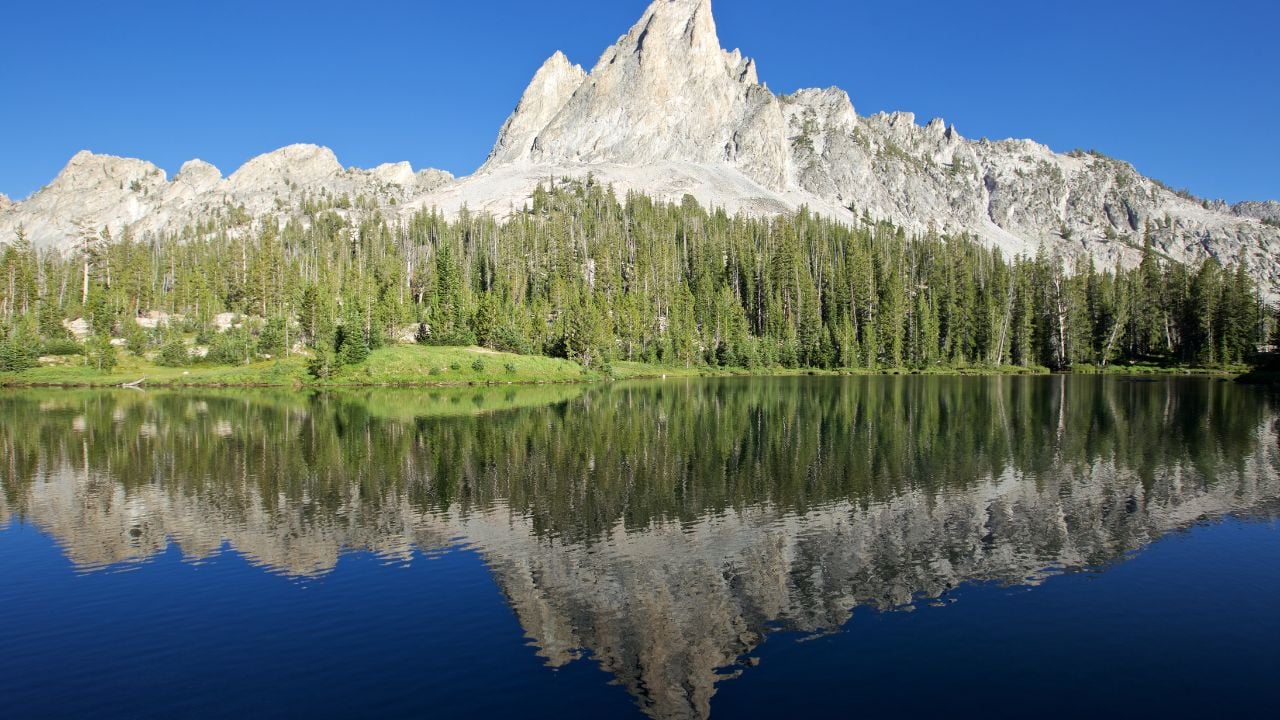
The Sawtooths look sharp and wild, with jagged peaks and alpine lakes stacked across the landscape. The first taste hits immediately, and the farther you push in, the more dramatic it gets. Every turn feels like it belongs on a postcard.
Stanley is the go-to base town, especially if you want straightforward logistics and quick access to trailheads. Day hikes to lakes are plentiful, and longer backcountry routes are there for anyone chasing solitude. Clear mornings tend to bring the best conditions for both hiking and photos.
6. Columbia River Gorge, Oregon and Washington
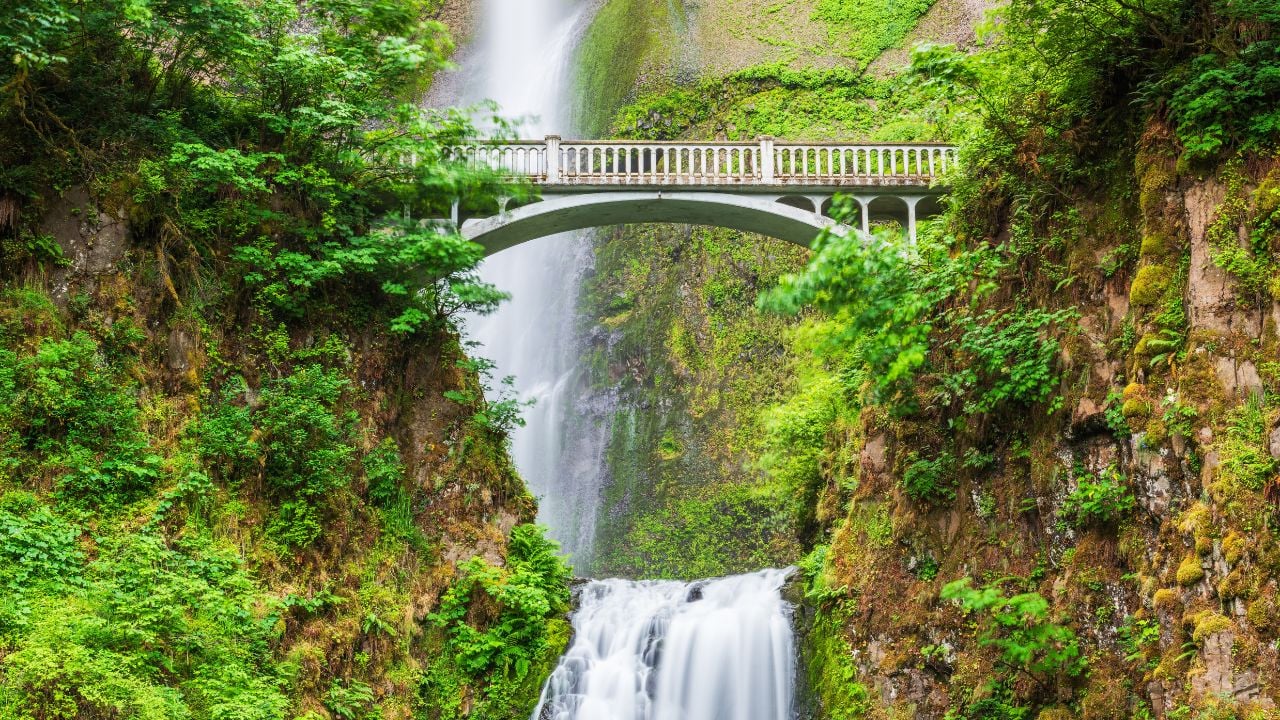
Columbia River Gorge is loaded with waterfalls, cliffside viewpoints, and mossy forest paths that stay rewarding even on short walks. It’s easy to string together multiple stops without spending the whole day driving. The region is protected as the Columbia River Gorge National Scenic Area, and the title fits.
Multnomah Falls gets the spotlight, but the fun starts once you move beyond the main pull-off. Short trails lead to quieter cascades and cliff-edge lookouts that feel surprisingly calm. Exposed areas can get windy, so a light jacket is a smart add-on.
7. Hocking Hills State Park, Ohio
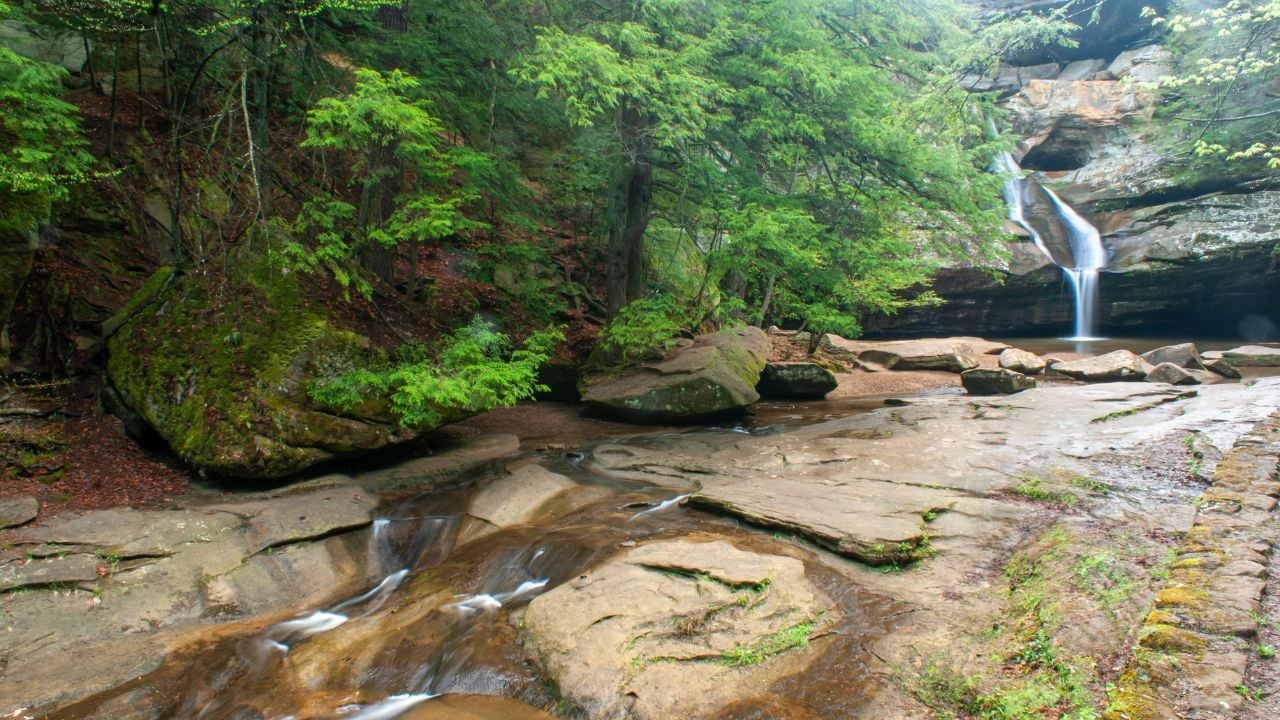
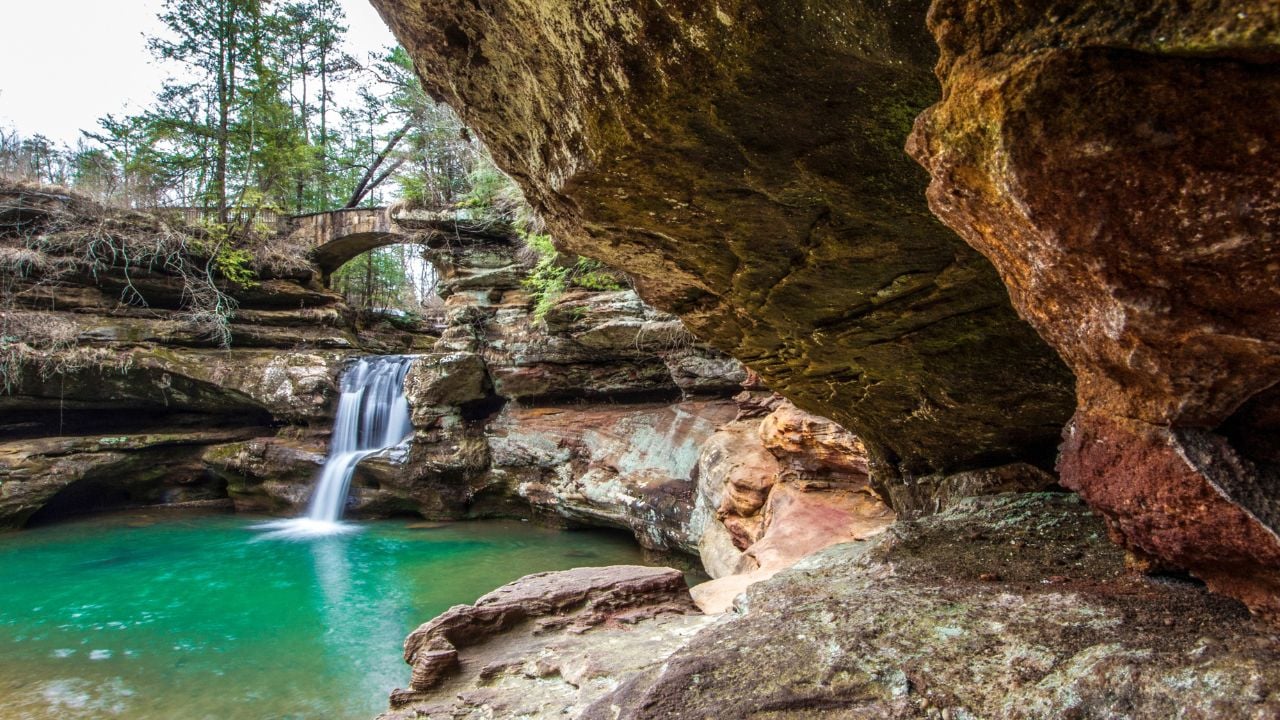
Hocking Hills delivers caves, cliffs, waterfalls, and narrow gorges that feel far bigger than most people expect from Ohio. The paths drop into shaded rock corridors where the air stays cooler during warm months. It’s an easy win when you want a memorable hike without complicated planning.
Old Man’s Cave is the classic starting point, with routes that connect toward Cedar Falls and Ash Cave. Stone steps and footbridges keep the route approachable while still feeling immersive. Go after recent rain for stronger falls, but take care on slick rock.
8. Valley of Fire State Park, Nevada

Valley of Fire is red-rock country at full volume, with bright sandstone and formations that look unreal under clean light. Color peaks early and late in the day, when the heat softens and the shadows add shape. It sits close to Las Vegas, but the terrain feels completely otherworldly once you enter.
Quick hikes lead to big moments fast, which makes it perfect for a tight itinerary. Petroglyph sites add a historical layer without turning the day into a museum crawl. Carry more water than you think you need because the desert punishes underestimators.
9. Sedona Red Rock Country, Arizona
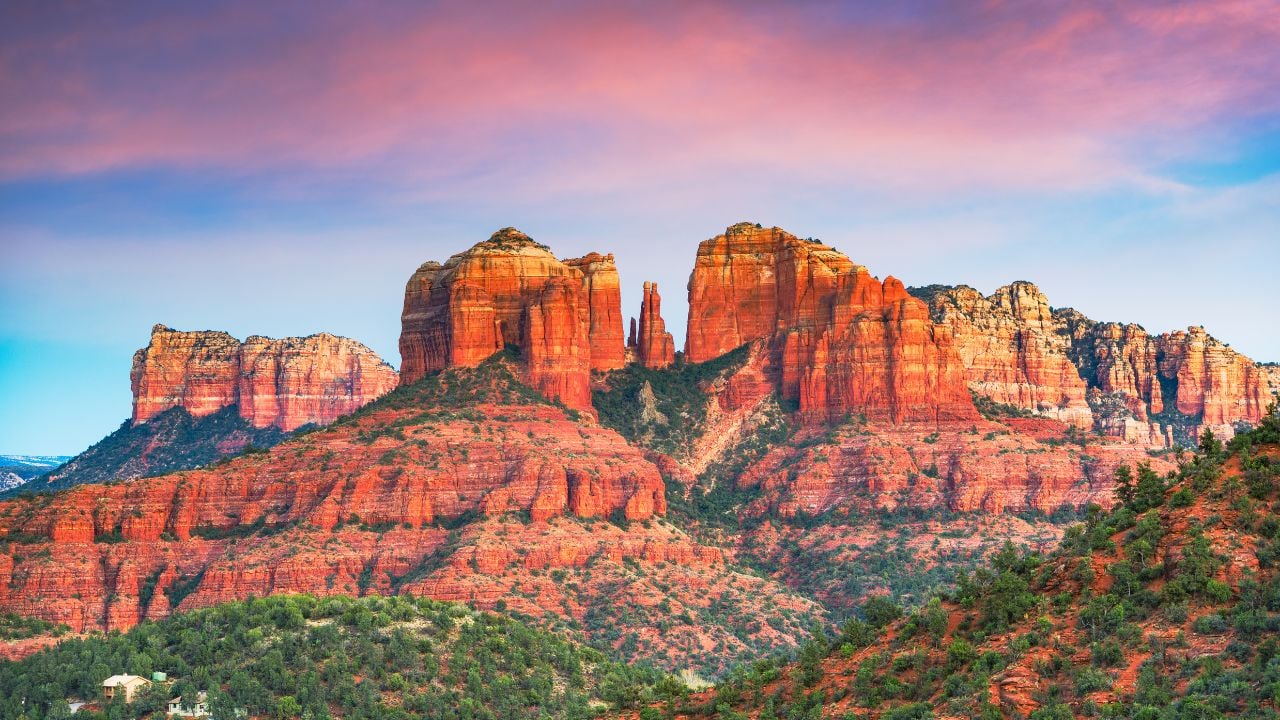
Sedona’s rock formations rise hard and fast, turning even short hikes into high-impact outings. Options range from gentle walks to leg-burning climbs, depending on how much effort you want to spend. The setting stays photogenic from almost every angle.
Cathedral Rock earns its reputation, especially when the warm light starts to roll in. Devil’s Bridge is another crowd magnet, with a famous photo spot at the end. Sun protection matters here because long sections stay exposed.
10. Boundary Waters Canoe Area Wilderness, Minnesota
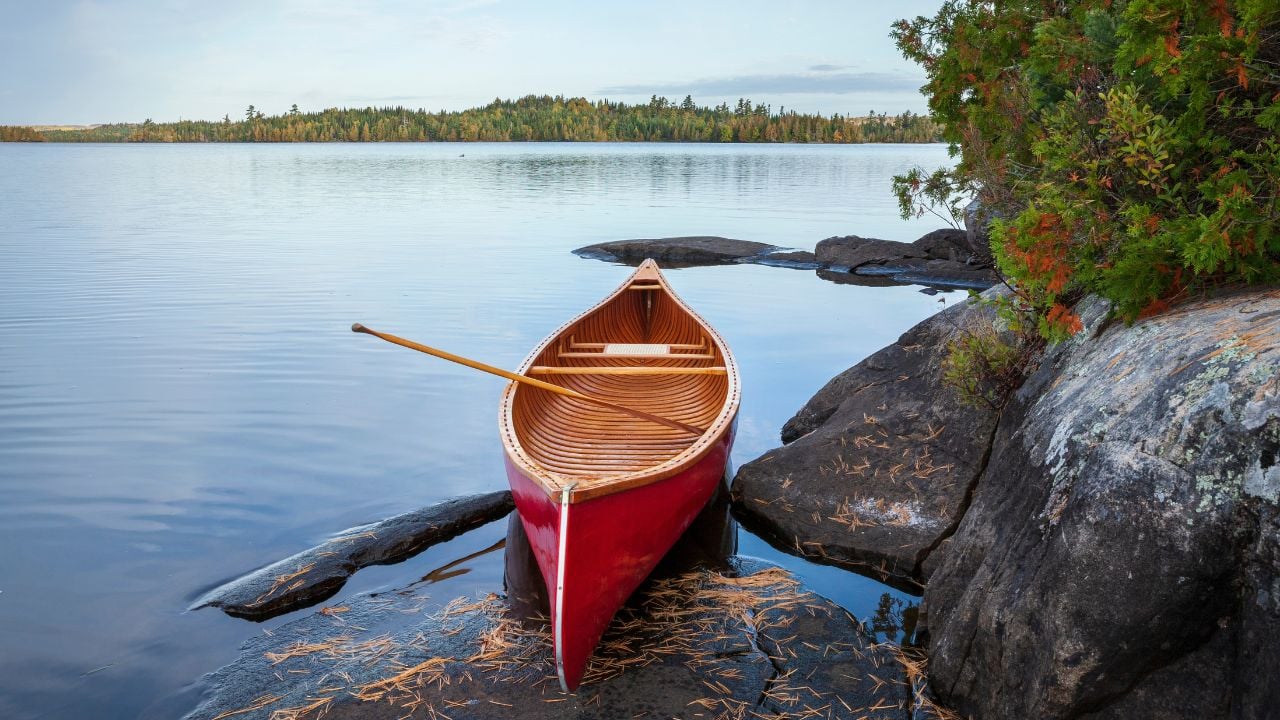
Boundary Waters is built for quiet travel, with canoe routes linking lakes through forested waterways. It’s one of the best places in the U.S. to truly unplug, because the pace changes the moment you start paddling. Silence becomes part of the experience, especially once you’re deep into the chain of lakes.
Portages are part of the deal, and overnight trips during the May 1 through September 30 quota season require a quota entry permit, which you reserve in advance and pick up through an issuing station. Weather shifts quickly, and damp gear is common, so waterproof storage helps. Nights are the reward, with dark skies and a level of calm that’s hard to replicate.
11. Pictured Rocks National Lakeshore, Michigan
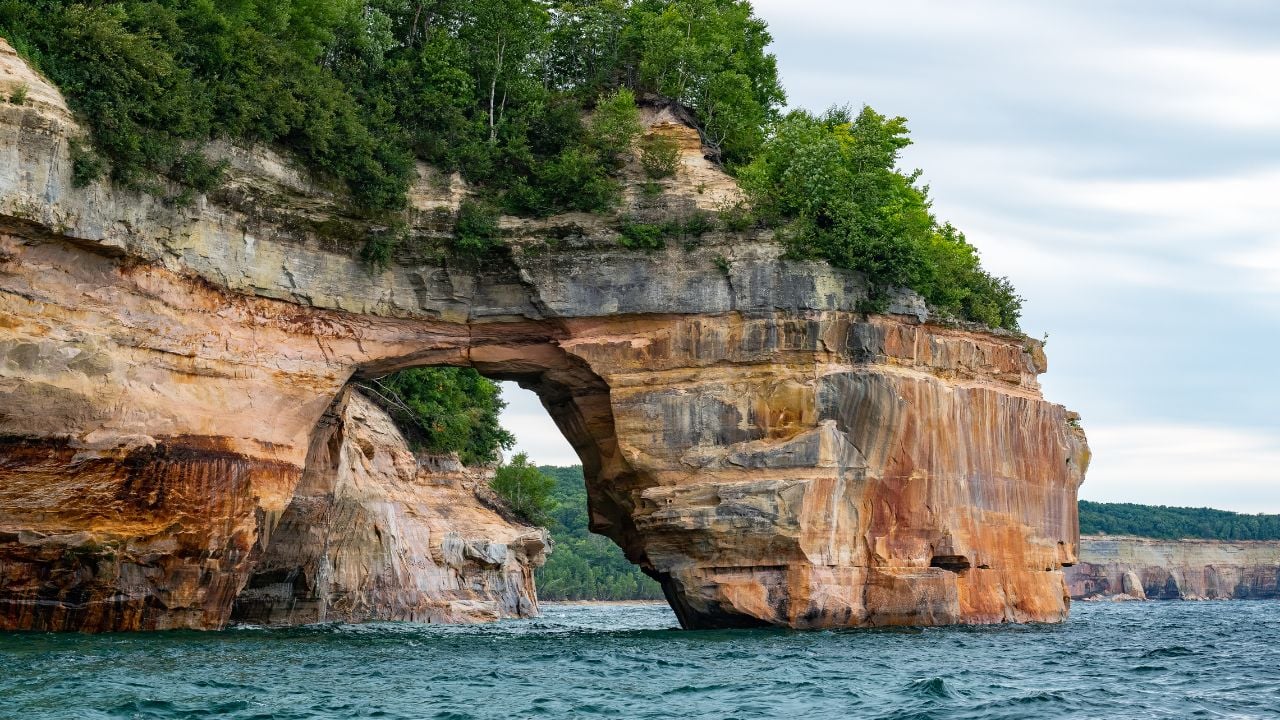
Pictured Rocks brings colorful cliffs to Lake Superior, with mineral-stained rock faces and beaches below. The coastline looks almost ocean-like, but it sits in Michigan’s Upper Peninsula, which makes the place feel like a surprise. It’s a strong pick for hikers, photographers, and anyone chasing shoreline drama.
Boat cruises are a low-effort way to see the cliffs from below. Kayaking can be unforgettable when the lake is calm and conditions are safe. Bring a warm layer even in summer, because the air off Lake Superior can turn chilly fast.
12. Cumberland Island National Seashore, Georgia
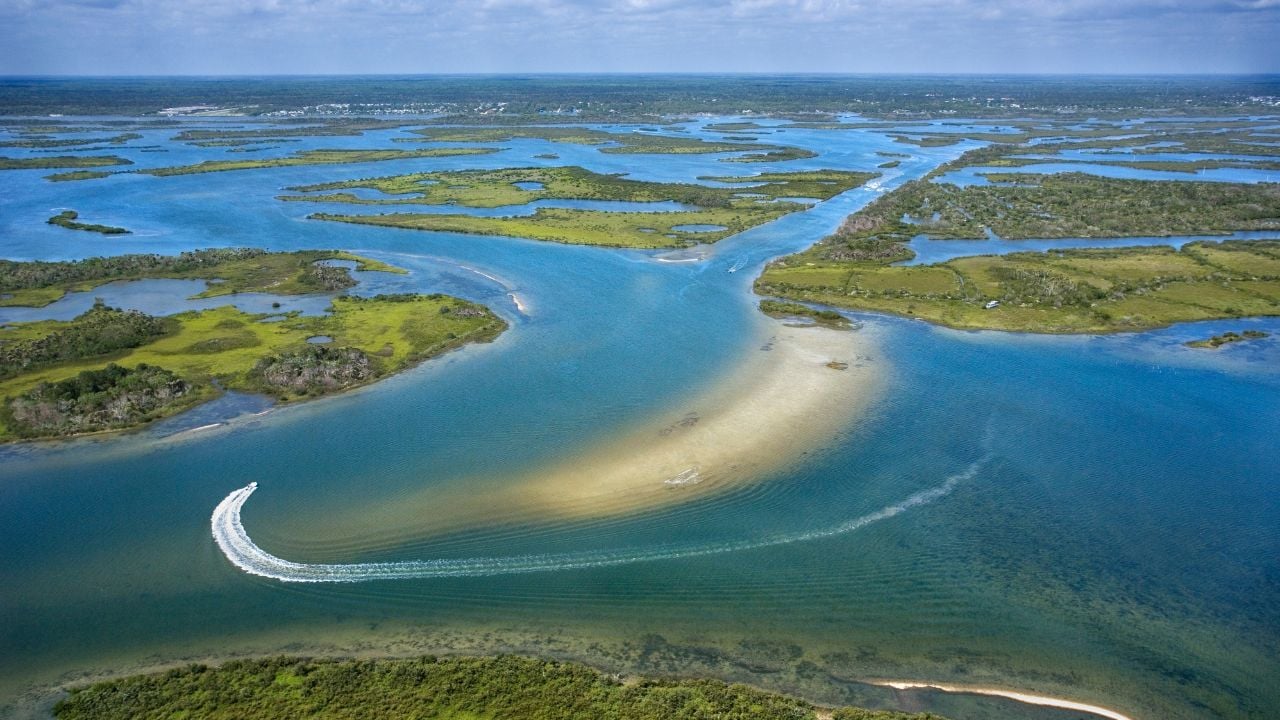
Cumberland Island is quiet Atlantic wilderness, with beaches, marshland, and shaded trails. It’s only reachable by boat, which naturally keeps visitor numbers lower. The island is also known for its wild feel and the chance to spot feral horses.
The passenger ferry runs from St. Marys, Georgia, so planning ahead makes the day smoother. Once you arrive, most of the experience happens on foot, which fits the relaxed rhythm. Bug spray is essential in warm months because the marsh can get intense.
13. Cape Hatteras National Seashore, North Carolina
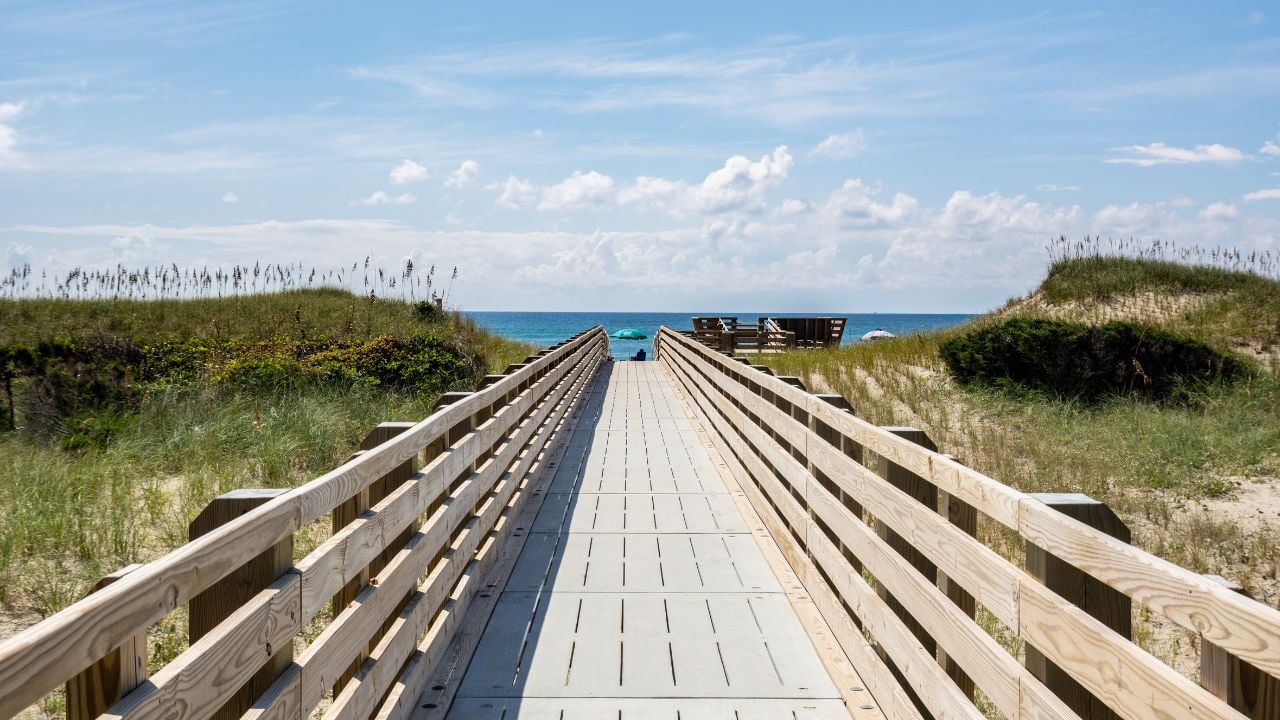
Cape Hatteras is peak Outer Banks energy, with wide dunes, open beaches, and huge skies that make the world feel bigger. It was authorized by Congress in 1937 and officially established on January 12, 1953, protecting a long stretch of barrier-island coastline. This is a place where time slows down on its own.
Beach-hop all day and you still won’t feel done. Wind is common, which adds punch to the surf and keeps the air feeling sharp. Sunrise often steals the show when the dunes catch the first light.
14. Apostle Islands National Lakeshore, Wisconsin
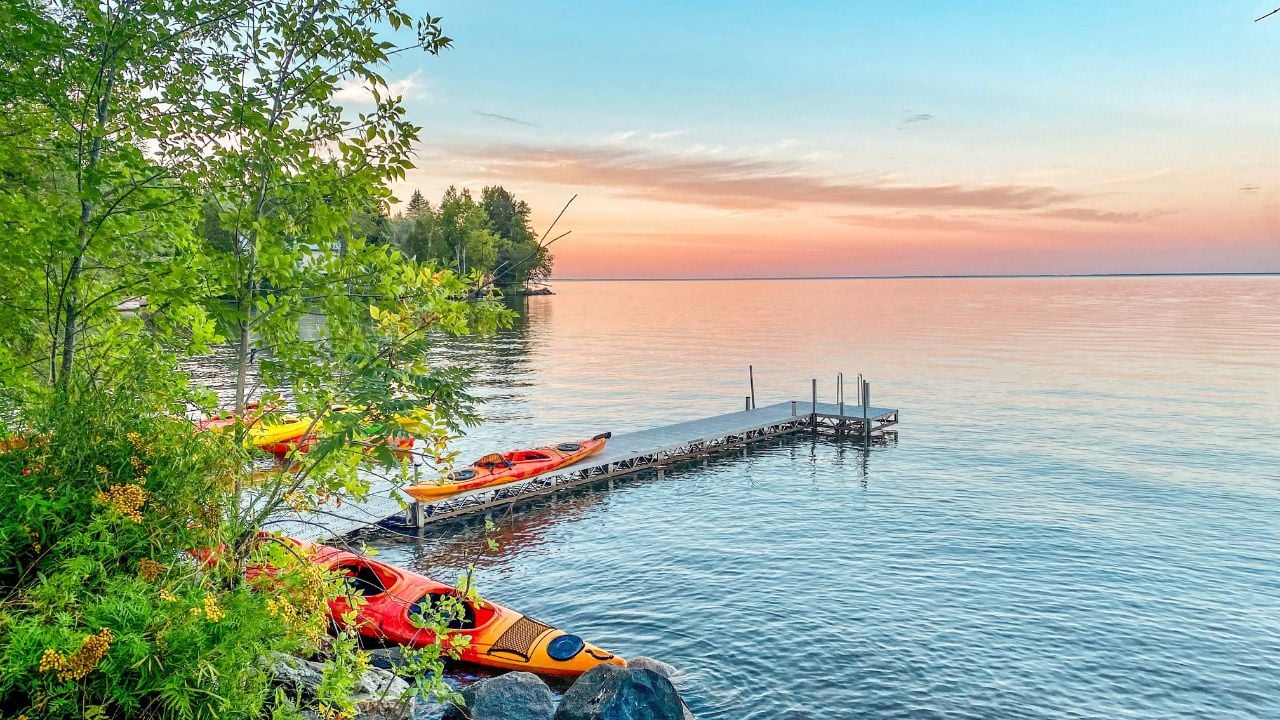
The Apostle Islands area is a freshwater adventure zone, known for sea caves, cliffs, and island-studded shorelines. Lake Superior can be glassy one hour and moody the next, sometimes in the same afternoon. When conditions cooperate, the cave walls and coastal rock textures look unreal.
Kayaking the sea caves is the bucket-list move, and guided trips are popular for good reason. Even from land, the shoreline near Bayfield gives you easy exploring and strong lookouts. Pack a windbreaker because breezes off the lake can change the feel of the day fast.
15. Nāpali Coast State Wilderness Park, Hawaiʻi
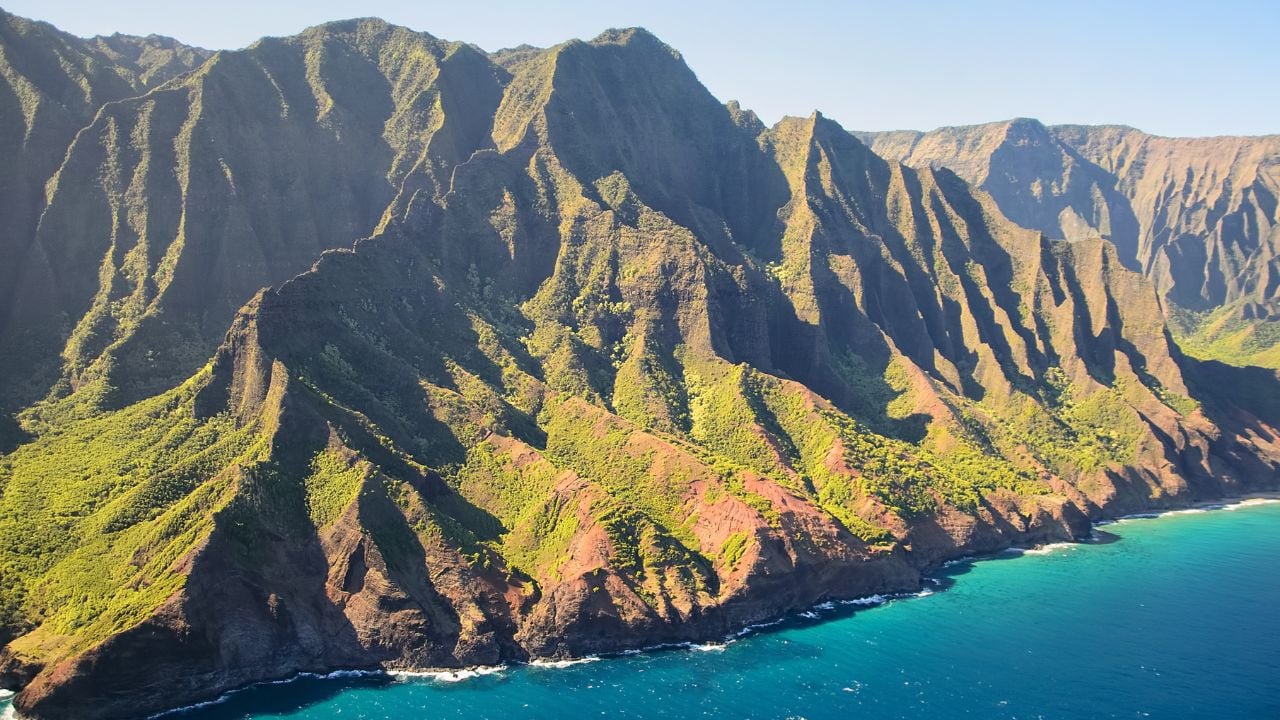
The Nāpali Coast is a serious showstopper, with steep green cliffs and ridges dropping straight toward the ocean. After rain, the entire coastline looks extra lush and almost unreal. This is one of those places where the land does all the talking.
The Kalalau Trail is the famous route, and it demands real preparation. Overnight hiking requires permits, and access is managed carefully to protect the area. Good footwear and realistic pacing matter a lot here.
16. Hatcher Pass, Alaska
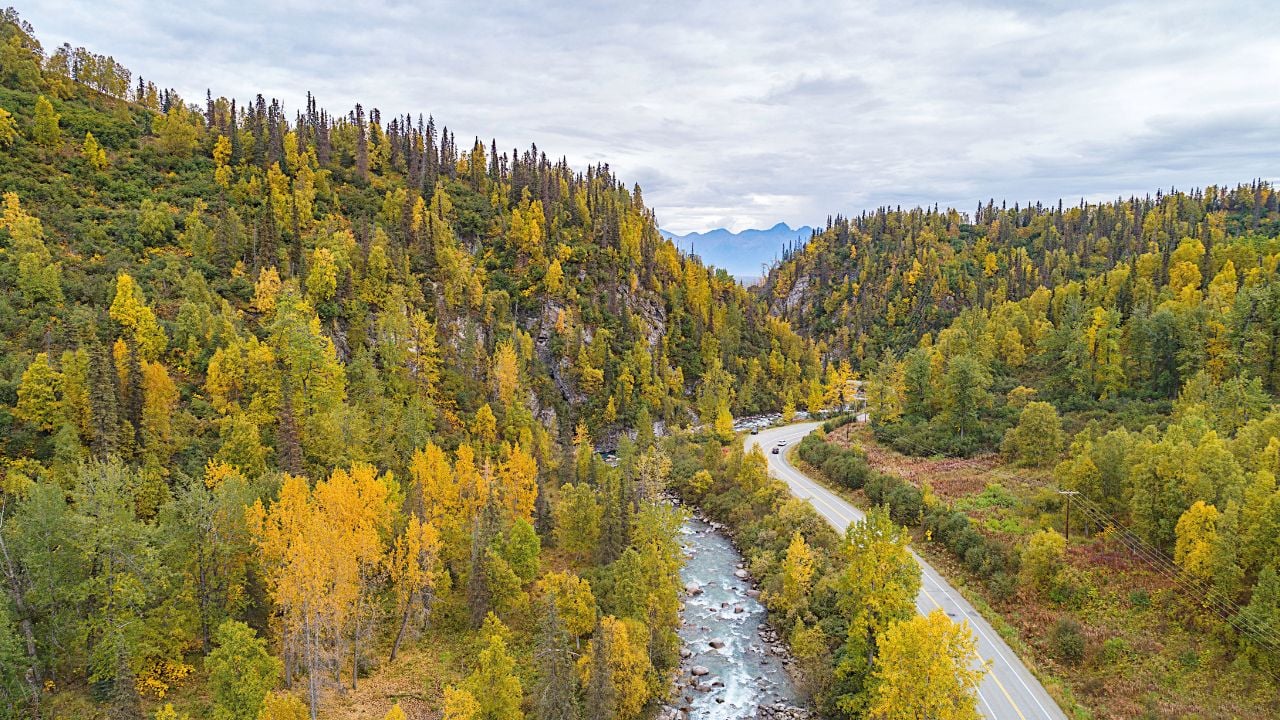
Hatcher Pass is an Alaska highlight that offers big mountain terrain without requiring a remote expedition. The road climbs quickly into rugged country, and the payoff starts early. Summer and early fall bring bright landscapes and long daylight hours that make exploring feel easy.
Independence Mine adds history to the day, with old buildings set against wild surroundings. The road over the pass is seasonal, and portions close to vehicles in winter, so timing matters. Pull over often, because the viewpoints show up constantly.
17. The Lost Coast, California
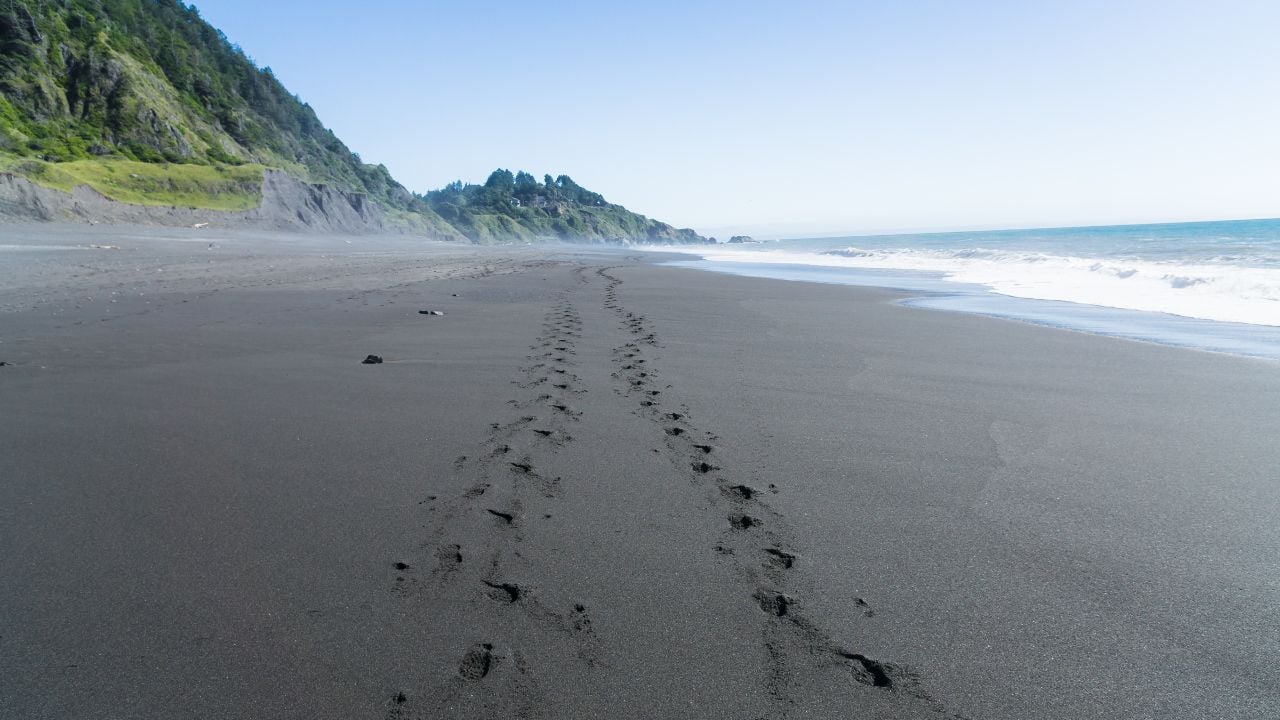
The Lost Coast is California in its rawest form, with rugged shoreline, driftwood beaches, and almost no development. It was bypassed by the highway system, which is a big reason it still feels remote and demanding. This is a destination for hikers who want true solitude.
The Lost Coast Trail requires planning around tides, and permits are part of the process. Some sections can become unsafe or impassable at high tide, so tide charts are non-negotiable. It’s a tough trip, but the isolation and coastline payoff make it unforgettable.