
Some of the world’s most extraordinary places are vanishing. Climate change, overtourism, rising seas, political instability, and unchecked development are erasing landscapes, cultures, and cities at a pace that’s shocking even experts. Destinations that once felt timeless are now racing against the clock, with scientists and locals warning that what exists today may be gone within a generation.
These aren’t distant hypotheticals or vague environmental fears. In many cases, the damage is visible, measurable, and accelerating. From sinking islands to melting glaciers and historic cities under threat, these destinations are disappearing faster than almost anyone expected.
1. The Maldives
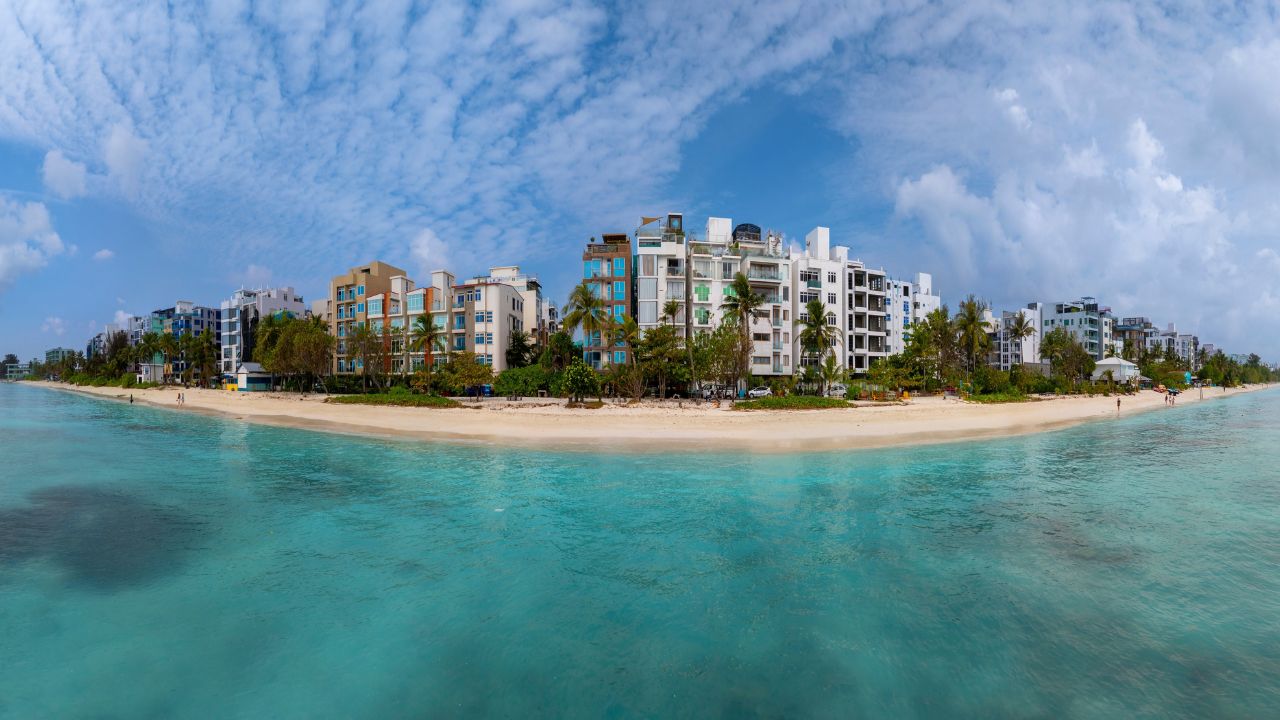
The Maldives sits just a few feet above sea level, making it one of the most vulnerable countries on Earth. Rising oceans and coastal erosion are already swallowing beaches and contaminating freshwater supplies. Entire islands have begun relocating residents as a matter of survival.
What makes the situation especially urgent is the pace. Scientists once predicted serious loss by the end of the century, but some islands are already struggling to remain habitable. Luxury resorts may survive a little longer, but local communities are facing a very different reality.
2. Venice, Italy
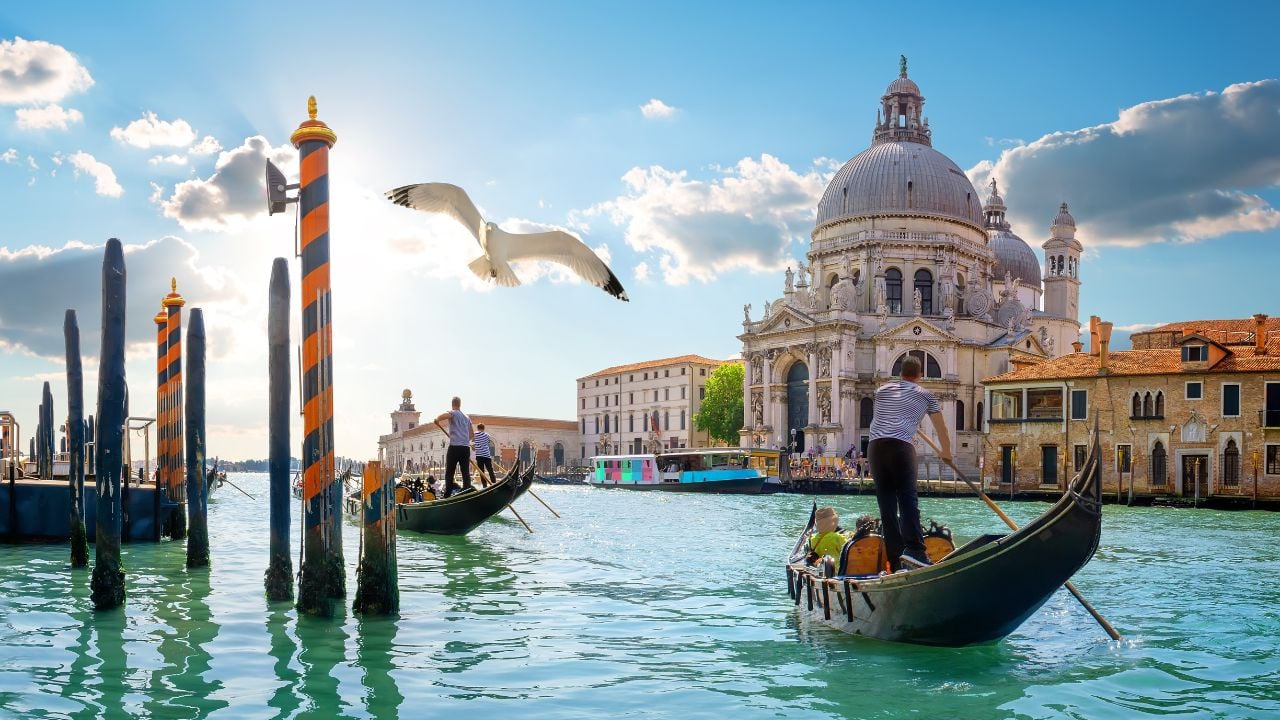
Venice has been sinking for centuries, but climate change has dramatically accelerated the problem. Higher tides and stronger storm surges now flood the city dozens of times each year, damaging historic buildings and infrastructure. The famous acqua alta events are no longer rare anomalies.
Mass tourism has only worsened the situation by stressing fragile foundations and ecosystems. While flood barriers offer temporary relief, experts agree they are not a permanent solution. Venice isn’t disappearing overnight, but its long-term survival is deeply uncertain.
3. The Great Barrier Reef, Australia
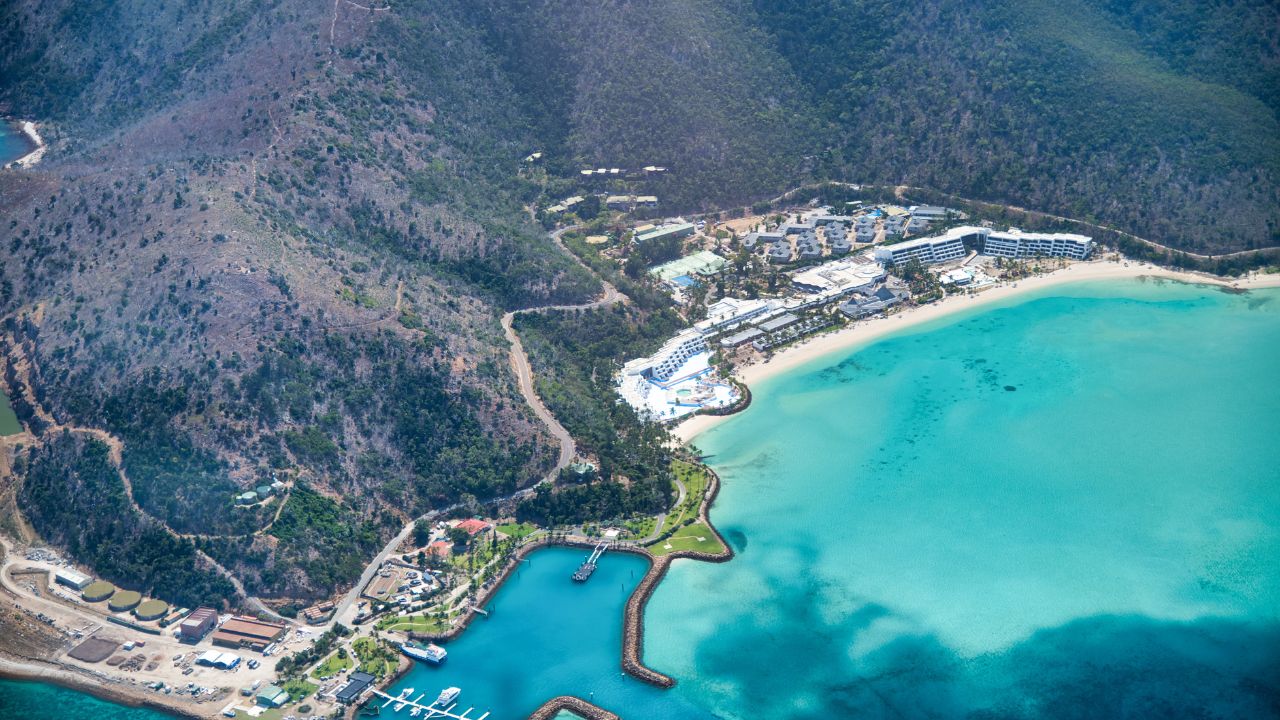
Once considered resilient, the Great Barrier Reef is now in rapid decline. Rising ocean temperatures have caused repeated mass bleaching events, killing vast sections of coral. Some areas have already lost more than half their living reef.
What’s alarming is how quickly recovery windows have vanished. Before reefs could regenerate, new heatwaves struck again. Scientists now warn that much of the reef could become unrecognizable within decades if warming continues.
4. Glacier National Park, USA
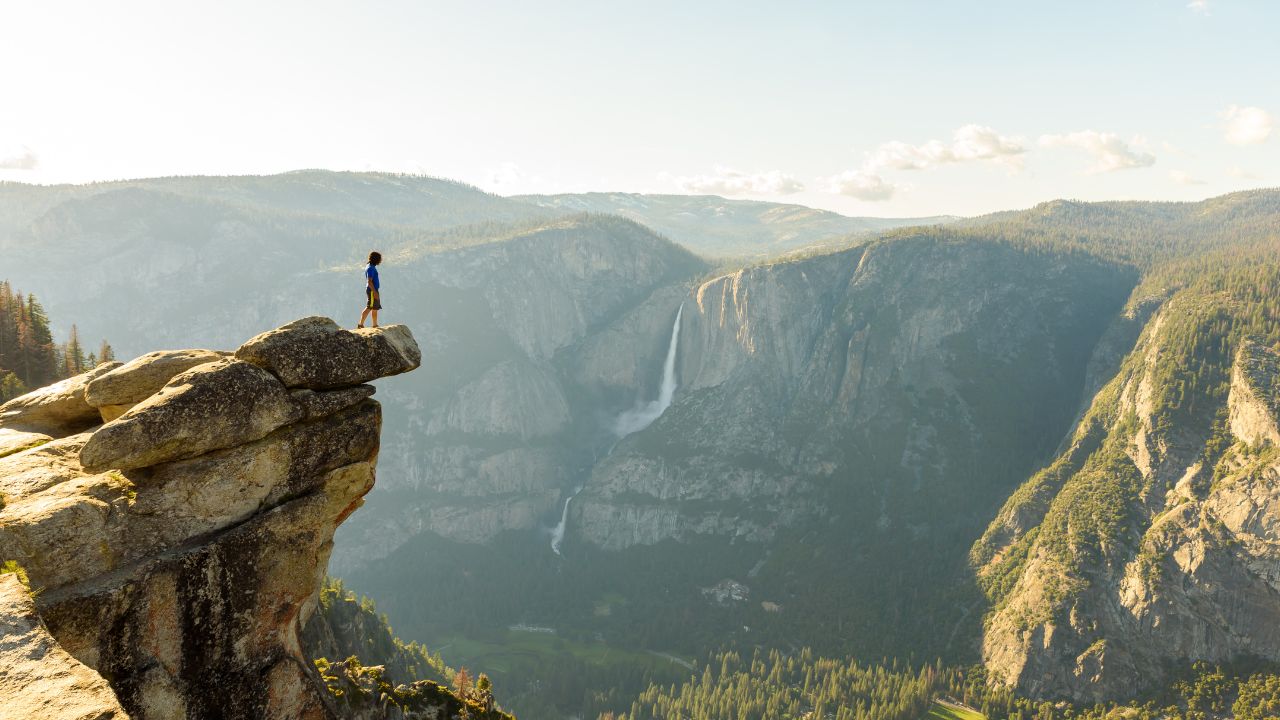
Despite its name, Glacier National Park is losing its glaciers at a stunning pace. In the early 1900s, the park had around 150 glaciers. Today, fewer than 25 remain.
Researchers estimate most could disappear entirely within the next decade or two. The park will still exist, but its defining feature, the glaciers themselves, may soon be gone, transforming ecosystems and water systems across the region.
5. The Dead Sea
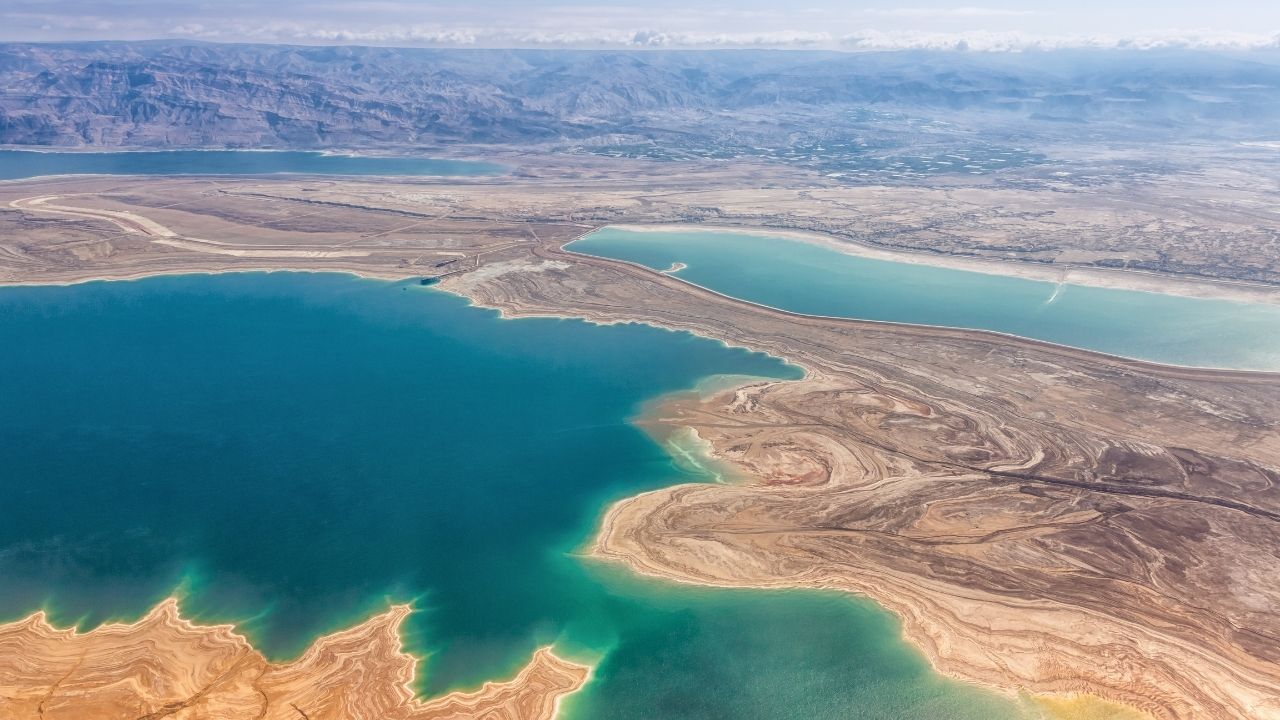
The Dead Sea is shrinking at an astonishing rate, losing more than a meter of water each year. Water diversion from the Jordan River and mineral extraction have caused the shoreline to recede dramatically.
As the water disappears, sinkholes form, roads collapse, and resorts are abandoned. What was once a vast, iconic body of water is fragmenting into smaller pools, changing the landscape faster than predicted.
6. Kiribati
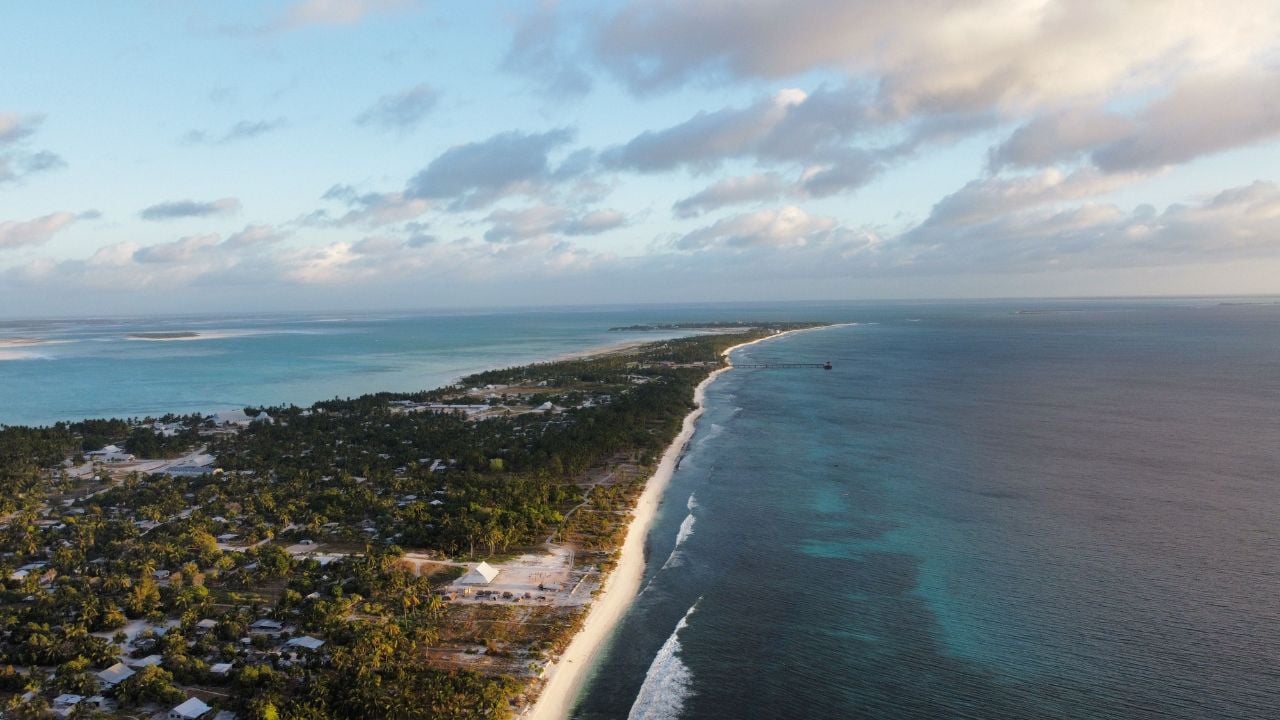
Kiribati, a low-lying Pacific island nation, is slowly being claimed by the ocean. Saltwater intrusion is poisoning crops and drinking water, while rising seas eat away at coastlines.
The government has already purchased land abroad as a potential relocation option. Kiribati may become one of the first countries in modern history to lose its territory almost entirely to climate change.
7. Machu Picchu, Peru

Machu Picchu isn’t sinking into the sea, but it’s under immense pressure from human impact. Heavy foot traffic, erosion, and landslides threaten the structural stability of the ancient site.
Strict visitor limits have slowed the damage, but the risk remains. Scientists warn that without continued controls, irreversible harm could occur far sooner than previously expected.
8. The Arctic
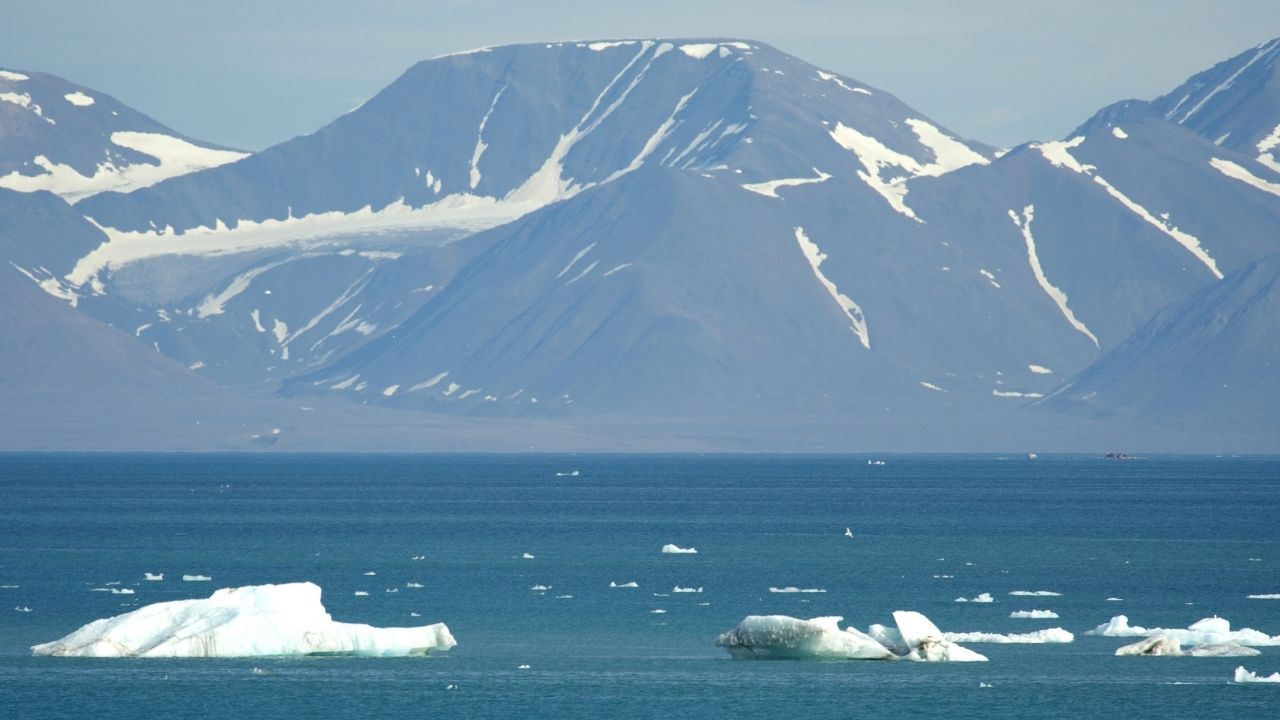
The Arctic is warming nearly four times faster than the rest of the planet. Sea ice is disappearing, glaciers are retreating, and entire ecosystems are shifting northward.
What was once a stable frozen world is becoming unpredictable. Indigenous communities, wildlife, and even global weather systems are being affected by changes happening faster than models anticipated.
9. The Sundarbans, India and Bangladesh
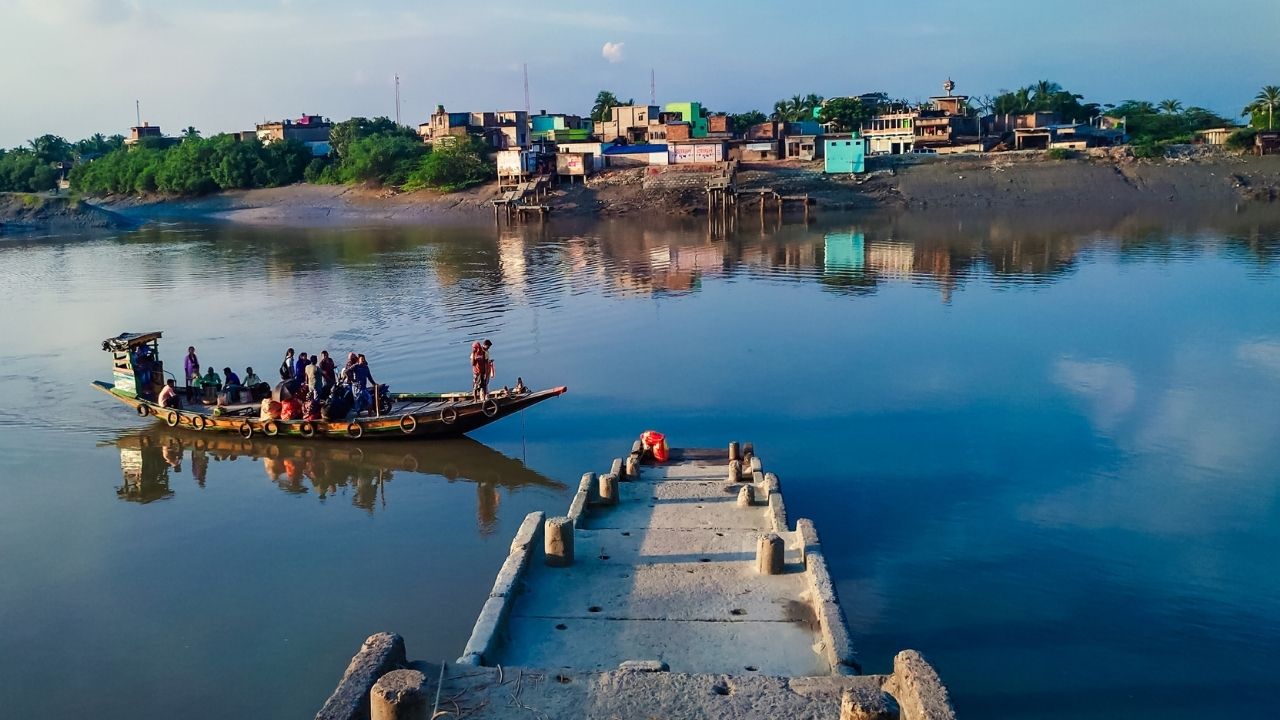
The world’s largest mangrove forest is being steadily eaten away by rising seas and stronger cyclones. Islands have already vanished, displacing thousands of residents.
The Sundarbans also protect inland areas from storms. As they disappear, both human communities and wildlife like the Bengal tiger face growing danger.
10. Easter Island, Chile

Easter Island’s iconic stone statues are under threat from coastal erosion and rising seas. Waves are increasingly battering the cliffs where many moai stand.
Conservation efforts are racing against time. While preservation can slow damage, experts worry that some statues may be lost within decades.
11. Tuvalu
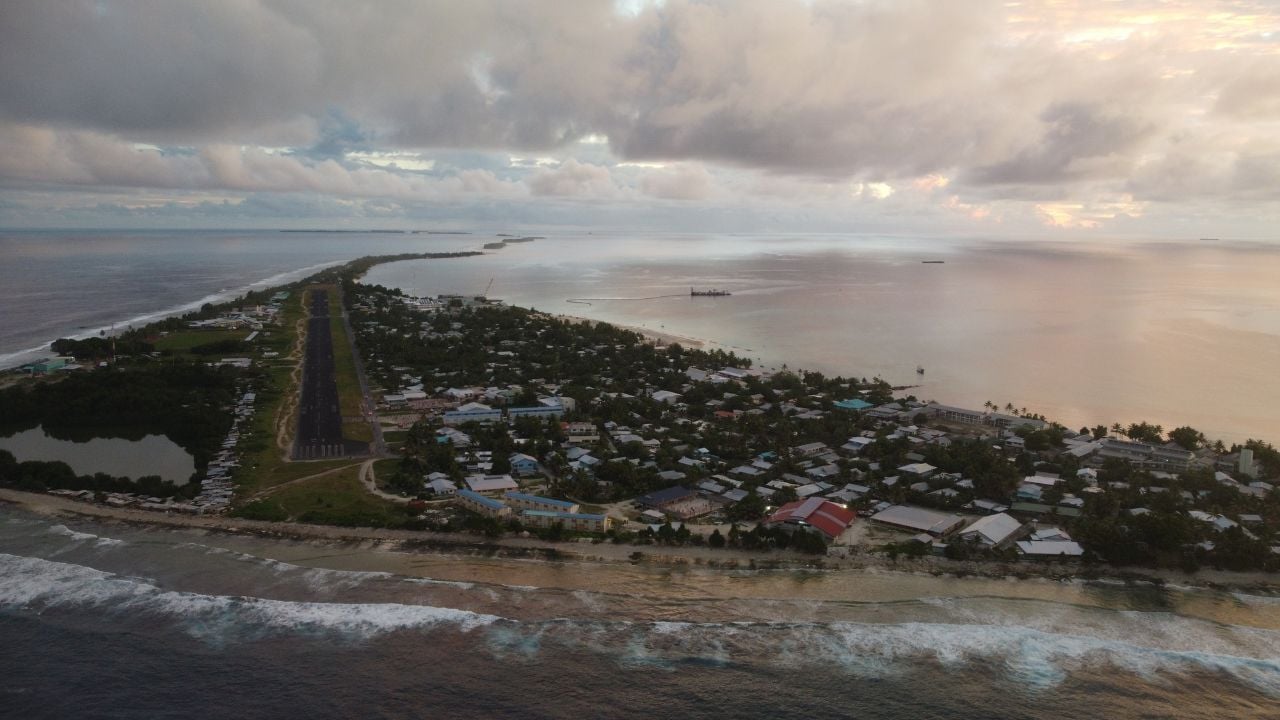
Tuvalu faces a future similar to the Maldives, but with far fewer resources. Flooding is becoming routine, and habitable land is shrinking.
International discussions now include Tuvalu in conversations about digital nationhood, preserving identity even if physical territory disappears. It’s a stark sign of how fast the situation is unfolding.
12. Alaska’s Coastal Villages

Several Alaskan villages are already planning relocation as permafrost melts and coastlines erode. Homes, schools, and roads are collapsing as the ground beneath them destabilizes.
These changes were once projected far into the future. Instead, entire communities are being forced to move within a single generation.
13. The Amazon Rainforest

Deforestation and climate stress are pushing parts of the Amazon toward a tipping point. Scientists warn large sections could shift from rainforest to dry savanna.
Such a transformation would fundamentally alter global climate systems. The speed of deforestation has shocked researchers who once believed the Amazon was more resilient.
14. Jakarta, Indonesia

Jakarta is sinking faster than almost any major city on Earth due to groundwater extraction and rising seas. Some areas subside by several inches each year.
The government has already announced plans to relocate the capital. While Jakarta won’t vanish overnight, parts of it may become unlivable far sooner than expected.
15. The Alps
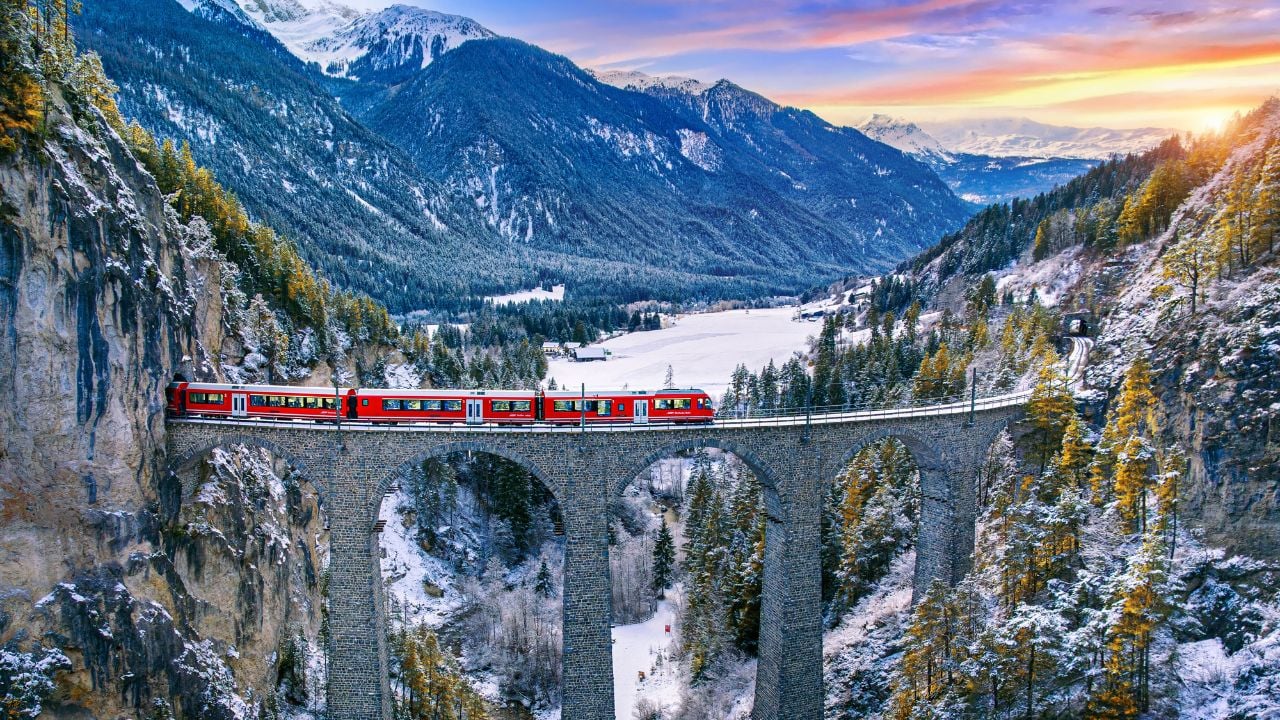
Glaciers across the Alps are retreating at record speed. Iconic snowy peaks are losing their ice, altering landscapes that defined European travel for centuries.
Ski seasons are shortening, water supplies are shifting, and alpine ecosystems are under stress. The Alps will remain, but the version people know is disappearing rapidly.