After two trips to Iceland, it’s one of my favorite places. The stunning and diverse landscapes, welcoming people, and the ability to do unique activities set it apart from so many other destinations. While I’ve never visited in the winter, Iceland offers four seasons of adventure, thanks to its brilliant northern lights. Inside, we’ll dive into places you can’t miss when you visit Iceland.
Travel tips for when you visit Iceland
Gas and food are expensive
Gas was near $12 a gallon while we were there. Food was also pretty pricey – though when we ate out, it felt comparable to Seattle or a resort town like Whistler. If you don’t eat out all the time, you’ll be fine. But honestly, it’s the gas that really gets you!
Stay at the Campgrounds
Icelandic campgrounds are quite nice, and almost all have showers, bathrooms, and a place to clean dishes. Some even have laundry! Additionally, it’s nice to be surrounded by friendly travelers and sometimes locals, also on a road trip. Plus, you have the ability to cook your own camp meals, which will save you money.
Flights to Iceland
Unless you’re coming from near the equator, flights to Iceland are not too bad. Our flight from Seattle to Iceland was 6.5 hours. Thanks to how the Earth is shaped, you swing far north over Greenland and then drop down.
When you visit Iceland, see the Blue Lagoon
You should definitely visit the Blue Lagoon. It’s so worth it, and it’s the perfect place to stop right after you land, or right before your flight out. (It’s only 20 minutes from the airport.)
It’s one of those experiences you don’t get anywhere else.
Get my 37-page guide to visiting Iceland, including over 100 pinned locations!
Top Things to See When You Visit Iceland
1. Studlagil Canyon

Studlagil Canyon is a geological wonder in Iceland, known for its striking basalt column formations that create a unique and dramatic landscape, making it a must-visit destination for nature enthusiasts and photographers alike. One thing to note is you cannot access the inside of the canyon from the campground. The canyon access is a mile or so beforehand, requiring you to drive across the river and on a short dirt road.
2. Diamond Beach

Adjacent to Jokulsarlon Glacier Lagoon, Diamond Beach captivates visitors with its glistening icebergs, washed ashore on a black-sand beach, resembling sparkling diamonds against the stark contrast of volcanic sands, offering a surreal and unforgettable experience.
3. Landlamannalauger

Landmannalaugar boasts a stunning volcanic landscape with colorful rhyolite mountains, natural hot springs, and incredible hiking trails, making it an insane area for outdoor adventures. You have to have a 4×4 vehicle, thanks to sandy road conditions. You can also book a tour to bring you out here for a day.
4. Skogafoss

Skogafoss, a powerful and picturesque waterfall, is renowned for its towering drop and ethereal mist, providing a mesmerizing backdrop for photography and an exhilarating experience for those who venture close. One of my favorite hikes in Iceland is the Waterfall Way hike, which goes upstream of the waterfall. On this trail, you’ll see another six or seven waterfalls.
5. Dettifoss
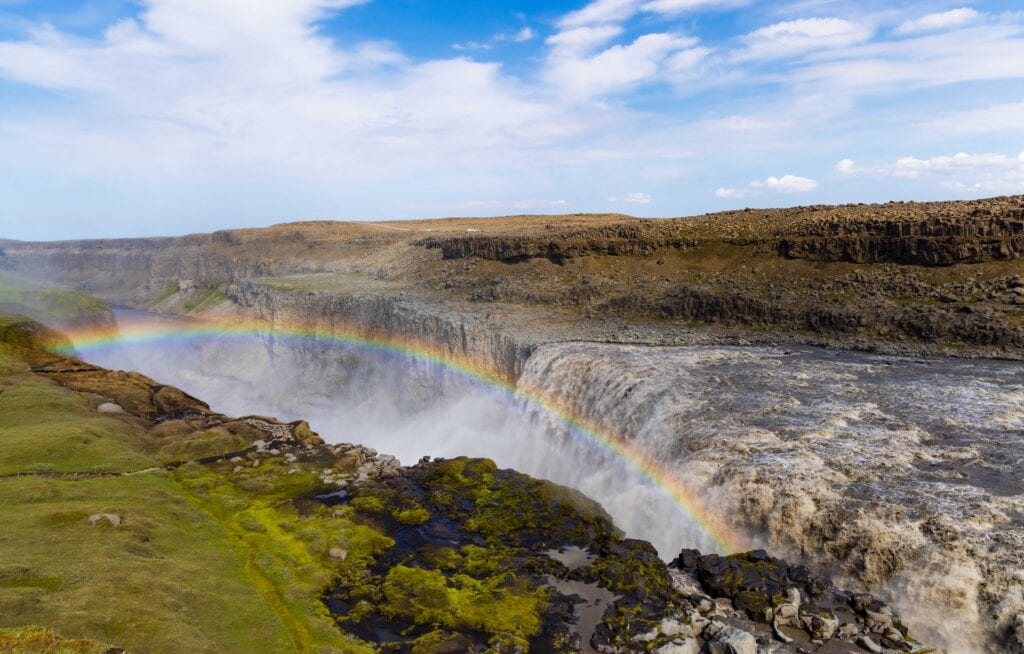
Dettifoss holds the title of Europe’s most powerful waterfall, with its thunderous cascade of glacial water carving through rugged canyons to create an awe-inspiring spectacle of nature’s raw power. This is one of the must-see waterfalls when you visit Iceland.
6. Geysir

The Geysir, one of the world’s most famous geysers, is an awe-inspiring natural wonder located in the Haukadalur Valley, where visitors can witness its powerful eruptions, sending scalding water and steam high into the sky, a captivating display of Earth’s geothermal forces.
7. Jokulsarlon Glacier Lagoon

After two visits to Jokulsarlon Glacier Lagoon, I can firmly say it’s one of the must-sees in Iceland. With stunning icebergs floating on an Arctic-blue glacial lake, and a huge glacier in the background, it’s incredible. Toursists can explore the lagoon on a boat tour or via kayaking.
8. Iceland’s Many Glaciers

Vatnajökull Glacier, located in the southeast of Iceland, is not only the largest glacier in Europe but also a mesmerizing natural wonder, with its vast ice cap encompassing a range of stunning features, including ice caves, glacial lagoons, and breathtaking vistas.
9. Vestrahorn and Stokksnes

Vestrahorn and Stokksnes offer a dramatic coastal panorama with towering peaks, black dunes, and the iconic Vestrahorn mountain, making it a paradise for landscape photographers and nature lovers. You have to pay a small fee to enter the area, but it’s definitely worth it.
10. East Iceland Fjords

The East Iceland Fjords don’t see nearly as many visitors as the rest of the country does. It’s a solid 6-hour drive to the opposite end of the island. But that’s what makes the area special. It’s greener, warmer, and doesn’t have the tourist bus problem the southern coast does. You’ll get to experience what Iceland used to be like.
11. Katla Ice Cave

Katla Ice Cave sits to the north of Vik near the massive glacier. While it no longer looks like it does above due to rapidly melting glaciers as the earth continues to warm, tour companies find new glacier areas to explore. It’s a sight to behold, for sure.
12. Reynisfjara Beach

You can still access the upper viewpoint to see the dramatic coastline, but this beach has been altered by strong winter storms that thrashed Iceland’s southern coast. Make sure to read up-to-date information about the Vik area to stay safe.
FAQ: Visiting Iceland
What is the best month to visit Iceland?
Anytime during the summer is the best month to visit Iceland. The long days will allow you to explore to your heart’s delight and show off why this country is so magical. Yes, there will be more crowds, but it’s nothing like what you’d see in the USA or other popular mainland European countries.
The only downside to visiting in the summer is the lack of northern lights.
Is Iceland very expensive to visit?
Yes, Iceland is an expensive country because it’s an island and has to import most of its food and materials. Because of this, you should save up for a trip, as it’s hard to do it cheaply.
How much money do I need for 10 days in Iceland?
My now wife and I spent around $5,500 on our 10-day trip to Iceland. However, we had flight credits that dropped our round-trip flights to $325 and got our campervan at a sizeable discount. Most people should expect to spend about $6,500 for two people over that time frame, unless you are going for a very frugal lifestyle.
Is 7 days enough to visit Iceland?
I would say 7 days is a great time to visit Iceland. You’ll be able to fully explore the southern coast or do a quick trip around the island. However, if you do drive the ring road, you likely will feel rushed to complete it in only 7 days.
Is it safe to go to Iceland right now?
Totally. Iceland is an extremely safe country, and you shouldn’t worry about feeling unsafe.
Final thoughts: What to See When You Visit Iceland
When you visit Iceland, it is a truly unique and awe-inspiring destination that should be on every traveler’s bucket list. From the majestic waterfalls and geothermal hot springs to the stunning glaciers and black sand beaches, there is no shortage of natural wonders to explore.
The vibrant capital city of Reykjavik offers a perfect blend of history, culture, and modern amenities. Whether you are an adventure seeker looking for thrilling activities like glacier hiking or a nature lover hoping to witness the mesmerizing display of the Northern Lights, Iceland has something for everyone.