
Some cars arrive to terrible reviews, confused buyers, and industry skepticism, only to find redemption years later. They might have generated plenty of buzz when new, whether for daring designs, odd features, or ambitious ideas, but failed to turn that attention into meaningful sales (well for most of the cars on the list). Maybe they were too expensive, too different, or just ahead of their time.
In hindsight, it’s easy for critics to point out the flaws and claim they saw the failure coming. But many of these cars were genuinely bold efforts, creative swings in an industry that often prefers to play it safe. What seemed like missteps at launch have quietly transformed into cult favorites, celebrated by small but passionate groups of enthusiasts who appreciate their quirks and character.
These are the cars that critics dismissed but gearheads eventually embraced, proving that the automotive world’s most interesting stories often come from its biggest risks. The path from controversial to cult classic isn’t straightforward, but these 12 vehicles made the journey, earning the kind of devoted followings that would have shocked their original detractors.
Time has a funny way of turning automotive outcasts into something worth celebrating.
Pontiac Aztek (2001-2005)

The Aztek became the poster child for automotive design failure, with its angular styling and plastic cladding drawing immediate ridicule. Yet Breaking Bad’s Walter White made it cool in retrospect, and its practical features like the available camping-tent accessory, available cooler center console, and versatile cargo system were genuinely ahead of their time.
Today’s crossover buyers would probably appreciate its functionality more than 2001 shoppers did.
DeLorean DMC-12 (1981-1983)
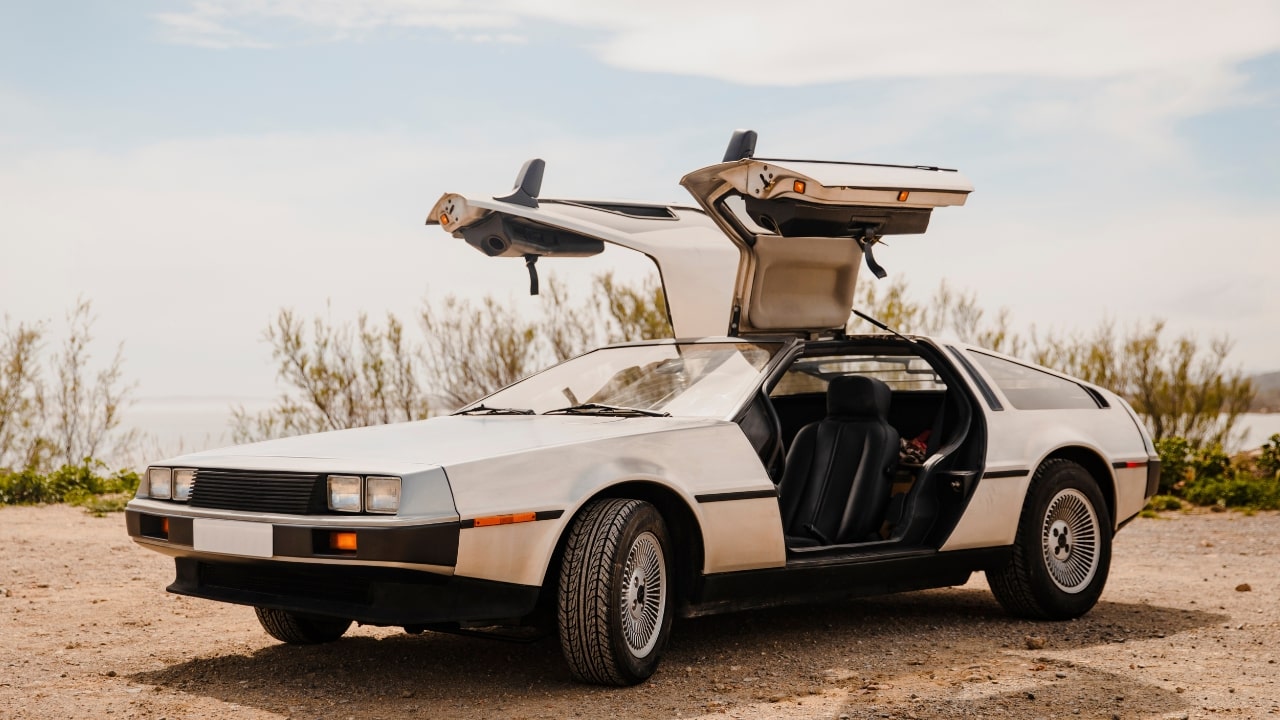
The stainless steel sports car from John DeLorean’s ambitious venture was underpowered, suffered early build-quality issues, and was ultimately undone by financial turmoil. Back to the Future saved it from complete obscurity, transforming a commercial failure into one of the most recognizable cars in pop culture.
The 130-horsepower V6 was disappointing, but the gullwing doors and brushed metal body guaranteed it would never be forgotten.
AMC Pacer (1975-1980)

This wide, bubble-shaped compact with more glass than metal was mocked as a fishbowl on wheels when it debuted. The asymmetrical doors and unusual proportions confused buyers expecting conventional American styling, yet the Pacer’s attempt at something genuinely different now earns it respect at car shows.
Its failure to find an audience doesn’t diminish the fact that AMC actually tried to innovate in a boring era.
Chevrolet SSR (2003-2006)

The SSR blended retro styling with convertible pickup utility, but its hefty price tag and substantial curb weight made it a tough sell. Early models featured a 300-horsepower V8 that struggled to deliver the performance its muscle car looks promised.
A later upgrade to the 390-horsepower LS2 engine improved acceleration, yet by then the market had shifted. Today, the SSR stands out as a distinctive collector’s item, appreciated for its bold design and unconventional charm.
Subaru Baja (2003-2006)

Straddling the line between car and truck, the Baja left both critics and buyers unsure of how to categorize it. Built on the Outback platform with a compact roughly 41.5-inch (about 3.5-foot) bed, it lacked the hauling power of a traditional pickup but offered a smoother, more car-like driving experience.
While it struggled to find a clear audience at launch, today’s outdoor enthusiasts recognize the Baja as a forward-thinking blend of utility and comfort, an early attempt at the adventure-ready lifestyle vehicles now in demand.
Plymouth Prowler (1997-2002)
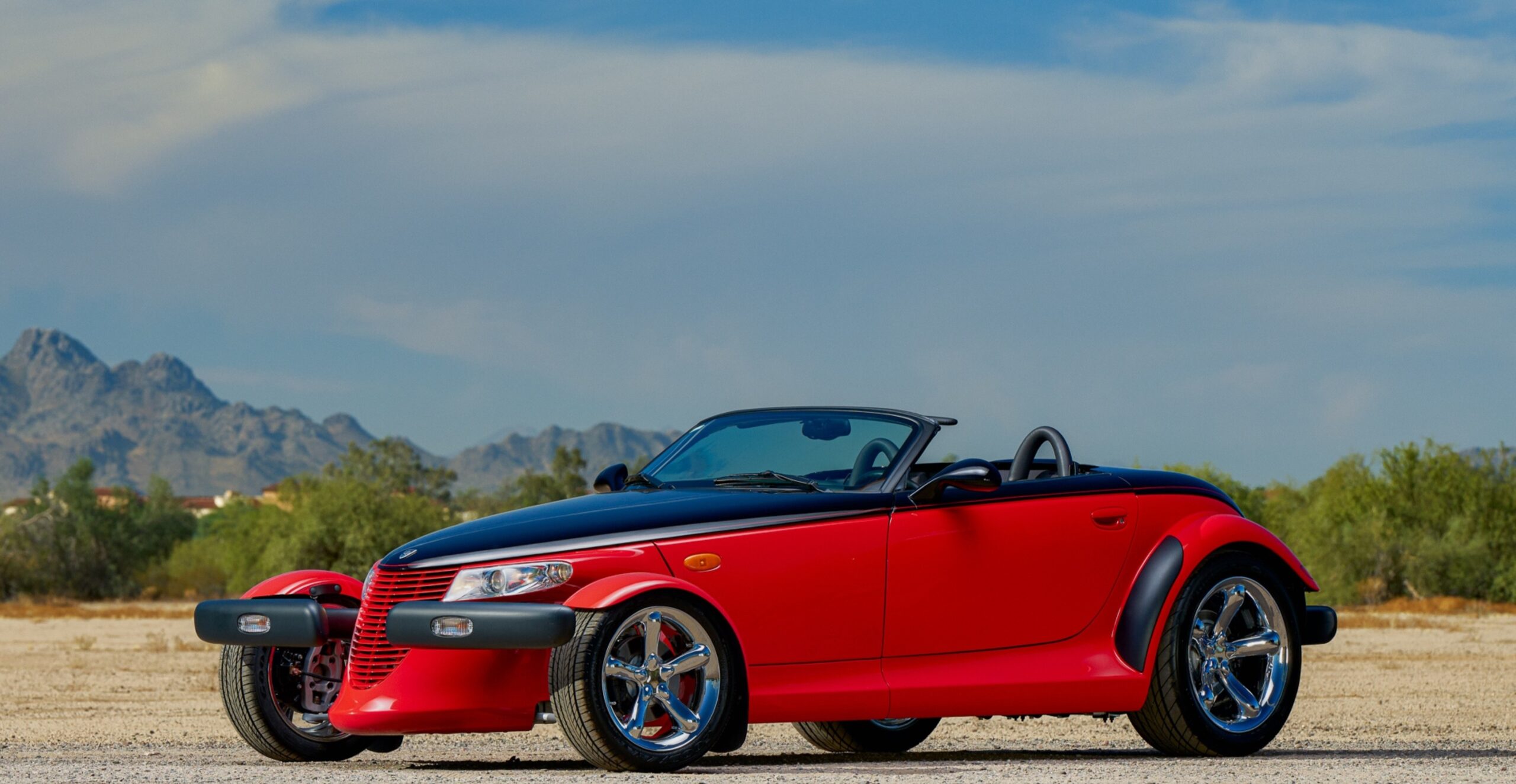
When the Prowler debuted in the late ’90s, it was pure visual drama. With its exposed front wheels, aluminum body, and unmistakable hot rod silhouette, it looked like a concept car that somehow escaped the design studio. Our local Chrysler dealer had one parked in the showroom, complete with the matching tow-behind trailer, and traffic genuinely slowed as people craned their necks to get a better look.
While today’s reviews often dwell on its performance, that wasn’t the main conversation back then. Sure, the 3.5-liter V6 and automatic transmission borrowed from Chrysler’s passenger-car lineup didn’t thrill purists, but the lack of a manual likely hurt sales more than the absence of a V8. And let’s be honest, impractical convertibles rarely sell in huge numbers, no matter what’s under the hood.
What the Prowler offered was style, exclusivity, and a surprisingly modern driving experience wrapped in retro vibes. It’s still relatively affordable today, making it a unique way to enjoy turn-of-the-century design with just enough amenities to keep things comfortable.
Chrysler PT Cruiser (2001-2010)

The PT Cruiser was one of the more unusual vehicles to hit the market in the early 2000s. With its high roofline, retro-inspired styling, and surprising interior space, it stood out in a sea of bland compact cars. You’d spot them in bold colors, often customized with flame decals, chrome grilles, or aftermarket wheels, proof that buyers were drawn to its personality as much as its practicality.
Performance wasn’t its strong suit, especially in the base model, but that didn’t stop it from selling well early on. The turbocharged GT and convertible versions added some flair, and for many drivers, the PT Cruiser was a fun, affordable way to stand out without breaking the bank.
Today, it’s remembered more for its quirks than its capabilities, but that’s part of its charm. It’s still easy to find, cheap to maintain, and has a small but loyal fan base that appreciates its offbeat appeal.
Honda Element (2003-2011)

The Honda Element was designed with young, active buyers in mind, think surfers, campers, and weekend adventurers. Its clamshell doors, rubberized flooring, and configurable interior made it perfect for hauling gear, muddy dogs, or sandy wetsuits. It was a lifestyle vehicle before that term became marketing gold.
While the concept was spot-on, the pricing and marketing didn’t always match the younger audience Honda originally chased, and the buyer base skewed older than expected. Sales started strong in its first year, but declined steadily as the novelty wore off and Honda struggled to reposition it.
Still, the Element’s practicality and rugged charm have aged well. In a world of touchscreen-heavy crossovers, its hose-it-out simplicity and boxy utility feel refreshingly honest. Today, it’s a cult favorite among outdoor enthusiasts, dog lovers, and anyone who values function over flash.
Volkswagen Phaeton (2004-2006 in the US)

Volkswagen tried to sell a luxury sedan priced like the established premium brands while wearing the same badge as mainstream cars like the Jetta, and many American buyers weren’t having it. The Phaeton was genuinely impressive underneath, sharing key engineering with other Volkswagen Group flagships of the era, but brand perception hurt it in the U.S. market.
Those who actually bought them discovered one of the best-kept secrets in affordable luxury, assuming you could handle the maintenance costs.
Suzuki X-90 (1996-1998)

Before crossovers became luxury statements and Wranglers climbed into aspirational territory, Suzuki gave us a string of small, affordable, and undeniably cute off-roaders. The Samurai, Sidekick, and Geo Tracker weren’t just budget-friendly, they were fun, simple, and surprisingly capable. Their drop-top vibes and cheerful styling made them popular with high school and college drivers, but they’ve aged into cult classics for anyone who values tech-free adventure.
The quirkiest of the bunch? The Suzuki X-90. This two-seat SUV looked like a lifted coupe with T-tops, blending ’90s flair with off-road attitude. It was never clear who it was for, but that didn’t stop us from loving it. With a 1.6-liter engine and rear-mounted spare, it felt like a concept car that snuck past the boardroom.
Today, the X-90’s rarity and unapologetic weirdness make it a favorite among collectors who appreciate oddball charm and retro cool. It’s pure 90s, and we wouldn’t have it any other way.
Isuzu VehiCROSS (1999-2001)
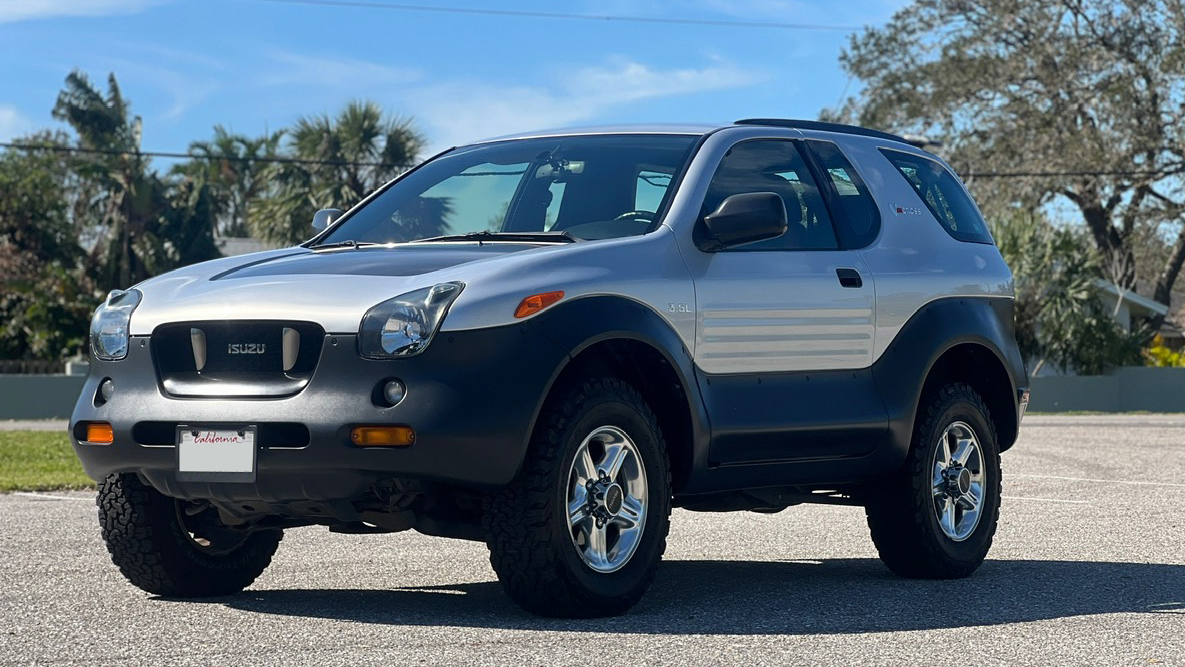
The VehiCROSS arrived looking like a concept car that accidentally made it to production, with black plastic cladding and recessed headlights that seemed extreme even in the late 1990s. It sold in very small numbers in the U.S., making it rare enough to become interesting.
The capable off-road hardware underneath the controversial styling has earned it a following among adventurous drivers who value capability over conventional looks.
Ford Thunderbird (2002-2005)
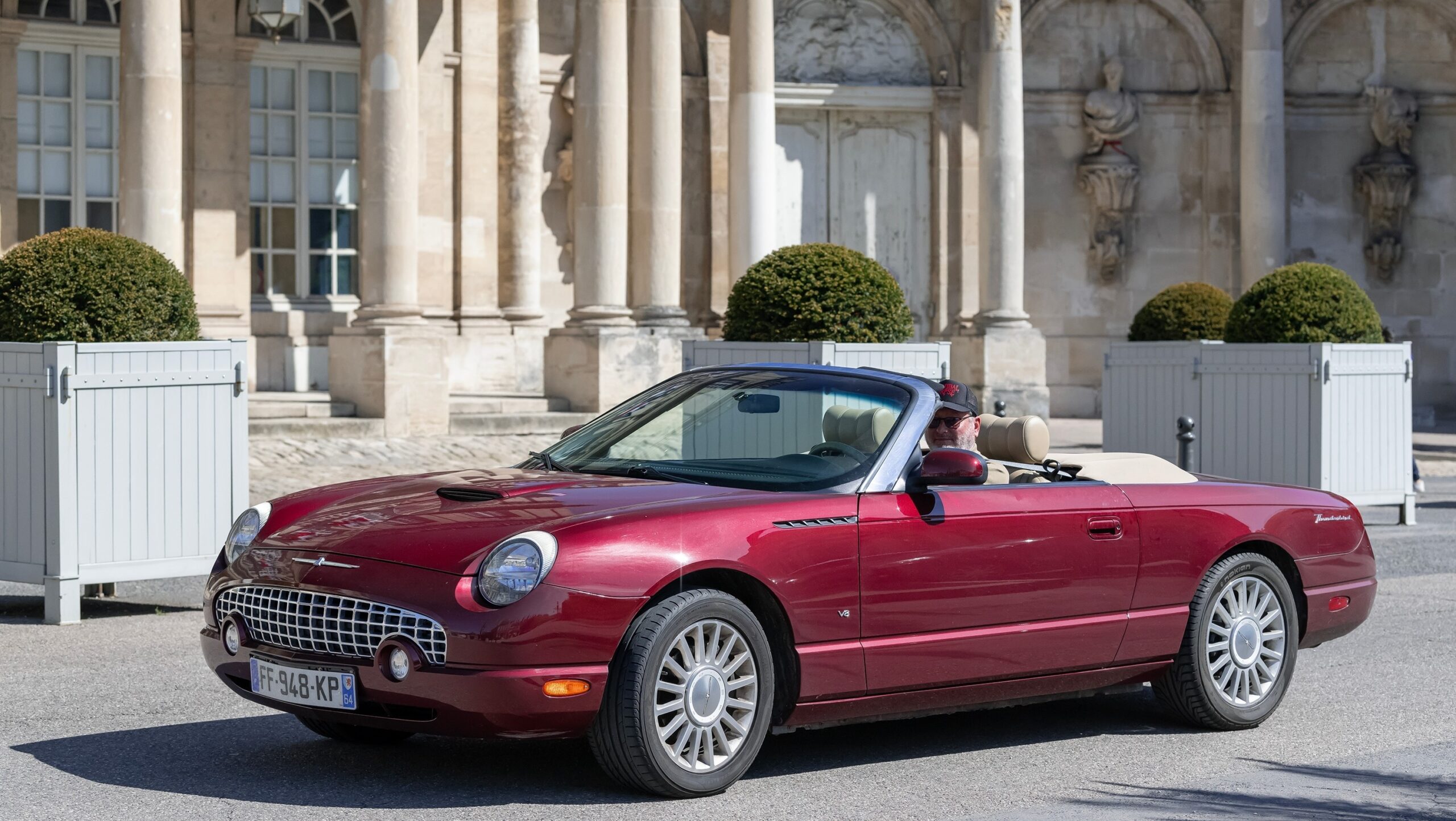
The retro revival Thunderbird brought back a legendary nameplate with styling that borrowed heavily from the 1955-57 models. At $35,000 to start, it cost luxury car money but delivered rental-car performance from its 252-horsepower V8.
The removable hardtop and two-seat layout limited practicality, but low production numbers and the connection to an iconic name have given it collectible status among Ford enthusiasts.
Conclusion

These cars remind us that the automotive industry’s most interesting moments often come from its biggest swings and misses. What seemed like poor judgment or misguided design at launch can transform into fascinating automotive history given enough time and perspective.
Today’s collectors appreciate these vehicles precisely because they dared to be different, even when different didn’t translate to sales success. The cult followings they’ve developed prove that there’s no such thing as a truly bad car, just cars that found their audience later than expected.