You know that magical moment when your odometer rolls over to 100,000 miles? For some cars, it’s like watching a grenade with the pin pulled. One day you’re cruising along thinking you’ve got a reliable ride, the next day you’re googling “how to sell kidney legally” because your transmission just quoted you $4,000 for a rebuild.
We’ve all been there, seduced by leather seats, impressed by the turbo whistle, or fooled by that premium badge. But physics and poor engineering don’t care about your feelings. Some cars are engineered to last; others are apparently engineered to make mechanics wealthy.
Let’s take a closer look at the cars that think an odometer turning over means they should turn over as well.
When Longevity Is Just a Suggestion

This isn’t just angry owner forum posts (though those helped). We reviewed NHTSA complaints and recall documents, plus long term reliability reporting from sources such as Consumer Reports, to see whether common owner complaints are backed up by broader data.
We focused on the big-ticket failures, the ones that make you question your life choices while standing in a service bay. Transmission replacements averaging $3,500? Check. Engine timing chain failures that’ll cost more than your car is worth? Double check. Electronic gremlins that multiply faster than your regrets? Triple check. We also factored in how these failures compare to segment competitors, because misery loves company, but some misery is just inexcusable.
In other words, if you’re looking for cars that won’t stubbornly pout on the side of the road at the mere suggestion of a road trip, these are the cars to swipe left on.
Jeep Grand Cherokee

Ah, the Grand Cherokee, because nothing says “adventure ready” like keeping your mechanic’s kids in college. This thing will climb mountains, ford streams, and drain your bank account with equal enthusiasm. The 3.6L Pentastar V6 loves to eat rocker arms like they’re trail mix, while the 5.7L HEMI develops a concerning appetite for lifters that’ll cost you $2,500 to satisfy.
But wait, there’s more. Some owners report rough shifting or calibration issues with the ZF 8 speed, but presenting it as a predictable failure at 90,000 miles is not supportable. Chrysler’s solution? “Have you tried turning it off and back on again?” Spoiler alert: that does not help if you are dealing with a major transmission repair.
The electrical system deserves special mention for its creativity in finding new ways to fail. Power liftgate? More like power-when-it-feels-like-it gate. On certain Jeep Grand Cherokee models, the TIPM has been linked to fuel pump relay failures. For example, a Chrysler safety recall covering 2011 Grand Cherokee and Durango models cites the TIPM internal fuel pump relay potentially failing and causing an engine stall, with the remedy involving disabling the internal relay and installing an external relay.
“My ’17, which is the only one I bought new, has been in the dealership multiple times, virtually every year I’ve owned it. I’m on my third radiator, top end has been rebuilt, multiple check engine lights, water pump replaced, ac condenser replaced. They were never able to fix my auto-dimming mirrors,” one owner lamented on Reddit before adding: “I still love it.”
The Grand Cherokee WK2 generation has more TSBs (Technical Service Bulletins) than a government agency. Jeep engineers must get paid per problem created.
Mini Cooper
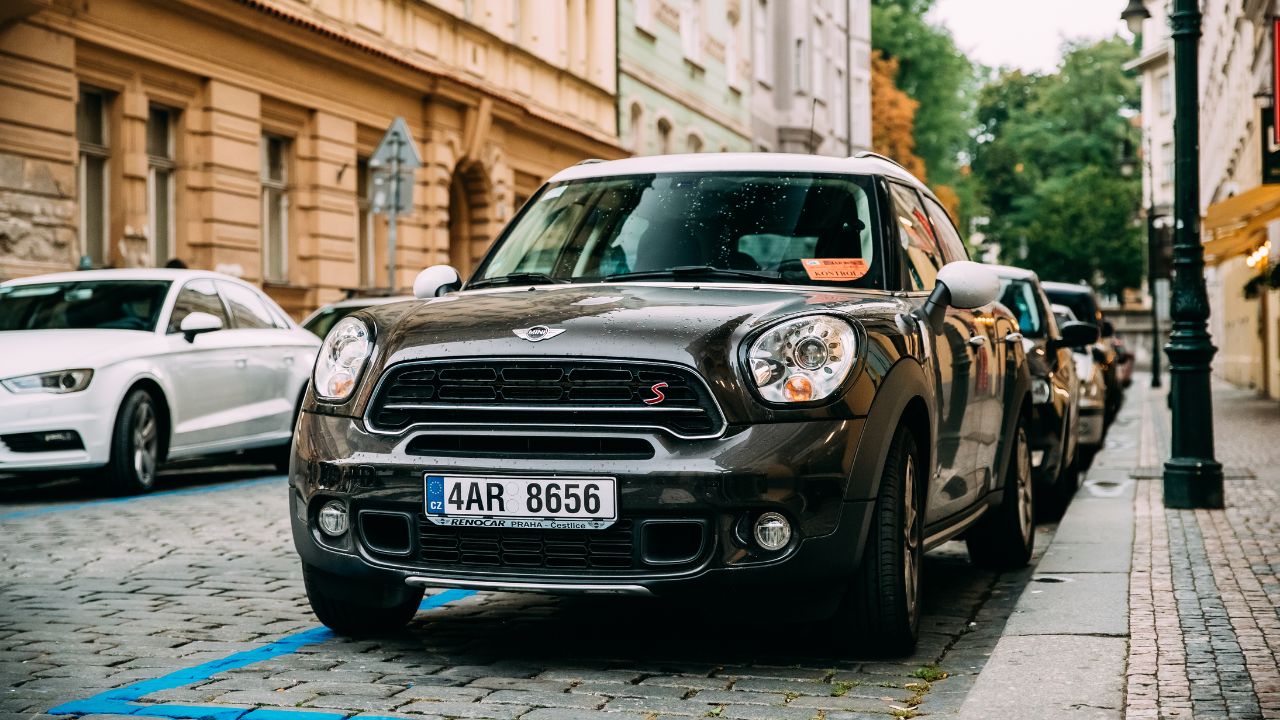
The Mini Cooper, proof that you can try desperately to improve a car’s design, but that won’t make it reliable past 80,000 miles. This little British charmer, most commonly assembled in the U.K. depending on model and year, will steal your heart with its go kart handling and then pickpocket your wallet with timing chain tensioner issues on certain second generation turbo models using the N14 engine.
Speaking of that timing chain, BMW’s engineers confused “lifetime service interval” with “lifetime of financial pain.” The chain stretches more than yoga pants on Thanksgiving, and when it finally snaps, it takes the valves with it. Repair cost? Only $2,500, or roughly what you paid for the entire car three years ago.
The 2002 to 2006 Cooper S used a supercharger, while later Cooper S generations switched to turbocharging, and the failure points are different depending on the era. The supercharger bearings have the longevity of a mayfly, and replacement involves more labor hours than building an actual mayfly. Then there’s the cooling system, designed by someone who apparently believes water pumps are suggestions rather than requirements.
If you hear rattling from the engine bay, that’s not the Mini’s character showing: that’s the timing chain doing its death rattle. Start saving now.
Chrysler 300

The Chrysler 300: because nothing says “I’ve made questionable life choices” like a pseudo-Bentley with a transmission that shifts like it’s operated by a sloth. This big sedan promised luxury at Hyundai prices, and boy, did it deliver on that promise. Just not the luxury part.
Early Chrysler 300 models used the Mercedes derived W5A580 five speed automatic, while 2012 and newer V6 models switched to an eight speed automatic licensed from ZF. Translation: it bangs into gear harder than a screen door in a hurricane. When it finally gives up completely, you’ll discover that a replacement costs more than the car’s trade-in value.
The 2.7L V6 was an early Chrysler 300 engine option, and it was replaced before the later 3.6L Pentastar era. This aluminum-block wonder loves to eat intake manifold gaskets and timing chain guides like they’re complementary appetizers. Oil sludge buildup is practically guaranteed, turning your engine bay into an art installation titled “What Happens When You Cut Costs Too Far.” The 3.5L V6 isn’t much better: it just fails more expensively.
Said one owner on Reddit: “In terms of reliability transmission is the only thing that broke for me at around 120-130K.” Told ya!
Chevrolet Equinox

The Equinox, GM’s answer to the question “How can we make families hate us?” This crossover promised to haul kids and cargo reliably, then proceeded to consume oil faster than a Formula 1 car. The 2.4L 4-cylinder Ecotec engine doesn’t just burn oil: it practically chugs it like a frat boy with cheap drinks.
GM issued special coverage programs for excessive oil consumption on some 2.4L Equinox and Terrain models tied to piston ring wear, with repairs that can include piston and ring replacement after an oil consumption test. Brilliant! Nothing says customer satisfaction like making your already-slow crossover even slower. When that doesn’t work (spoiler: it doesn’t), you get to enjoy a $3,500 engine rebuild courtesy of failed piston rings that were apparently designed by someone who’s never heard of metallurgy.
The timing chain system adds another layer of excitement, stretching and jumping teeth like an overeager terrier. When it finally lets go, valves meet pistons in an expensive dance that costs more than most people’s annual vacation budget. The 6-speed automatic transmission, meanwhile, shudders and lurches its way to an early grave, because why should only the engine have all the failure fun?
Owner’s Manual Quote: “Check oil level frequently.” Translation: “Hope you bought stock in Mobil 1.”
Volkswagen Passat

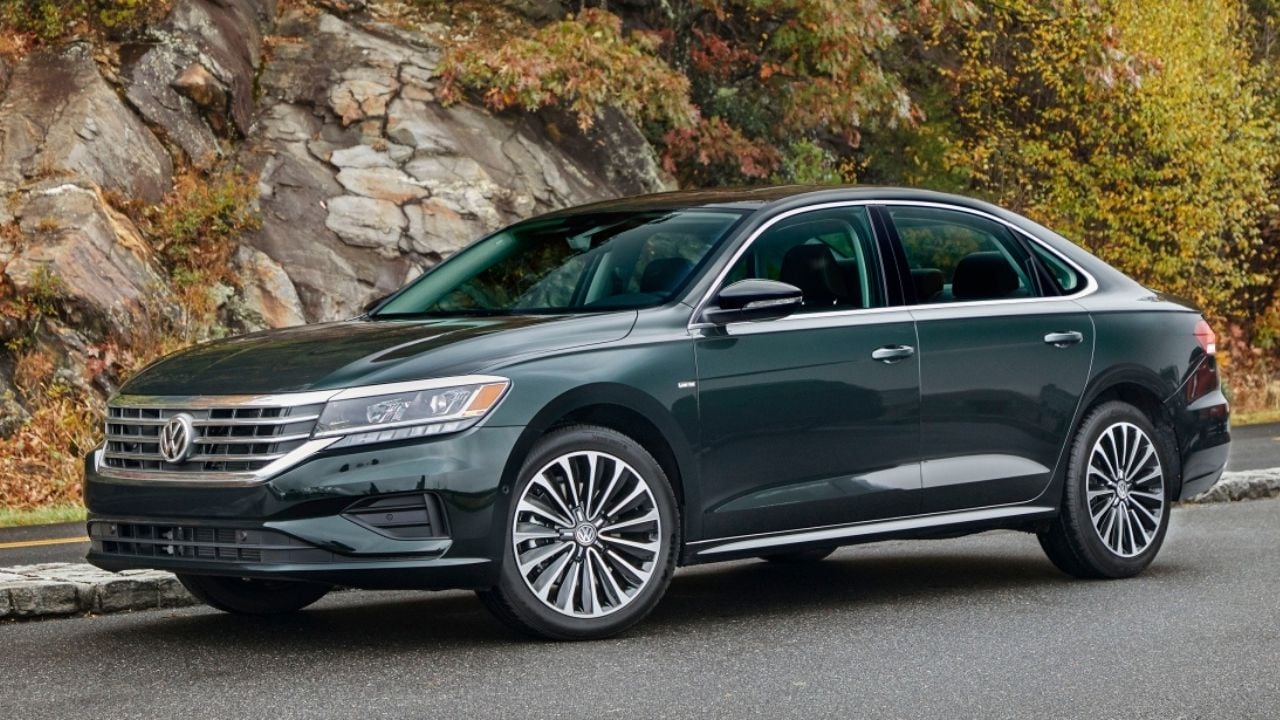
The Passat, where German precision meets German repair costs. This sedan promised autobahn-bred refinement and delivered complexity that would make a Swiss watch jealous. The 2.0T TSI engine is an engineering marvel that marvels at new ways to leak oil from every possible seal and gasket.
On some direct injection versions, intake valve carbon buildup can become an issue over time, and some owners resort to walnut blasting, but the interval varies widely and is not a fixed 40,000 mile requirement. Yes, walnut shells – because apparently VW engineers have a sense of humor about organic cleaning methods. Cost? Only $600, assuming you can find someone who stocks automotive-grade walnuts.
Timing chain tensioners made of what appears to be recycled chewing gum fail with clockwork precision, taking the entire upper engine with them. Most U.S. market Passat models use a conventional torque converter automatic rather than VW’s DSG dual clutch, so maintenance and failure patterns depend heavily on the specific engine and transmission in your Passat.
The Passat has more electronic control modules than the International Space Station. Each one costs approximately the same to replace.
Nissan Pathfinder

Why should only Land Rover owners suffer from expensive transmission problems? Nissan’s CVT (Continuously Variable Transmission) technology is continuously variable in finding new ways to fail catastrophically. The whining, shuddering, and eventual complete failure is as predictable as sunrise, just more expensive.
The VQ35DE V6 engine sounds glorious when it’s running, which becomes increasingly rare as the timing chains stretch and the valve covers leak oil onto everything within a three-foot radius. The radiator and transmission cooler apparently share the same quality control standards as a drunk intern, failing in tandem to create the perfect storm of overheating and transmission death.
When your Pathfinder hits that magic 90,000-mile mark, start shopping for a new car. Not because you want to, but because the transmission replacement quote will make you question your faith in Japanese engineering. Nissan extended CVT warranty coverage to 7 years or 84,000 miles for certain 2013 to 2014 Pathfinder non-hybrid models.
“100% regret from me,” one owner said when asked if they regretted buying the Pathfinder. “I got my 2014 back in February and have had nothing but problems with it. It’s been sitting in the driveway most of the time I’ve had it. I got like a week of driving out of it, and that’s it. I hate it so much.”
Ford Explorer

The Explorer, Ford’s gift to transmission shops everywhere. This three-row SUV has explored every possible way to fail spectacularly, starting with timing chains that have the tensile strength of overcooked spaghetti. Some high mileage Explorer 3.5L V6 engines develop timing related issues, but the bigger ownership risk is the internal timing chain driven water pump design, which makes a water pump failure a high labor repair and can contaminate the oil if it leaks internally.
The water pump placement in the EcoBoost engines is a masterclass in how to make simple repairs expensive. Want to replace a water pump? On these engines it can be a labor intensive job involving timing cover work, so the labor portion can be very expensive. The intercooler also likes to crack, because why should turbo reliability be straightforward?
The 6-speed SelectShift automatic transmission shifts like it’s operated by a Magic 8-Ball. “Will it find second gear?” Reply hazy, try again. When it finally gives up entirely, you’ll discover that a replacement costs more than the Explorer’s remaining depreciated value.
Engineering Philosophy: “Why fix it in one trip when you can fix it in five?”
Audi A4

This compact sedan delivers exceptional driving dynamics and exceptional repair bills with equal precision, the German luxury car way. The 2.0T FSI engine leaks oil from more places than a 1970s British roadster, starting with valve cover gaskets that apparently dissolve in normal operating temperatures.
The timing chain system is a work of art, specifically, abstract art that costs $2,500 to appreciate fully. The carbon buildup on direct injection engines requires periodic cleaning that costs more than most people’s monthly rent. Want to clean your intake valves? That’ll be $800, and don’t forget the $500 carbon cleaning service every 30,000 miles.
Quattro all-wheel drive adds another layer of complexity and expense. Differential and driveshaft issues can happen, but the Audi A4 quattro with ultra technology uses an electronically controlled multi plate clutch rather than a Haldex unit, so calling A4 issues “Haldex problems” is incorrect. The MMI infotainment system crashes more often than Windows 95, and replacement costs rival a decent laptop.
Service Intervals: “Every time you start to feel financially secure.”
Hyundai Santa Fe

The Santa Fe, proof that even Korean reliability can go sideways spectacularly. Certain Santa Fe model years with Theta II engines have been covered by Hyundai powertrain extended warranty programs, reflecting known engine issues in specific cohorts. Metal shavings in the oil aren’t a bug: they’re a feature! At least until your engine becomes an expensive paperweight.
The connecting rod bearings fail with such predictability that Hyundai extended the warranty, which is corporate speak for “we know this thing’s going to grenade, but maybe we can delay the inevitable.” When it finally lets go, you’ll hear sounds that would make a death metal drummer jealous, right before everything goes very, very quiet.
The 6-speed automatic transmission isn’t much better, developing a concerning habit of not engaging properly in cold weather. Nothing says “reliable family transport” like wondering if your car will move when you put it in drive. The electrical system adds its own special flavor of frustration with random warning lights that illuminate like a Christmas tree having an existential crisis.
“Loved my 2020 SanteFe. Then the turbo on my 2.0-liter blew. $7,000 replacement cost. Warranty covered it, but it wasn’t an easy claim,” an owner ranted on Reddit.
BMW 3 Series

Bavarian engineering should come with Bavarian repair costs, apparently. This sports sedan delivers exceptional handling and exceptional service bills with German precision. The cooling system is designed like a Rube Goldberg machine, with plastic components that have the longevity of a snowball in Phoenix.
Electric water pump failures are a well known maintenance item on some BMW engines, but the failure mileage varies widely, so avoid presenting 60,000 miles as an exact schedule. The electric water pump in newer models costs $800 to replace, because why should cooling be affordable? Radiators, thermostat housings, and expansion tanks all join the failure party right around 80,000 miles.
The N54 twin-turbo engine is a masterpiece of complexity that requires more maintenance than a neurotic thoroughbred. High-pressure fuel pumps, wastegate actuators, and carbon buildup issues stack up like unpaid bills. The turbos themselves whistle beautifully until they don’t, at which point you’ll discover that BMW parts pricing follows luxury goods principles rather than automotive ones.
If your BMW is running perfectly… it just needs $3,000 in preventive maintenance!
Cadillac SRX

This crossover promised Cadillac refinement and delivered timing chain failures that would make a Swiss watchmaker weep. The 3.6L V6 engine’s timing chains stretch like yoga instructors, taking the entire valvetrain with them when they finally snap.
Most second generation Cadillac SRX models use GM’s Hydra Matic 6T70 6 speed automatic, with the Aisin AF40 reserved for the short lived 2.8L turbo variant. Solenoid failures and valve body issues stack up faster than medical bills, because why should shifting be reliable? The AWD system adds its own special complexity, with transfer case failures that cost more than most people’s emergency funds.
Electronic problems multiply like rabbits in spring. The CUE infotainment system crashes more often than a teenager learning to drive stick. Power liftgates stop lifting, power everything stops powering, and the Christmas tree display of warning lights becomes a permanent dashboard decoration.
Cadillac’s Motto: “Standard of the World… in creative failure modes.”
Making Smart Choices Beyond 100K

Look, every car has problems, that’s why mechanics can afford boats. But some cars treat the 100,000-mile mark like their official retirement party, while others keep soldiering on like the Energizer Bunny’s more reliable cousin. The cars on this list aren’t necessarily terrible when new (well, most of them), but they age about as gracefully as milk left in a hot car.
If you’re shopping for a high-mileage used car, remember that a pre-purchase inspection is cheaper than therapy. And if you already own one of these beauties, well, at least you’ve got character-building experiences ahead of you. Just remember: every expensive repair is just another story to tell at parties, assuming you can still afford to go to parties. Maybe just say you’ll bring the chips or napkins and leave the main courses to the guy who owns a Toyota.
The moral of the story? Sometimes it’s better to buy boring and reliable than exciting and expensive. Your future self and your bank account will thank you when you’re still driving instead of walking.