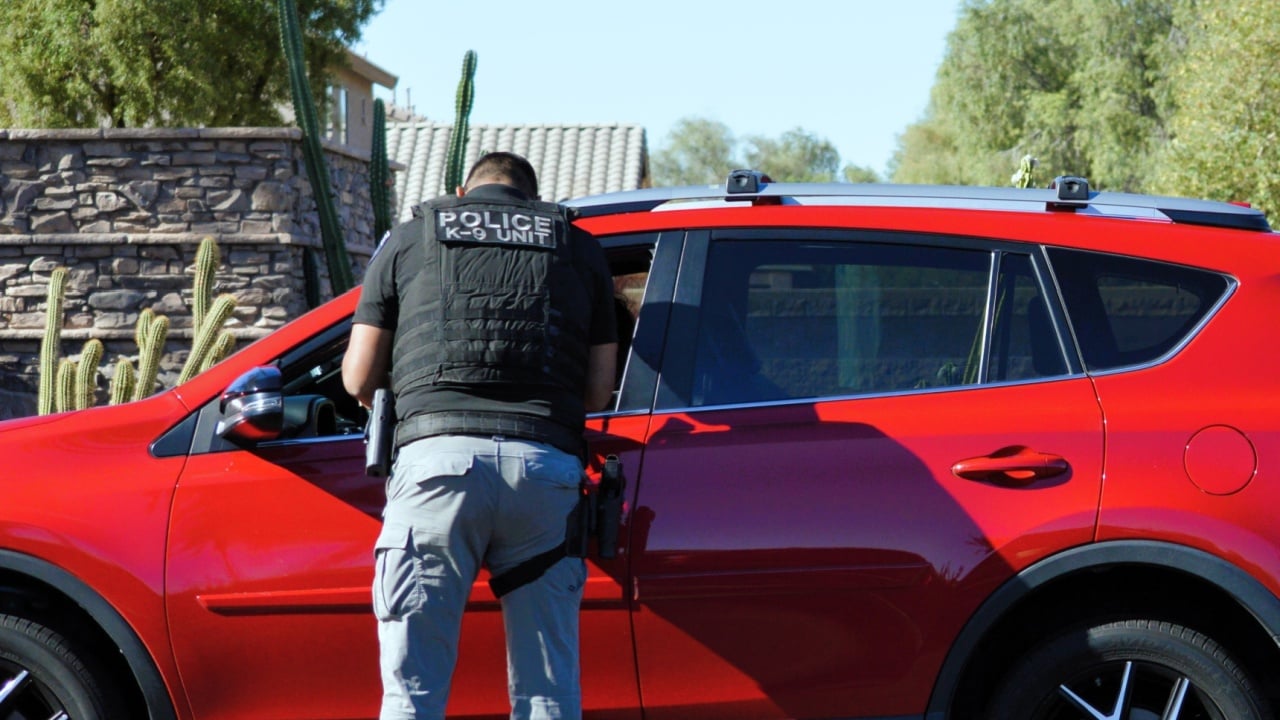

SACRAMENTO, Calif. — Starting today, January 1, a sweeping package of traffic safety laws designed to curb dangerous road behavior and reduce traffic deaths is now in force across California. Among the most notable changes is a revamped system for enforcing red light violations, which is part of broader efforts to modernize traffic enforcement and adapt to evolving transportation patterns.
What’s Up with the New Red Light Law?
The keystone of the update is a new automated red light camera enforcement system authorized under Senate Bill 720, which took effect with the new year.
Under this framework, cameras installed at controlled intersections can capture vehicles running red lights and issue citations without on‑site police officers. The system should improve safety by increasing compliance with signals and deterring risky behavior that has been linked to serious crashes and pedestrian injuries.

Rather than relying on traditional enforcement methods, the automated system focuses on capturing vehicle plate information when a signal violation occurs. It avoids collecting facial data or broader biometric information. This balances enforcement effectiveness with privacy concerns.
Enforcement and Penalties
For the first 60 days after implementation, authorities will issue warnings rather than fines, giving drivers a grace period to adapt to the new system. After that window closes, fines will begin. Under current rules, first‑offense fines start at around $100, with penalties rising to $500 or more for repeated violations within a three‑year period.
Lawmakers and safety advocates want the California public to know this approach is not about revenue creation but about saving lives at intersections, where reckless red‑light running has historically caused a disproportionate number of crashes. California recorded nearly 200 fatalities from red light collisions in recent years, prompting calls for more effective enforcement tools than those in the previous decades‑old system.
The law has its champions and critics. Groups like Safe Streets Encinitas, along with crash survivors including Damian Kevitt, have pushed for stricter enforcement. They argue that automated cameras will deter habitual violators and improve outcomes for vulnerable road users like pedestrians and cyclists.
Opposition has also been vocal. Organizations like the National Motorist Association have raised concerns about due process, suggesting that automated citations could lead to administrative overreach and impose financial strain on low‑income drivers. Some go as far as questioning whether cameras address underlying causes of unsafe driving.
Broader Traffic Law Changes
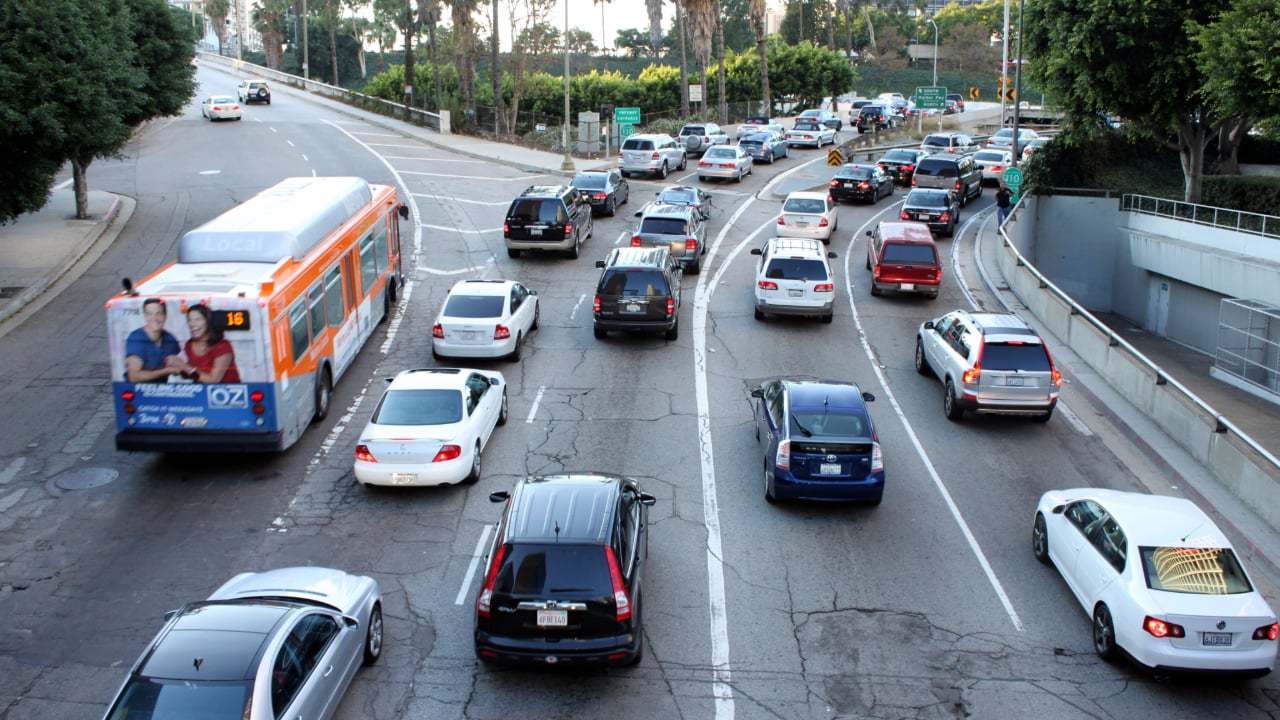
This red light enforcement update is just one piece of a broader suite of traffic safety laws rolling out January 1. These include:
E‑bike requirements: All electric bicycles and similar powered mobility devices must now be equipped with rear red reflectors and lights at all times of day to improve visibility and reduce collision risk.
Stricter DUI and speed enforcement: Repeat offenders face tougher DUI penalties, including extended ignition interlock requirements and adjusted probation terms for serious offenses. Construction zones and school areas also see updated speed enforcement protocols.
Pilot laser enforcement: In some regions, laser technology will be used to scan license plates in real time and directly issue citations for speeding and other moving violations.
Pedestrian and school safety measures: School zone speed limits can be reduced in certain communities, and helmet laws for minors have been updated with new compliance pathways.
Why Now?
State legislators and safety advocates have pointed to a rising number of traffic incidents involving evolving transportation trends, such as the growth of e‑bike usage and shifting commuting patterns after the pandemic. Combined with longstanding concerns about intersection safety, these factors helped build momentum for legislative updates in the 2025 session. Hundreds of bills signed into law in 2025 are now becoming enforceable as part of this wider reform package.
Drivers in California should be aware that:
- Automated enforcement at signals is now live, and violations will be actively ticketed after the initial warning period.
- Red rear lights on e‑bikes are mandatory irrespective of time of day.
- New technologies may identify speeding and other violations in real time.