There was a time when a V12 did more than sit at the top of a spec sheet. It stood for ambition. It told you a company wanted its halo car, grand tourer, or flagship sedan to feel richer, smoother, more dramatic, and a little more unforgettable than everything below it. The 2000s may have been the last decade when that attitude still felt gloriously normal.
Ferrari built the Enzo and then turned around and gave the 599 GTB Fiorano an Enzo-related V12. Lamborghini carried the Murciélago through the decade as its defining poster car. Aston Martin launched the DB9 in 2003 as the first Gaydon-built model on its VH platform, while Rolls-Royce restarted the Phantom era in 2003 with a new V12 at the heart of its rebirth. At the same time, Mercedes-Benz and BMW were still willing to put 12 cylinders into roadsters, limousines, and executive flagships without apologizing for the excess.
That is why these cars still matter. They were not simply fast, expensive, or technically impressive. They gave the decade its soundtrack. They made the idea of automotive greatness feel mechanical, physical, and proudly excessive. And maybe that is why they still linger in memory the way they do. You do not just remember what they looked like. You remember how they made the whole era feel.
When Twelve Cylinders Still Meant The World
This list is not only about horsepower or price tags. I chose V12 cars that helped define the character of the 2000s through design, engineering, cultural reach, and the role they played in shaping how people imagined performance or luxury. Some were supercars that lived on bedroom walls, while others were grand tourers and flagship sedans that proved twelve cylinders could still mean elegance as much as violence.
I also wanted range, because the decade’s V12 story was never told by one type of car alone. It lived in carbon fiber exotics, long hood GTs, hand built hypercars, and deeply serious luxury machines.
Every model here had to feel tied to the decade in a way that still makes immediate sense now. The real test was simple: remove the badges, and would the car still feel like a pure expression of 2000s ambition?
Ferrari Enzo
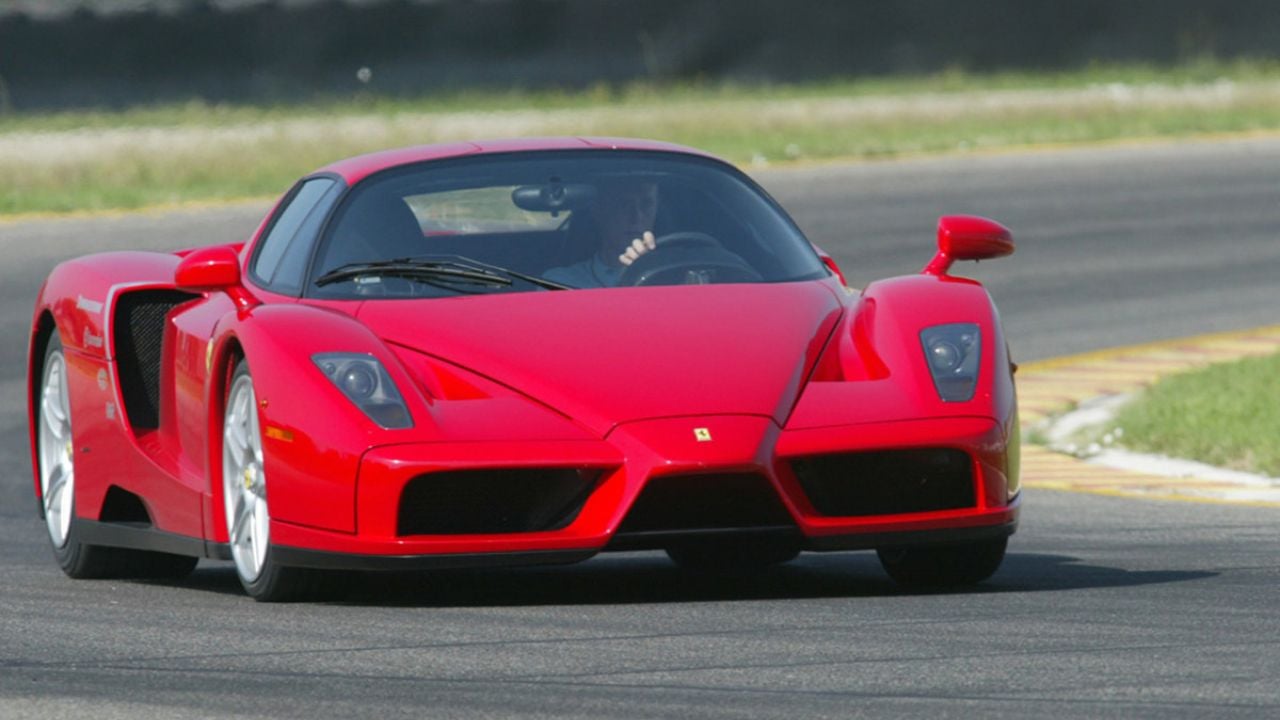
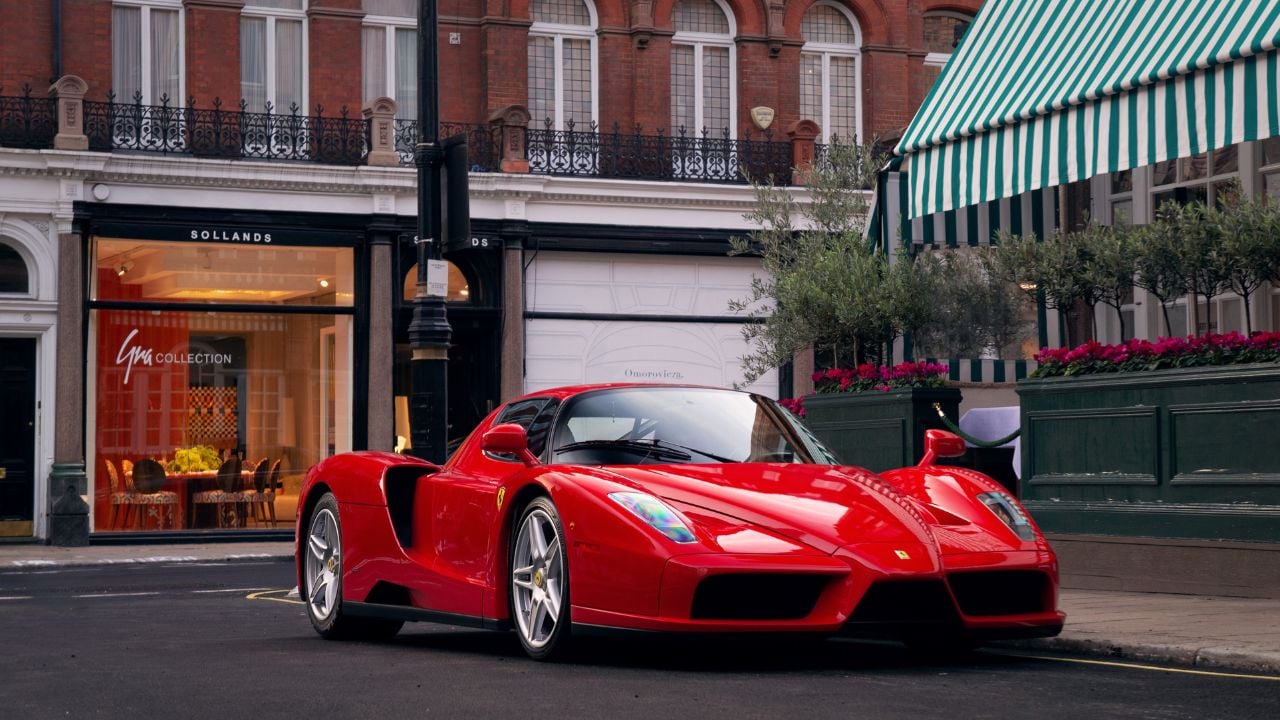
The Enzo was the kind of car that made the 2000s feel as if the future had arrived in a red carbon shell. Ferrari’s official archive says the 2002 Enzo Ferrari used a rear mounted 65 degree V12 with 5,998 cc, produced 660 hp at 7,800 rpm, and topped 350 km/h.
Those numbers were huge, but the deeper point was what the car represented. This was Ferrari taking Formula 1 era confidence and turning it into a road car that looked sharper, more technical, and more uncompromising than almost anything else of its time. The Enzo did not feel romantic in the old front engine Ferrari sense. It felt clinical, advanced, and intimidating, which was exactly right for the early 2000s.
It was the poster car for a decade that wanted its heroes to look like machines from another planet. If the 1990s still believed in elegance, the Enzo announced that the 2000s were ready to worship engineering itself.
Ferrari 599 GTB Fiorano
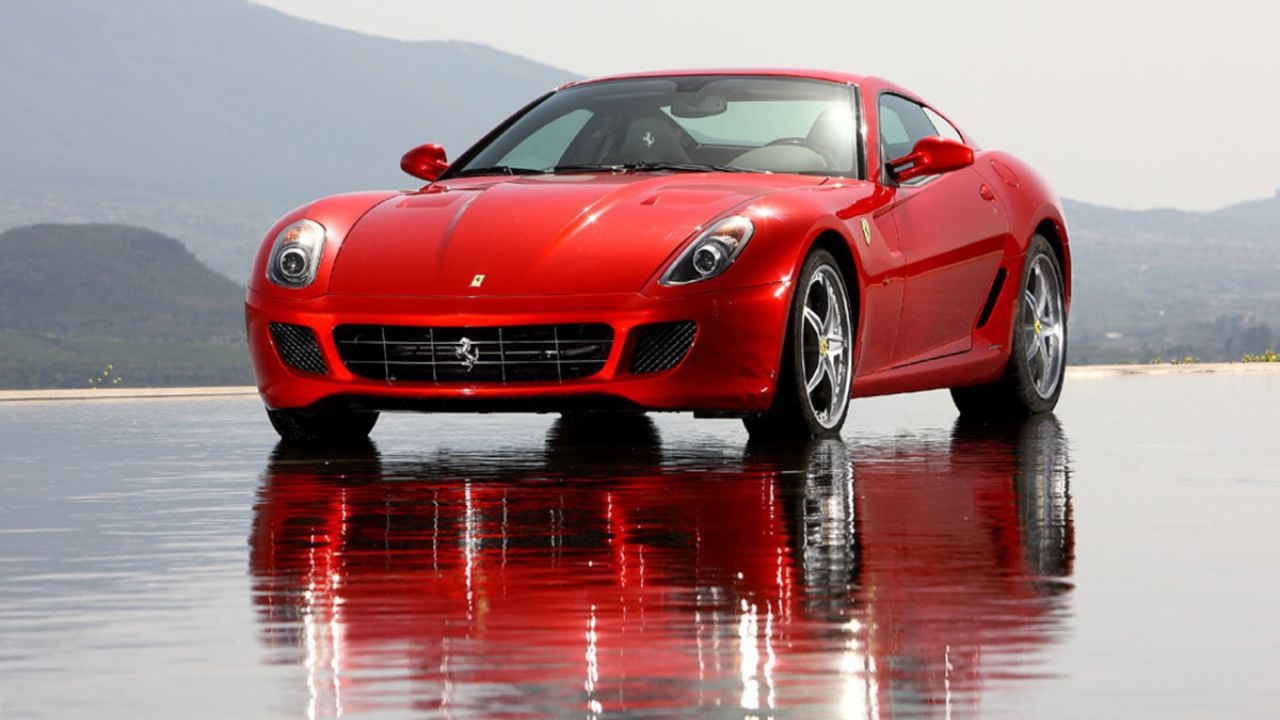
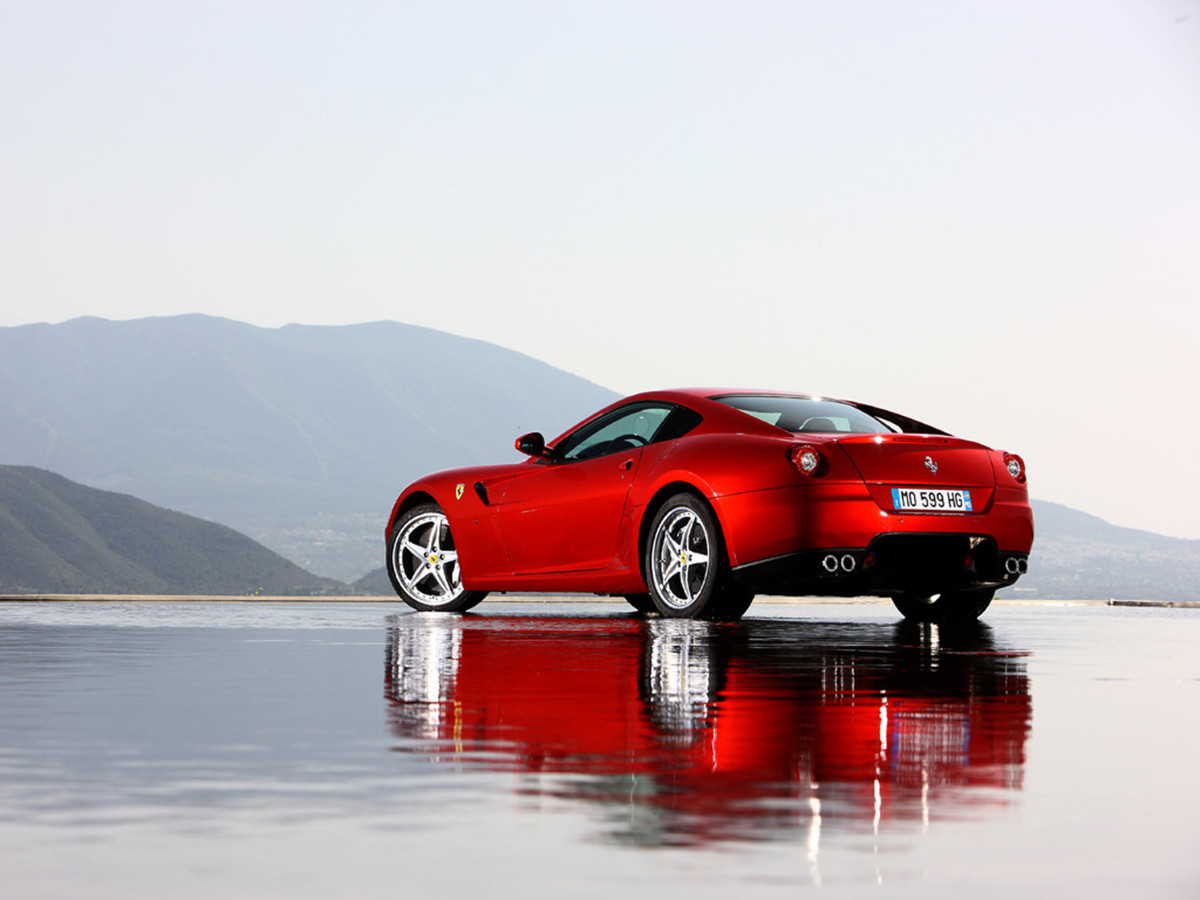
If the Enzo was the decade’s carbon fiber thunderbolt, the 599 GTB Fiorano was its cultured heavyweight. Ferrari says the 599 arrived in 2006 with a 65 degree V12 displacing 5,999 cc and making 620 CV at 7,600 rpm, and the company also makes clear that the engine was directly derived from the Enzo.
That connection tells you why the 599 mattered so much. It was a front engine grand tourer, yes, but it carried true halo-car blood under a longer hood and a more mature silhouette. That made it one of the defining V12 cars of the decade.
The 599 captured a very 2000s idea of speed, massive performance wrapped in a shape elegant enough to cross continents in. It felt less theatrical than a Lamborghini and less brutal than an AMG, but no less serious. It was the V12 GT for people who wanted their excess in tailored form.
Aston Martin DB9
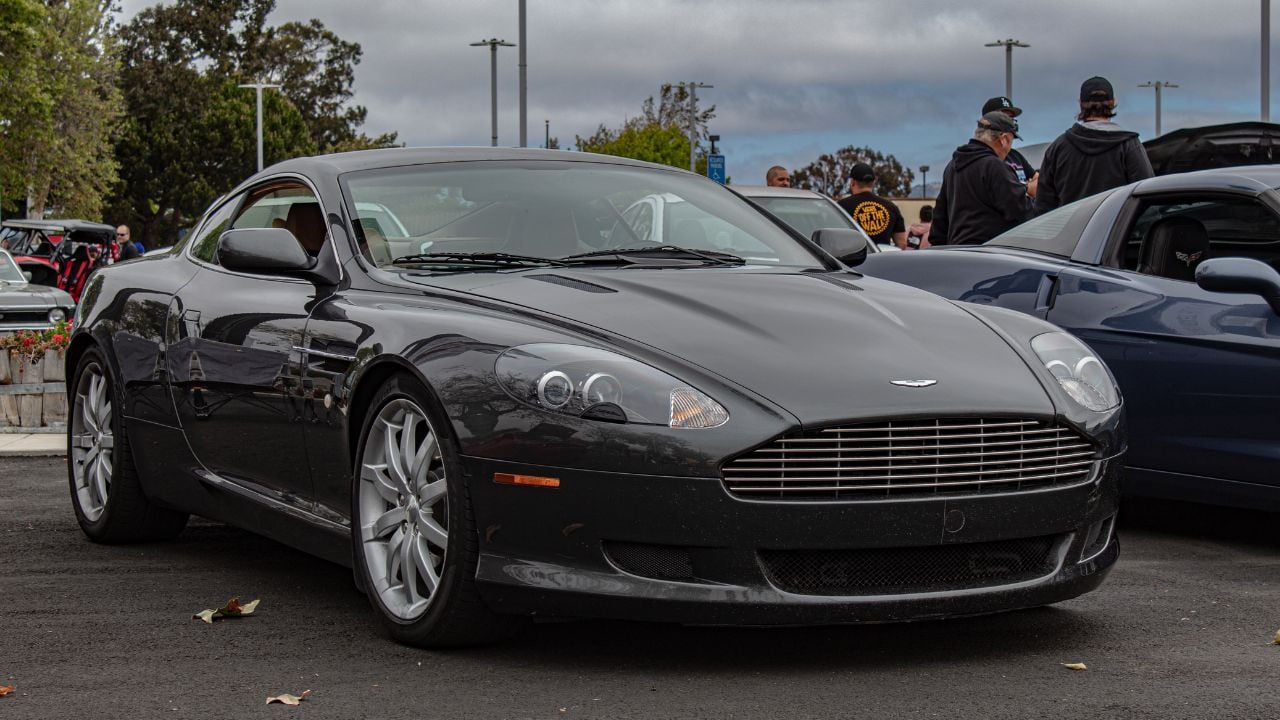
The DB9 did not define the 2000s by shouting louder than everything else. It did it by making beauty feel effortless again. Aston Martin says the DB9 launched to acclaim in 2003 at the Frankfurt Motor Show, became the first Aston Martin developed on the VH platform, and was powered by a V12 from the start.
Contemporary launch coverage put that engine at 450 bhp. What made the DB9 so important was the way it reset Aston Martin’s identity for the modern era. It looked clean, graceful, and expensive in a way that never seemed desperate. It was the car that made British grand touring cool for a new generation and did it without theatrical gimmicks.
In a decade full of louder shapes and harder edges, the DB9 reminded people that a V12 could still mean elegance, proportion, and old-fashioned glamour. That balance is why it became one of the defining cars of the era almost instantly.
Pagani Zonda F
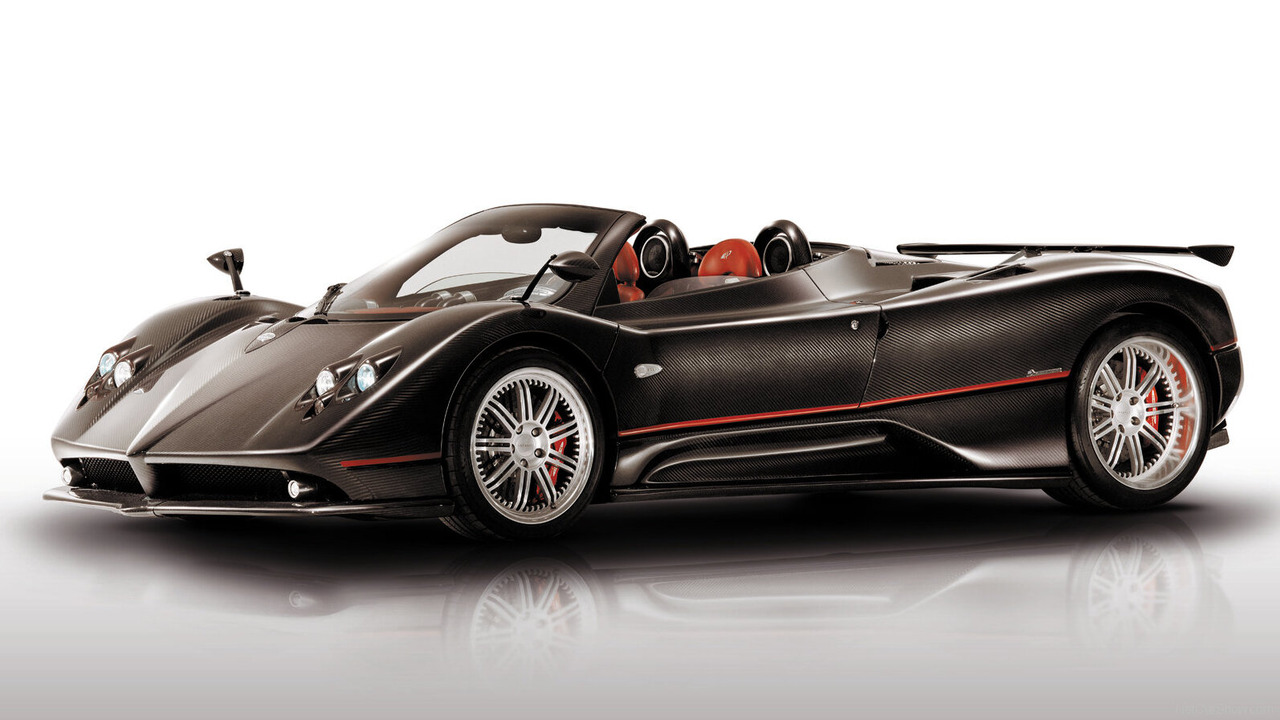
The Zonda F belongs here because it turned the boutique hypercar into a genuine part of the 2000s dream landscape. Pagani’s own 25th anniversary material says the Zonda F arrived in 2005 with a 7.3 liter Mercedes-AMG V12 making 602 hp in standard form and 650 hp in Clubsport specification.
Those figures were enough to earn respect, but they do not fully explain why the car mattered. The Zonda F felt handmade, obsessive, and almost impossibly detailed at a time when the internet was starting to amplify every exotic into shared global mythology. It was not just another V12 supercar. It was the one that felt crafted by a perfectionist who cared about titanium fasteners, exposed carbon weave, and visual drama down to the smallest switch.
The Zonda F defined the decade because it made rarity feel more intimate. It was not a corporation’s flagship. It was a rolling expression of one man’s imagination.
Lamborghini Murciélago LP640
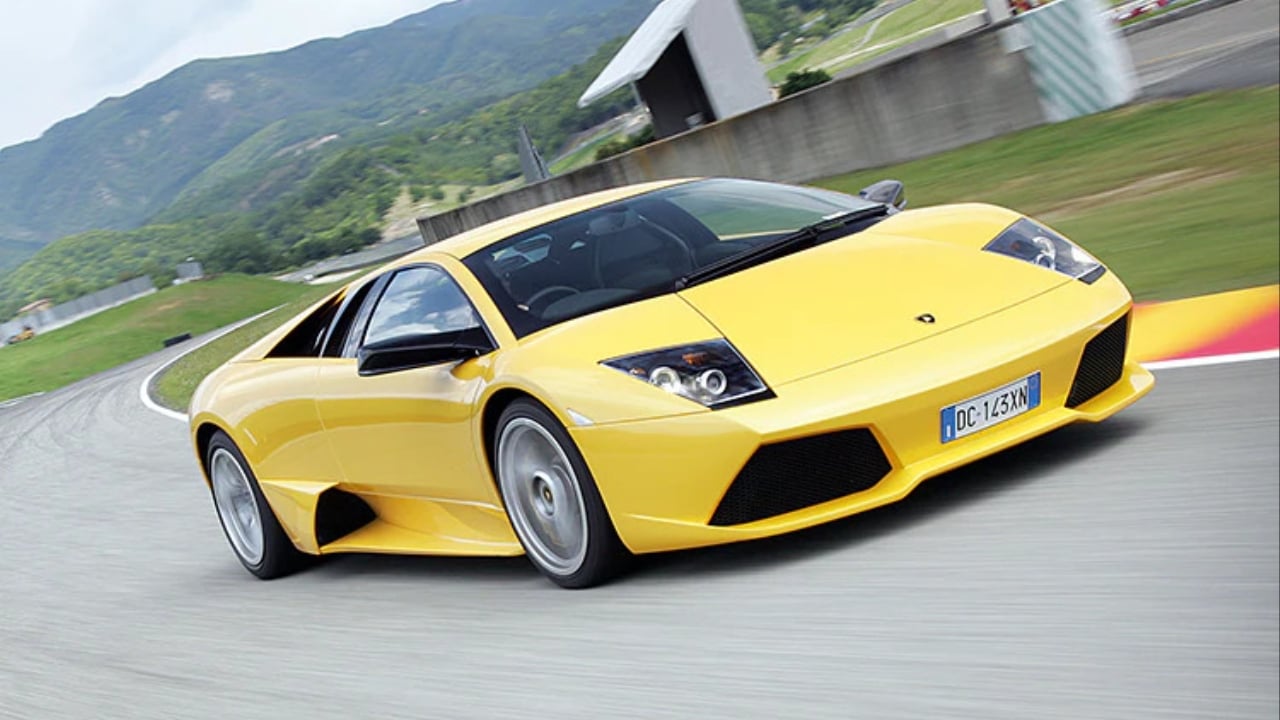
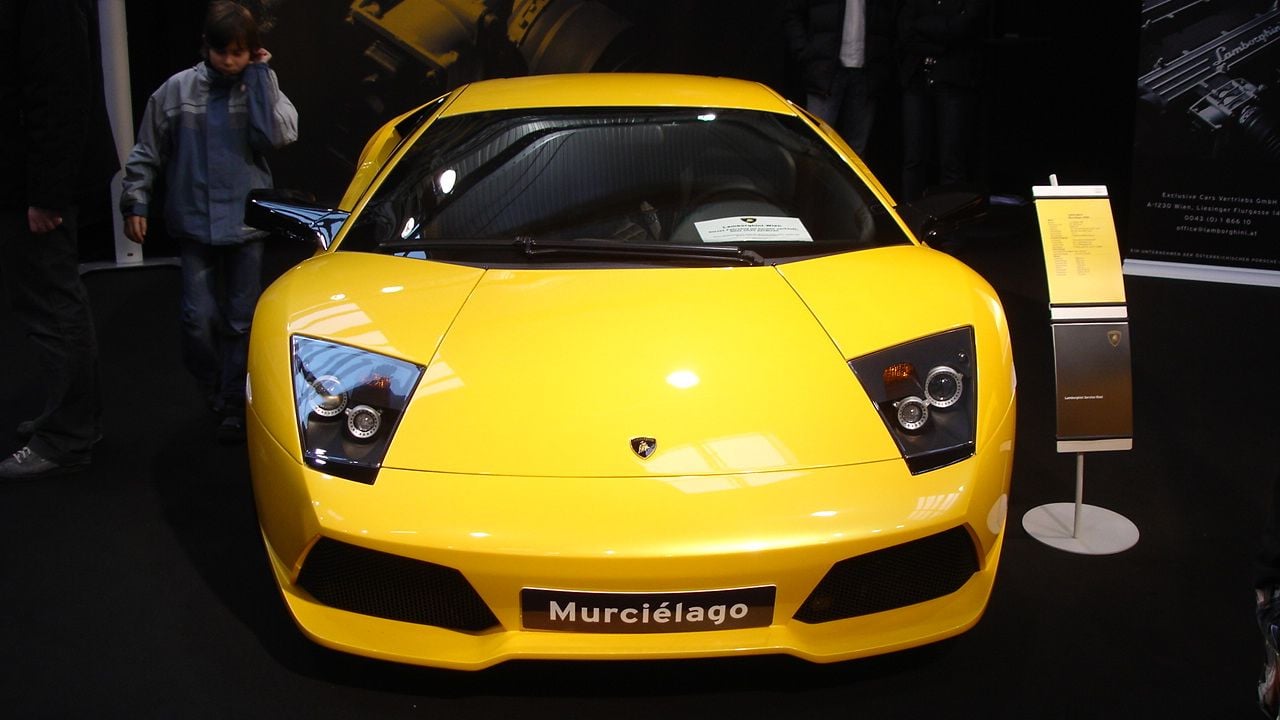
Few cars better captured the loud, sharp-edged fantasy of the 2000s than the Murciélago LP640. Lamborghini’s own history of the model notes that the Murciélago was the first V12 of the new millennium for the brand, and that the 2007 LP640-4 pushed output to 640 CV at 8,000 rpm from a 6.5 liter V12. That is exactly the sort of escalation the decade loved.
The Murciélago was not subtle and did not want to be. It had scissor doors, a low roof, a name that felt dramatic before the engine even started, and a shape that looked born for posters and video games. More importantly, it carried Lamborghini’s V12 identity through an era when the company was finding a new level of polish under Audi ownership without losing its sense of threat.
This car defined the 2000s because it made excess feel stylish again. It was the decade’s most unapologetic V12 supercar.
Rolls-Royce Phantom VII

The Phantom VII showed that the 2000s were not only about speed and spectacle. They were also about restoring old ideas of greatness with modern engineering underneath. Rolls-Royce says the Phantom VII began a new era when the first example was handed to its owner on 1 January 2003, and later Phantom material continues to highlight the 6.75 liter V12 as central to the car’s effortless character.
Official Rolls-Royce engineering material for the Phantom platform cites 338 kW and 720 Nm for the standard Phantom VII, with 0 to 60 mph in 5.7 seconds. But the real story was not acceleration. It was serenity. This was the return of the ultra-luxury V12 saloon as a statement of confidence, scale, and craftsmanship.
In the 2000s, when many luxury cars were chasing gadgetry and aggression, the Phantom made calm authority feel cooler than any trend. That alone made it one of the decade’s defining twelve-cylinder machines.
Mercedes-Benz S65 AMG
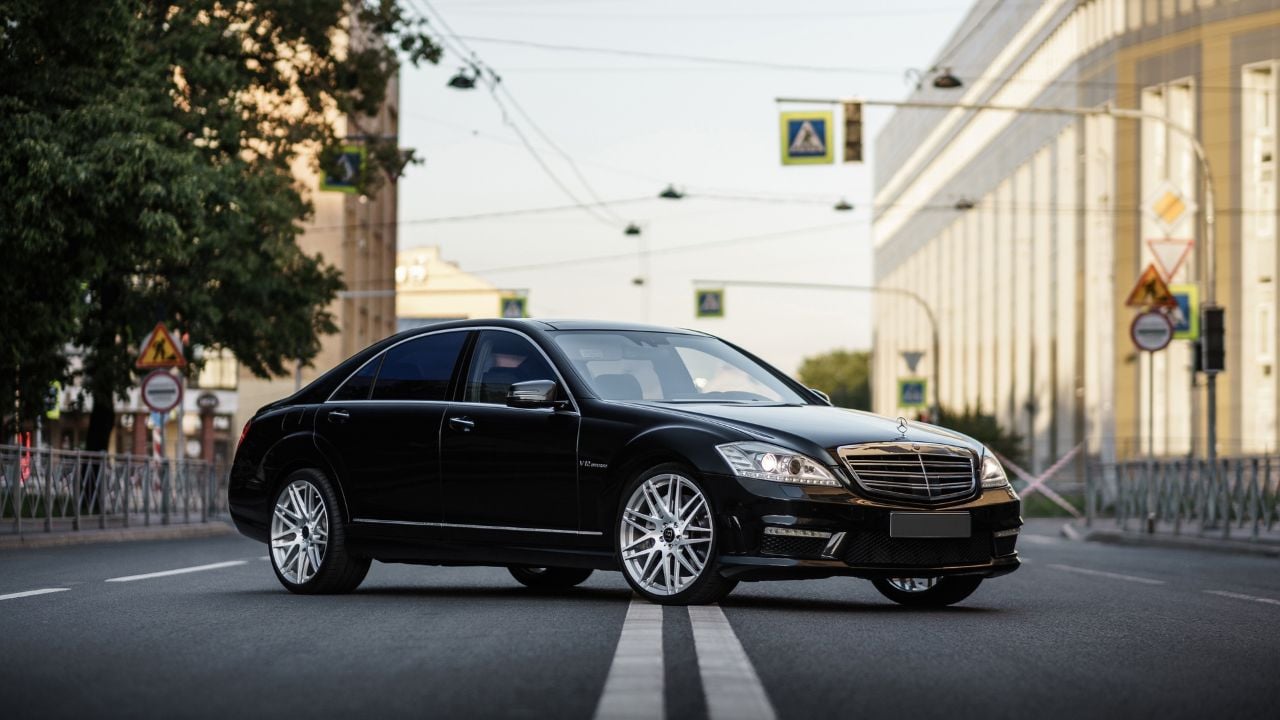
The S65 AMG represented one of the decade’s favorite tricks: taking a stately luxury sedan and giving it an engine that bordered on the absurd. Mercedes-Benz’s own S-Class history notes that the S65 AMG arrived in 2003 with 612 hp and 738 lb-ft of torque, which instantly made it one of the most outrageous sedans of its time. That mattered because the 2000s loved contradiction.
The S65 looked formal, expensive, and restrained, but underneath it was a twin-turbo V12 monster built for terrifying surges of effortless speed. This was not a sports car pretending to be a limousine. It was a limousine that could steamroll the horizon with almost impolite ease.
The S65 helped define the decade because it showed how far German luxury performance could go once restraint became a styling choice rather than a mechanical one. It was menace in a tailored suit, and the 2000s were very good at celebrating exactly that kind of machine.
Mercedes-Benz SL65 AMG
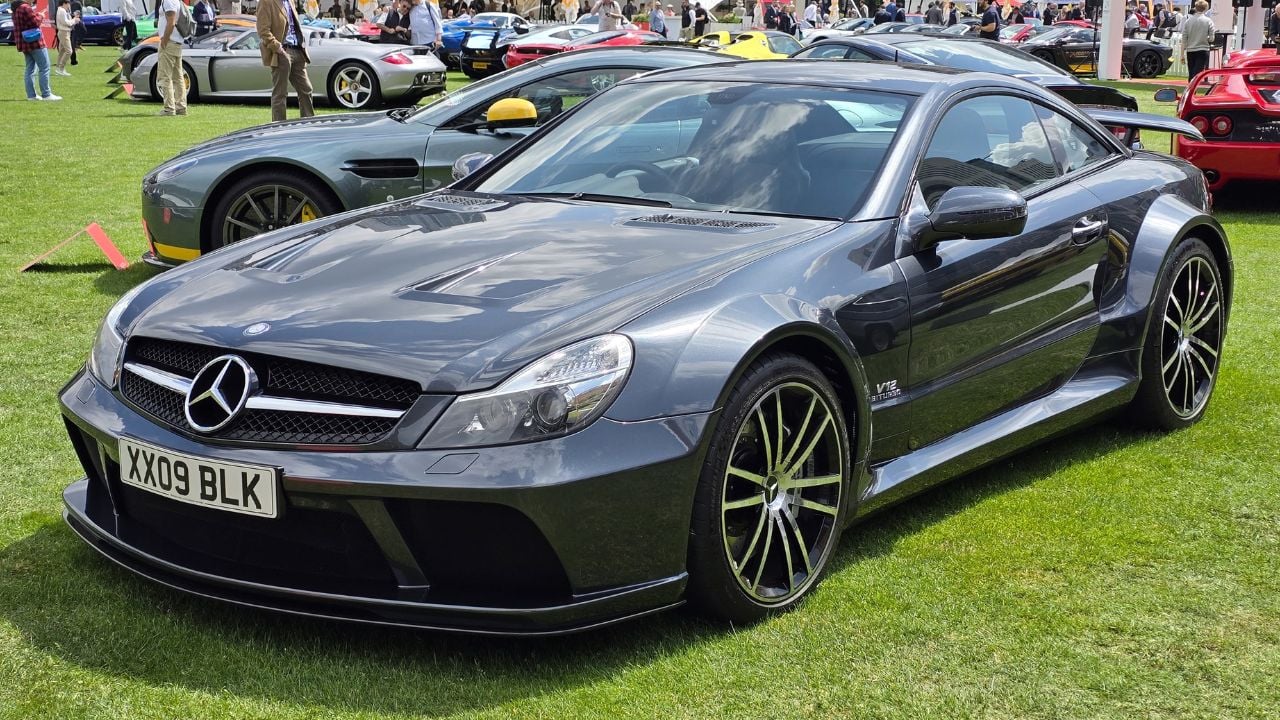
If the S65 AMG was the boardroom bruiser, the SL65 AMG was the roadster version of the same outrageous idea. Mercedes-Benz USA’s official material for the model states that the SL65 AMG used a 6.0 liter biturbo V12 producing 604 hp and 738 lb-ft of torque. That output gave the car a peculiar magic.
The SL had always been a glamorous, wealthy kind of machine, something associated with style, comfort, and a certain mature confidence. AMG turned that template into something much darker and much faster. The result was one of the most memorable convertibles of the 2000s because it felt so excessive in such a deliberate way.
This was not the delicate sports roadster ideal. It was open-top power in its richest, heaviest, most unstoppable form. The SL65 defined the decade because it made twelve cylinders feel decadent again, and the 2000s had a huge appetite for automotive decadence.
BMW 760Li
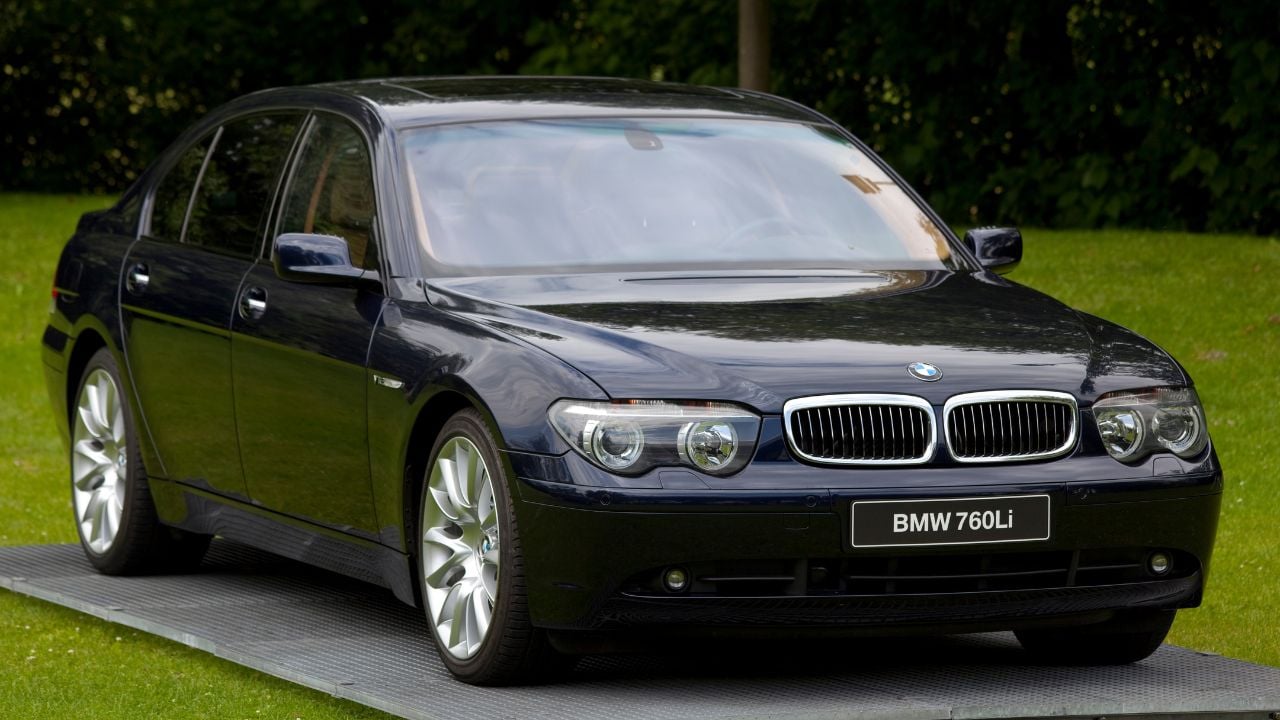
The 760Li is one of the most revealing V12 cars of the 2000s because it showed how the decade’s obsession with technology had reached the top of the luxury class.
BMW’s 2003 press material for the 760i and 760Li said the model introduced a new 12 cylinder VALVETRONIC engine, while BMW’s broader V12 heritage coverage highlighted it as the world’s first production V12 with direct injection. Output sat at 445 hp. That gives the 760Li a very different place in this story from the exotica and AMGs. It was not meant to be a poster car. It was meant to be the fullest expression of BMW’s belief that luxury, innovation, and performance could sit in one deeply modern package. In retrospect, that is a very 2000s idea.
The 760Li defined the era because it made the V12 feel intelligent, data-driven, and future-facing rather than purely romantic.
Aston Martin V12 Vanquish
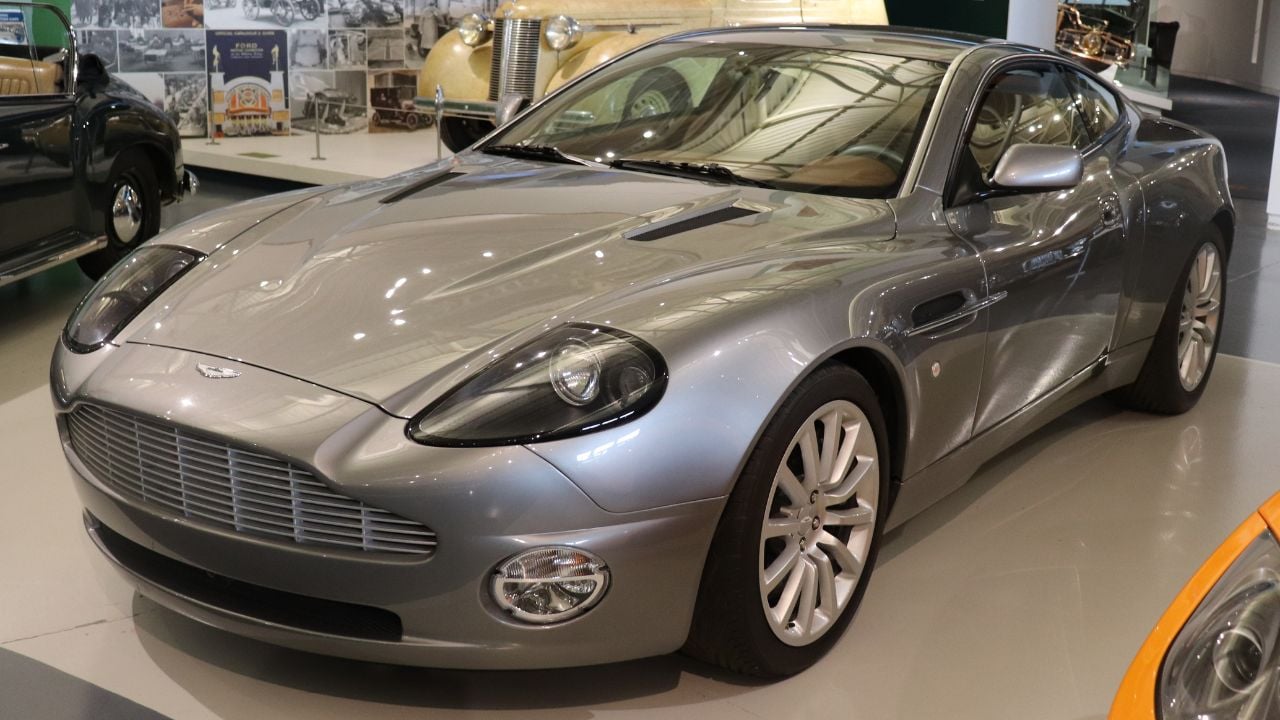
The V12 Vanquish belongs on this list because it helped define what early 2000s ambition looked like in grand touring form. Aston Martin’s own heritage material says the car debuted at the 2001 Geneva Motor Show with a 6.0 liter V12 producing 460 bhp, while its aluminum and carbon fiber structure showed just how serious the company was about pushing into a more modern era.
What made the Vanquish so important was the way it blended old Aston Martin glamour with the sharper, more technical mood of the decade. It still looked elegant and expensive, but it also felt faster, harder, and more futuristic than the Astons that came before it. That made it one of the clearest symbols of how the brand entered the 2000s. Its James Bond appearance only strengthened that status and made it one of the decade’s most recognizable twelve cylinder cars.
This car defined the 2000s not by being the loudest V12 of the era, but by making British performance feel modern, cinematic, and newly ambitious. It carried real presence, real cultural weight, and exactly the kind of halo car energy this article is trying to capture.
Why The 2000s Still Echo In Twelve Cylinders
What made these cars so important was not only their power. It was the way they expressed power. One used it to build a carbon fiber icon, another to reinvent the grand tourer, another to give a supercar its menace, and others to turn sedans, roadsters, and limousines into deeply improbable statements. That range is what made the decade special. The 2000s still believed there was room for extravagance, for mechanical theater, for a machine that existed simply because a company wanted to prove it could build something extraordinary.
And maybe that is why V12 cars from this era still hold such force in memory. They came from a moment when the industry had not yet started apologizing for excess. They were proud of it. They wore it in carbon fiber, hand stitched leather, polished wood, and massive hoods. They sounded like confidence. And if you still hear one in your head now, years later, that probably tells you everything you need to know.