Air suspension has transformed how luxury cars glide over broken pavement and uneven highways. Instead of relying only on traditional steel springs, these systems use adjustable air chambers to adapt ride height and firmness in real time. The result feels almost effortless from behind the wheel and even more impressive from the passenger seat. Long road trips become calmer. Daily commutes feel smoother. Rough city streets lose their edge.
Manufacturers across the luxury spectrum now use air suspension to balance comfort and control. Advanced sensors read road conditions constantly. The system adjusts within milliseconds to keep the cabin stable. That technology allows large sedans and SUVs to deliver a composed ride without sacrificing handling precision. Buyers searching for supreme comfort often prioritize this feature above horsepower figures.
In 2026, air suspension appears in more models than ever before. The following vehicles stand out for their ability to deliver exceptional comfort through advanced suspension engineering. Each one proves that smoothness can be engineered with remarkable precision.
Engineering Calm Through Advanced Suspension Design
Air suspension systems operate by replacing traditional coil springs with flexible air bladders. An onboard compressor regulates air pressure in each corner of the vehicle. Height sensors measure body movement, allowing instant adjustments while driving. This setup creates a level ride regardless of road surface or vehicle load.
Luxury brands refine these systems with adaptive dampers and predictive scanning technology. Cameras and radar units sometimes read the road ahead to prepare suspension responses before the wheels reach a bump. That proactive adjustment helps maintain a stable cabin environment. Noise insulation and chassis rigidity complement the suspension to enhance overall comfort.
Vehicle size also influences how air suspension performs. Larger sedans and SUVs benefit greatly because the system counters body roll and pitch effectively. Many models allow drivers to select comfort focused modes that soften responses even further. Reliability has improved significantly over the past decade, making modern air suspension more durable than earlier generations.
The cars selected here represent different segments of the luxury market. All deliver a notably refined ride experience supported by factory engineered air suspension systems. Comfort remains the defining theme across every model in this lineup.
Mercedes Benz S Class
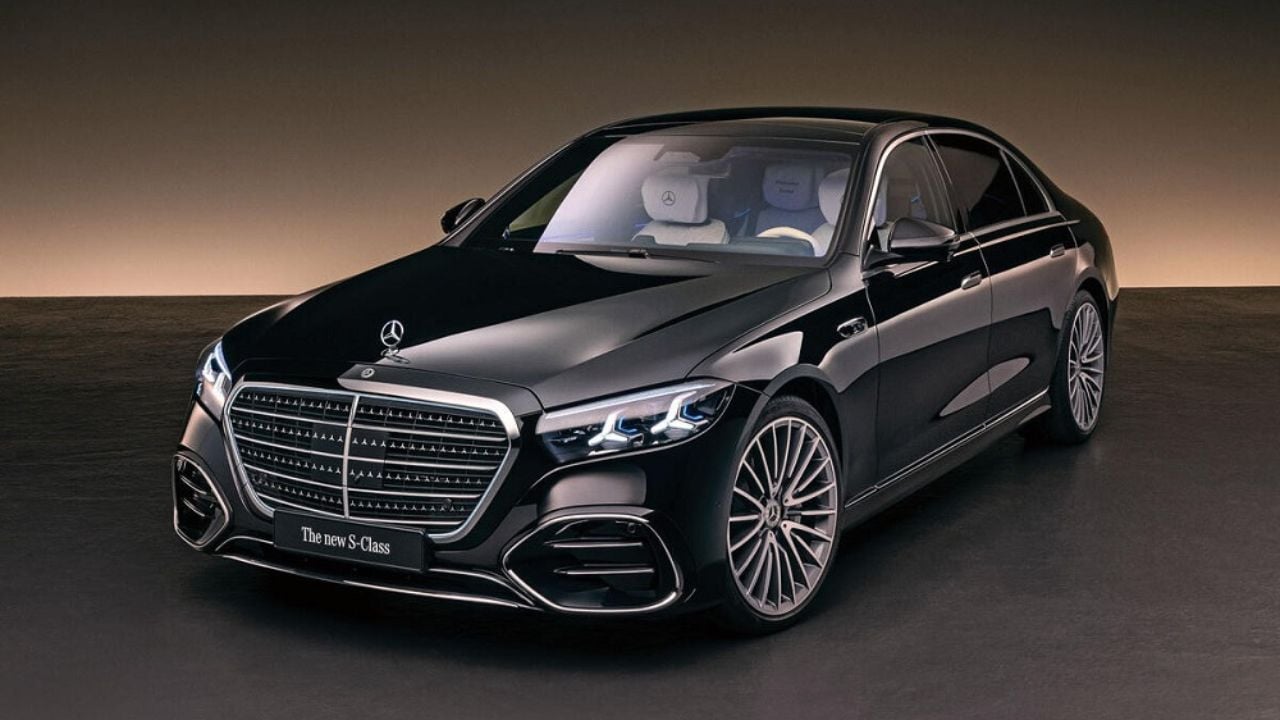
The Mercedes Benz S Class continues its reputation as a benchmark in ride comfort. Its AIRMATIC air suspension system works alongside adaptive damping to isolate passengers from road imperfections. Advanced sensors monitor wheel movement and body control continuously.
Power comes from a 3.0 liter turbocharged inline six with mild hybrid assist in the S 500 producing 442 horsepower, with pricing in the United States starting at $119,500. Higher trims include V8 options with greater output and increased pricing. Regardless of engine choice, suspension tuning remains focused on smoothness and composure.
The cabin environment feels serene even at highway speeds. Road noise stays minimal while the body remains level through sweeping curves. Long distance travel feels relaxed rather than tiring. For buyers who place ride comfort at the top of their list, the S Class stands among the strongest options available.
BMW 7 Series
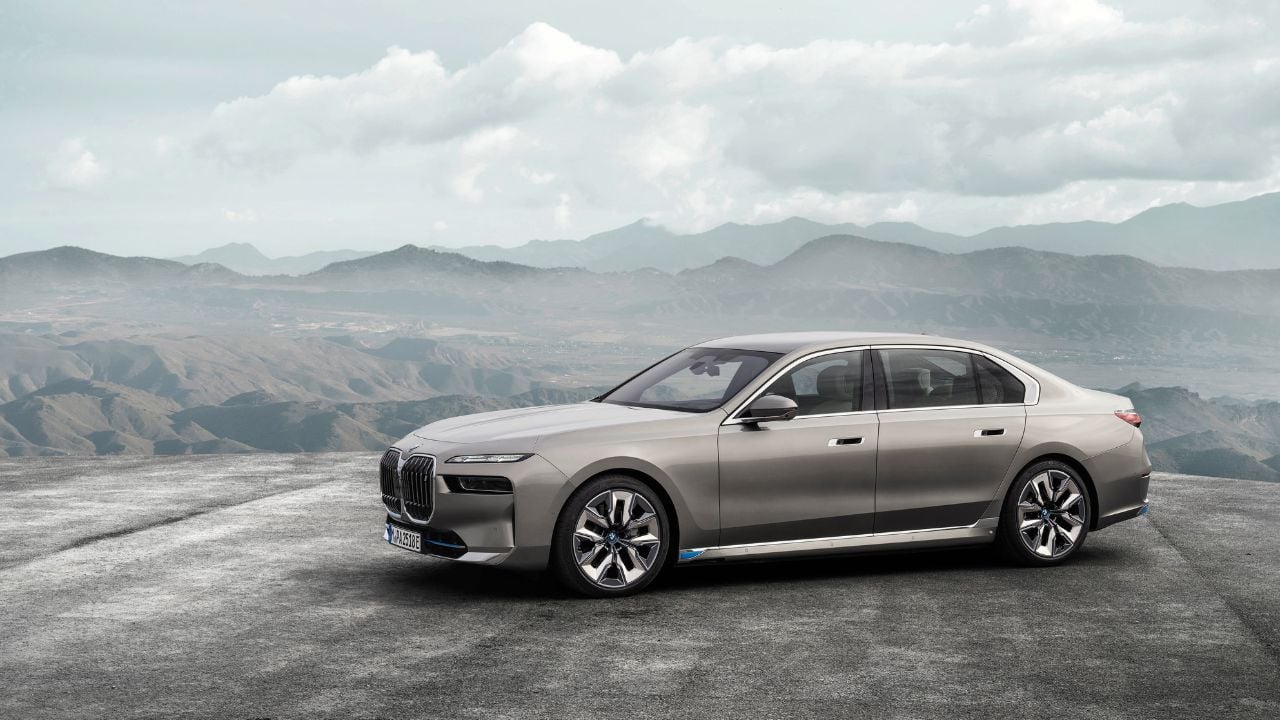
BMW equips the 7 Series with adaptive two axle air suspension as standard in the United States. The system adjusts ride height and damping force automatically based on speed and road conditions. Drivers can select comfort oriented settings for an even softer ride.
The 740i model uses a 3.0 liter turbocharged inline six producing 375 horsepower, with pricing beginning at $99,300. Hybrid and V8 variants extend both performance and price upward. Suspension calibration blends BMW handling precision with impressive ride isolation.
Passengers experience minimal body movement over uneven surfaces. The large sedan remains composed during quick lane changes. Interior refinement supports the suspension’s work, creating a quiet and controlled environment. This model balances dynamic capability with executive level comfort.
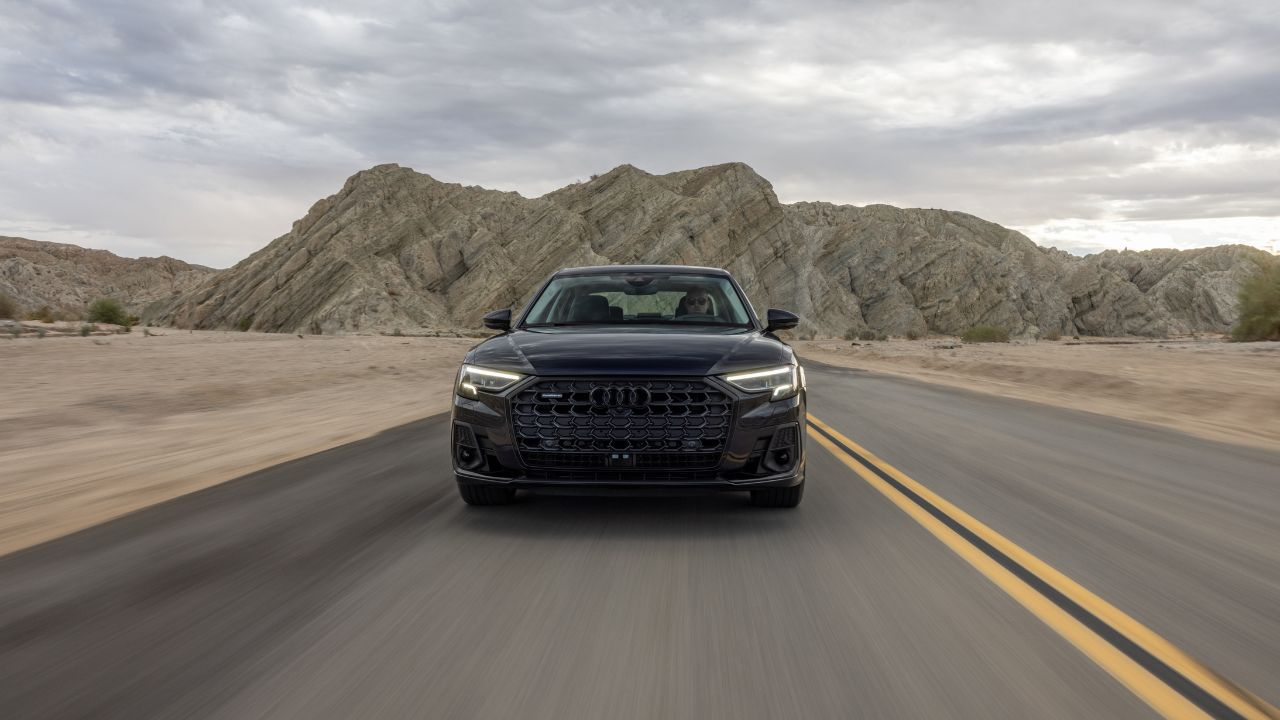
Audi A8
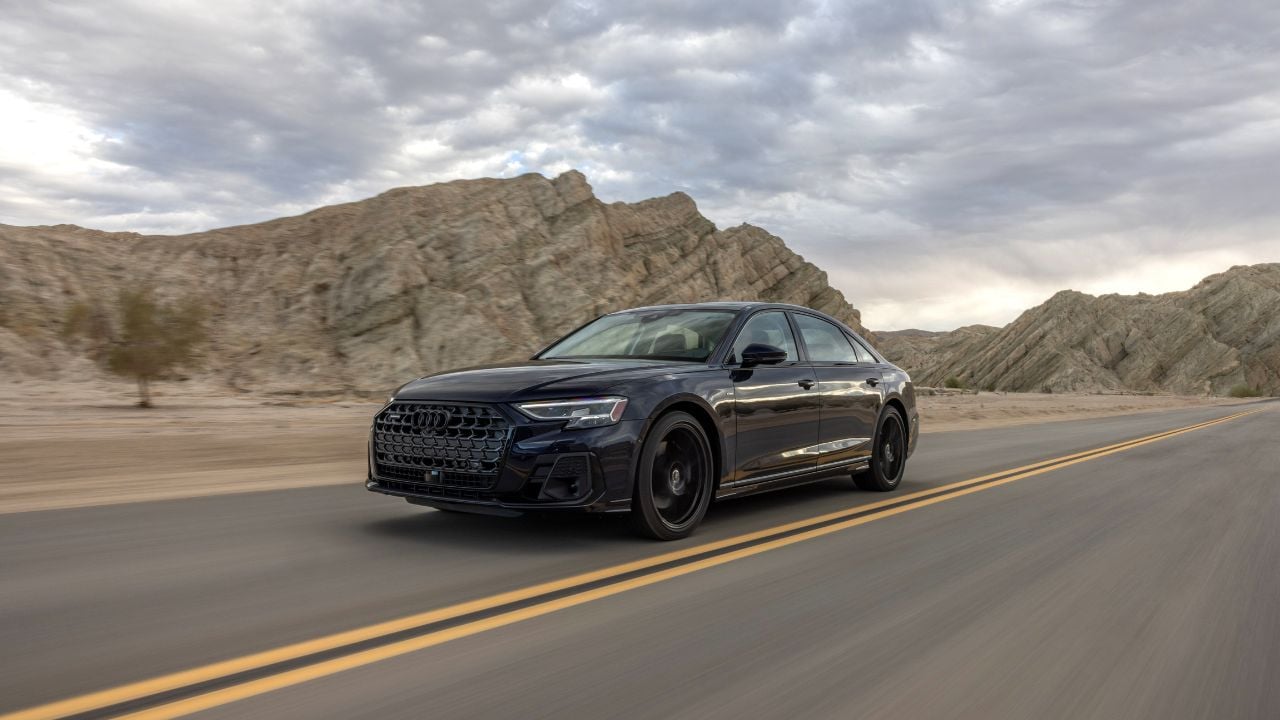
Audi fits the A8 with adaptive air suspension designed for refined cruising. The system automatically adjusts ride height depending on speed and selected drive mode. In comfort settings, the car glides smoothly over expansion joints and rough asphalt.
The A8 55 TFSI features a 3.0 liter turbocharged V6 producing 335 horsepower. U.S. pricing starts at about $95,100 for the A8 L 55 TFSI. In the United States, the A8 uses a 335 horsepower 3.0 liter V6 paired with a 48 volt mild hybrid system. The suspension works seamlessly with the Quattro all wheel drive system for stable handling.
Inside, passengers notice how effectively the chassis filters vibrations. The ride feels steady without excessive softness. Long highway journeys become remarkably relaxing. Audi’s engineering approach emphasizes balance between comfort and confident road holding.
Lexus LS 500
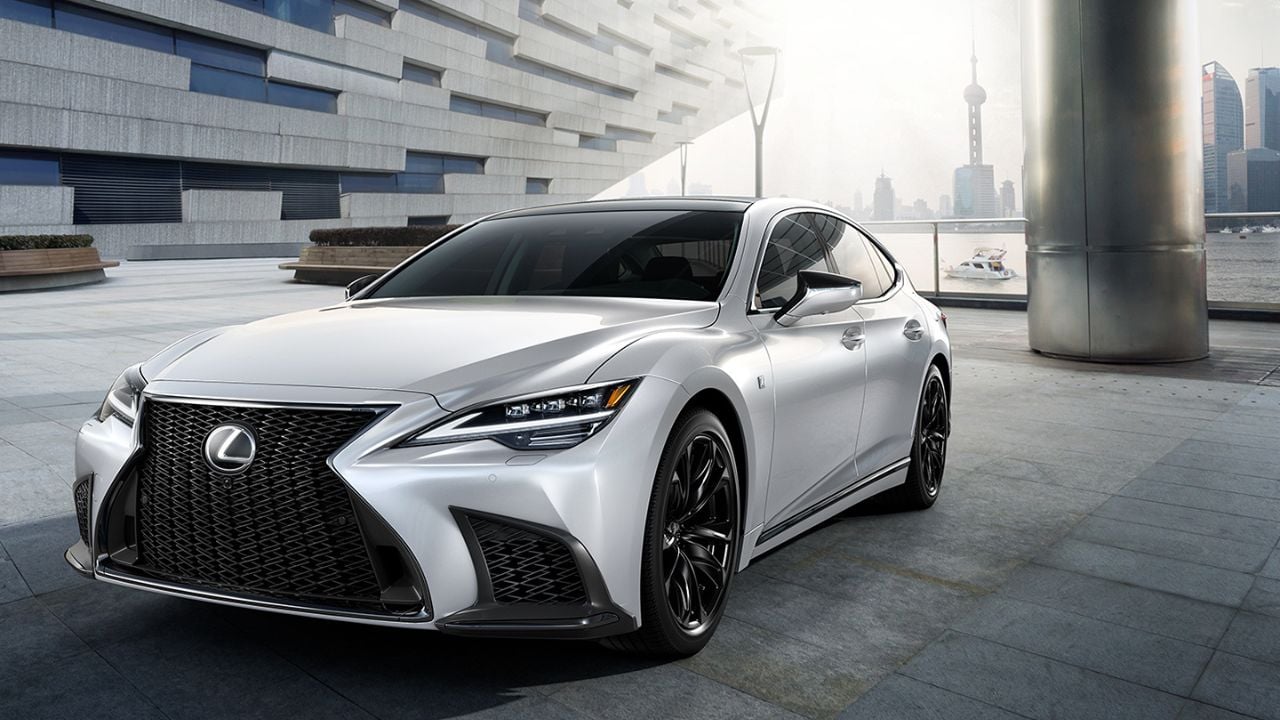
The Lexus LS 500 offers available adaptive variable air suspension tuned for serenity. Engineers focus heavily on vibration reduction and cabin isolation. The system adjusts continuously to maintain a calm ride.
Power comes from a 3.4 liter twin turbo V6 producing 416 horsepower. For 2026, Lexus sells the LS only as the LS 500 AWD Heritage Edition, limited to 250 units, with a starting MSRP of $99,280 including Delivery, Processing and Handling. The suspension works alongside advanced noise reduction materials to create a peaceful driving experience.
On uneven pavement, the LS 500 absorbs bumps with remarkable composure. Body motions remain controlled during cornering. Rear seat passengers enjoy a stable environment ideal for extended travel. Lexus positions this model as a refined alternative within the flagship luxury segment.
Porsche Panamera
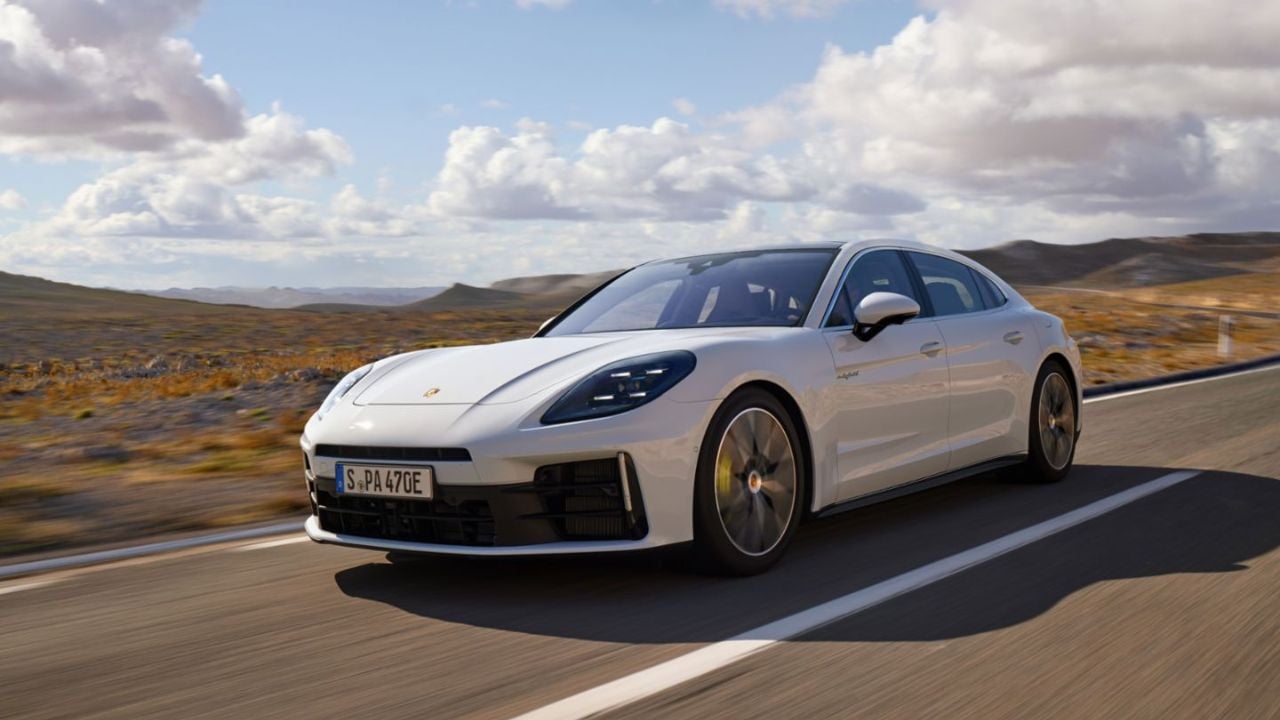
Porsche integrates adaptive air suspension into the Panamera lineup. The system lowers the vehicle at higher speeds for improved aerodynamics and stability. Comfort mode softens the ride for daily use.
The base Panamera features a 2.9 liter twin turbo V6 producing 348 horsepower, with pricing starting at $110,100. Higher trims offer hybrid and V8 powertrains with increased output. Suspension tuning reflects Porsche’s commitment to both comfort and performance.
Despite its sporting character, the Panamera delivers impressive ride quality. Surface imperfections fade quickly beneath the chassis. Steering precision remains intact even when the suspension prioritizes smoothness. This blend makes it appealing for drivers who want comfort without sacrificing engagement.
Range Rover

The Range Rover uses electronic air suspension across the lineup. The system automatically adjusts ride height for road driving and off road capability. Comfort remains a central focus in everyday conditions.
The P400 model uses a 3.0 liter turbocharged inline six producing 395 horsepower. U.S. pricing starts at $115,450. Additional V8 and hybrid options increase both power and cost. Regardless of configuration, the air suspension plays a major role in ride quality.
Passengers experience a floating sensation over uneven roads. Large wheels and tires rarely disturb cabin composure. Long distance cruising feels effortless. Range Rover combines luxury and capability through advanced suspension technology.
Genesis G90
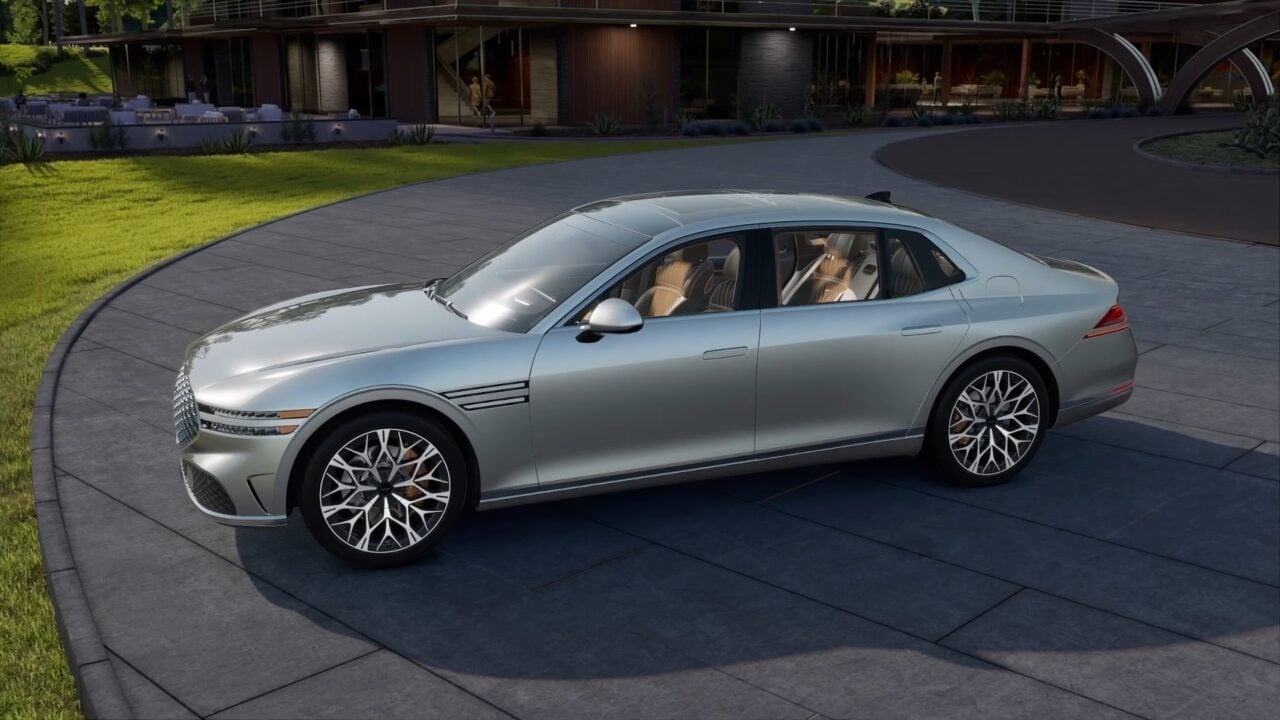
Genesis equips the G90 with multi chamber air suspension designed to enhance smoothness. The system adapts quickly to road conditions and driver input. Engineers prioritize comfort for both front and rear occupants.
The G90 3.5T E-SC MHEV AWD features a 3.5 liter twin turbo V6 with a 48V e supercharger producing 409 horsepower, and it includes multi chamber air suspension. U.S. pricing for the 3.5T E-SC MHEV AWD starts at $103,000. Suspension refinement stands out in this segment.
Road imperfections become subtle background sensations rather than sharp interruptions. Body control remains stable during highway maneuvers. Interior quietness complements the suspension’s efforts. The G90 positions itself as a serious contender among established luxury flagships.
Mercedes Benz GLS 450

The Mercedes Benz GLS 450 uses self leveling AIRMATIC air suspension with adaptive damping to keep its ride calm over broken pavement. The system maintains a consistent stance with passengers and cargo, and it helps the cabin stay composed at highway speed.
Power comes from a 3.0 liter turbocharged inline six with mild hybrid assist producing 375 horsepower. Pricing in the United States starts at $90,250. Even with three rows, the GLS stays impressively smooth and settled.
Big impacts feel softened before they reach the seats. Body motions stay controlled during lane changes and long sweeping curves. It delivers the kind of comfort that makes long trips feel easy.”
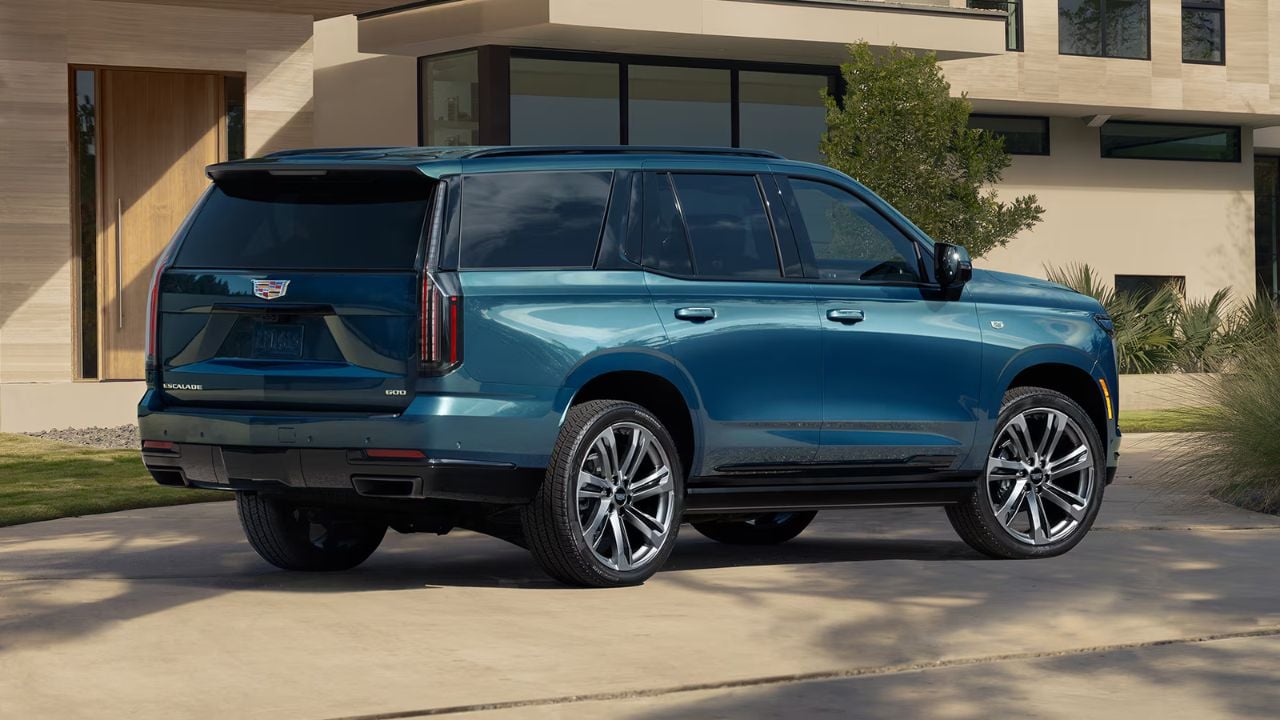
Cadillac Escalade
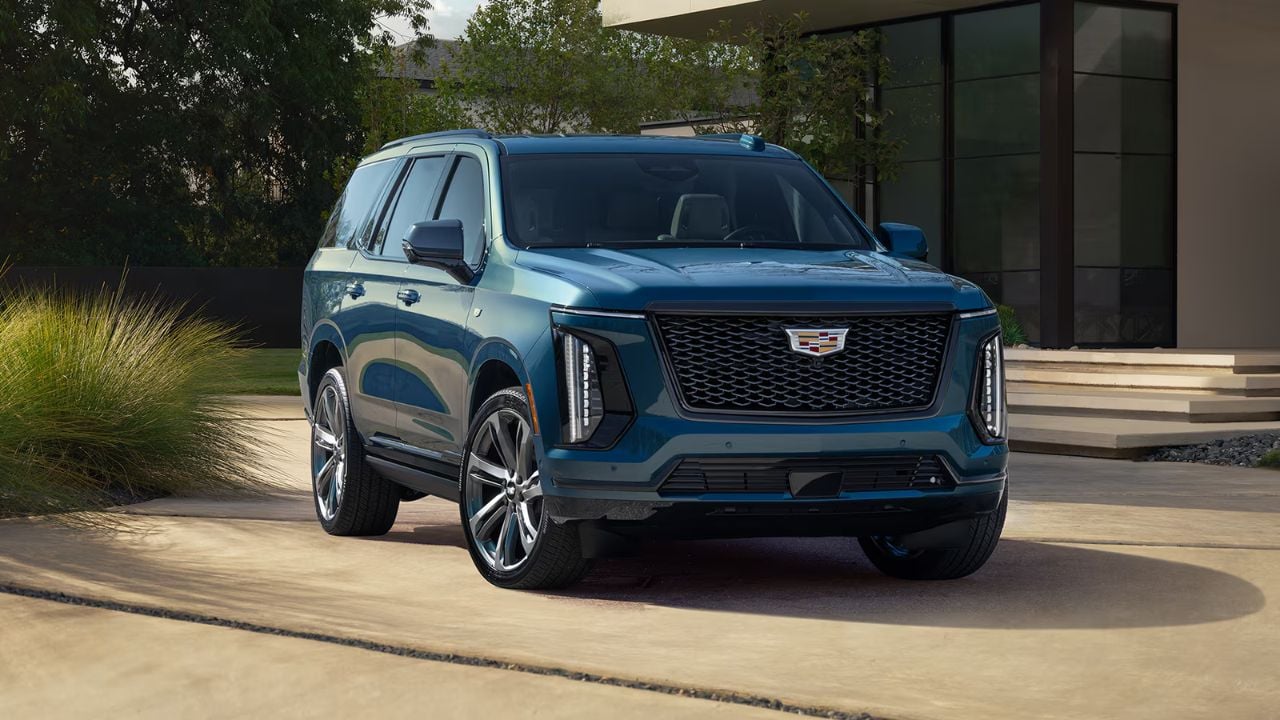
Cadillac offers available Air Ride Adaptive Suspension and available Magnetic Ride Control on the 2026 Escalade to help maintain body stability. Ride height adjusts automatically based on driving conditions.
The standard engine is a 6.2 liter V8 producing 420 horsepower. U.S. pricing begins near $93,995. Performance oriented variants raise both output and cost. Regardless of trim, comfort remains a strong selling point.
The Escalade absorbs road imperfections effectively for a large SUV. Cabin isolation enhances the smooth ride. Passengers benefit from consistent body control over long distances. This combination supports its position in the premium SUV segment.
Bentley Flying Spur
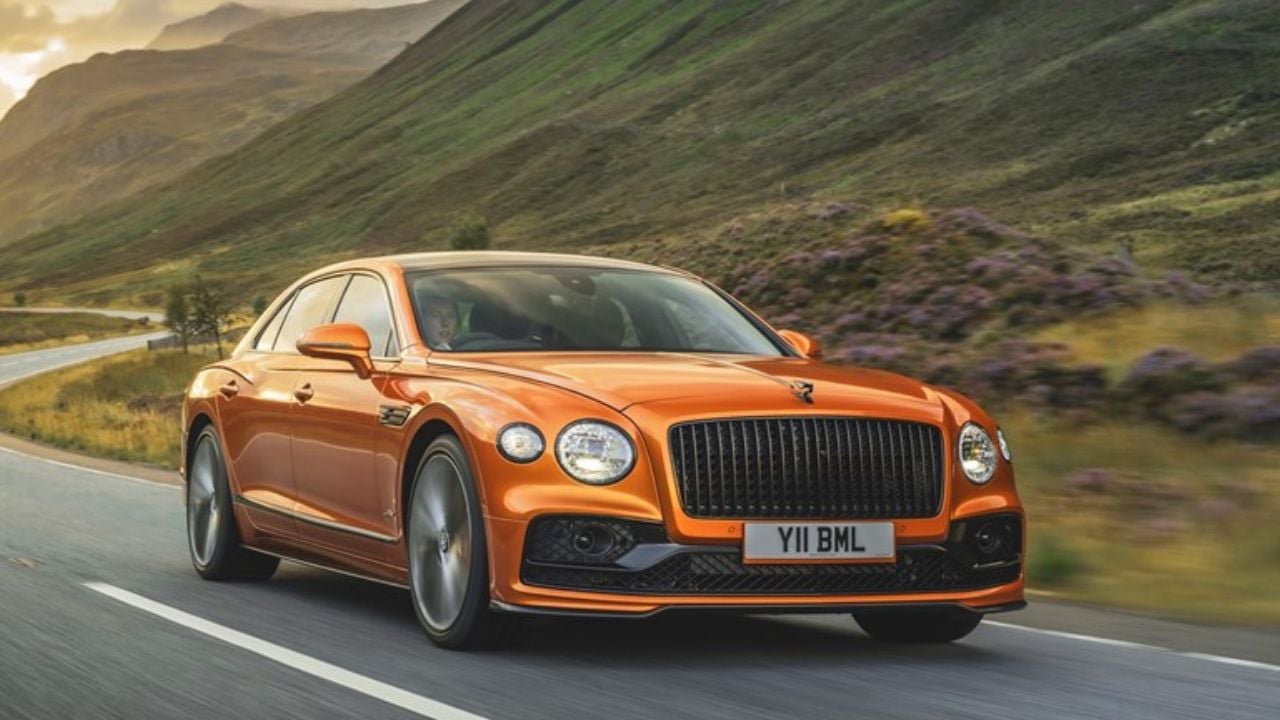
Bentley equips the Flying Spur with three chamber adaptive air suspension. The system can vary stiffness levels significantly, allowing both relaxed cruising and composed handling.
The Flying Spur uses a plug in hybrid powertrain pairing a twin turbo 4.0 liter V8 with an electric motor. Base and Azure models make 671 horsepower, while Speed and Mulliner models make 771 horsepower. Pricing in the United States starts at $254,850.
Ride quality feels exceptionally refined. Surface irregularities fade beneath the chassis. The suspension works with active anti roll systems to maintain stability. Inside, craftsmanship and comfort align with the smooth ride experience. The Flying Spur represents the upper end of luxury comfort.
Comfort Above All

Air suspension has reshaped expectations in the luxury market. Modern systems react instantly to changing road surfaces and driving conditions. The result feels controlled, smooth, and refined across different vehicle types.
Would you prefer a large executive sedan or a full size SUV for ultimate comfort? Do you value a sport oriented character blended with softness, or pure isolation from the outside world? Each model in this list delivers exceptional ride quality supported by advanced suspension engineering.
In a world where performance numbers often dominate headlines, true comfort remains a powerful luxury statement. For drivers who prioritize calm over chaos, these ten vehicles stand at the forefront of smooth travel in 2026.