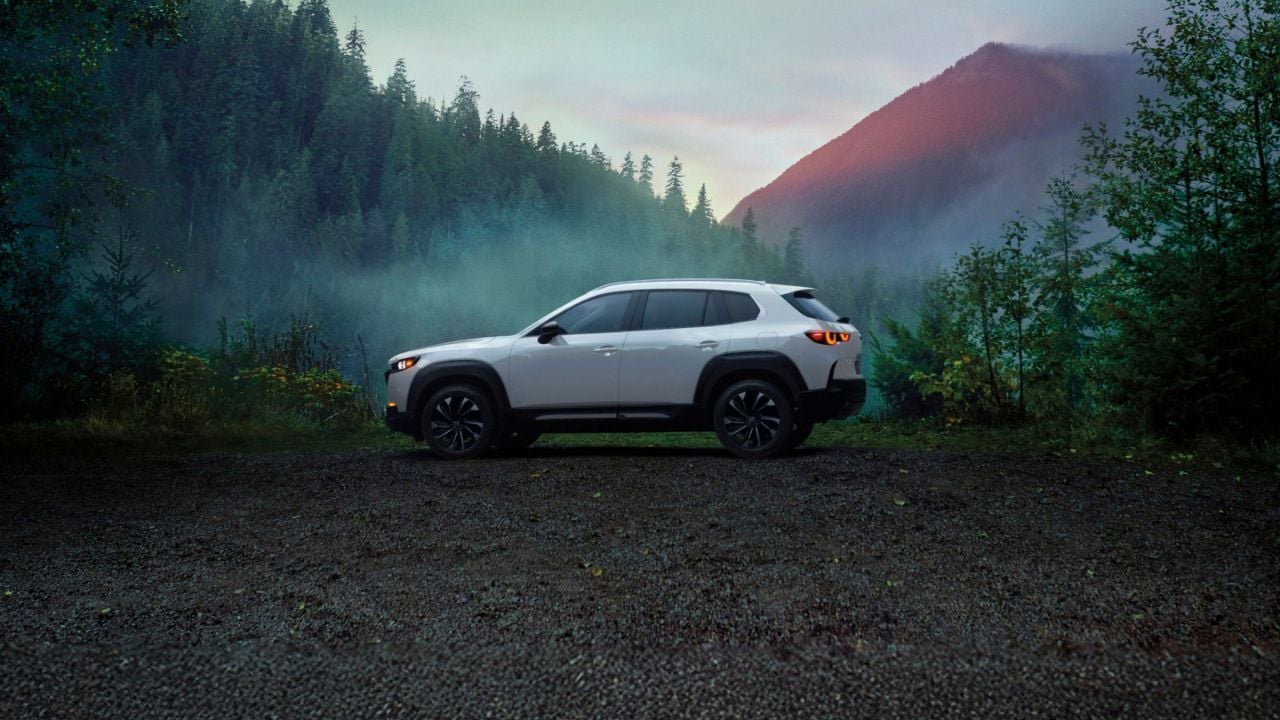
Value in an SUV is easy to misunderstand. The cheapest model on the lot can become expensive quickly if it feels underpowered, wastes fuel, loses resale strength, lacks safety tech, or fails to fit daily life.
A smart SUV purchase should feel useful on the first day and still logical years later. That means a fair price, strong fuel economy, practical cargo space, comfortable seating, proven brand support, and features buyers will actually use.
The best choices also avoid chasing image over substance. A value-focused SUV should make commuting, family use, road trips, bad weather, errands, and ownership costs easier to manage.
These ten SUVs stand out because each one gives buyers a clear reason to spend the money. Some keep the entry price low. Some bring standard all-wheel drive. Some save fuel with hybrid power. Others stretch the budget with cargo space, warranty coverage, resale strength, or a more premium feel without a luxury badge.
Chevrolet Trax

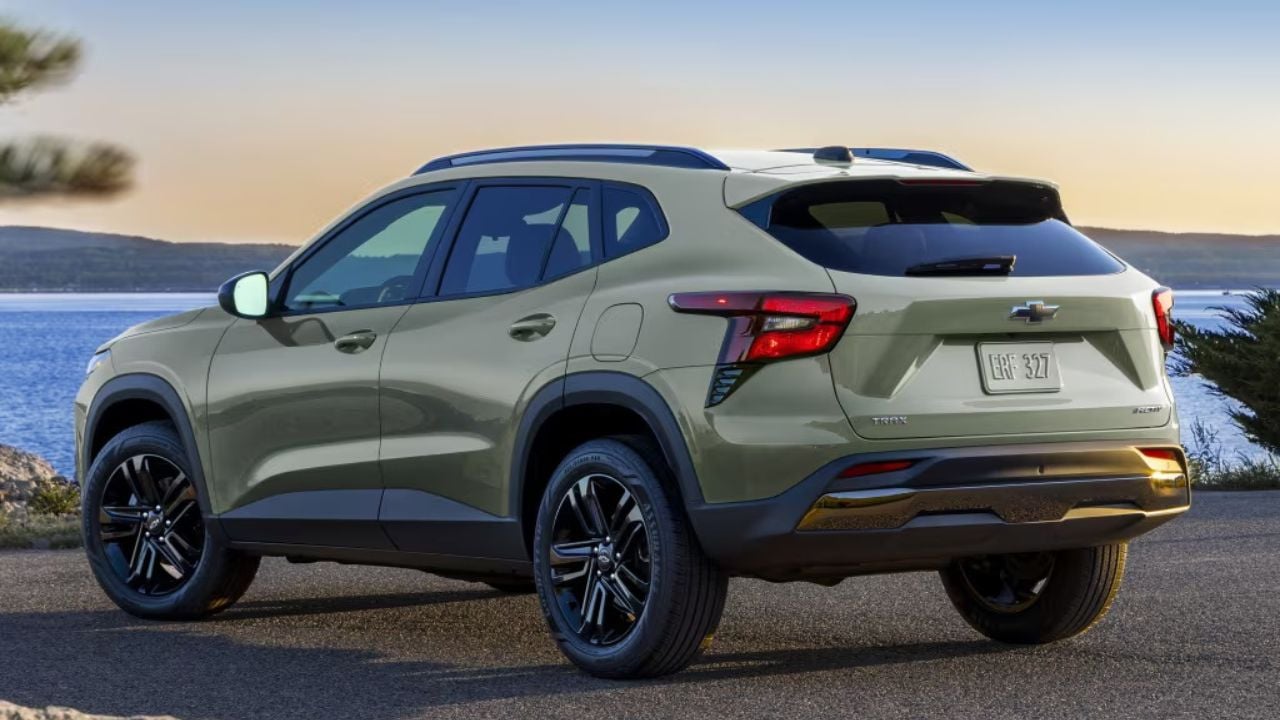
The Chevrolet Trax is the budget choice that still feels like a real answer, not a penalty box. Chevrolet lists the 2026 Trax LS from $21,700 before destination, with an EPA-estimated 30 mpg combined rating, seating for five, and up to 54 cubic feet of cargo space.
The Trax works best for buyers who want maximum everyday space for the lowest reasonable new-SUV price. Its front-wheel-drive layout means it will not suit shoppers who need all-wheel drive for snowy hills or rural roads, but city drivers, students, small families, and commuters can get a roomy cabin without moving into a $35,000 compact SUV.
Its long-term value case is simple: low entry price, useful interior room, modern safety and infotainment features, and no fake ruggedness. It is not trying to be a trail vehicle or a premium crossover. It is trying to give buyers real space for little money, and that still matters in a market where even basic SUVs can become expensive quickly.
Honda HR-V
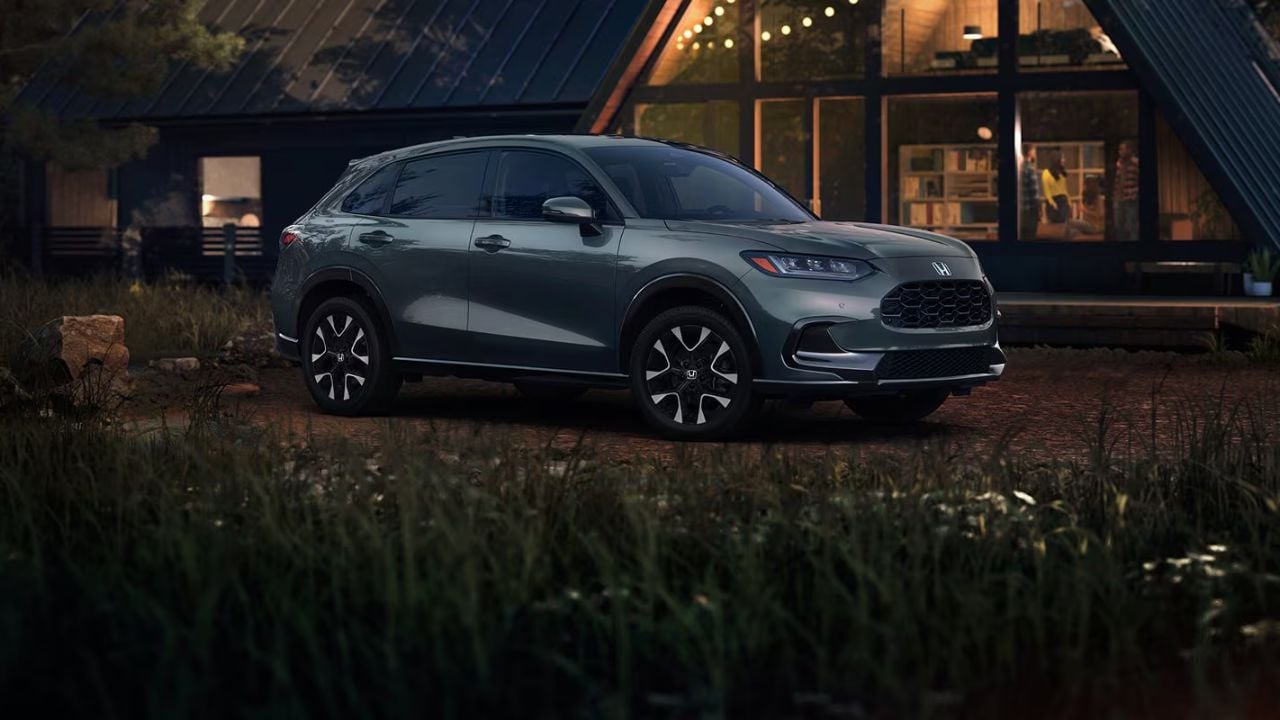
The Honda HR-V is the sensible small SUV for buyers who want Honda’s ownership logic in an affordable package. Honda lists the 2026 HR-V from $26,500, with an estimated 26 mpg city and 32 mpg highway rating on front-wheel-drive trims. Honda’s official specification sheet also lists 24.4 cubic feet of cargo space behind the rear seats and 55.1 cubic feet with the rear seats folded.
The HR-V is not quick, and shoppers looking for strong acceleration should look elsewhere. Its value comes from cabin space, easy controls, comfortable road manners, available all-wheel drive, and the kind of practical design that fits normal daily use.
All-wheel drive costs extra, so buyers who need it should factor that into the real transaction price. Even then, the HR-V makes sense for shoppers who want something newer, safer, and easier to own than an older used luxury crossover. It feels calm, useful, and uncomplicated, which is exactly what many value shoppers need.
Subaru Crosstrek
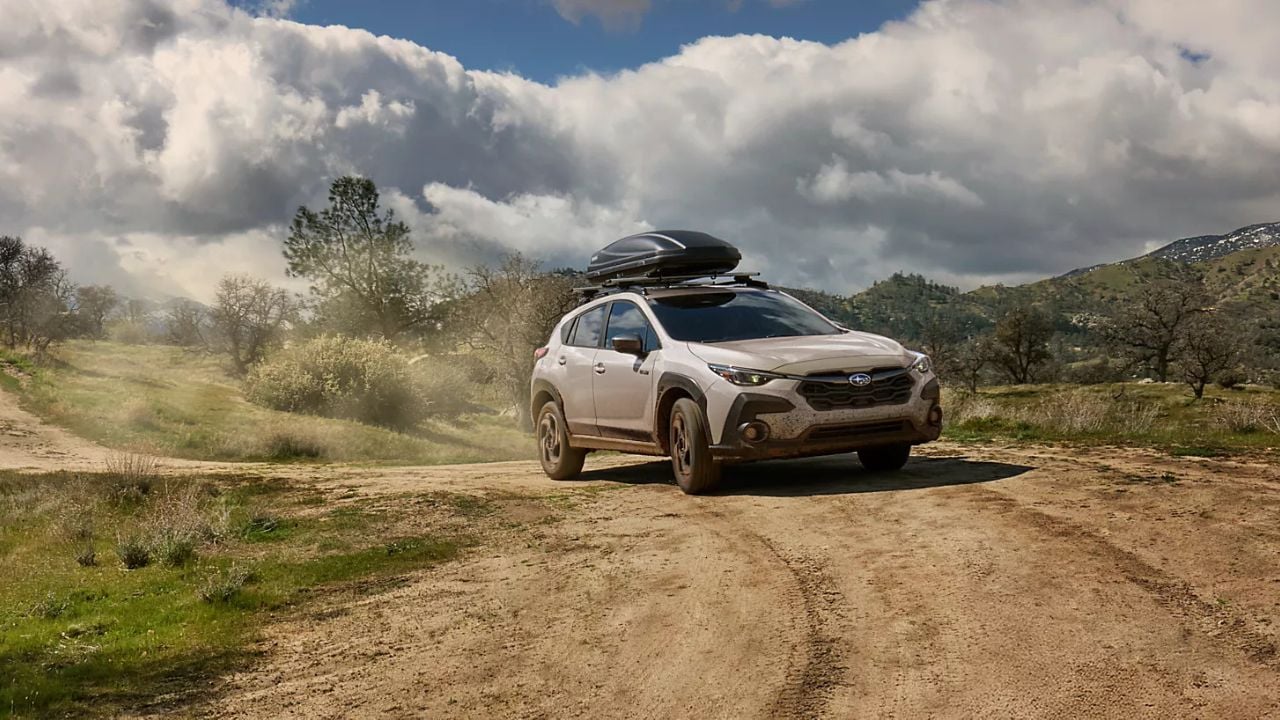
The Subaru Crosstrek deserves attention from buyers who want standard all-wheel drive without stepping into a larger or more expensive SUV. Subaru lists the 2026 Crosstrek from $26,995 before destination and notes that every Crosstrek includes standard Symmetrical All-Wheel Drive, standard EyeSight driver-assistance technology, and up to 33 mpg highway.
That combination gives the Crosstrek a clear value argument in places where snow, rain, gravel roads, and weekend outdoor plans are part of normal life. Many rival small SUVs charge extra for all-wheel drive, while Subaru builds it into the basic formula.
The Crosstrek is small enough for city parking, useful enough for outdoor weekends, and confident enough for rough weather without becoming large or expensive. The cabin is not huge, but the shape makes it easier to live with than many small cars. Value buyers should see it as a long-term daily driver with extra weather confidence already built in.
Toyota Corolla Cross Hybrid
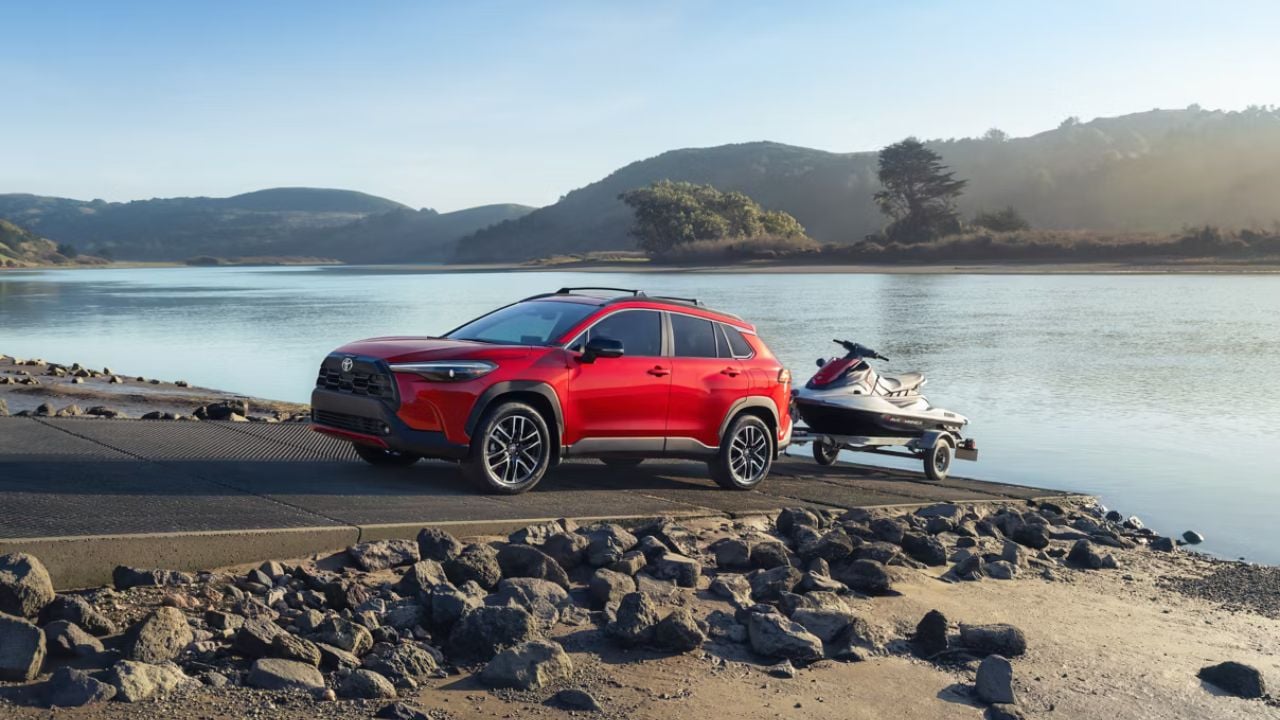
The Toyota Corolla Cross Hybrid is one of the cleanest value plays for buyers who want Toyota efficiency and SUV practicality in one compact package. Toyota lists the 2026 Corolla Cross Hybrid with a 42 mpg combined EPA-estimated rating, while Car and Driver lists its EPA figures at 46 mpg city, 39 mpg highway, and 42 mpg combined.
The hybrid is the version to buy if budget allows. It gives the Corolla Cross stronger performance than the gas model, better fuel economy, and standard all-wheel drive in a size that remains easy to park and easy to manage.
This SUV fits shoppers who want lower fuel costs without moving into a bigger hybrid that costs several thousand dollars more. It also has the Toyota advantage buyers care about: broad dealer support, strong resale expectations, and a reputation that helps the purchase feel safer years after the first payment.
Mazda CX-50 Hybrid
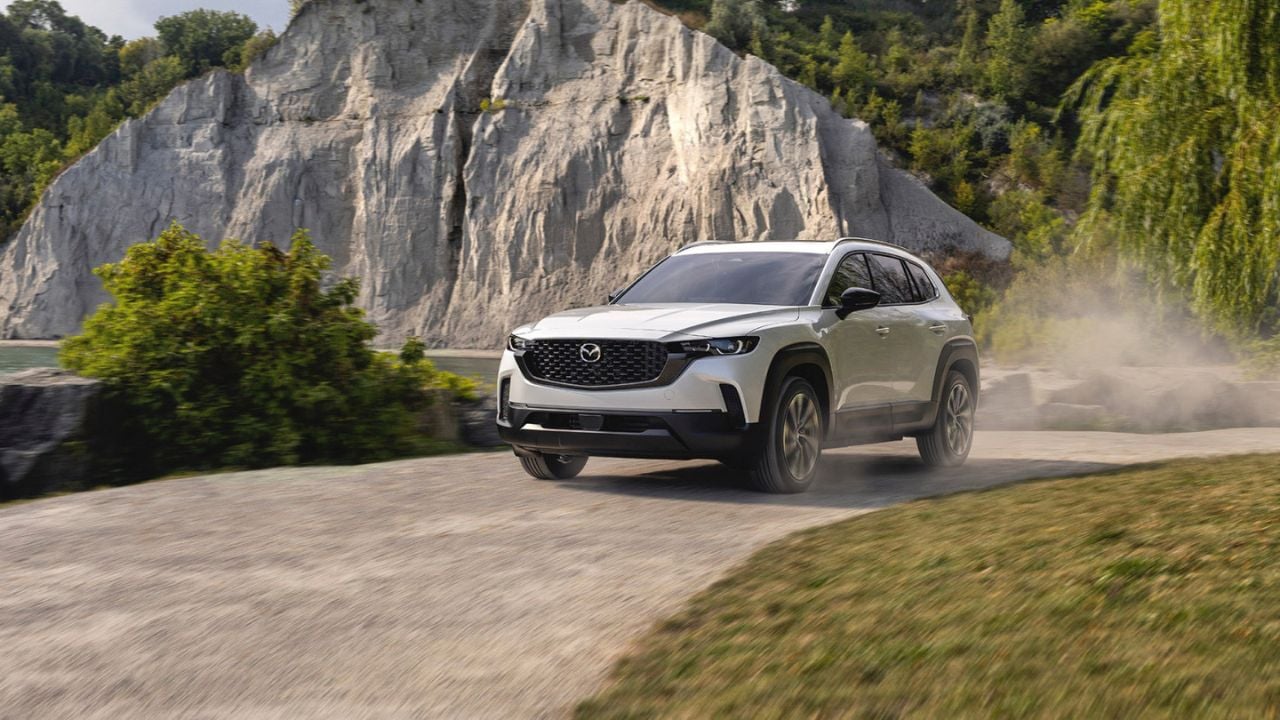
The Mazda CX-50 Hybrid gives value shoppers a different kind of return. It costs more than the smallest SUVs here, but it brings a nicer cabin, standard all-wheel drive, strong fuel economy, and a more polished driving feel than many mainstream crossovers.
Mazda lists the 2026 CX-50 Hybrid at an EPA-estimated 39 mpg city, 37 mpg highway, and 38 mpg combined, with combined output of up to 219 hp. That fuel economy is a major gain over the standard gas CX-50, and standard all-wheel drive strengthens the value case because buyers are not paying extra just to get better weather confidence.
The CX-50 Hybrid suits buyers who want efficiency without giving up style or road feel. It also feels more premium inside than many vehicles in its class, which helps the monthly payment feel easier to justify.
This is a strong choice for shoppers who were considering a luxury compact SUV but still want mainstream running costs. The CX-50 Hybrid gives them much of the cabin appeal and a more sensible ownership path.
Subaru Forester
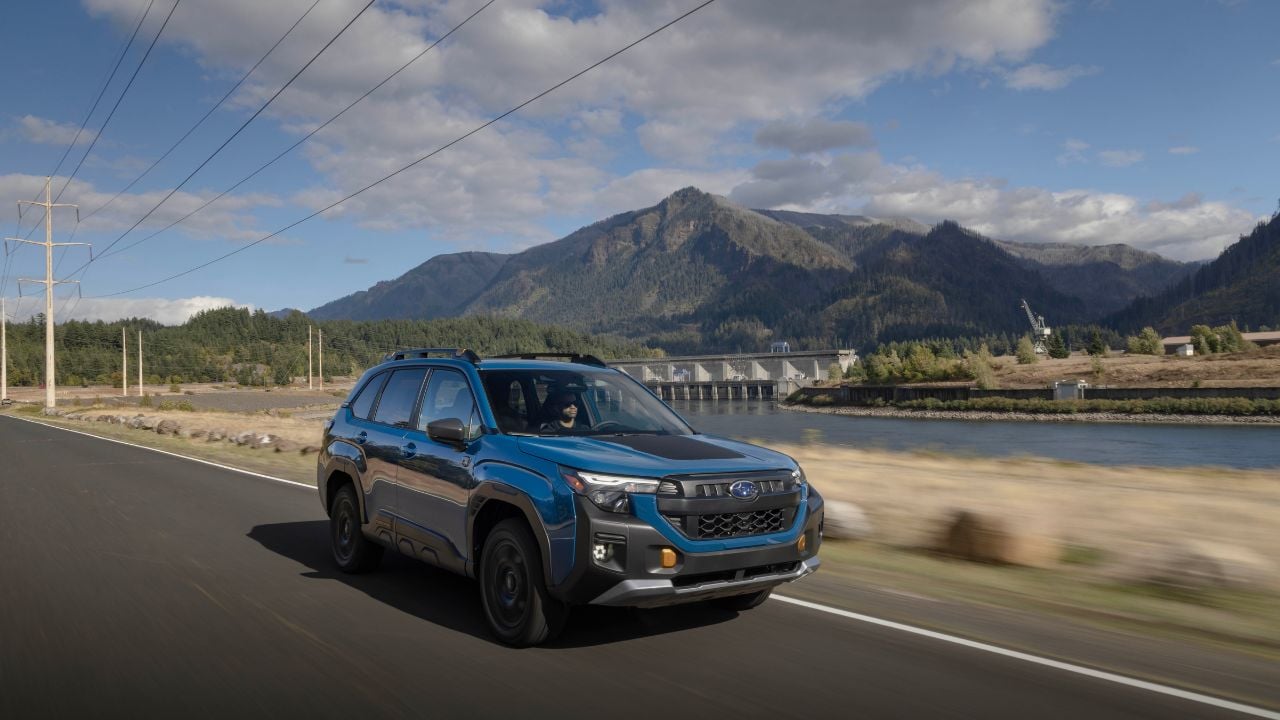
The Subaru Forester is one of the most practical compact SUVs for buyers who want value through visibility, space, standard all-wheel drive, and year-round confidence. Subaru lists the 2026 Forester from $29,995 before destination, with standard Symmetrical All-Wheel Drive, standard EyeSight driver-assistance technology, and up to 33 mpg highway.
The Forester’s advantage is everyday ease. The tall glass, upright seating, square cargo area, and predictable controls make it friendly for families, older drivers, new drivers, and outdoor buyers who value function over flash.
It also gives buyers standard traction without forcing them into a higher trim. That is important for value shoppers in snow-belt states or mountain areas, where all-wheel drive often becomes an expensive add-on with rival SUVs.
The Forester is not the most stylish compact SUV, but its usefulness is obvious every day. It is roomy, practical, efficient enough, and built around the kind of honest utility that keeps owners loyal.
Honda CR-V Hybrid
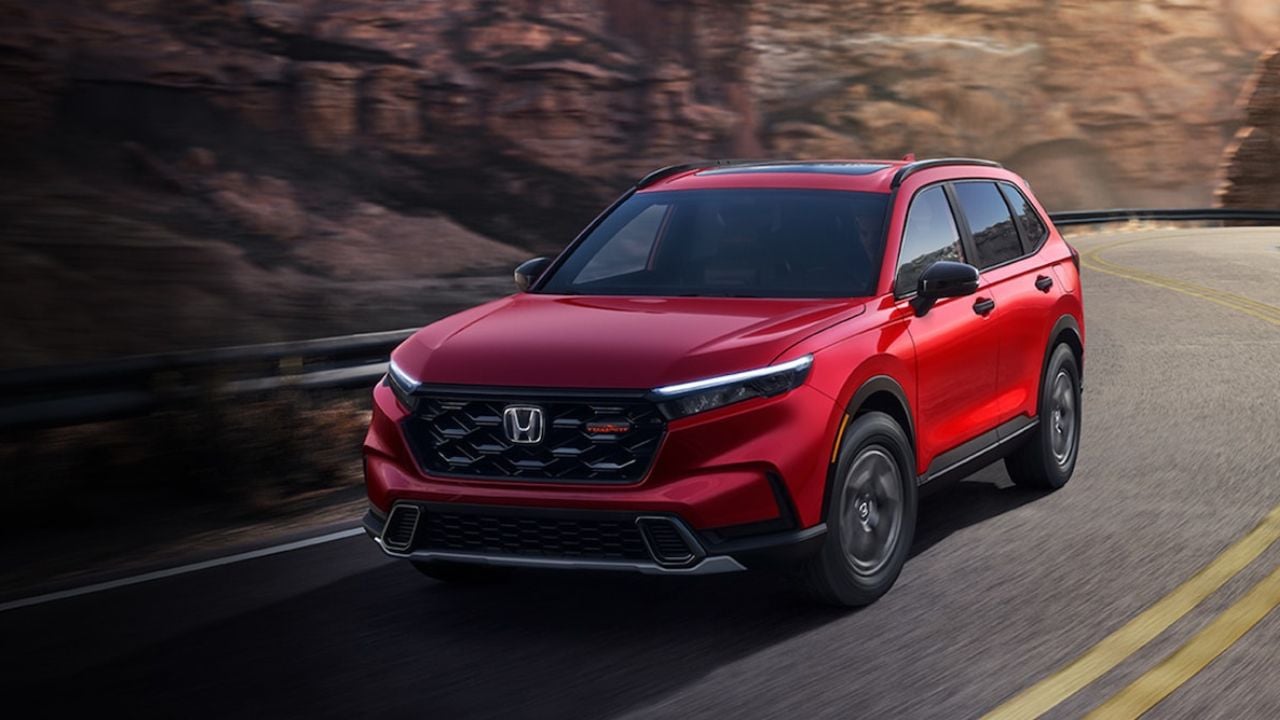
The Honda CR-V Hybrid is the compact SUV for buyers who want a polished family vehicle they are less likely to outgrow quickly. Honda lists the CR-V Hybrid with a 204-hp powertrain, with EPA ratings up to 43 mpg city and 36 mpg highway for 2WD hybrid trims. AWD hybrid trims are rated at up to 40 mpg city and 34 mpg highway, depending on trim.
The CR-V Hybrid costs more than the Trax, HR-V, or Corolla Cross, but it gives buyers a larger cabin, better family usability, strong fuel economy, and a smoother driving experience. It can handle commuting, school runs, highway trips, and weekend errands without feeling like a compromise.
That is the long-term value angle. A cheaper SUV can stop feeling cheap if the family outgrows it too quickly. The CR-V Hybrid costs more up front, but its room, refinement, efficiency, and Honda dealer support make it easier to justify for buyers planning to keep one SUV for several years.
Toyota RAV4
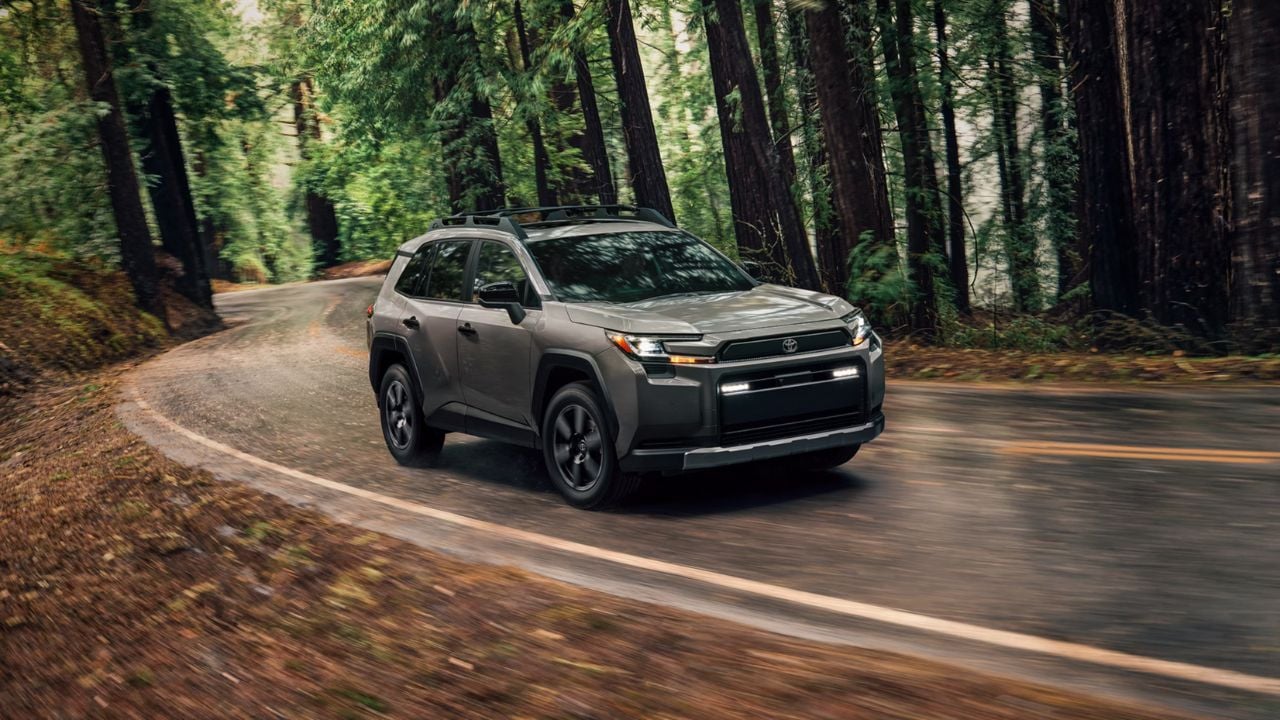
The Toyota RAV4 remains one of the default value picks for shoppers who want efficiency, practicality, and strong resale power. For 2026, the regular RAV4 lineup moves to hybrid power, which strengthens the long-term value story for buyers who were already focused on fuel costs.
Toyota lists the 2026 RAV4 with up to 37.8 cubic feet of cargo space behind the second row and an estimated 47 mpg city and 40 mpg highway rating on efficient hybrid trims. Toyota lists the base LE from $31,900 before destination.
That standard hybrid approach changes the buyer case. Shoppers no longer need to choose between the cheapest version and the efficient version in the same way. The base price has climbed, but fuel economy, Toyota dealer support, proven popularity, and expected resale strength help support the long-term ownership argument.
The RAV4 is not the most exciting SUV here, and that is not the point. For many families, space, efficiency, resale strength, and easy service access are exactly where smart money goes.
Kia Sportage Hybrid
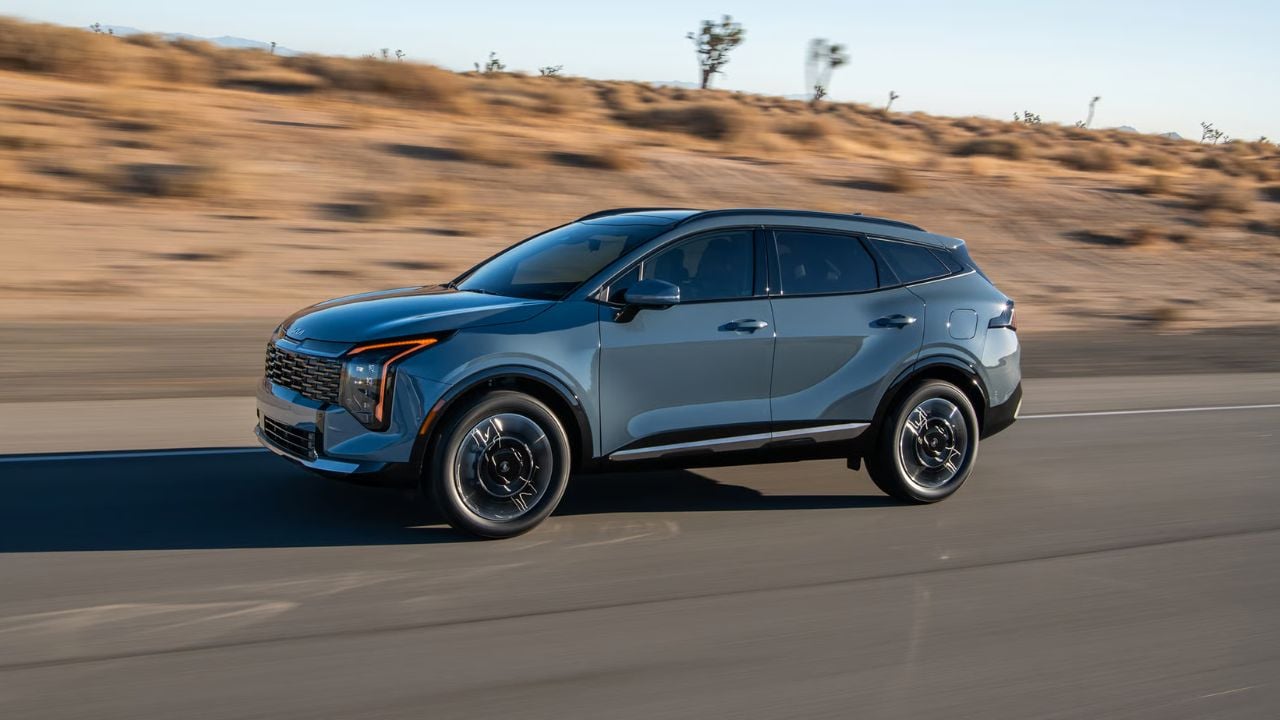
The Kia Sportage Hybrid is one of the strongest space-and-feature-per-dollar compact SUVs in the current market. Kia lists the 2026 Sportage Hybrid LX from $30,490 before destination, and the front-wheel-drive LX is EPA-rated at 42 mpg combined.
Cargo space is another major part of the value story. Kia lists 39.5 cubic feet behind the rear seats with the dual-level cargo floor in its low position and 73.7 cubic feet with the rear seats folded. Those numbers make the Sportage Hybrid unusually useful for families, road trips, strollers, sports gear, and normal household errands.
The Sportage Hybrid gives buyers a spacious rear seat, strong cargo room, hybrid efficiency, and a cabin that feels modern without pushing into luxury SUV pricing.
Kia’s warranty coverage also strengthens the value story for buyers who plan to keep their vehicle long enough for repair costs to matter. The Sportage Hybrid is especially appealing for families who want CR-V or RAV4 utility but prefer more equipment for the price.
Hyundai Tucson Hybrid
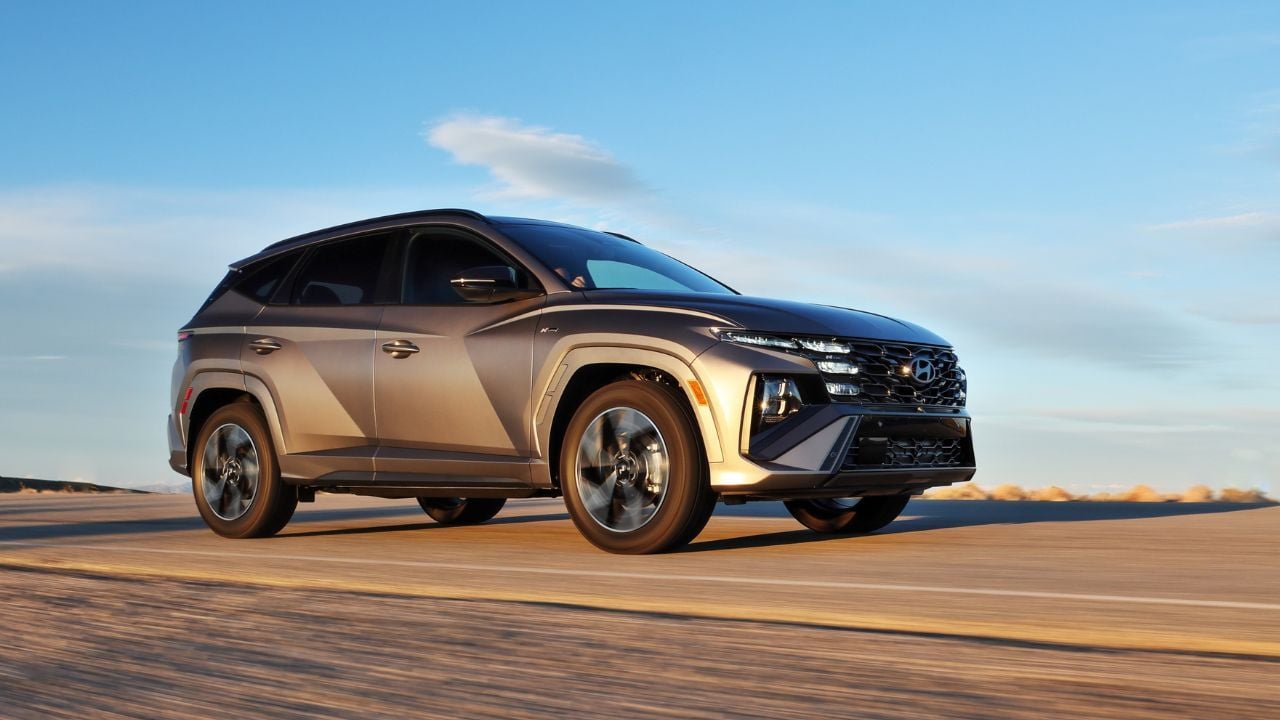
The Hyundai Tucson Hybrid belongs here for buyers who want space, efficiency, warranty coverage, and a more refined feel than many budget-focused SUVs. Pricing varies by source and destination-fee treatment, but the Tucson Hybrid generally starts in the low-to-mid $30,000 range.
Hyundai lists America’s Best Warranty, including a 10-year or 100,000-mile powertrain limited warranty. The Tucson Hybrid also reaches up to 38 mpg combined on its most efficient trim, while higher trims trade some efficiency for more equipment.
The Tucson Hybrid gives buyers useful power, a quiet cabin, strong standard and available features, and a design that feels more upscale than its mainstream badge suggests. It also avoids the sluggish feel that can hurt some non-hybrid compact SUVs.
This is one of the better value choices for shoppers who want a compact SUV that feels comfortable and well equipped from the start. The long warranty, hybrid fuel economy, and generous cabin space make it a smart alternative to more expensive rivals.
The Smartest SUV Is The One That Keeps Earning Its Price
A good value SUV should feel useful after the excitement of buying it wears off. It should save fuel, carry people comfortably, make daily driving easier, and avoid forcing buyers into expensive features they barely use.
The right choice depends on the buyer’s real life. City drivers may get the best return from the Trax or HR-V. Snow-belt drivers may lean toward Subaru. Families may find the CR-V, RAV4, Sportage, or Tucson easier to justify. Buyers who want a more premium feel without luxury pricing should look closely at the CX-50 Hybrid.
Value is not the lowest number on the window sticker. It is the SUV that still feels like the right purchase after 50,000 miles, several road trips, rising fuel prices, and years of normal family use.