Small roads here do the heavy lifting: one turn can swap city buzz for orchard rows, hill chapels, and rivers that look unreal under cloud cover. Scenery shifts quickly from stone villages on windy plateaus to alpine basins threaded by bright water. First-timers usually notice how easy it is to slow down, because distances stay friendly and the views keep interrupting plans. Pack for mixed weather, and expect your camera roll to fill faster than your schedule.
A simple strategy works best: choose one base per region, then build day trips with short hops and long pauses. Markets, bakeries, and terrace cafés reward early starts, while late afternoons bring softer light in the squares. Cobblestones show up often, so comfortable shoes matter more than a perfect outfit. Keep evenings open for spur-of-the-moment dinners and easy detours.
1. Škofja Loka
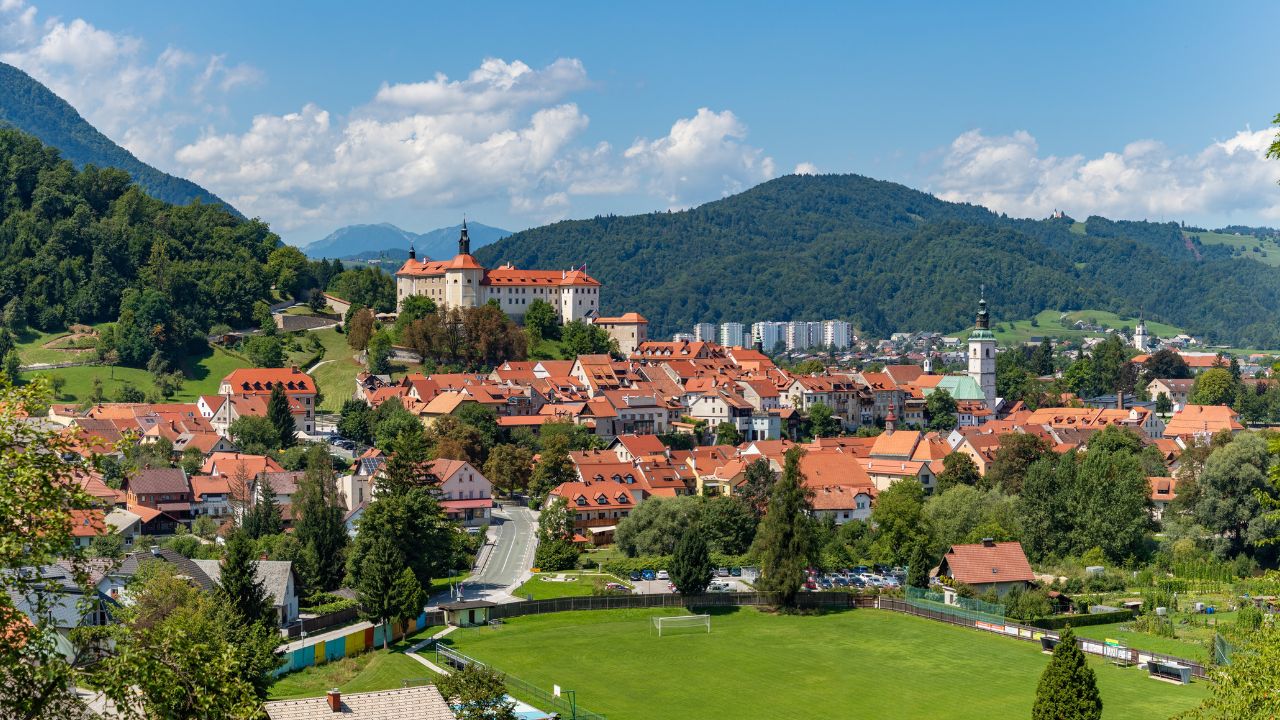
Pastel façades, tight lanes, and a hilltop stronghold make this stop feel like a fairy tale set, except it is the real thing. The Capuchin Bridge dates back to the 14th century, and it remains one of the town’s signature sights. The Škofja Loka Passion Play was written in 1721 and is recognized by UNESCO for its living procession tradition.
Cross the stone span early, then angle uphill for a wide look over rooftops and valley lines. Local cafés around the main square suit a slow start, especially with something warm in hand. If the Passion Play runs during your dates, time your visit for that season and treat it like a rare cultural event rather than a quick photo stop.
2. Radovljica
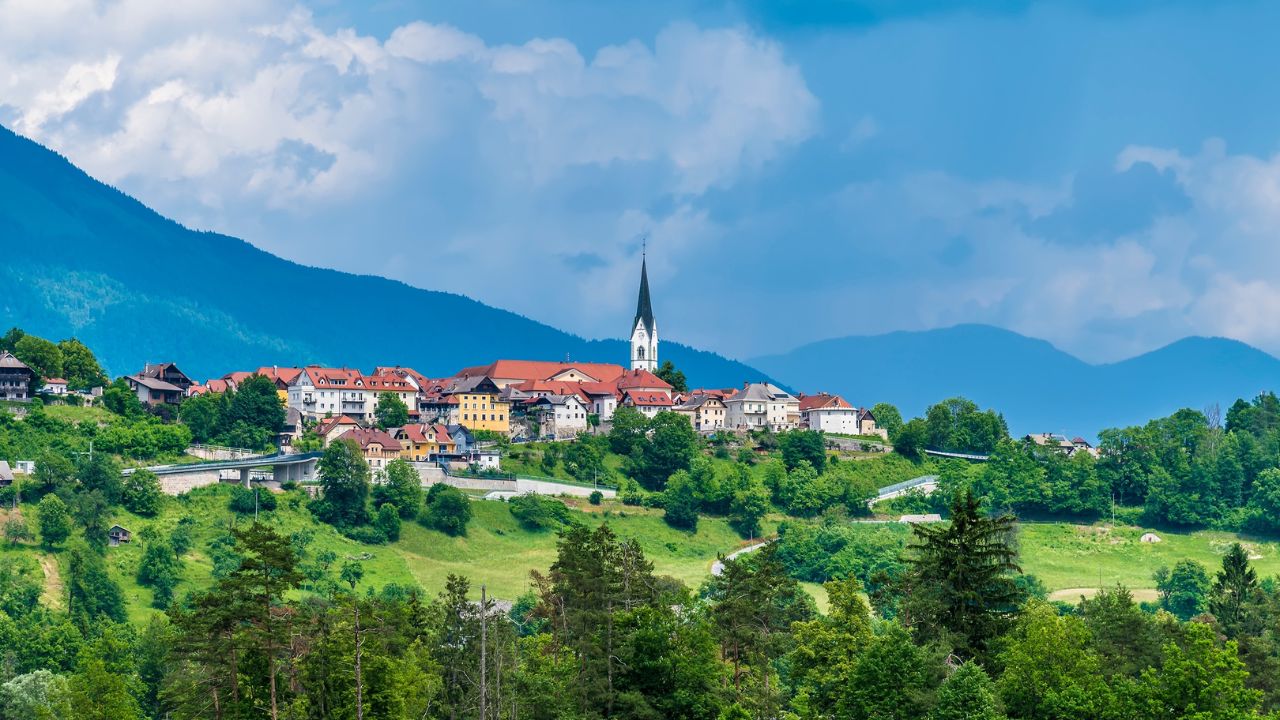
A promontory position above the Sava River gives this historic core a natural viewpoint without any strenuous climb. Linhart Square is lined with preserved houses from the 16th to 18th centuries, which makes the center feel like an open-air museum. The Museum of Apiculture has represented Slovenian beekeeping heritage since 1959, with folk-art beehive panels as a standout.
Arrive hungry and treat it like a stroll-with-snacks kind of afternoon, because bakeries and terrace tables fit the pace. From the square’s edge, take in the alpine horizon, then duck into a single museum rather than stacking five stops. A small-town evening works best here: one long dinner, one short loop, then an early night.
3. Idrija
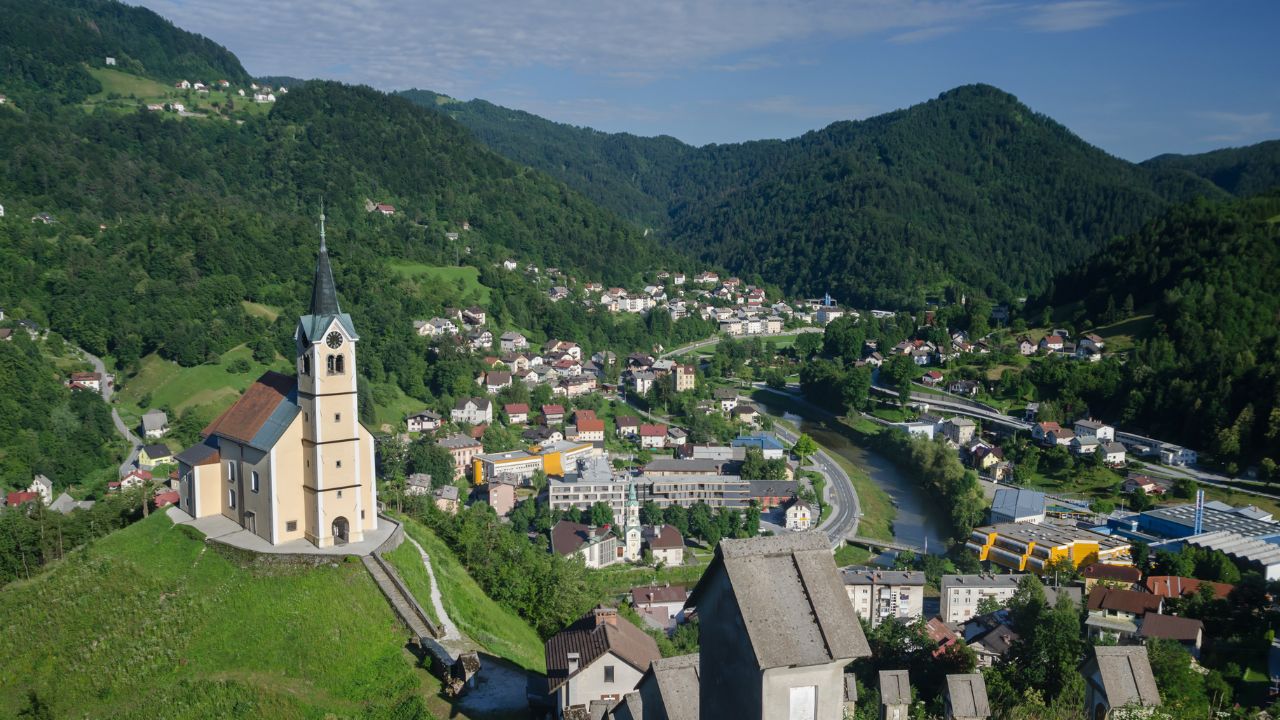
Mining history shaped this place for centuries, and it still shows in architecture, workshops, and local pride. UNESCO’s Heritage of Mercury includes the mining site here, with mercury first found in 1490. The legacy is paired with delicate lace-making, which adds a softer counterpoint to the industrial story.
Plan on at least one underground-style experience or a museum visit so the town’s past feels tangible rather than abstract. Keep your schedule light afterward, because the best follow-up is a relaxed meal and a gentle wander through streets that once served miners and merchants. Souvenir hunting lands better here when you choose one high-quality lace item, not a pile of trinkets.
4. Štanjel
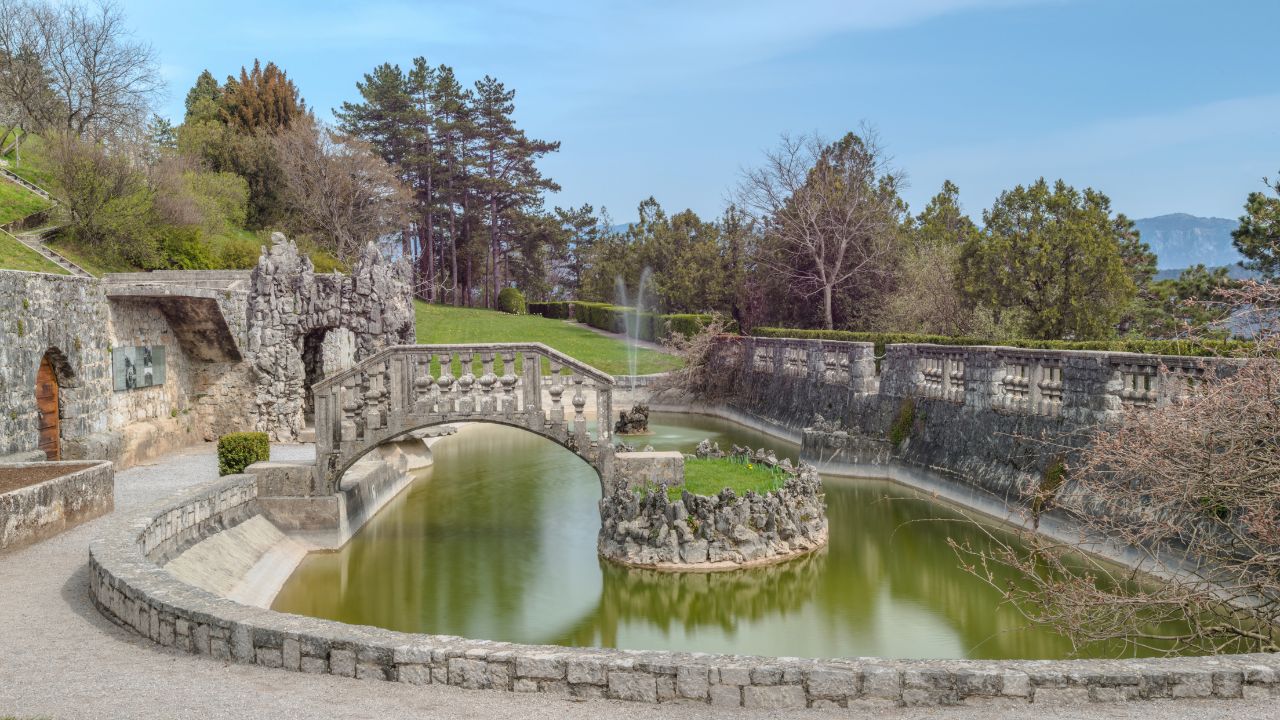
Stone houses, tight stairways, and Karst character give this hill settlement a distinctive texture. The Ferrari Garden is a highlight, designed with terraces and a notable water-supply system by architect Maks Fabiani. The overall effect feels Mediterranean-leaning compared with alpine towns, especially in warm months.
Start with the garden, then let the lanes pull you upward and outward toward viewpoints. Photography clicks here in the late afternoon, when shadows carve out the stonework and rooftops glow. A short stop can still feel complete, especially if you add one café break and a slow circuit back through the oldest corners.
5. Vipava
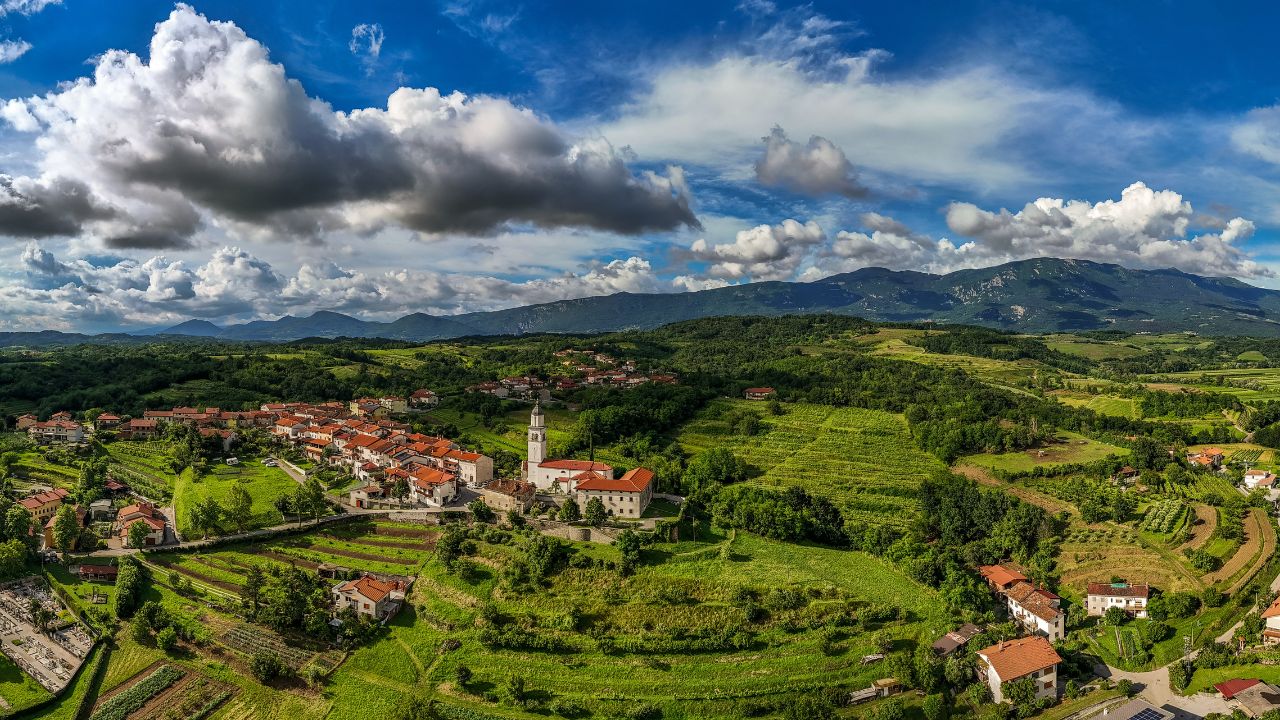
Water defines this valley hub in an unusual way, because the Vipava River surfaces in town through several springs, described as an inverted delta. The setting below Mount Nanos adds a dramatic backdrop without demanding a hike. Local tourism sources also underline the region’s winemaking tradition, which is easy to sample through small producers.
Follow the springs first, then switch gears to a tasting or a slow lunch with local ingredients. Midday heat makes the spring area especially pleasant in summer, since the water keeps the air cooler nearby. For a simple extra, pick a short walking route through orchards or vineyard edges, then return before dusk for an easy evening meal.
6. Kanal ob Soči
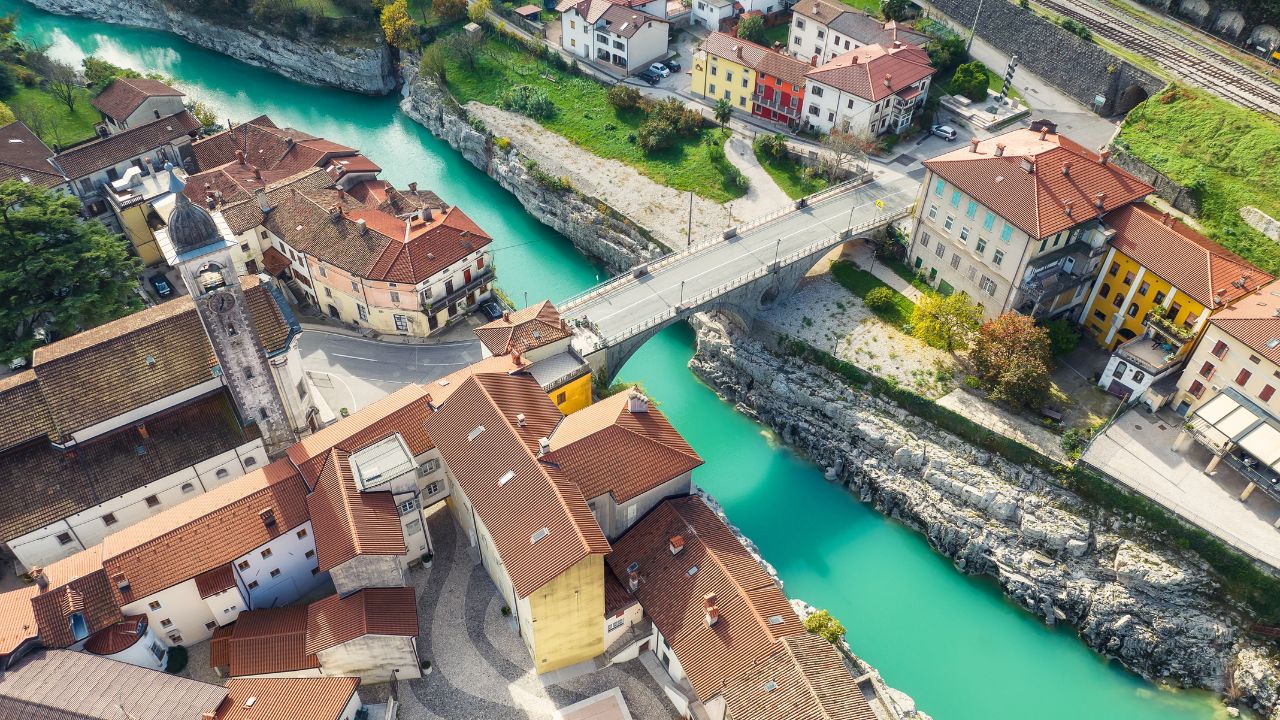
Bright water and a compact riverside layout make this stop feel like a secret, even though it sits in a well-known adventure corridor. A two-arched stone span is the town’s symbol, linking both banks of the Soča River. Local heritage notes mention a bridge history reaching back to 1580, with rebuilds across the centuries.
Come for a slow hour, and it often turns into half a day, because the riverbank invites lingering. Grab a drink, find a bench with a view, and then watch the changing color of the current as clouds pass. Pair this with a short drive to nearby viewpoints, then exit the valley before darkness if you prefer easier roads.
7. Kobarid
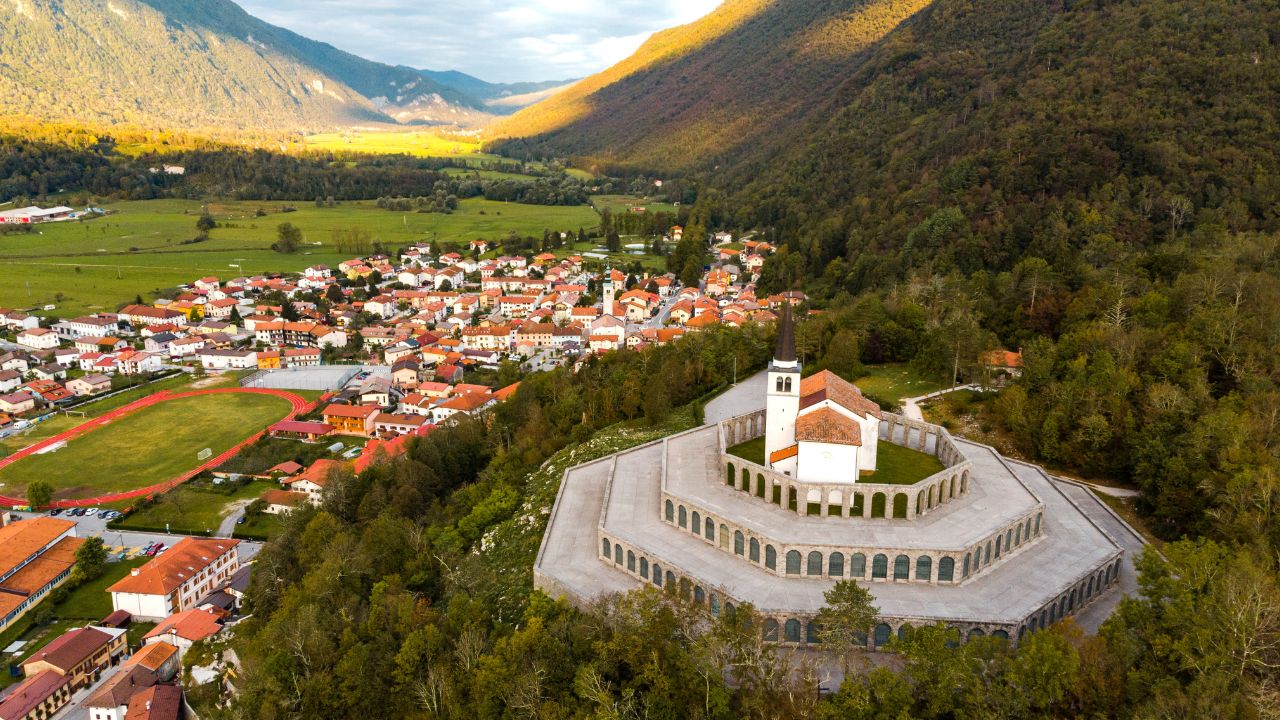
History here carries a serious edge, because this area is tied to World War I fighting on the Isonzo Front. The Kobarid Museum focuses on events from that front and presents two and a half years of warfare in the Upper Soča Valley. The nearby battle known internationally as Caporetto took place in 1917 near the town.
Balance the heavy themes with time outdoors, because the surrounding valley scenery can feel restorative after museum hours. A short, thoughtful walk on marked heritage routes often lands better than a rushed checklist of memorial sites. Dinner tastes different after a day like this, so choose a calm restaurant and give the evening room to breathe.
8. Žužemberk
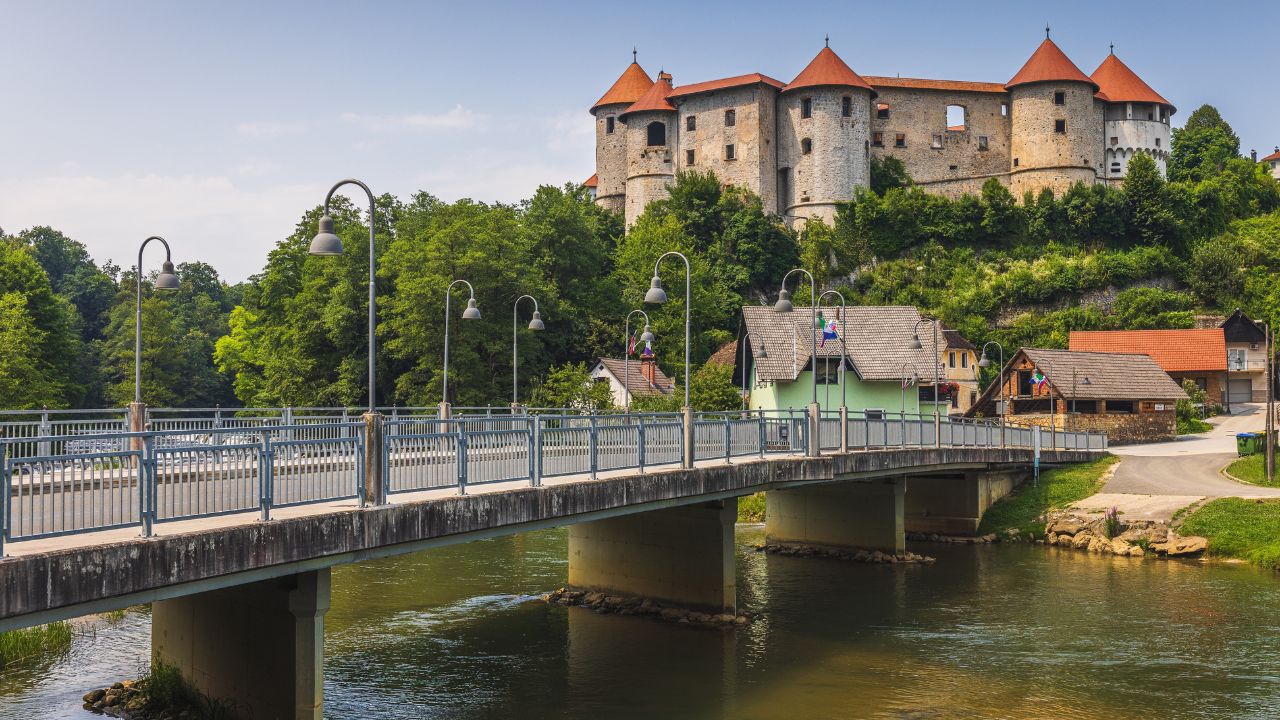
A dramatic cliff above the Krka River holds the remains of Žužemberk Castle, one of the area’s defining sights. Tourism sources describe it as a picturesque medieval fortress with a striking position over the river. The small-town setting around it keeps the visit grounded and low-key.
Walk the river edge first so the castle reveal feels earned, then head up for the broad overlook. Warm months are ideal for a picnic, because the sound of water below sets a relaxed rhythm. If you like local stories, check what seasonal events or exhibitions are running in the castle spaces during your dates.
9. Kostanjevica na Krki
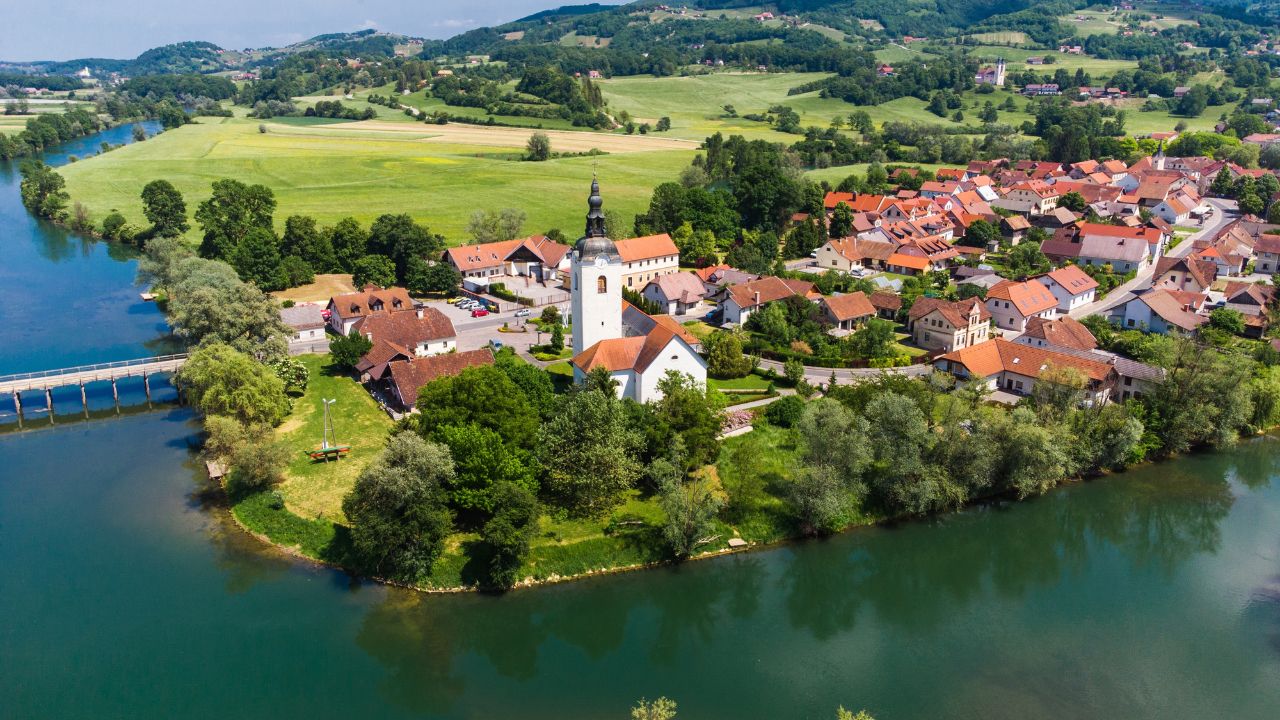
This is Slovenia’s smallest and only town situated on an island, wrapped by the Krka River. A former Cistercian monastery anchors the cultural scene, now home to the Božidar Jakac Art Museum, one of the country’s major art institutions. The whole setting feels serene and slightly surreal, especially in soft morning light.
Circle the island on foot for a full sense of the place, then spend real time inside the museum rather than rushing through galleries. Late afternoon works beautifully for photos, when reflections stretch and the town feels quieter. Overnight stays can be particularly rewarding here, because evenings stay gentle once day visitors leave.
10. Ptuj
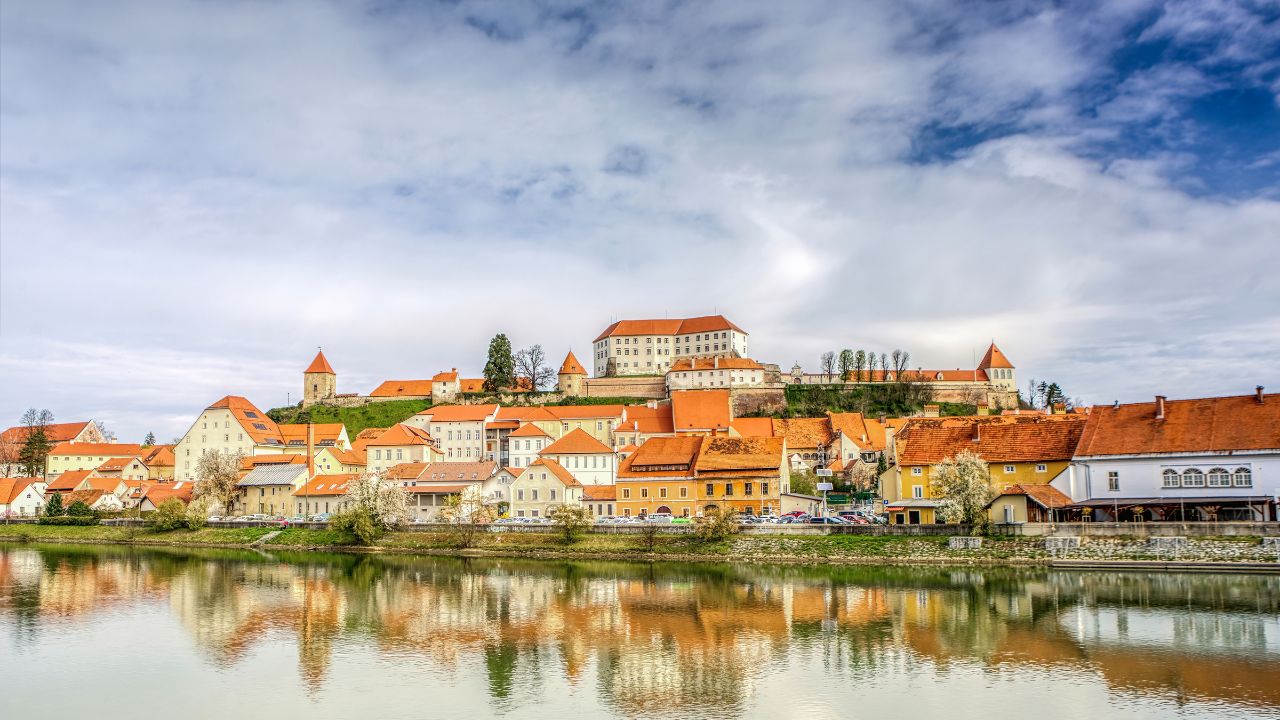
Often described as the oldest recorded town in Slovenia, this riverside center grew from the Roman Poetovio and sits by the Drava River crossing routes. Local tourism highlights Roman monuments, medieval façades, and a prominent hilltop castle overlooking the roofs. In carnival season, Kurentovanje brings a famous costumed tradition to the streets.
Approach it like a layered history walk: Roman traces first, then the historic center, then the castle viewpoint as a finale. Wine country surroundings make a great pairing, especially if you book a tasting outside the core for a quieter feel. Finish with a riverside stroll at dusk, when the town’s silhouette looks its most cinematic.