
The cars coming out of the 1980s and 1990s were not just fast. They were full of ideas. Engineers and designers in that era pushed boundaries in ways that still show up on new vehicles rolling off assembly lines in 2026. Some of those old shapes, engineering choices, and performance philosophies never really left. They just changed form.
What makes this era so important is how many of its ideas became permanent. Lightweight construction, turbocharged engines, mid-engine layouts, all-wheel drive on performance cars, and driver-focused cockpits all grew up in this period.
Car companies today keep going back to those same wells, whether they are building a new sports car, a performance sedan, or a flagship supercar.
The list below covers ten performance cars from those two decades. Each one contributed something specific to the way modern cars look, work, or feel.
Acura Nsx
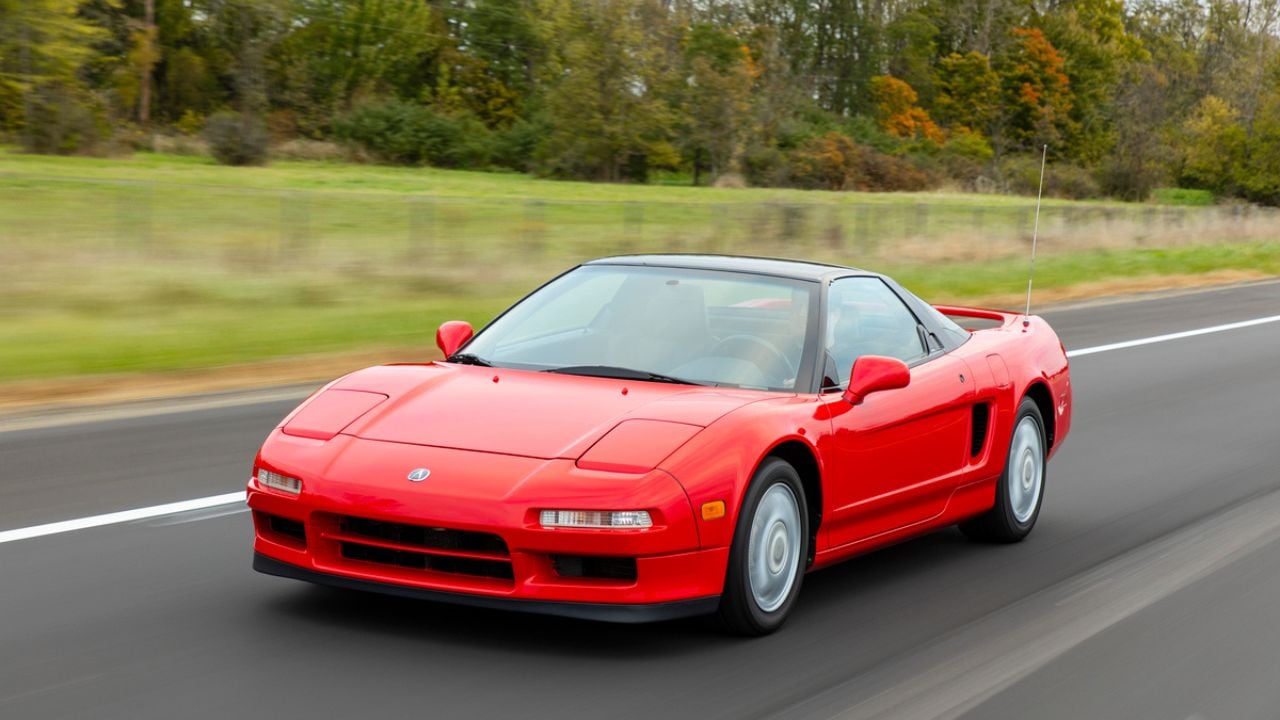
The original Acura NSX changed the rules for what a sports car had to be. It used an all-aluminum body and chassis construction at a time when that was considered an exotic manufacturing method. It also put a mid-mounted engine behind the driver while still offering the kind of daily usability that most performance cars of the era could not match.
That combination of exotic architecture and practical livability became the template that many manufacturers followed in the years after. The philosophy of making a high-performance car that a person could actually use every day without punishment is now standard thinking across the industry. The NSX proved it was possible first.
Mazda Rx-7 FD

The third-generation Mazda RX-7, which launched in 1991, is still regarded as one of the most beautifully proportioned sports cars ever built. Its smooth, flowing body had almost no excess anywhere. Every surface had a purpose. The car weighed significantly less than most of its direct competitors, and that weight discipline came directly from the design.
The lesson the RX-7 FD taught the industry is that a sports car does not need to be large or heavy to be extraordinary. That philosophy runs directly through modern lightweight performance cars. Designers still study the FD’s proportions, and automotive educators frequently point to it as a near-perfect example of form following function.
Porsche 911 993
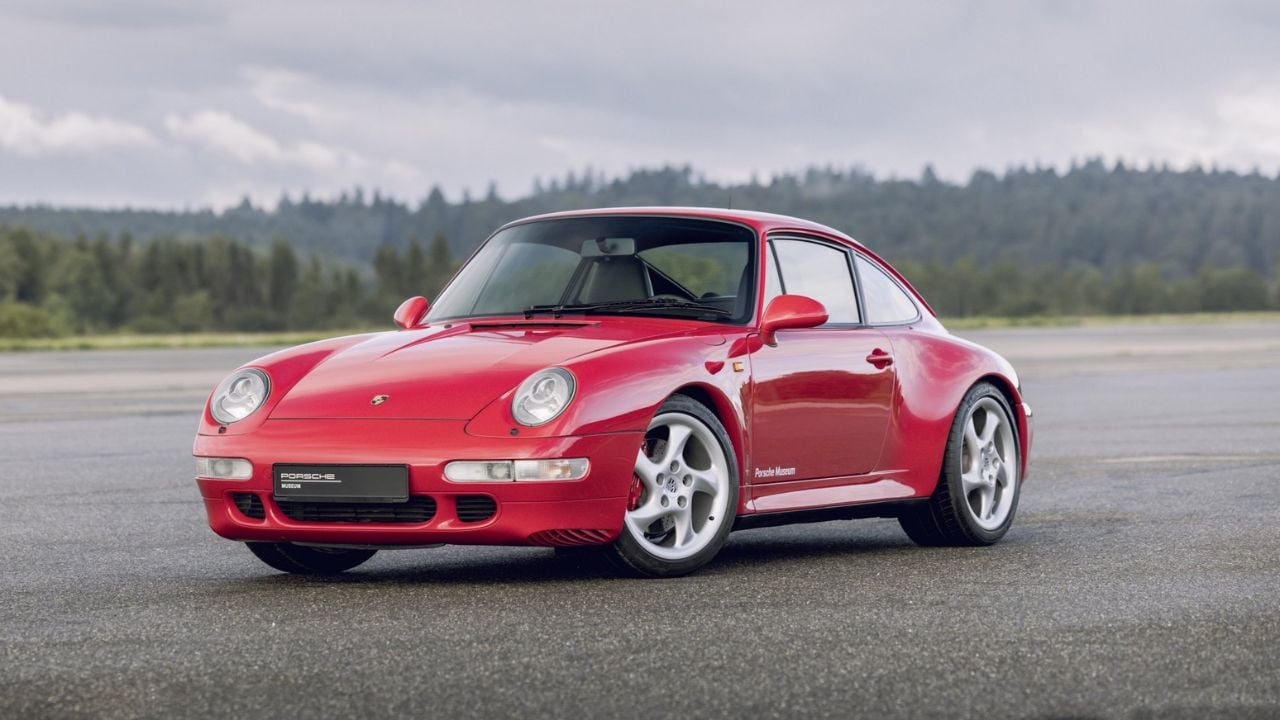
The 993-generation Porsche 911, built from 1994 through 1998, is widely described as the most beautiful 911 ever made. It was also the last 911 to use an air-cooled engine, which gives it a unique historical position. Its clean silhouette and precise proportions established a visual ideal that every 911 generation since has been compared against.
Porsche has never fully moved away from the 993’s shape. The current 992 generation 911 carries the same basic roofline, the same rear engine visual mass, and the same overall stance that made the 993 so admired. That is not coincidence. It reflects how thoroughly the 993 defined what a 911 should look like at its best.
Lamborghini Diablo
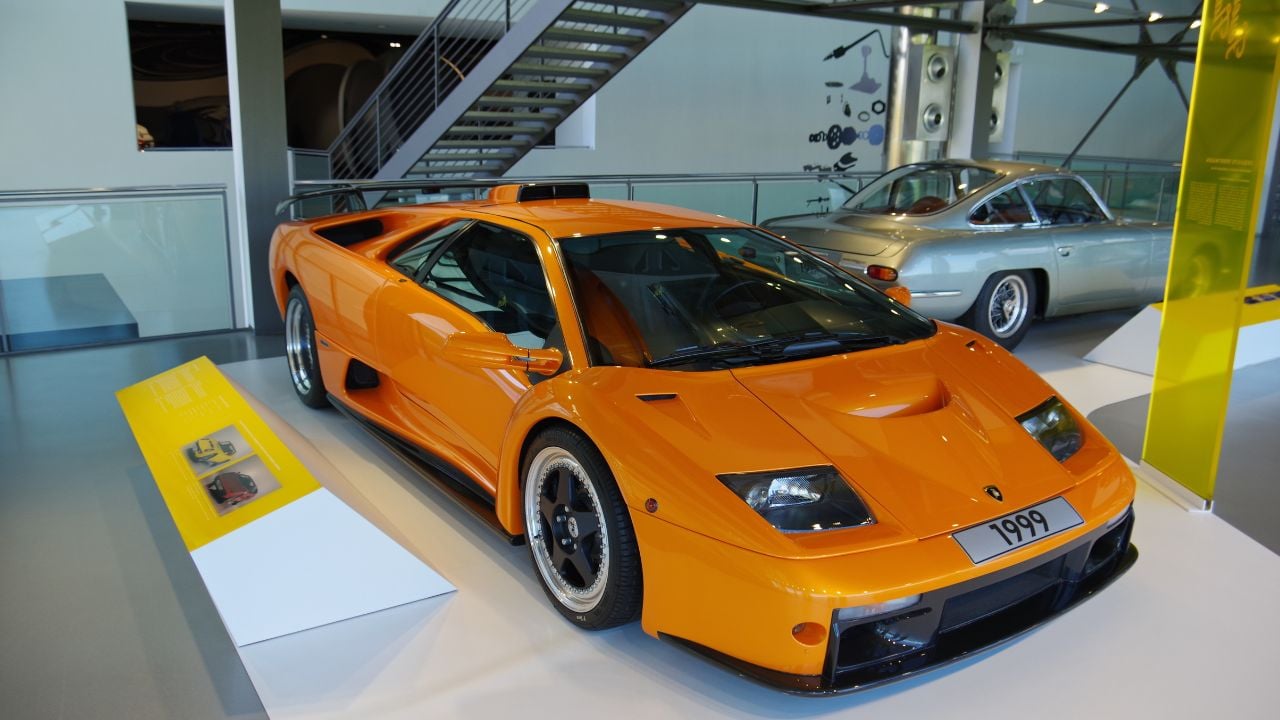
The Lamborghini Diablo ran from 1990 through 2001 and spent over a decade as one of the most visually extreme cars in the world. Its low, wide, aggressive stance and scissor doors became reference points for what a supercar should project visually. The Diablo showed that a car’s shape could communicate performance before anyone ever started the engine.
Modern Lamborghini design still carries some Diablo DNA in its low nose, wide rear, and dramatic stance. But the brand’s signature scissor doors were not established by the Diablo. Lamborghini traces that hallmark back to the Countach, with the Diablo carrying the tradition forward.
Dodge Viper Rt/10

The original Dodge Viper arrived in 1992 with almost no electronic assistance, a massive side-exit exhaust, and an 8-liter V10 engine producing around four hundred horsepower. It was raw in a way that almost nothing on sale today is. It also proved that an American manufacturer could build a true performance sports car that stood alongside anything from Europe or Japan.
The Viper’s long hood, wide hips, and aggressive front fascia created a template for American performance car design that influenced multiple vehicles in the decades that followed. Its emphasis on mechanical simplicity and driver engagement also helped shape a debate about how much technology should stand between a driver and a car that is still ongoing in 2026.
BMW E36 M3

The E36 M3, sold through the mid-1990s, established what a performance sedan and coupe should feel like at an accessible price. Its high-revving inline-six engine, balanced chassis, and relatively clean exterior gave it a character that has become the benchmark against which every M3 since has been measured. Enthusiasts still debate whether any subsequent generation matched the E36’s purity of purpose.
BMW’s current performance lineup continues to reference the E36 as a philosophical guide. The company regularly acknowledges the era as a defining period for what the M brand represents. Clean proportions, natural balance, and a rewarding connection between driver and machine are ideas the E36 popularized, and BMW has worked to preserve ever since.
McLaren F1

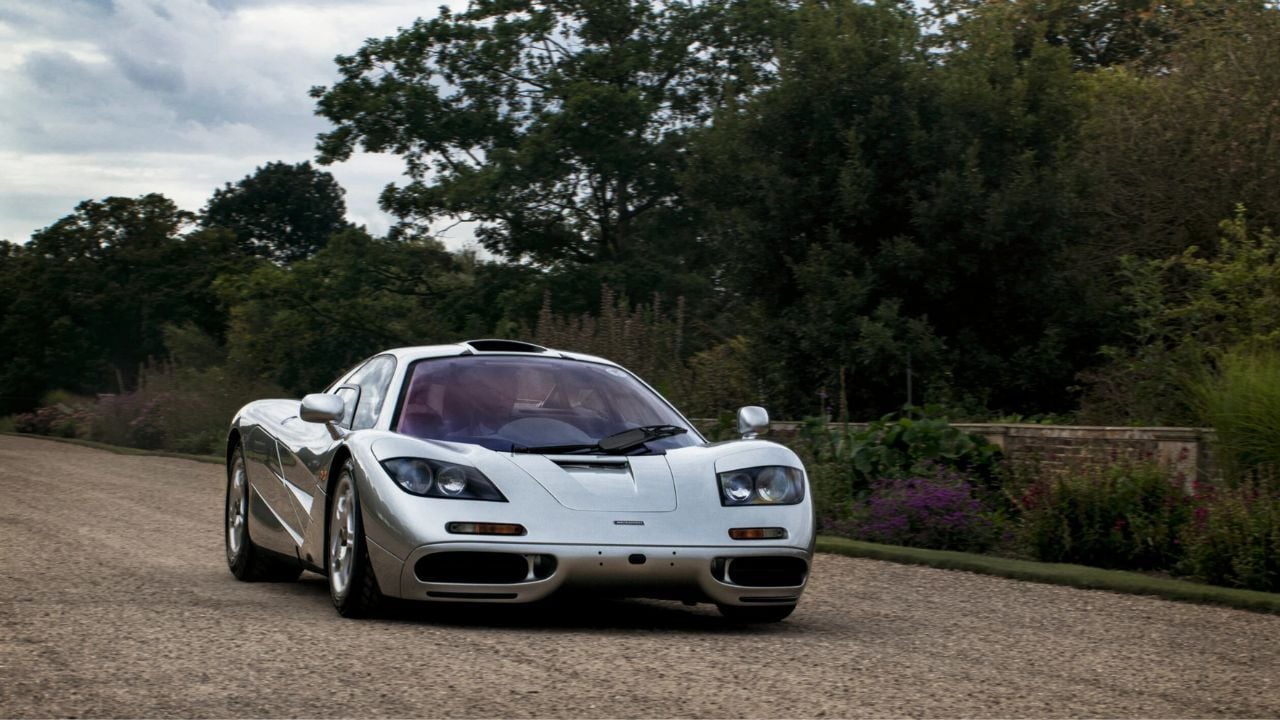
The McLaren F1 launched in 1992 and set engineering standards that felt like science fiction at the time. It used a carbon-fiber monocoque chassis, a central driving position with two passenger seats flanking the driver, and a naturally aspirated V12 engine producing over six hundred horsepower. No production car before it had been engineered to that level of detail.
The F1’s carbon-fiber construction became the foundation of modern supercar engineering. Almost every high-performance car built today at the exotic level uses carbon fiber as a primary structural material. McLaren carried that expertise directly into its modern lineup, and the F1 became the key reference point for McLaren Automotive’s later road cars. Its influence on how performance cars are built is nearly impossible to overstate.
Nissan Skyline Gt-R R32

The R32 Skyline GT-R arrived in 1989 in Japan and introduced a level of all-wheel-drive performance technology that was genuinely ahead of its time. Its ATTESA E-TS all-wheel-drive system and four-wheel steering gave it grip and stability that its competitors could not match. It dominated racing series across multiple continents and built a reputation that became one of the most powerful in Japanese automotive history.
The GT-R name carried that engineering credibility forward for decades, and the R32’s approach to managing power and traction through intelligent electronic systems directly prefigured how modern all-wheel-drive performance cars work. Its influence on how engineers think about putting power down, not just generating it, changed the conversation permanently.
Honda Civic Type R EK9
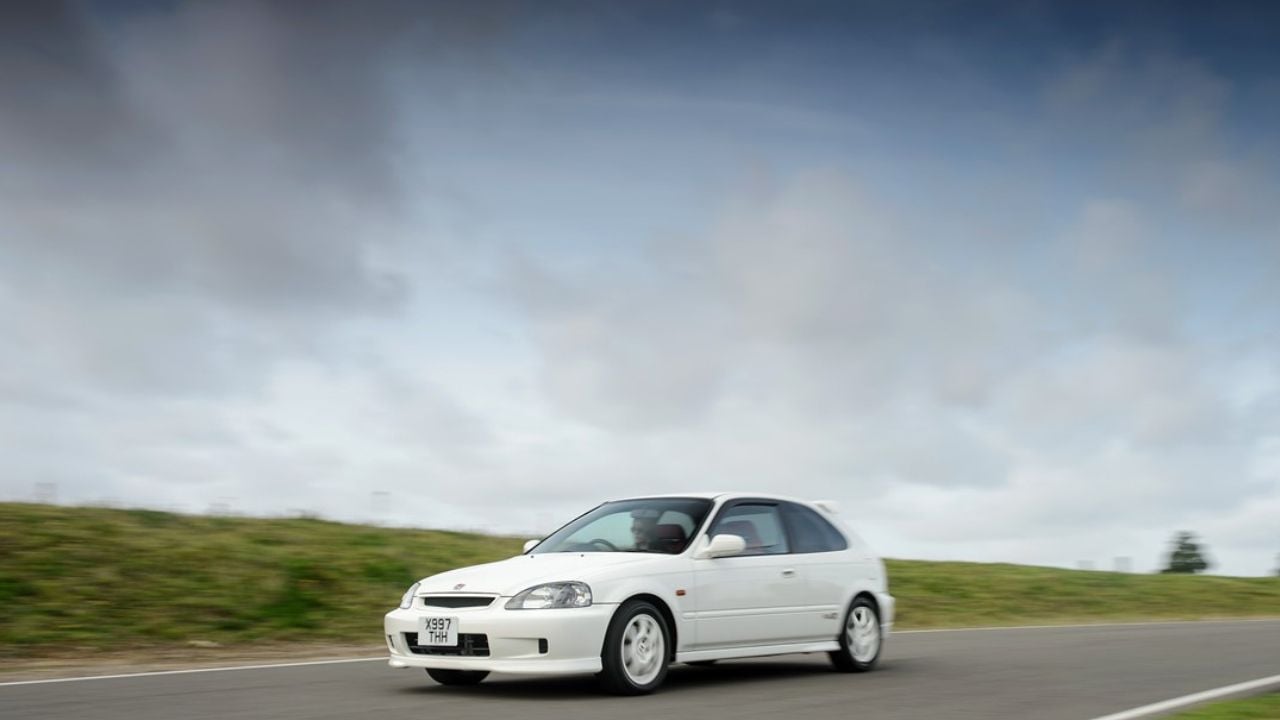
The first Honda Civic Type R, released in Japan in 1997, made the case that an affordable, compact front-wheel-drive car could deliver a genuinely thrilling experience. It used a high-revving VTEC engine, a close-ratio gearbox, and a stripped, focused cabin to create something that felt completely unlike any other Civic. It was fast in a way that required skill, not just horsepower.
That model established the Type R nameplate as a serious performance designation, and Honda has built on that foundation in every generation since. The current Civic Type R is now considered one of the best front-wheel-drive performance cars in the world, and that reputation traces a direct line back to the EK9. The philosophy of extracting maximum engagement from modest displacement remains the defining idea of the entire line.
Subaru Impreza WRX
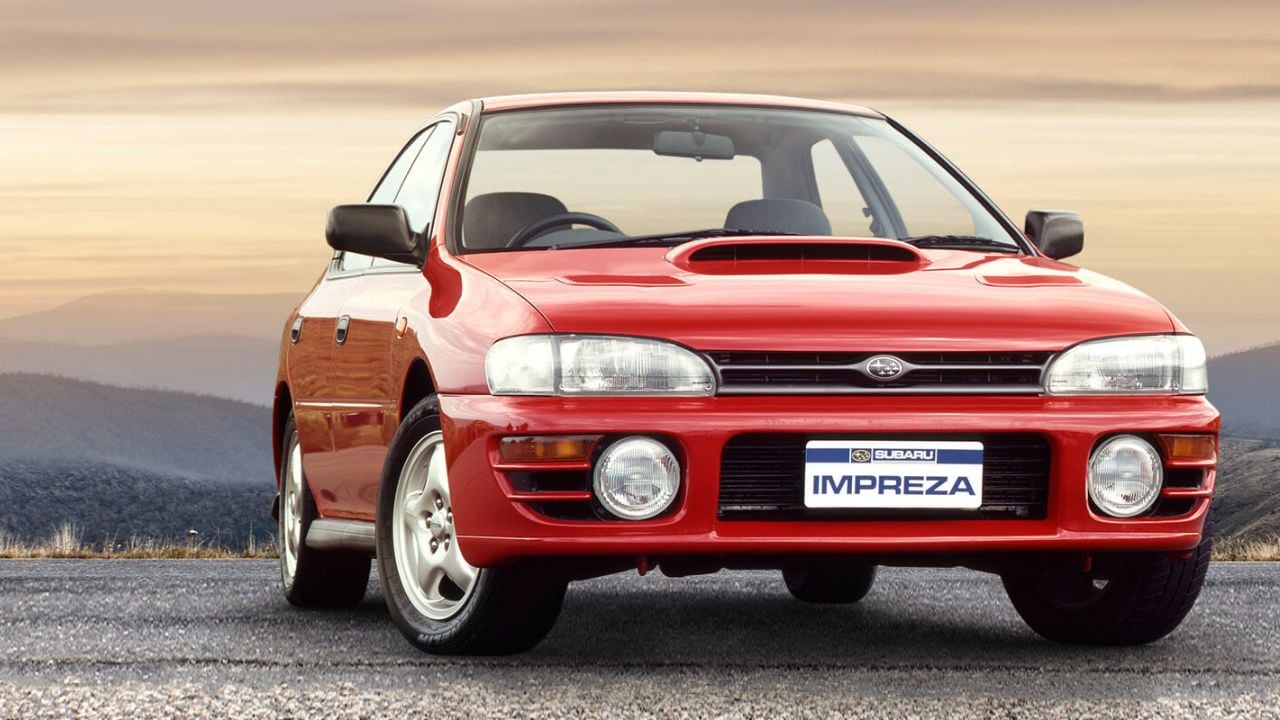
The original Subaru Impreza WRX, which arrived in Japan in 1992, combined all-wheel drive, a turbocharged engine, and a practical four-door body in a package that almost nothing else could offer at its price. It brought genuine rally-derived performance hardware into everyday ownership. Drivers who had never considered a Subaru before suddenly had a very clear reason to.
The WRX’s formula of turbocharged all-wheel-drive performance wrapped in a sensible shape influenced how an entire generation of performance cars was marketed and engineered. That combination is now found across multiple brands and price points. The WRX created the expectation that all-wheel drive and forced induction belong together, and the automotive industry has delivered on that expectation ever since.
Why These Cars Keep Showing up in New Designs
The 1980s and 1990s were a period when car companies took real risks. They tried new materials, new layouts, and new ideas about what performance could mean. Many of those risks paid off in ways that nobody fully anticipated at the time.
The cars on this list did not just succeed in their own era. They solved problems that engineers and designers are still working with today. Lightweight construction, intelligent all-wheel drive, driver-focused ergonomics, and aerodynamic body shapes are not new ideas in 2026. They were proven in these cars decades ago.
That is why modern manufacturers keep going back to them. Some revive the names directly. Others borrow the proportions, the engineering principles, or the philosophy. Either way, the conversation about what a great performance car should be still starts in the same place it did thirty and forty years ago.