Mazda’s history was never built on sheer size or the safest possible bets. The company entered the passenger-car business with the R360 Coupe in 1960, then spent the decades that followed building a reputation around lightness, engineering curiosity, rotary ambition, and a stubborn refusal to believe driving had to become dull in order to be sensible.
That is part of what makes the brand so interesting to look back on. Mazda’s most important models are not all the same kind of success story. Some were sales engines. Some became the pillars of the company’s global lineup. Others mattered because they gave Mazda an identity far bigger than the company itself.
The best of them did more than move metal for a few years. They pushed Mazda into new markets, gave the company real financial footing, or created the kind of affection that stayed attached to the badge long after the original showroom moment had passed.
That is the lens here. This is not just a list of Mazdas that sold well. It is a list of the models that helped make Mazda what it is.
Success Is Bigger Than A Sales Chart

This list balances commercial scale with lasting brand significance. Production milestones, global reach, and generation-to-generation staying power mattered a lot, because a car that truly builds a company usually leaves a trail in the numbers. At the same time, reducing Mazda’s history to a spreadsheet would miss the point of several cars that helped define the company far beyond their unit count.
So the final ten had to do at least one important thing extremely well. Some carried Mazda through crucial mainstream segments. Some opened new chapters for the brand. Some became the models people still think of first when they hear the word Mazda. Together, they tell a fuller story than a simple sales ranking ever could.
Mazda R360 Coupe
The R360 Coupe belongs here because none of the rest of this story happens without it. Launched in 1960 as Mazda’s first passenger car, it was the model that moved the company into a completely different future. More than that, it was an immediate success, arriving at exactly the right moment for a Japanese market that was just beginning to dream seriously about private car ownership.
The R360 did not just give Mazda an entry point. It gave the company momentum. By the end of 1960, Mazda had built 23,417 of them and captured a huge share of the micro-mini market. For a brand that would later become known for doing things its own way, this was the first real proof that it could build a passenger car people genuinely wanted.
Mazda Familia / 323
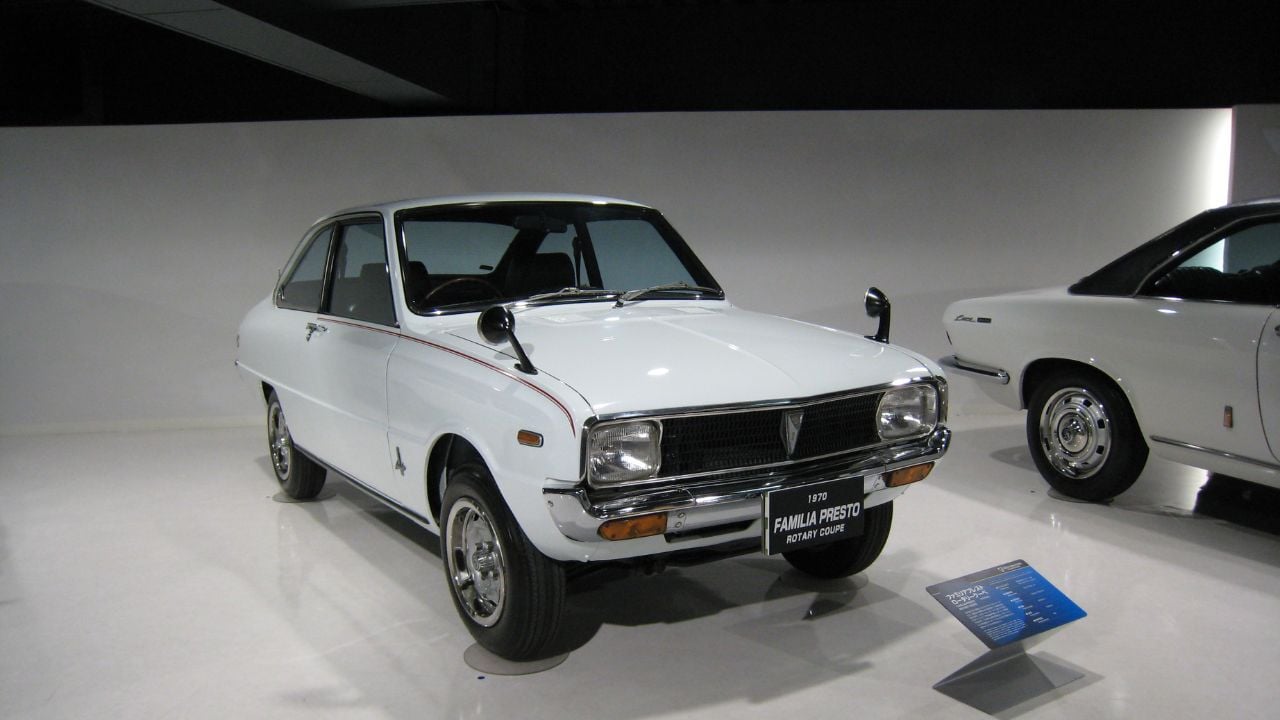
If one model line deserves to be called the backbone of Mazda’s passenger-car history, it is the Familia. Introduced in 1963, it spread to 120 countries and became the kind of global compact a growing company could build around. By December 1995, Japanese production alone had topped 10 million units. Mazda itself described it as the company’s primary model “in both name and reality,” which is hard to improve on.
The Familia mattered because it was broad, adaptable, and easy to sell almost anywhere. Mazda needed a pillar car, and this was it. Long before the Mazda3 became the company’s modern compact hero, the Familia had already done the hard work of turning Mazda into a serious global passenger-car brand.
Mazda3 / Axela
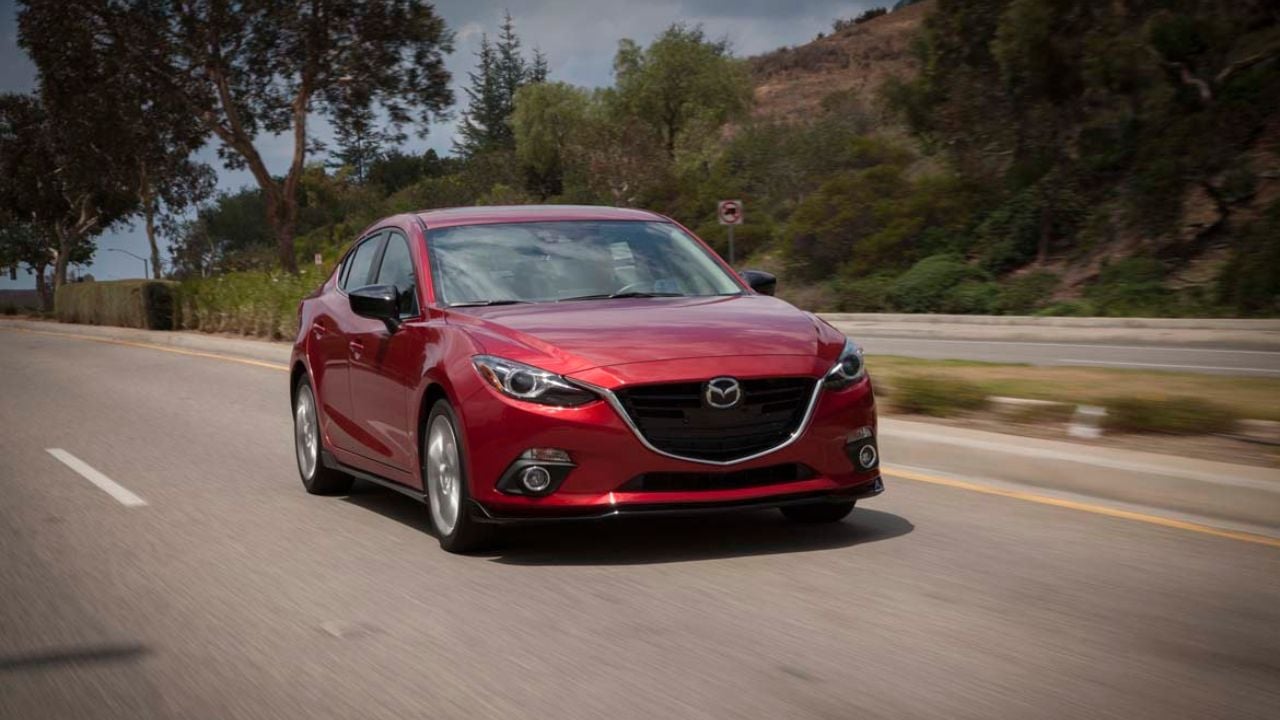
The Mazda3 became Mazda’s modern volume champion and one of the clearest signs that the company could still sell a driver-focused compact in serious numbers. Production began in 2003, and by 2016 Mazda announced that global production had already reached five million units, faster than any Mazda before it. By 2019, the company said the Mazda3 had sold more than six million units since launch.
Those numbers matter on their own, but the bigger point is what the car represented. The Mazda3 became a true core model, built across multiple countries and central to Mazda’s brand and business growth. It proved that Mazda could still compete in the biggest parts of the market without giving up the feel and character that made the brand distinctive in the first place.
Mazda CX-5
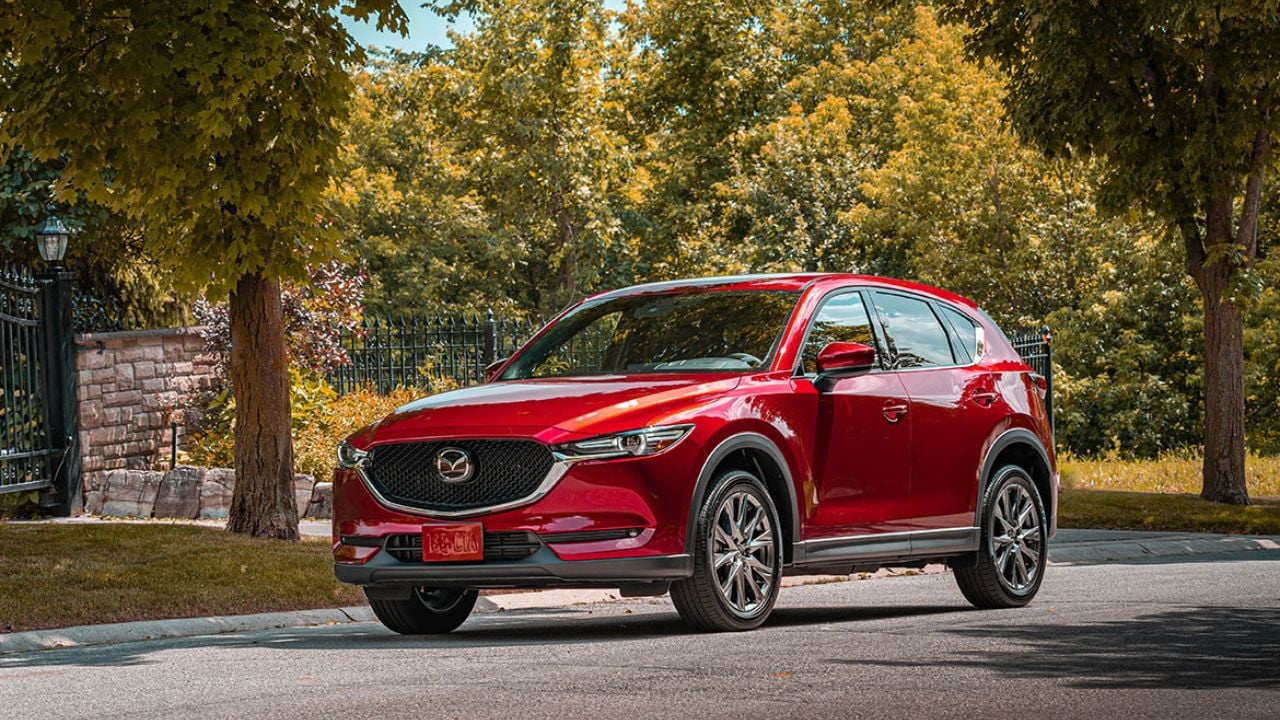
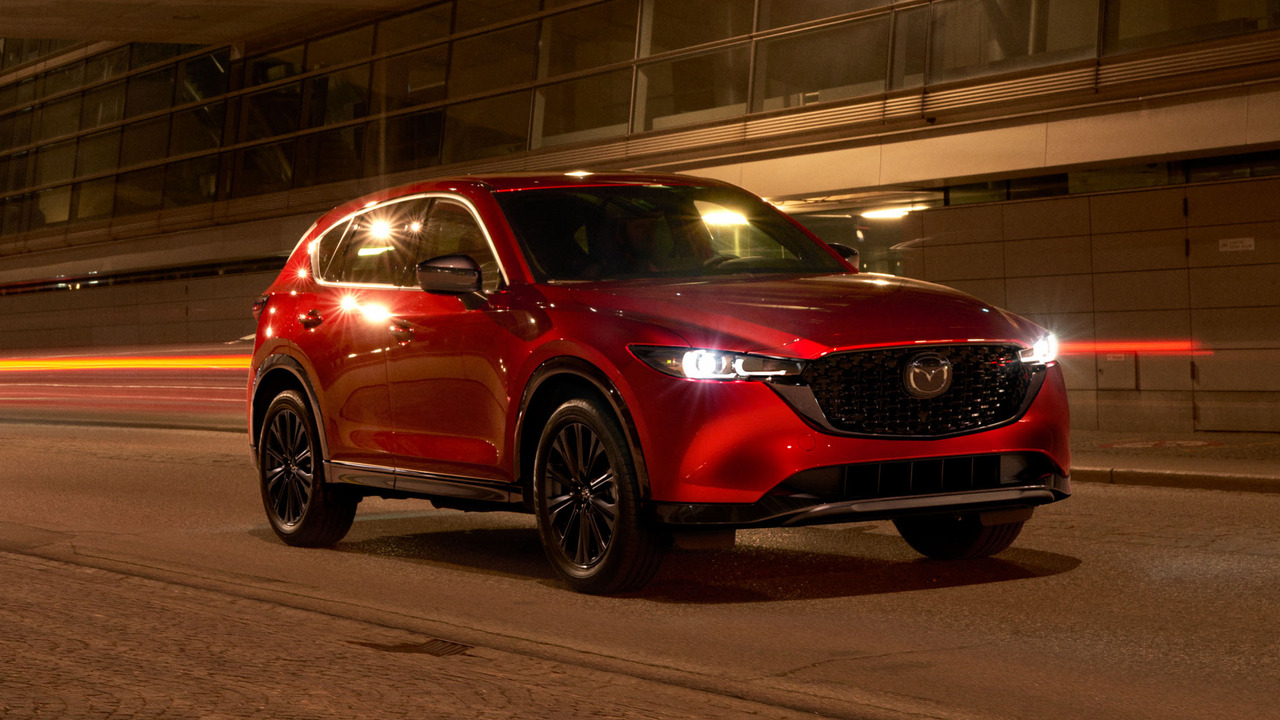
The CX-5 may be the single most important Mazda of the modern era. By the end of 2025, cumulative global production and sales had both reached five million units, making it only the third Mazda to hit that mark after the 323 and Mazda3. It also got there faster than any Mazda built around Skyactiv technology and Kodo design.
This is the car that turned Mazda’s modern design and engineering language into a global commercial success. It became the brand’s bestselling model and gave Mazda a crossover hit without losing the company’s identity in the process. Plenty of Mazdas have been important. The CX-5 has been foundational.
Mazda Demio / Mazda2
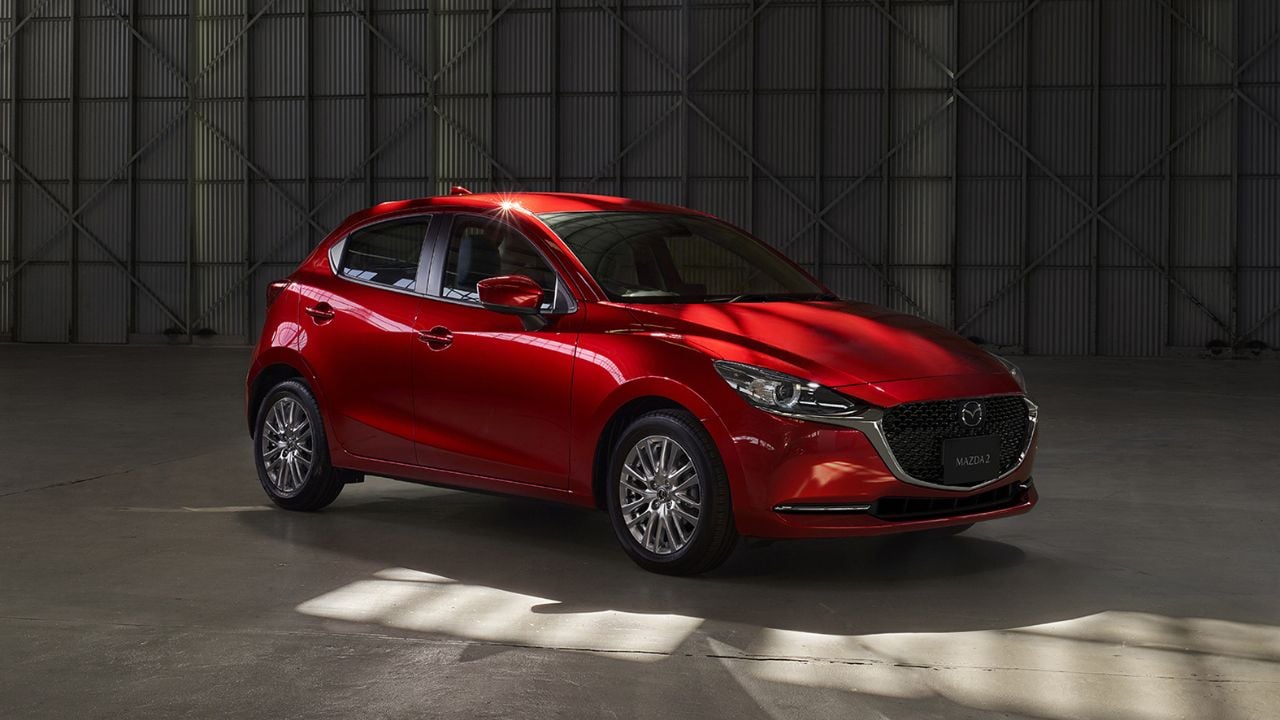
The Demio, later known globally as the Mazda2, did the kind of work that keeps a company healthy. It lived in one of the hardest parts of the market, where style and engineering only matter if people actually buy the car in meaningful numbers. By 2006, domestic production had already reached one million units in just over ten years.
The later generations strengthened the case even more. The all-new Mazda2 helped Mazda deliver its best European sales performance since 1991, and the fourth-generation Demio went on to win Japan Car of the Year. It may not dominate Mazda nostalgia the way the MX-5 or RX-7 do, but it quietly became one of the brand’s most dependable long-term builders.
Mazda6 / Atenza
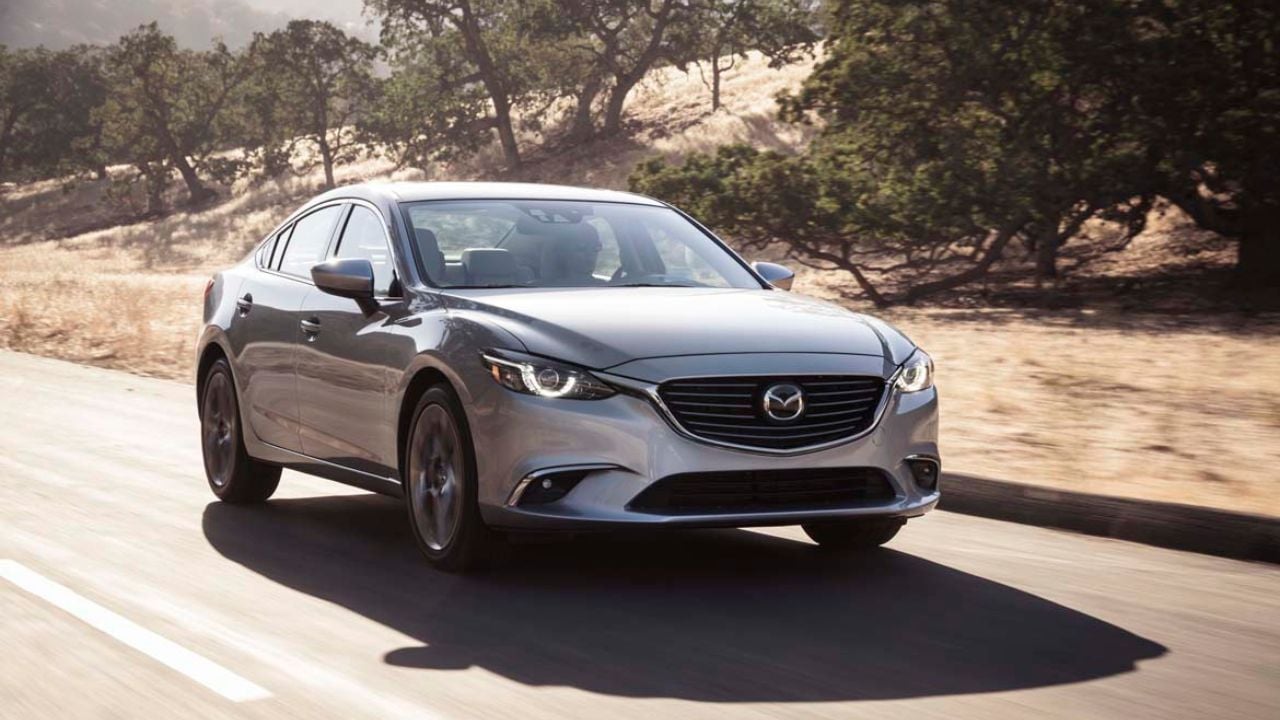
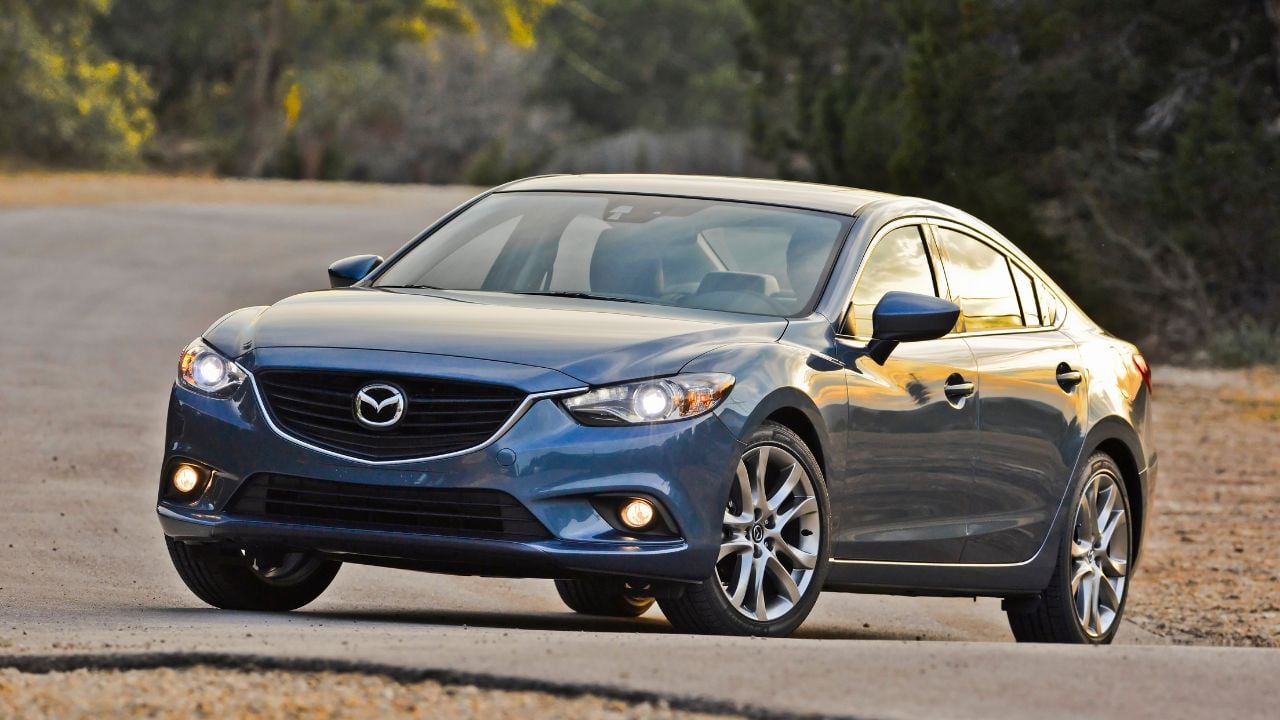
The Mazda6 arrived at exactly the right time for Mazda. It brought a more confident global presence, stronger design energy, and badly needed credibility in the mainstream midsize market. The early sales pace was striking. Mazda reached one million units in just four years and one month, then two million by 2010 and three million by 2014.
This was not just a good family car. It was proof that Mazda could build a globally appealing midsize model without flattening its personality into something generic. For years, the Mazda6 was one of the brand’s clearest statements that mainstream success and driving character did not have to cancel each other out.
Mazda MX-5 Miata / Roadster

The MX-5 followed a completely different path to significance. Its importance is not about family-car volume or crossover-scale business impact. It comes from becoming the defining open-top sports car of its age. Mazda announced the one-millionth MX-5 in 2016, and long before that the model had already earned Guinness World Records recognition as the best-selling two-seat sports car in history.
That kind of success is almost impossible to fake. The MX-5 turned a very pure idea into a durable global franchise, then kept that idea alive for decades. It did not just sell. It gave Mazda a soul people could describe in a single sentence.
Mazda MPV
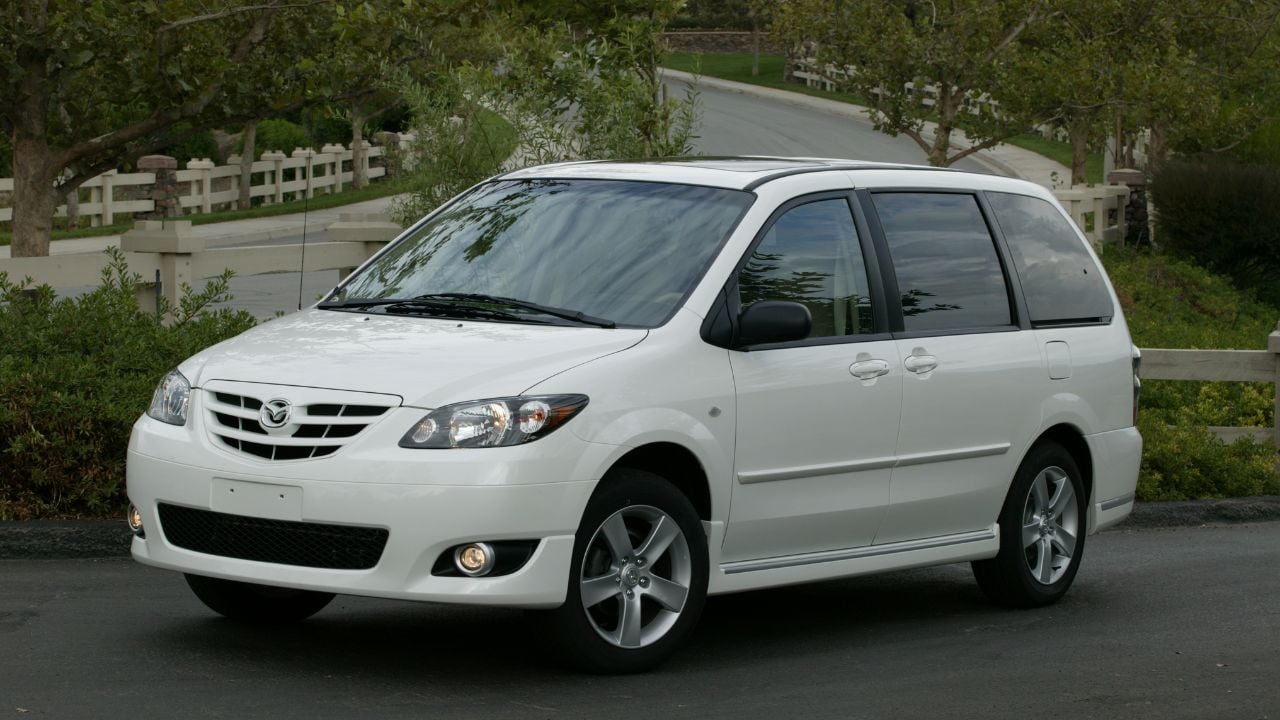
The MPV was one of Mazda’s most important bridges into a broader family audience, especially in North America. Mazda’s own history calls the first MPV a sales success there, which mattered because the brand needed traction in larger, family-oriented vehicles outside Japan. The line later grew into a genuine production success too, reaching one million units by 2006.
The MPV deserves more credit than it usually gets. It helped prove that Mazda could bring some of its own character into a practical people-mover without losing buyers in the process. In a company history full of sporty icons, the MPV did the quieter work of broadening the customer base.
Mazda Bongo
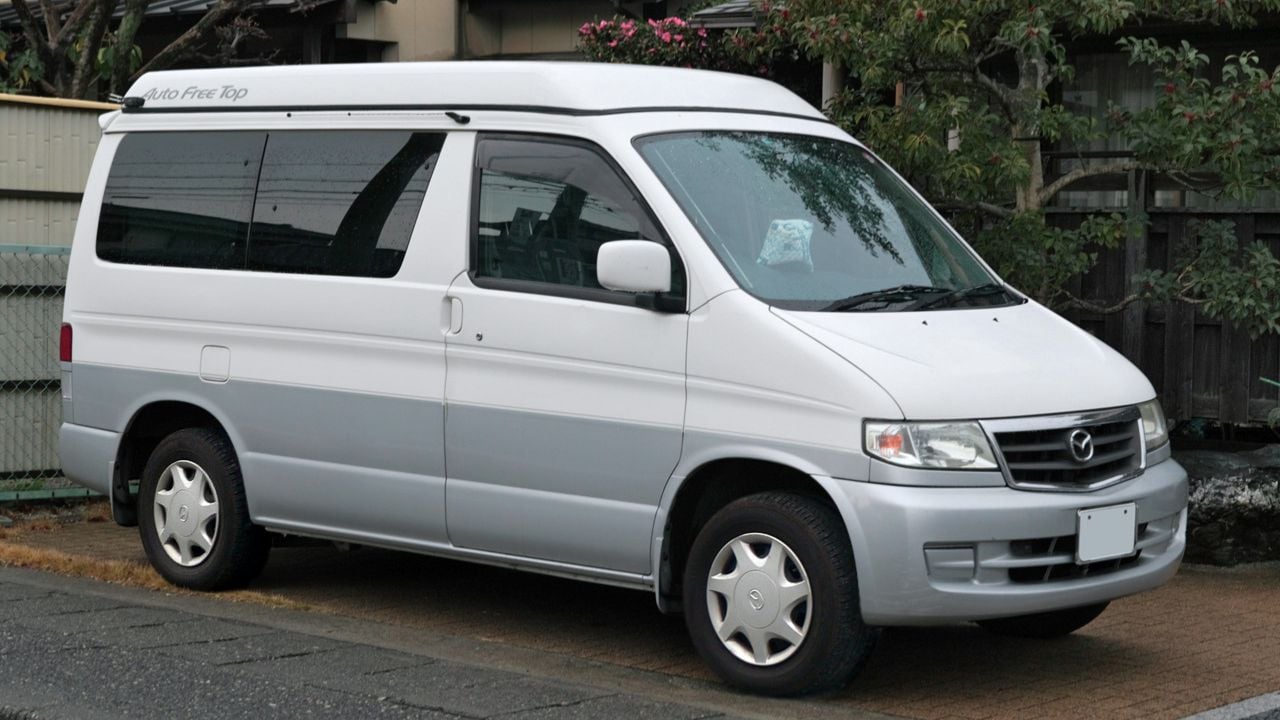
The Bongo makes this list for a simple reason: companies are not built by halo cars alone. The second-generation Bongo sold 5,000 units a month and became the main-selling model for Mazda dealers in Japan. That is not side-note material. That is the kind of result that keeps dealers busy and a brand visible.
It also mattered because it brought useful packaging ideas into the market, especially its low-floor layout. Nobody hangs a poster of a Bongo on the bedroom wall, but that misses the point. Mazda’s history would be less honest without one of the vehicles that did so much of the real commercial heavy lifting.
Mazda RX-7
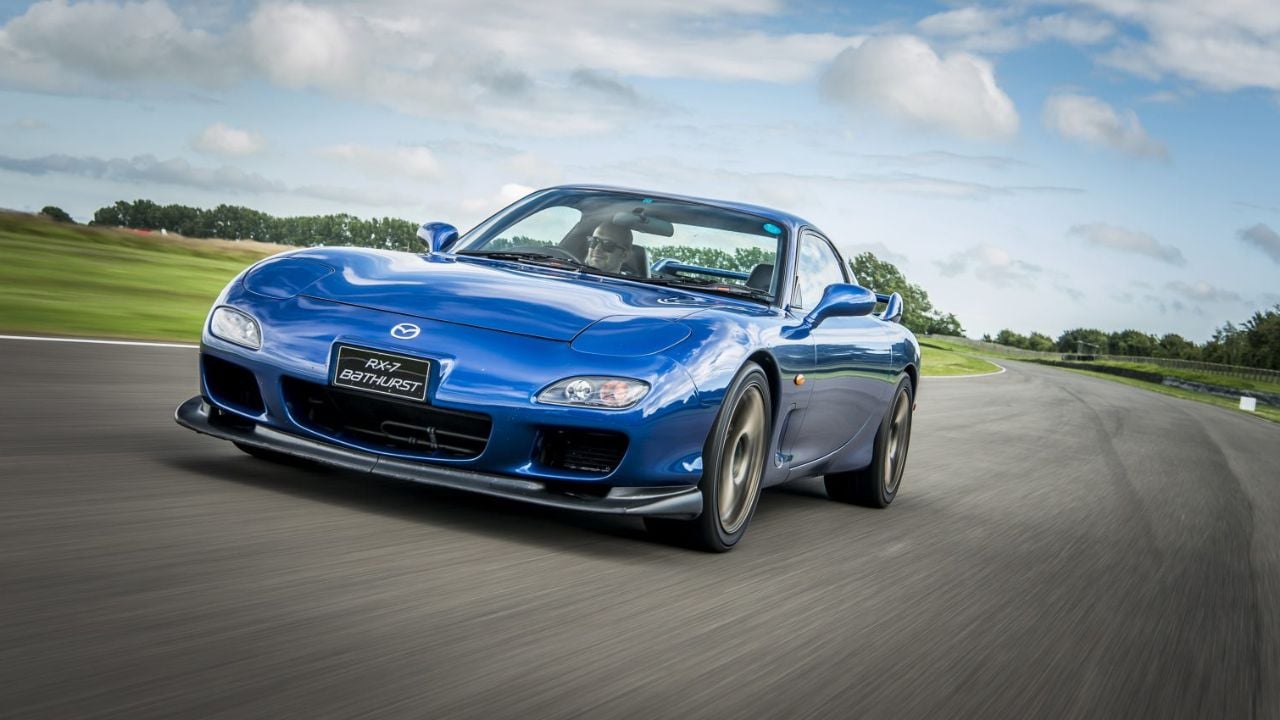
The RX-7 earns its place because brand legacy is not measured only in volume. Sometimes a car matters most because it turns a company’s engineering identity into something unforgettable. The RX-7 arrived in 1978 just as Mazda’s rotary program was hitting the one-million-unit production mark, then went on to build one of the strongest motorsport records any Mazda has ever carried, including 100 IMSA wins in North America.
That is why the RX-7 still sits so close to the center of Mazda’s mythology. It made the brand feel daring, technical, and proudly different. The Familia and Mazda3 may have built the scale. The RX-7 helped build the mystique.
The Best Mazda Winners Were Never All The Same
What stands out most about these ten models is how differently they built the company. The R360 got Mazda into passenger cars. The Familia and Mazda3 created scale. The CX-5 transformed the modern business. The Demio and Mazda6 carried Mazda through some of the hardest mainstream segments. The MPV and Bongo did the practical work that keeps a brand healthy. The MX-5 and RX-7 gave Mazda something rarer than sales volume alone: identity.
That is why Mazda’s history feels richer than a simple leaderboard. Its most important wins did not all come from one template. Some made the company bigger. Some made it stronger. Some made it unforgettable. In the end, that is the better question anyway. Which Mazdas sold well is useful. Which Mazdas made Mazda feel like Mazda is the one people keep coming back to.