
Sweet, sweet redemption, or maybe just the slow march of progress.
At Guessing Headlights, we’ve spent years roasting gimmicky car tech: touchscreens that bury simple buttons, nannies that can’t stop nagging, and parking aids that made people forget how to parallel park.
Now, many of those very features are starting to disappear. New safety regulations are squeezing some out, while others are being phased out quietly by automakers as they trim complexity, and a few are simply victims of poor real-world reception. The irony? As annoying as they were, a few of these soon-to-be-gone gadgets might actually be missed.
In this article, we’ll examine eight features likely to be phased out or redesigned around 2026, as well as two more that we believe are next in line to be discontinued.
Tesla Model S: Touchscreen Controls

When the Tesla Model S first landed, it made waves by ditching nearly every physical button in favor of an elegant, spaceship-like touchscreen. It was minimalist, futuristic, and had fans declaring it the “iPhone on wheels.” Well, in 2026, that iPhone just got a stern talking-to from its parents. Stop texting when I’m talking to you! New Euro NCAP safety-rating criteria starting in 2026 will penalize cars that rely on touchscreens for key driving functions, pushing automakers toward more physical controls, at least if they want top scores.
The Model S, with its famously monolithic display, could face pressure to add more physical controls if Tesla prioritizes top Euro NCAP ratings. Tesla’s iconic minimalist interior will need to make room for good old-fashioned knobs and stalks, which will probably feel as out of place as a rotary phone in a server farm. Even the gear selector could become more physical, depending on how Tesla responds to the new rating tests. This might feel like a step backward for “software-defined car” purists who loved the over-the-air updates that changed their cars overnight.
Now, they’ll be dealing with hardware that stays put. The Model S will still go ludicrously fast, but it’ll do so with more plastic dials and fewer Jetsons vibes.
BMW 7 Series: Gesture Controls
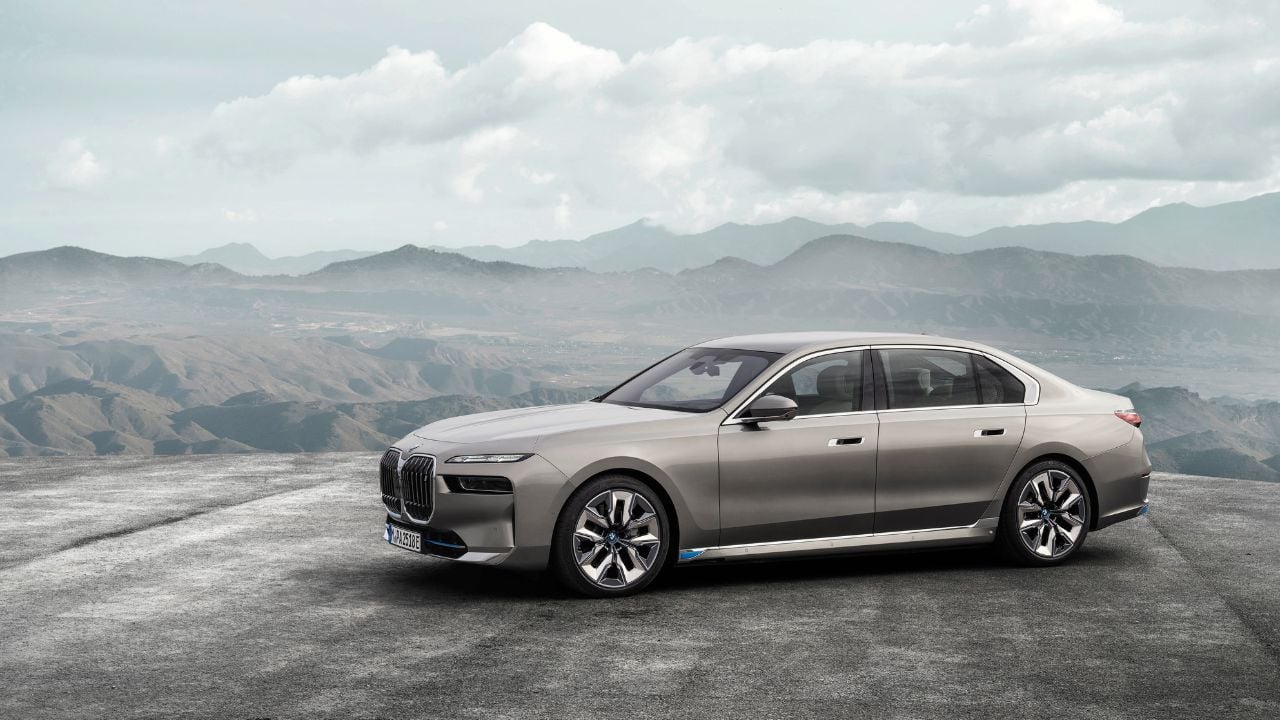
The BMW 7 Series introduced hand gestures for controlling the infotainment system, a party trick that was either a genius innovation or deeply awkward, depending on how much you enjoyed flailing your arms around in traffic. Flick your wrist in the air, and the volume increases. Spin your finger, and the song changes. It was like living in a magic show, but the magic trick was almost always “accidental input.”
By 2026, BMW is moving away from gesture controls as it simplifies its infotainment interface and shifts toward newer iDrive design directions. BMW’s luxury flagship will have to say goodbye to the air-conducting DJ act. The system was undeniably fun to demo at a dinner party (and watch your friends look ridiculous), but notoriously tricky to use during real-world driving. Critics argued it led to accidental inputs (who hasn’t accidentally maxed the volume trying to point at the screen?) and wandering attention. BMW will have to return to physical or voice-based commands, which, frankly, might be better for everyone involved.
Not gonna lie, it felt a bit like being a Bond villain when using gesture control, but I won’t miss it at all.
Chevrolet Blazer EV: Rear Drive

Chevy’s bland, unmemorable entry into the EV SUV market just got even lamer. Starting in 2026, rear drive is no longer one of the drivetrain options. A spokesperson told Car and Driver: “In an effort to simplify the product lineup while still offering the most popular options for consumers, RWD will not be available beginning with the 2026 model year. The Chevrolet Blazer EV is now available in FWD, AWD, and performance AWD in the new SS trim.”
Simple is right. The rear drive was said to be the most enjoyable and lively of the options. Alright, you heard the man, no more fun. We have to make EVs as boring as humanly possible. Oh, but it will come in white to make up for it!
Ford Mustang Mach-E: Self-Parking Assistance

The Mustang Mach-E eagerly leaned into its tech-forward, EV identity, complete with automatic parking assistance that handled the trickiest of parallel jobs. It was a godsend for anyone who dreaded squeezing into tight city spots or whose spouse always “just needed a little more room.” However, Ford has been discontinuing Active Park Assist largely because it wasn’t widely used and adds cost and complexity, not because it’s illegal. Honestly, good riddance, people have forgotten how to park.
Regulators now want drivers to be fully in control unless the system meets stricter redundancy and safety requirements. For Mach-E drivers who relied on this convenience, this change stings more than a forgotten charging cable. The SUV’s sensors and cameras will remain, but they’ll be more like passive observers, judging your parking skills in silence.
The feature was a favorite among tech lovers and timid parkers alike. As a result, the Mach-E’s interface will feel just a little less magic, a little more manual. Back to three-point turns and the shame of taking up two spots we go. Hope you remember your K53, folks.
Mercedes-Benz EQS: Hyperscreen Displays

The Mercedes-Benz EQS elevated digital luxury to new heights with its sweeping MBUX Hyperscreen, a pillar-to-pillar glass dashboard that made the car feel like a rolling movie theater. It was less a dashboard, more a digital panorama designed to impress everyone, especially the passenger who had their own private Netflix screen. Despite growing criticism about distraction and cost, Mercedes still offers the MBUX Hyperscreen, though it remains a polarizing feature. The sheer breadth of the Hyperscreen, stretching across passenger and driver zones like a digital ocean, is now being viewed as a distraction risk, because apparently, having too much info is worse than having none (sort of like how you’re better off not checking your partner’s phone).
Mercedes will have to resize and segment its display to meet visibility and safety guidelines. The once-flashy welcome animations and sprawling navigation maps will shrink to fit within newly defined, regulation-friendly zones. This change will affect the entire EQ lineup. For a car that billed itself on immersive tech, this will feel like a downgrade, a digital demotion to some. But to me, I couldn’t be happier that the EQS will no longer be a rolling movie theater.
The future just got a little less cinematic and a little more DMV. Prepare for those 17.7-inch screens to feel positively tiny.
Jeep Wrangler 4xe: External Sound Generators

The Jeep Wrangler 4xe is a silent, electric Sasquatch in its EV mode. To warn unsuspecting pedestrians (who probably couldn’t hear it over their AirPods anyway), it included an external sound generator that produced an artificial hum for the vehicle. It was a blend of sci-fi spaceship and distant lawn equipment, distinctly reminiscent of a Jeep. Pedestrian-alert sounds for EVs are already regulated in many markets, so manufacturers tune these systems to stay compliant, sometimes at the expense of brand ‘personality Regulators, in their infinite wisdom, want more consistent and standardized tones across the industry. Another vehicle falls victim to EV’s obsession with fitting in, giving off “can I sit with you guys, now?” desperation.
Jeep’s customized sound, which probably sounded like Optimus Prime taking a power nap, won’t pass muster. The vehicle will get a new, regulation-friendly soundtrack, likely shared with dozens of other EVs, turning its urban stealth charm into bureaucratic blandness. For fans of the 4xe’s unique identity, this change dulls its personality, much like putting a sock over a flashlight. The Jeep’s electric hum was one of the rare moments it felt like driving a toy. Now, it might just feel like driving an appliance, which is significantly less fun than rock crawling.
Chevrolet Silverado: Removable Tailgate Cameras

The Chevrolet Silverado has long been America’s workhorse, often found hauling anything from concrete to a family of raccoons. Its recent tech upgrades made it a marvel, chief among them: the removable tailgate camera. You can detach it and place it on a trailer or equipment for added visibility, making tricky towing maneuvers a breeze. It was genuinely clever, like a multi-tool for your truck.
But in 2026, features like modular or auxiliary camera systems tend to live or die based on cost, reliability, and how many buyers actually use them, not because they’re illegal. Regulators are concerned about live wireless feeds from movable cameras and the potential for misuse (presumably, truckers becoming rogue drone pilots). Chevrolet will have to pull the plug on this modular gadget, reverting to fixed-camera setups.
For drivers who haul boats, campers, or livestock, this is a significant loss, forcing them to adjust their mirrors as if it were 1998 and rely on guesswork to cover their blind spots. The feature made the Silverado feel bright and brawny at once, an actual Swiss Army knife on wheels. Now, it’s just a regular old knife, and you’ll probably still cut yourself. Not exactly progress
Hyundai Ioniq 5: Reclining Zero-Gravity Seats

The Hyundai Ioniq 5 introduced a fresh, futuristic perspective to EVs, and one of its most celebrated features was the fully reclining front seat with an integrated leg rest, a “zero-gravity” position perfect for taking a nap while charging. It was like having a personal lounge chair built into your car, a glorious oasis for road-trippers and commuters who liked sneaking in power naps while the electrons did their thing.
In 2026, however, automakers often restrict lounge-style seat modes to parked conditions for safety and liability reasons, and availability can vary by trim and market, unless the vehicle is fully parked and secured (and probably requires a notarized permission slip). Hyundai will have to lock the recline function behind a cascade of new warnings or remove it altogether. It’s a disappointing shift for anyone who appreciated the Ioniq 5’s lounge-like interior as a break from the commuter grind.
Without the lay-flat seat, it’ll be harder to stretch out, relax, or enjoy that 40-minute charging stop in actual comfort. This change won’t stop you from driving the Ioniq 5, but it will make the wait feel a little less like being in a luxurious spaceship, and a lot more like, well, waiting.
Next on the Chopping Block: Hidden EV Door Handles

Retractable and flush-mounted door handles are the ultimate EV party trick. Tesla, Rivian, and Lucid love to showcase how the handles seamlessly integrate into the bodywork, leaving behind a perfectly smooth, futuristic profile. Cool? Absolutely. Practical? Not so much.
China’s regulators recently announced draft rules that could spell the end of these disappearing acts. After several reports of hidden handles failing to deploy in crashes, and test data showing electronic-only systems work far less reliably than mechanical ones, the Ministry of Industry and Information Technology (MIIT) has proposed draft requirements that would require to have an external handle with a mechanical backup. They’re even specifying minimum handle sizes, meaning sleek slivers may no longer cut it. Enforcement has been discussed for 2027, pending finalization of the standard, but the writing is on the wall.
If you love the “sci-fi entrance,” enjoy it while you can. Once China makes a move, global EV platforms usually follow suit. In the not-so-distant future, those magic pop-out handles could be replaced with something sturdier, more standardized, and, yes, less fun.
Also on the Chopping Block: Auto Start/Stop
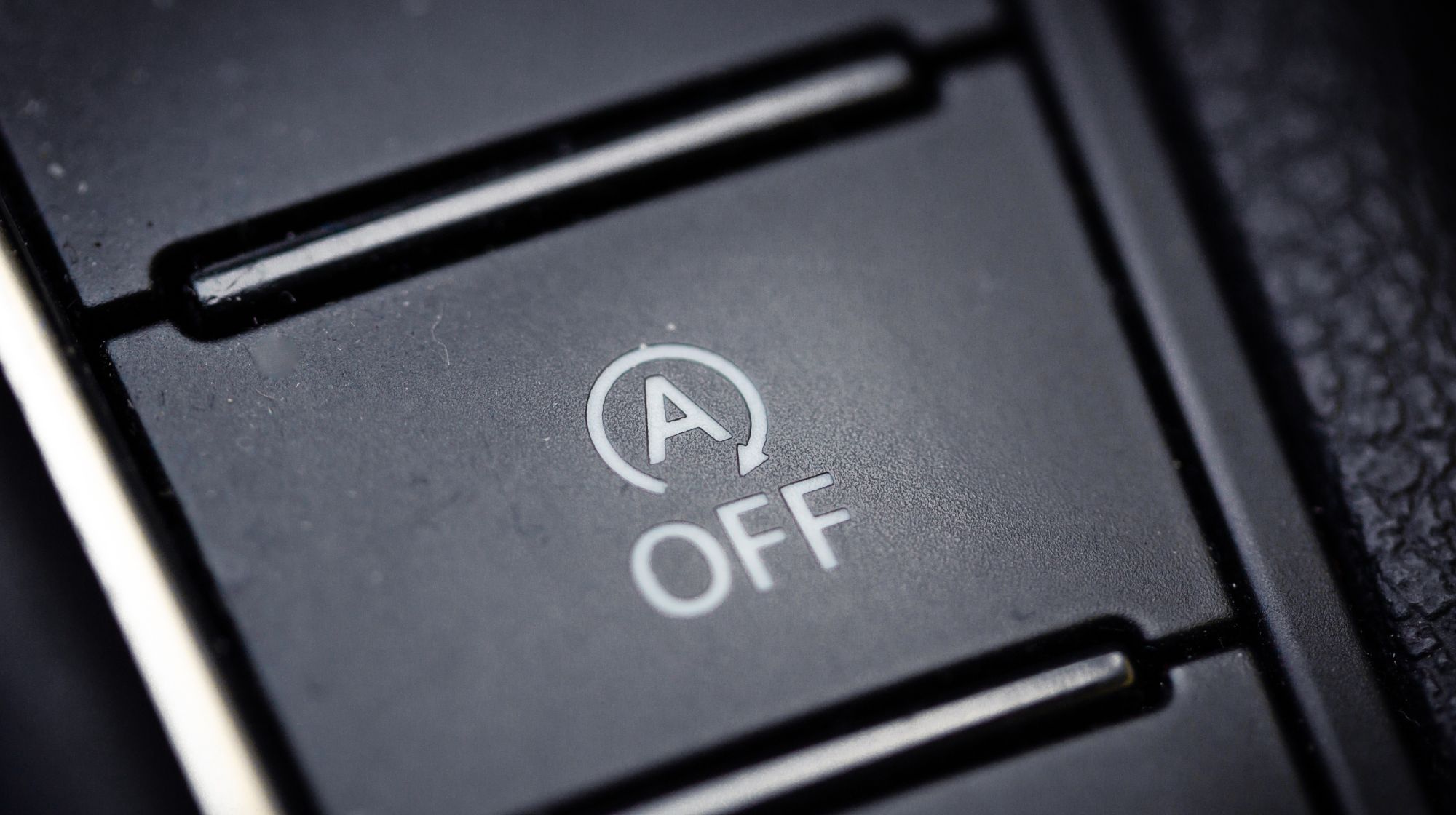
Here’s one that may come with a sigh of relief from most readers. Auto start/stop systems, the feature that kills your engine at every red light to save a thimble of fuel, have been panned for years. Jerky restarts, sluggish launches, and wear-and-tear concerns made it one of the most unpopular “green” add-ons in modern cars.
However, unlike hidden EV door handles, this one isn’t dying because of stricter safety standards. Quite the opposite: regulatory rollbacks and looser fuel-efficiency requirements in the U.S. have made start/stop less valuable to automakers. With no pressure to meet stricter fleet mileage targets, in the U.S., shifting fuel-economy policy and customer backlash can reduce the incentive to lean on start/stop as heavily as automakers did under stricter compliance pressure. At the same time, buyers are happily paying extra to delete it or jumping to hybrids and EVs that achieve efficiency gains without the awkward stall-and-restart routine.
So, after a decade of forcing engines to play dead at every stop sign, automakers are finally letting this feature fade. For once, the loss of a “modern innovation” will be met not with nostalgia, but with applause.
A New Road Ahead

So, the haters won. For now, new features will likely replace some of these discontinued ones, and even more will arrive in the future. Carmakers can’t help themselves.
As each model year arrives, the driving experience evolves. It’s evolving into something more sterile, more controlled, and less… yours. These adjustments will “shape the way people connect with their vehicles,” creating “fresh habits and new routines for the journeys ahead.” Probably habits like constantly swiping to find the fan control, or routines like yelling “VOLUME UP!” at a dashboard that wants to tell you about traffic.
With 2026 on the horizon, the next chapter in driving begins. Streamlined, reimagined, and ready for the road. Just don’t expect to lie flat, gesture wildly, or have your truck help you back up the boat with a detached camera. You’re gonna have to do that yourself, like some Neanderthal. Progress, baby!