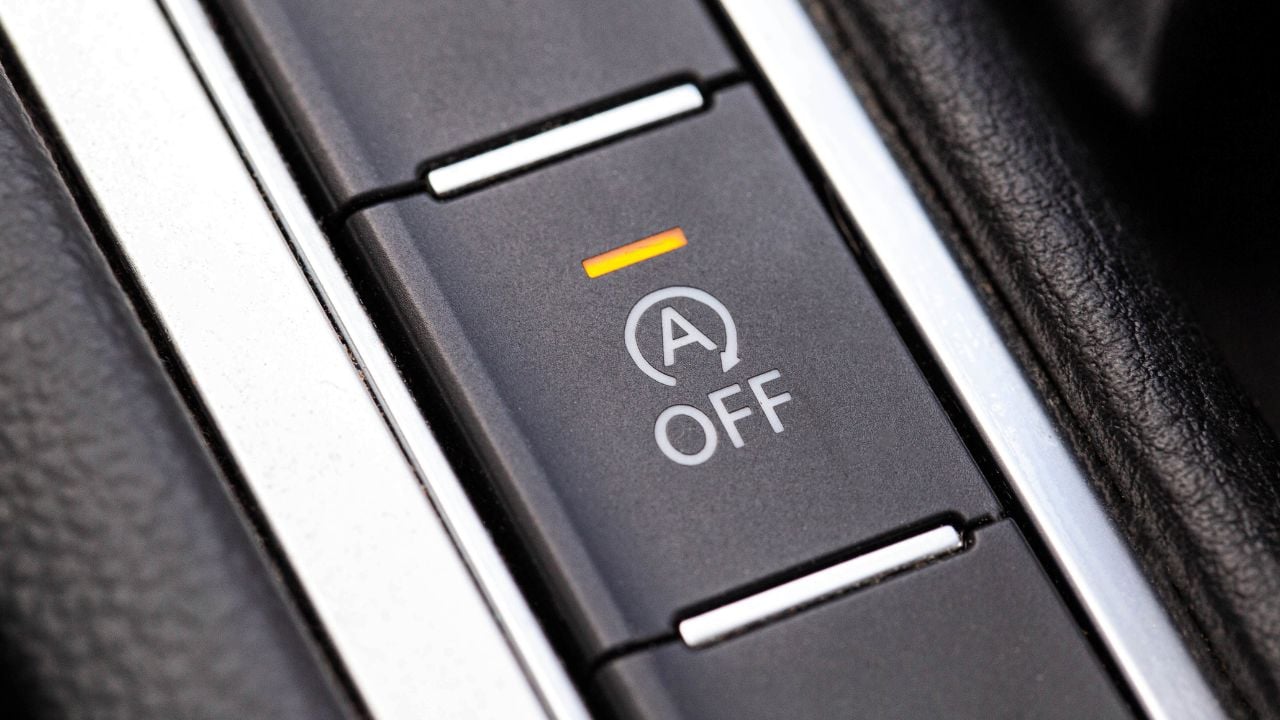
Once hailed as a clever way to reduce fuel use and emissions, start/stop engine technology may become less common as regulators move to remove the incentives that encouraged it. And for many drivers, it’s not a moment too soon.
From dead batteries and clunky restarts to lost confidence in tight traffic, this once-promoted feature has become one of the most complained-about additions to modern cars. Here’s why the EPA is moving to end the incentives/credits that helped encourage it.
What Is Start/Stop Technology?
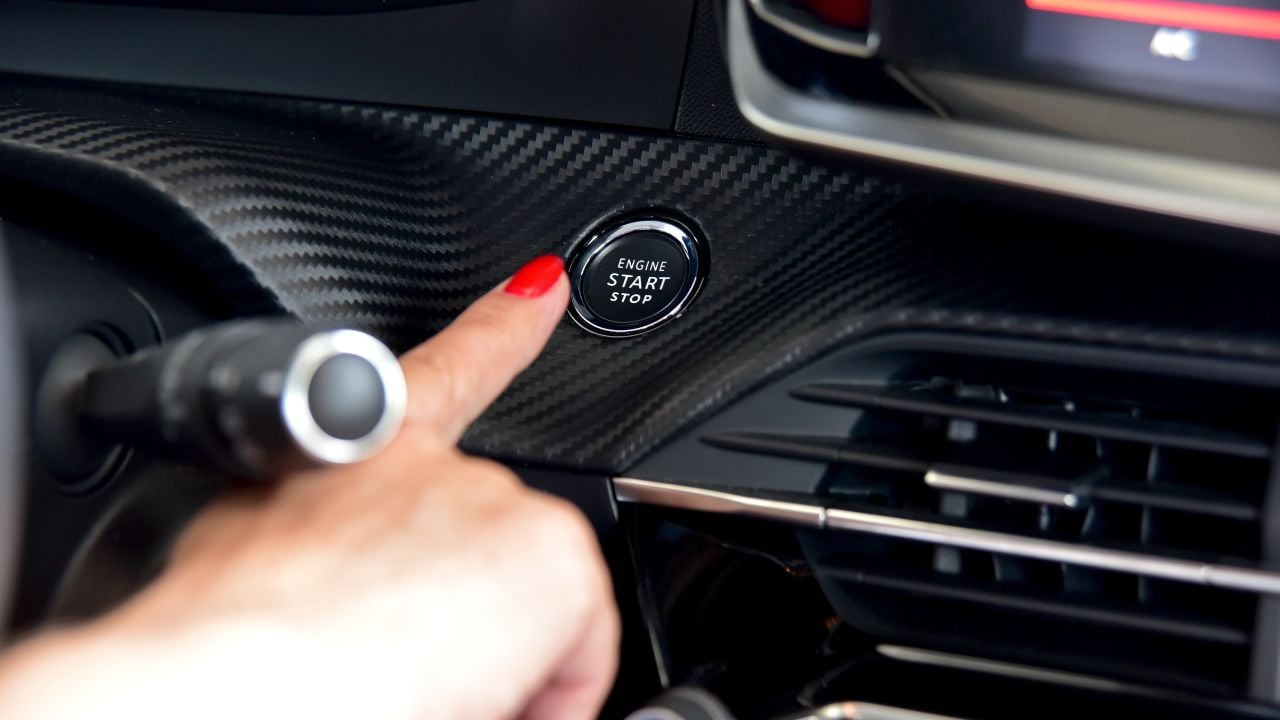
Start/stop systems automatically turn off your car’s engine when you come to a complete stop, like at a red light. The idea? Save fuel and reduce emissions during idle time. Once you lift your foot from the brake or press the accelerator, the engine restarts.
Why It Was Introduced
Start/stop systems weren’t primarily about improving how cars drove; they were about improving how cars scored. Under Obama-era EPA/NHTSA greenhouse-gas and fuel-economy rules, automakers could earn off-cycle credits for certain technologies, including start/stop that improved fuel economy in ways not captured during standard EPA test procedures. Start/stop systems qualified, even though their real-world impact is typically modest and depends heavily on traffic and conditions.
The tech offered minor efficiency gains, but the big win was regulatory. Automakers used those credits to help meet federal fuel economy targets without making more substantial changes to engine design or vehicle weight.
The EPA Reverses Course

In 2025, EPA Administrator Lee Zeldin said the agency would move to end the off-cycle credit treatment that incentivizes start/stop systems, one of several regulatory changes aimed at rolling back legacy fuel economy rules. The agency argued that the credits no longer reflected meaningful real-world savings.
While framed as part of broader deregulation, the move also signals a shift in philosophy: putting drivers back in control and pushing automakers to pursue more meaningful innovation, not just compliance tricks.
Consumer Backlash Drove the Conversation

Some skepticism around start/stop may not have been entirely warranted. Automakers did invest in making the systems smoother and more durable over time. But despite those efforts, many consumers remained uneasy with the technology, especially because it often gave them no choice in the matter.
Complaints about hesitation, rough restarts, and inconsistent performance filled forums and comment sections. And one line showed up over and over: “First thing I do when I start the car is turn it off.”
Even when the system worked as designed, drivers didn’t like losing control, and that alone was enough to sour the experience for many.
Battery Replacements Are Expensive and Frequent
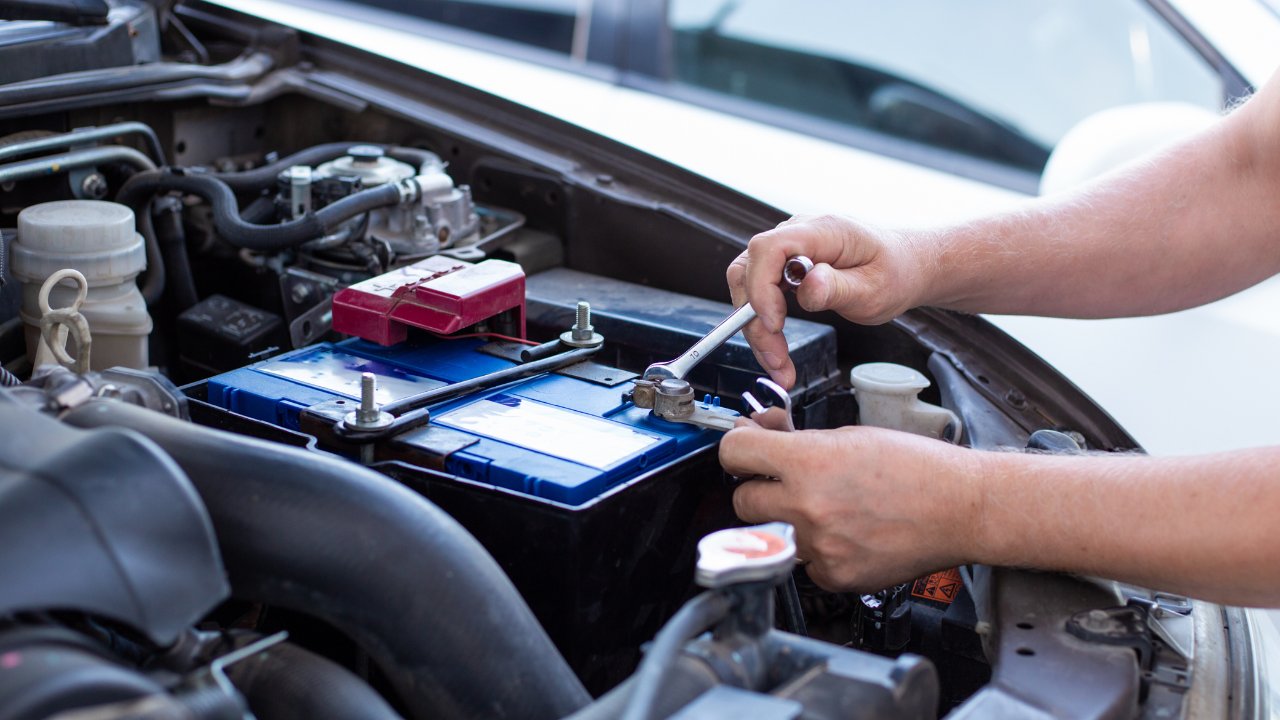
Start/stop systems use upgraded AGM or EFB batteries designed to handle frequent restarts. Automakers claim these last as long or longer than traditional batteries.
But in comment sections across Reddit, YouTube, and automotive news sites, many drivers report needing replacements within 12 to 24 months. Costs typically range from $250 to $400, leading some to argue the fuel savings are offset by maintenance expenses.
While not universal, these anecdotal reports contradict manufacturer claims and suggest that real-world conditions such as short trips, extreme temperatures, or heavy accessory use can reduce battery life.
Added Wear or Just Added Worry?
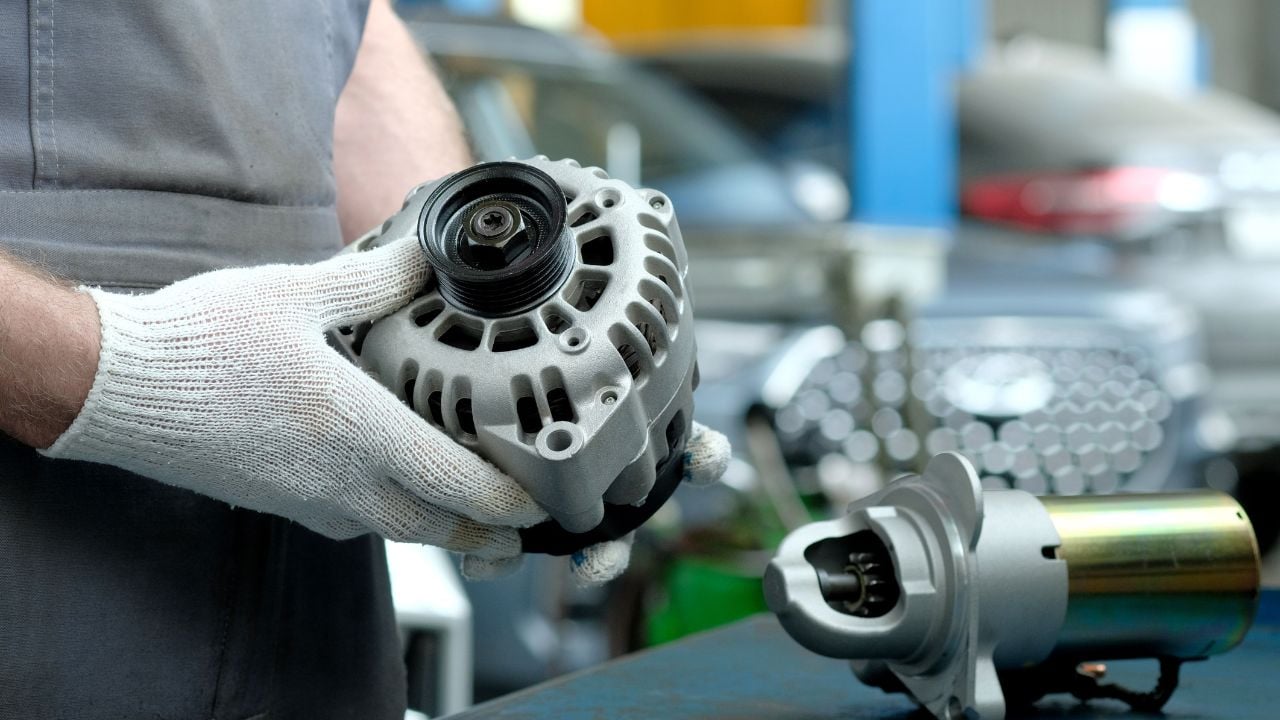
Many commenters express concern that start/stop systems could lead to premature wear on starters, alternators, and even transmission components. While these systems are designed with upgraded parts, frequent cycling makes some drivers uneasy, especially those who plan to keep their cars long-term.
There isn’t conclusive evidence showing widespread mechanical failure directly caused by start/stop. However, the perception of added strain is common, and for many owners, that anxiety is reason enough to dislike the system.
It Compromises Comfort — Especially in the Heat
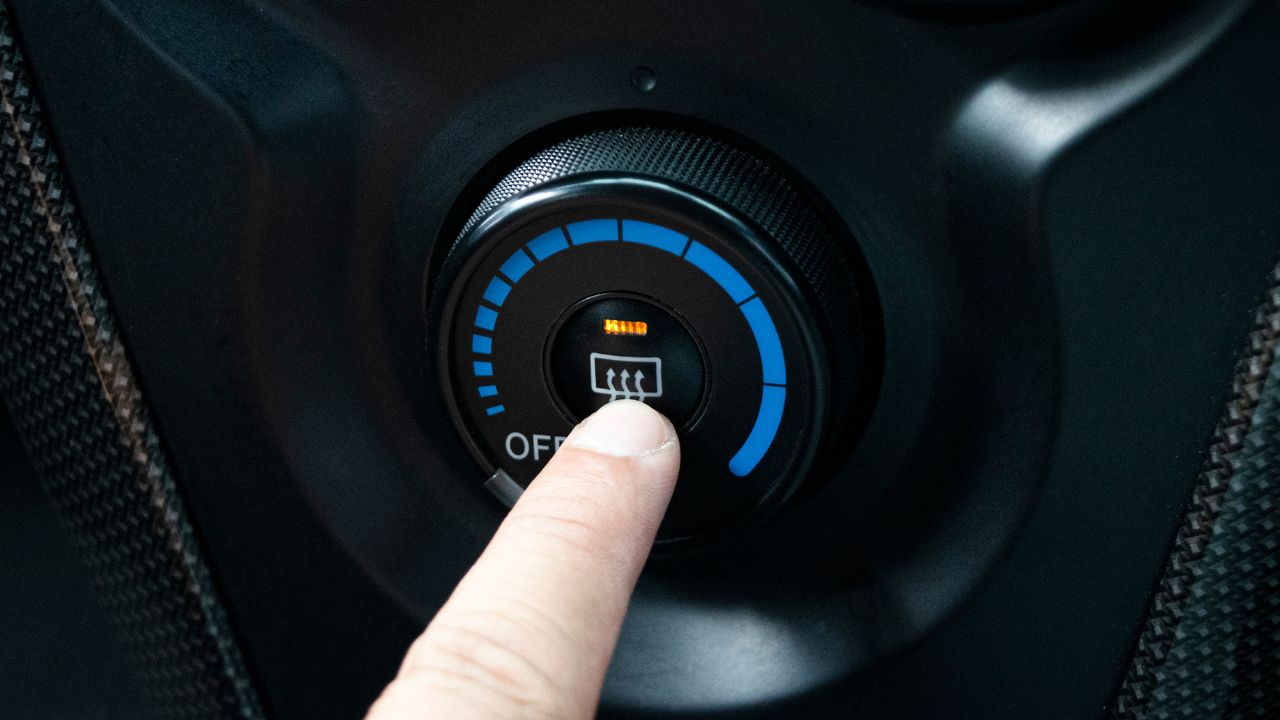
Many drivers report that when the engine shuts off, the air conditioning loses cooling power. Since most A/C systems rely on an engine-driven compressor, airflow continues, but the air itself warms up quickly, especially during summer traffic or at long lights.
In hot and humid regions, this becomes even more noticeable. Commenters say the system makes red lights miserable in 90-degree heat, even if the A/C technically stays on. Some automakers include logic to disable engine shutoff during high A/C loads, but the effect still feels unpredictable and frustrating.
Cold Starts Are Worse in Winter

Drivers in colder regions often complain that start/stop systems make winter driving more frustrating. Commenters say engine restarts feel sluggish in freezing temperatures, with a noticeable lag or vibration when the car kicks back on.
Some also point out that repeated cold starts, especially on short trips, seem counterintuitive, since the engine barely gets warm before shutting off again. This raises concerns about long-term wear, even if there’s no clear evidence of damage.
For these drivers, the discomfort alone is enough to sour the experience. When it’s cold outside, many just want the engine to stay on.
Not All Stops Make Sense

Unlike hybrids, which seamlessly switch to electric power, start/stop simply shuts the engine off at idle. The result? Abrupt shutdowns and jarring restarts. The difference in smoothness is noticeable, and for many, frustrating.
Commenters say this interruption feels unnatural, especially during short stops like rolling right turns or stop signs with low traffic. The frequent on-off cycle can make city driving feel clunky and mentally exhausting.
It Doesn’t Work Well on Hills
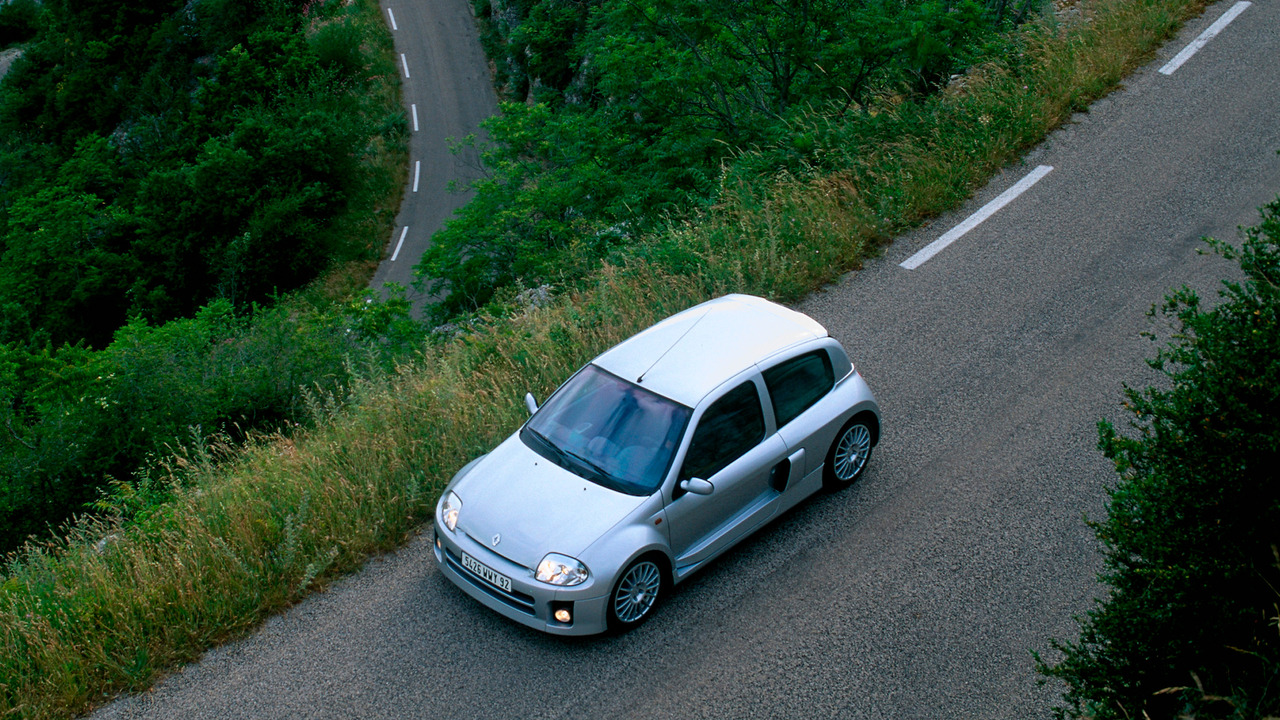
Start/stop systems are designed to restart the engine almost instantly, with automakers claiming the transition should be barely noticeable. But for many drivers in hilly areas, that hasn’t been the case.
Commenters frequently report hesitation when trying to move forward on an incline, sometimes with slight rollback before the engine kicks back in. Even with hill-hold assist, the momentary lag can feel unsettling and unsafe.
Perceived Safety Risks

In heavy traffic or unexpected situations, even a split second matters. Commenters often say that start/stop systems introduce just enough delay during acceleration to make them uneasy, especially when merging or avoiding a hazard.
Several users have described near-miss scenarios where their car’s momentary hesitation made a difference. While hard data is limited, the perception of risk alone has shaped how many drivers view the feature.
The Tradeoff Doesn’t Feel Worth It
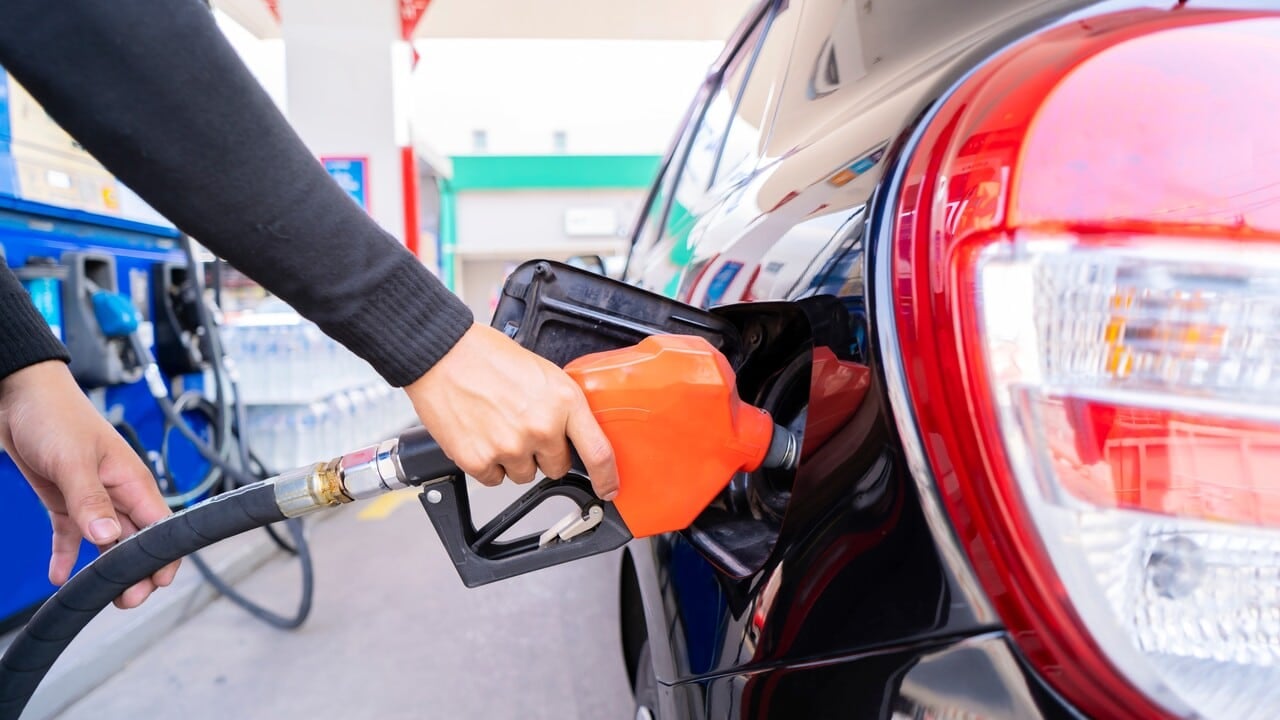
The EPA estimates that start/stop can improve fuel economy by around 4 to 5 percent. But many drivers say they haven’t noticed any real savings. For short-trip drivers especially, the feature cycles constantly without much benefit.
Paired with the discomfort, extra wear concerns, and loss of control, many argue that the downsides far outweigh the gains.
Drivers Want More Control

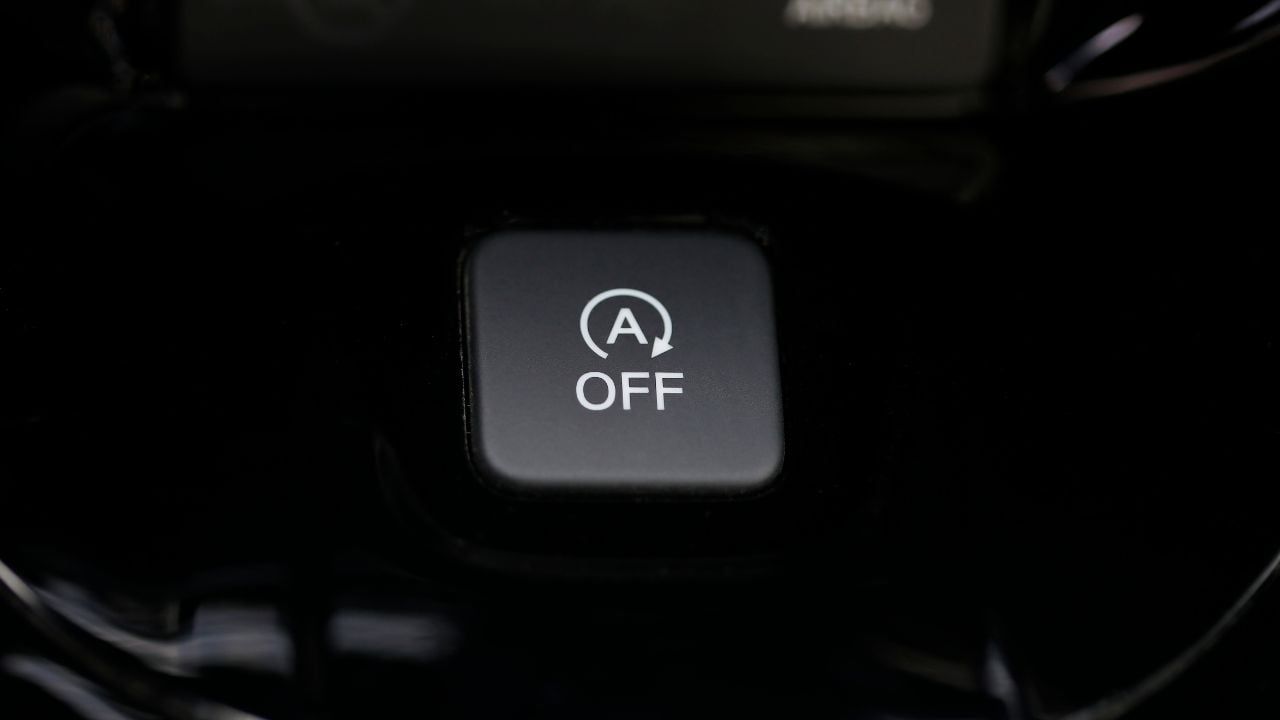
One of the most common frustrations is that start/stop systems can be disabled, but only temporarily. Drivers must turn the feature off every time they start the car, with no option to save their preference in settings.
Many would prefer never to have it at all.
The Aftermarket Is Booming
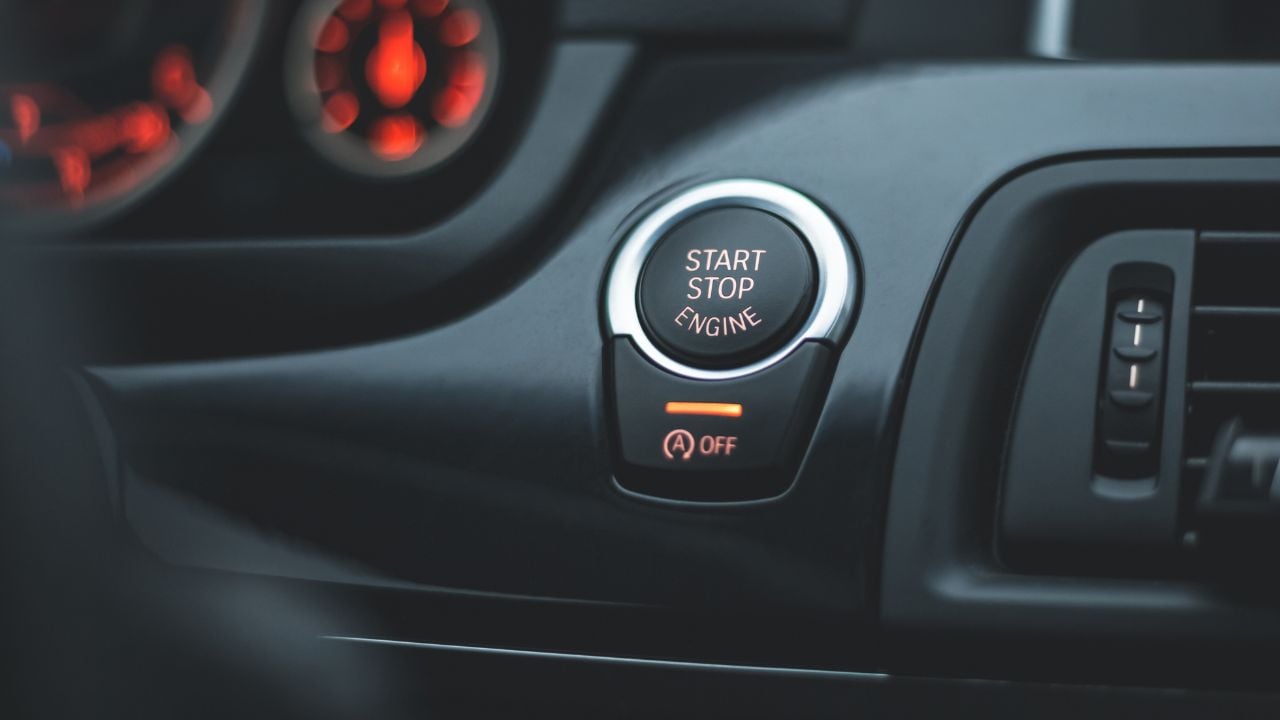
The aftermarket has stepped in where automakers have not. Plug-in modules and DIY kits that disable start/stop are now widely available, with YouTube tutorials reaching hundreds of thousands of views. These devices simply remember the driver’s preference and prevent the system from turning on again automatically.
The demand alone says a lot about how unpopular the feature has become.
Dealerships See the Backlash Too

Some service advisors and techs have noted an increase in battery and starter-related warranty claims, especially on certain SUV and truck models. Whether or not the system is the root cause, its presence adds complexity and gives drivers one more thing to worry about.
A Sign of Where the Industry Is Headed

With the EPA pulling back incentives, automakers now have little reason to keep start/stop around. Most will likely phase it out in favor of hybrid and EV drivetrains that deliver greater benefits without the complaints.
Judging by public reaction, few drivers will miss it.
Good Riddance or a Green Step Backward?

Environmental advocates argue that removing start/stop tech could slow emissions progress. While the system delivered only modest gains, it was seen by some as a step in the right direction, though one that never quite delivered.
But for many drivers, the tradeoff wasn’t worth it. They see its end as a return to comfort, reliability, and control.
Your Move, Automakers
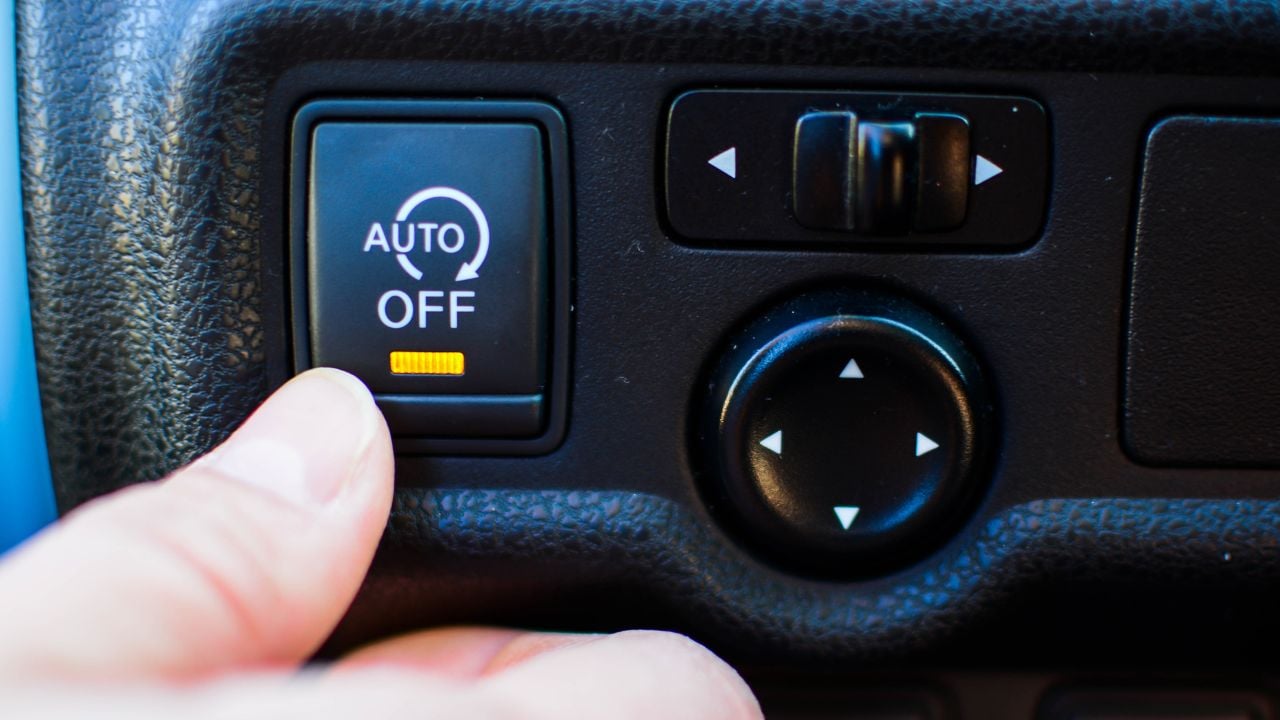
Start/stop technology was created to help automakers perform better on EPA fuel economy tests. But many drivers feel it gave them a worse driving experience in exchange for marginal efficiency gains. The lack of driver control is one of the most common complaints, and it raises a fair question: Is this clever engineering or just a lazy trick to help automakers pass a test they weren’t ready for?
Instead of relying on software that shuts the engine off at red lights, why not invest in smarter engine design, improved aerodynamics, or lightweight materials? Those innovations could boost real-world MPG and actually enhance how the car feels to drive.
The lesson here is clear: design for drivers, not just regulators. Because when features make cars less enjoyable, people won’t just work around them, they’ll cheer when they’re gone.