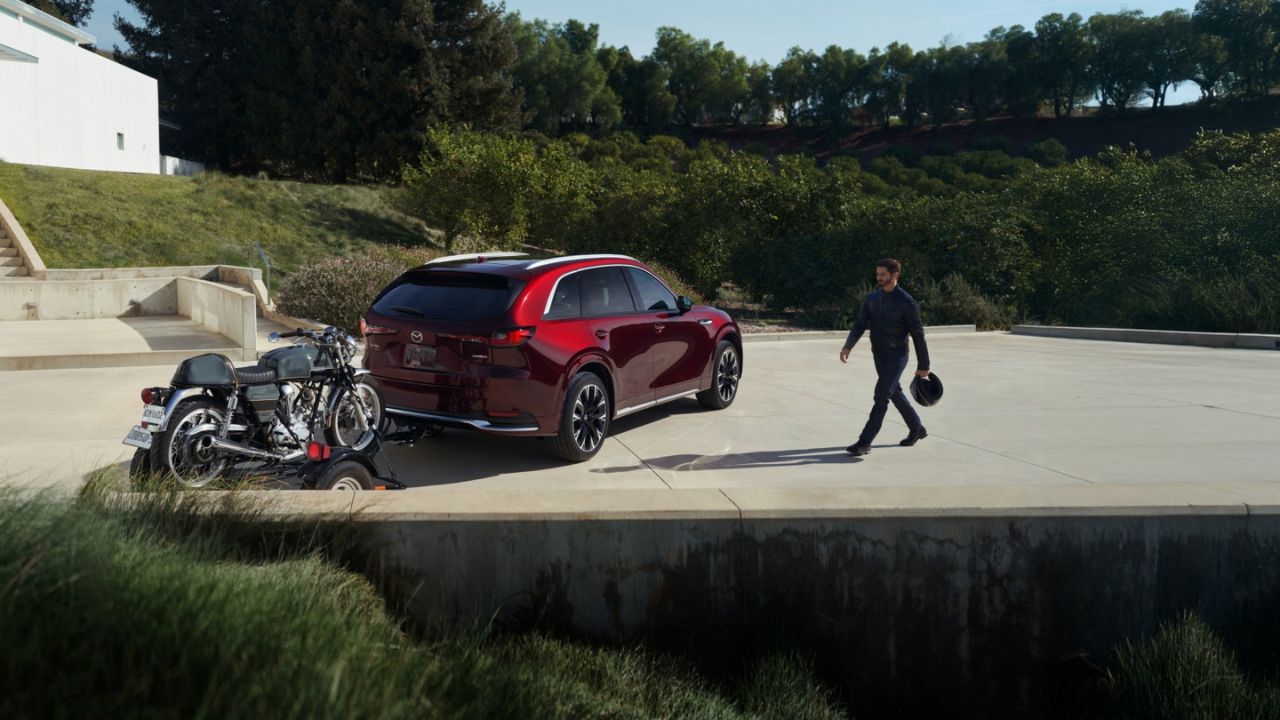
There is something deeply satisfying about finding a family SUV that does not feel like a compromise. In America, the midsize 3-row SUV has become the answer to a very specific dream: enough room for kids, friends, bags, and Costco runs, but without the bulk, fuel appetite, or parking-lot drama of a full-size truck-based giant. The best ones do more than carry people.
They calm down busy days, make long trips easier, and give buyers the sense that they chose something useful without giving up style, comfort, or pride of ownership. That is why this category matters so much right now. It sits in the sweet spot of the market, where real life, budget, and family ambition all meet. A good one should feel ready for school mornings, road trips, airport runs, and rainy Saturdays when everybody climbs in at once.
A great one should also feel like money well spent. These are the midsize 3-row SUVs that still make the strongest case for themselves without crossing the $50,000 line at their starting price.
How These SUVs Made The Cut

We sticked to true midsize 3-row SUVs with a current U.S. starting MSRP under $50,000. I excluded compact three-row crossovers that feel tight in the last row, and I also left out full-size SUVs that play in a bigger and more expensive class.
Price mattered a lot here, but it was not the only filter. I looked for vehicles that offer a genuinely usable third row, smart cargo packaging, everyday comfort, and enough polish to feel like a satisfying long-term buy. I also gave extra credit to models that do one thing especially well, whether that is ride quality, family friendliness, towing, efficiency, or overall cabin space.
Just as important, I avoided picks that only barely qualify on paper but become hard to justify once you look at what they really offer. Every SUV below has at least one currently listed U.S. trim under $50,000, even if higher trims climb well beyond that point.
Honda Pilot

The Honda Pilot feels like the kind of SUV that understands family life before you even start moving. It is roomy, cleanly laid out, and refreshingly straightforward in a class where some rivals try too hard to impress with gimmicks. That matters, because the best midsize 3-row SUVs are the ones that become easier to appreciate the longer you own them.
The 2026 Pilot starts at $42,195, keeps a strong 285-hp V6, and still feels like one of the most balanced choices in the segment. It is large enough to be genuinely useful, yet it does not feel clumsy in daily driving. Honda also gives it solid road-trip credentials, a strong reputation for family-friendly packaging, and an overall sense of calm competence that never goes out of style.
There are flashier options here, and there are roomier ones too, but the Pilot’s real strength is how completely it covers the basics. For a lot of buyers, that is exactly what makes it one of the smartest all-around picks in this whole group.
Kia Telluride
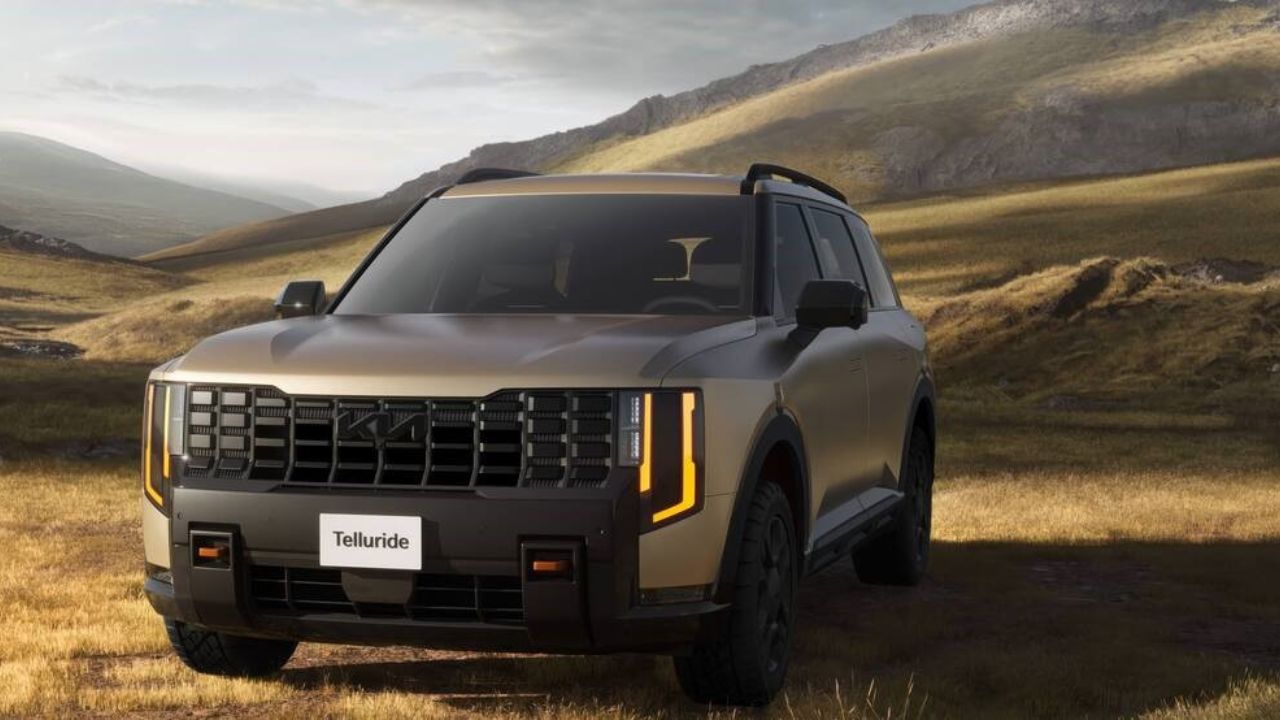
The Kia Telluride has spent years making competitors look a little lazy. Even now, it still feels like one of the clearest examples of how much SUV buyers can get for the money if a brand truly gets the brief right.
The all-new 2027 Telluride starts at $39,190 and still offers seating for up to eight passengers, which immediately keeps it among the strongest values in this class. That price matters, but it is only part of the appeal. The Telluride also looks expensive, feels thoughtfully designed inside, and carries itself with more confidence than many crossovers that cost much more.
It is the sort of SUV that feels equally comfortable doing school duty, road-trip duty, and dinner-out duty without changing character. That balance is rare. It also helps that the Telluride never lost sight of what people actually buy these vehicles for: comfort, space, presence, and a cabin that does not feel like an afterthought. For families who want a near-luxury vibe without a near-luxury price, it remains a standout.
Hyundai Palisade

The Hyundai Palisade takes a slightly softer, more polished route to the same basic destination, and that is exactly why it belongs here. The all-new 2026 Palisade starts at $38,935 MSRP, stays comfortably under the cap, and keeps a true 3-row layout with available 8-passenger seating.
What has always made the Palisade appealing is the way it delivers comfort with confidence. It feels upscale in its presentation, but not in a way that turns cold or fussy. The cabin has warmth to it, and that goes a long way in a vehicle meant for real American family use. It is easy to imagine taking one on a long summer drive and appreciating not one dramatic trait, but a collection of small good decisions that make the whole day smoother.
The Palisade may not shout the loudest in this class, but it remains one of the most convincing all-around packages for buyers who want value with a more refined personality.
Toyota Grand Highlander
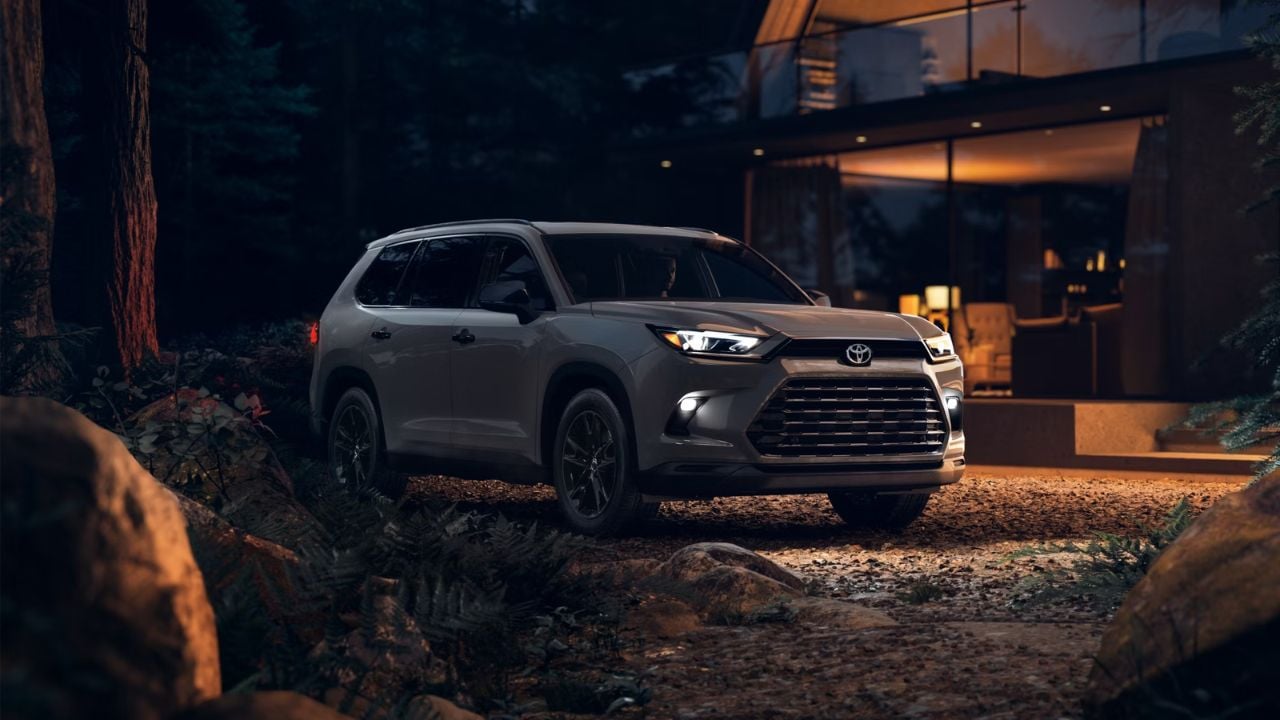
The Toyota Grand Highlander earns its name honestly. Unlike some 3-row midsize SUVs that treat the last row as a formality, this one was clearly designed around the idea that families might actually use all three rows on a regular basis.
The current 2026 model starts at $41,660 in gas form, and Toyota currently lists a Hybrid LE starting at $45,210, both still under this article’s price ceiling. That already makes it impressive, but the more important point is how well it uses its size. The Grand Highlander offers seating for up to eight and feels like one of the most sensible choices for buyers who know they need real passenger and cargo flexibility. It has a calm, practical, highly usable nature that fits modern American family life beautifully.
Its job is to make the third row feel less like a penalty and more like a real part of the vehicle. Few rivals do that better.
Mazda CX-90
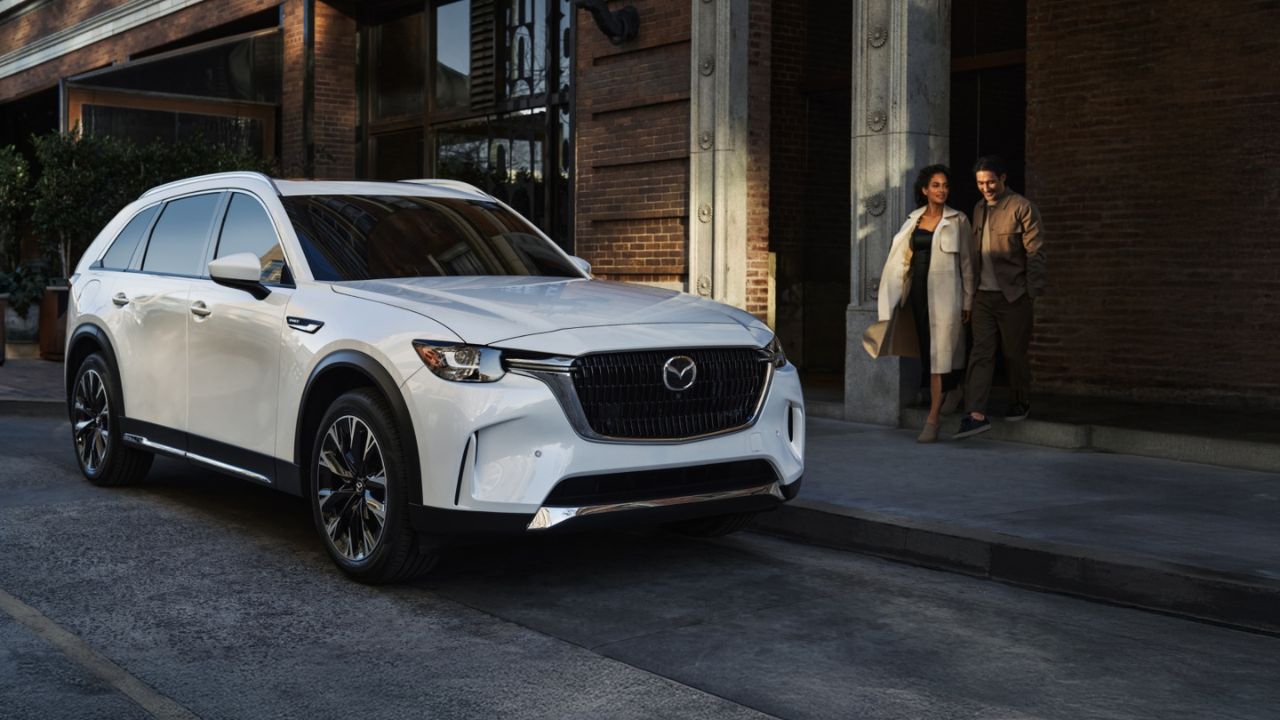
The Mazda CX-90 is the SUV for people who still care how a family vehicle feels from behind the wheel. It is not just practical. It is elegant, a little more driver-minded, and more ambitious in tone than the average midsize 3-row crossover.
The 2026 CX-90 starts at $38,800 and offers flexible seating with capacity for up to eight passengers, which is a strong entry point considering how upscale the vehicle feels. Mazda also gives it standard AWD and a more premium design language than many rivals in this price band. That does not automatically make it the best choice for every household, because some competitors offer a more obviously family-first layout.
But for buyers who want their SUV to feel a little more special every time they walk up to it, the CX-90 makes a very persuasive case. It proves that practical does not have to mean dull, and that a 3-row family vehicle can still carry some genuine sense of style and driver satisfaction.
Chevrolet Traverse
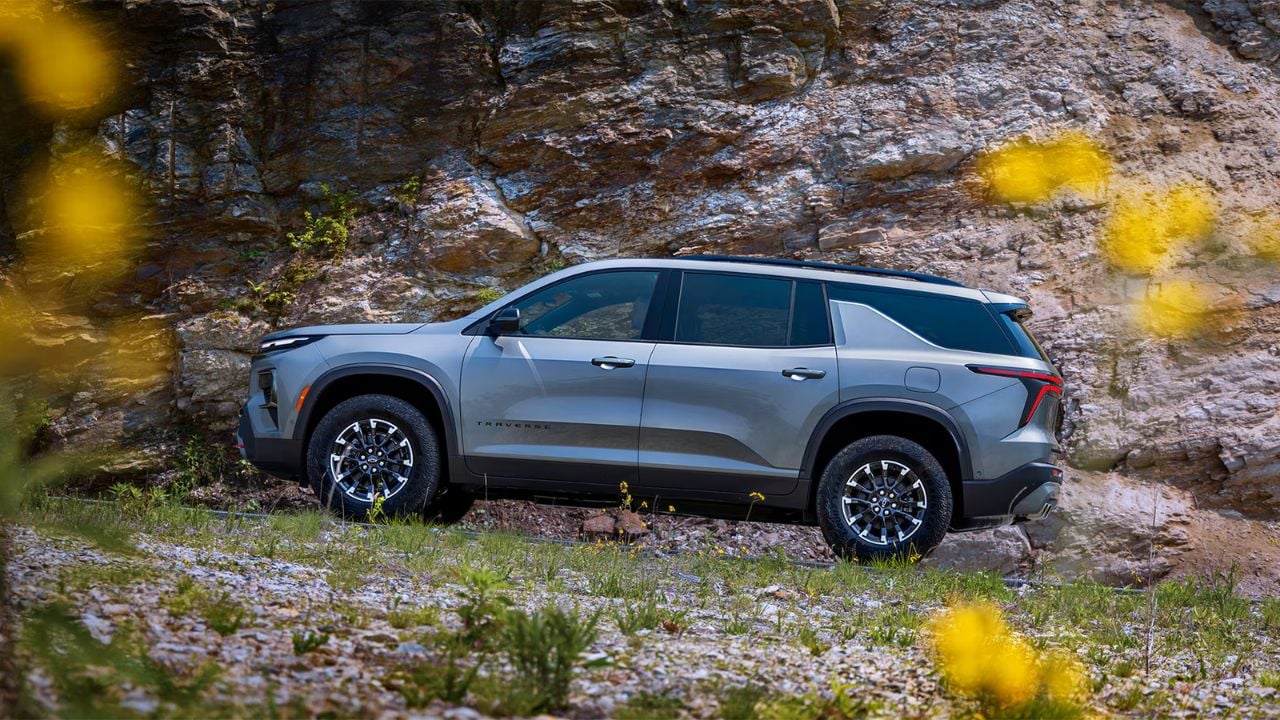
The Chevrolet Traverse goes after this segment with one big idea: space matters, and it matters a lot. That sounds simple, but in real life it is exactly the kind of honesty many buyers need.
Chevrolet says the 2026 Traverse starts at $40,800, seats up to eight, and offers a best-in-class max cargo volume of 98 cu. ft. Those are strong numbers, but more importantly, they tell you what this SUV is trying to be. It is trying to make family life easier. The third row is more than symbolic, the cargo area is genuinely generous, and the whole package feels aimed at people who routinely travel with people and stuff at the same time. That gives the Traverse a very clear identity. It is not the most premium option here, and it is not the most stylish either, but when a vehicle solves real packaging problems this well, it becomes very easy to recommend.
Families who know they need a lot of usable space without stepping into a full-size SUV should have this near the top of their shopping list.
Volkswagen Atlas

The Volkswagen Atlas remains one of the most spacious and straightforward answers in the midsize 3-row world. It does not try to be sporty in a forced way, and it does not bury its usefulness under unnecessary complexity.
The 2026 Atlas starts at $39,310, seats up to seven, and offers 20.6 cu. ft. of cargo room even with all three rows in use, expanding to 96.6 cu. ft. with the rear seats folded. That is the sort of packaging that makes a difference every single week. The Atlas also has a clean, broad-shouldered design that gives it real presence without making it feel oversized. Inside, it tends to feel open and airy in a way that many families immediately notice. There is a reason it keeps showing up on so many shortlists.
It simply makes daily life less complicated. For buyers who want one of the roomiest midsize 3-row SUVs under $50,000 and do not need a luxury badge to feel satisfied, the Atlas still makes excellent sense.
Ford Explorer

The Ford Explorer still matters because it brings something different to this class. It is not only about family hauling. It also keeps a little bit of traditional SUV confidence in its personality, which helps it appeal to buyers who want a 3-row vehicle that feels a touch more athletic and capable than the typical school-run crossover.
Ford lists the 2026 Explorer starting at $38,465, and the current lineup still includes third-row seating across the range. That makes it an easy vehicle to justify on paper, but the real appeal is broader than that. The Explorer feels like a good match for buyers who want family practicality without drifting too far into minivan logic. It can tow, it looks right in American driveways, and it still carries a name that means something in this part of the market.
Is it the roomiest choice here? No. Is it the softest or most luxurious? Also no. But it remains a strong all-around pick for people who want their midsize 3-row SUV to feel useful, confident, and a little more substantial than average.
Nissan Pathfinder

The Nissan Pathfinder deserves credit for staying loyal to a very American idea of the family SUV. It is practical, square-shouldered, straightforward, and more tow-ready than many buyers might expect. The refreshed 2026 Pathfinder starts at $39,900 MSRP and still offers seating for up to eight plus a stout 6,000-pound maximum towing figure.
That combination gives it a very useful lane of its own. The Pathfinder is not trying to mimic a luxury crossover, and that restraint helps it. It feels like something built for actual family use, actual cargo, and actual weekend plans that may include a trailer or a boat. That makes it especially compelling for buyers who want more than a soft suburban shuttle.
It still has to compete with some very polished rivals, but on function, flexibility, and value, the Pathfinder remains one of the more believable and well-rounded choices in the whole category.
Subaru Ascent

The Subaru Ascent is easy to overlook until you remember how many American buyers quietly want the exact things it offers. Standard AWD, up to eight seats, available 5,000-pound towing, and a 2026 starting price of $40,795 give it a very clear value story.
What makes the Ascent stand out is not theater. It is trust. It feels like the SUV for families who live where weather matters, who drive beyond suburban pavement, or who simply want the extra confidence that Subaru’s identity has long been built around. It is also one of the more sensible picks for buyers who want midsize 3-row practicality without stepping into a vehicle that feels too flashy or too expensive.
The Ascent’s cabin is not the most glamorous in the segment, but that is not really the point. Its appeal is more grounded than that. It feels like a dependable tool with just enough polish. For the right family, the Ascent can be one of the smartest purchases here.
Why This Segment Still Hits The Sweet Spot

The midsize 3-row SUV remains one of the most important vehicle categories in America because it solves so many problems at once. It gives families room to grow, enough comfort for long trips, and enough flexibility for the messy reality of everyday life.
The best ones also avoid feeling like oversized burdens. That is why this group matters so much. It sits between the too small and the too much, and when the choice is right, that balance can feel almost perfect. Which matters most to you in this class: the biggest cargo area, the nicest cabin, the strongest value, or the most polished drive? Would you choose the all-around confidence of the Pilot, the value punch of the Telluride, the grown-up calm of the Palisade, or the extra space of the Grand Highlander and Traverse?
For many buyers, the answer will come down to one simple question. Which of these feels most like it will still make sense, and still feel good, three years after you bring it home?