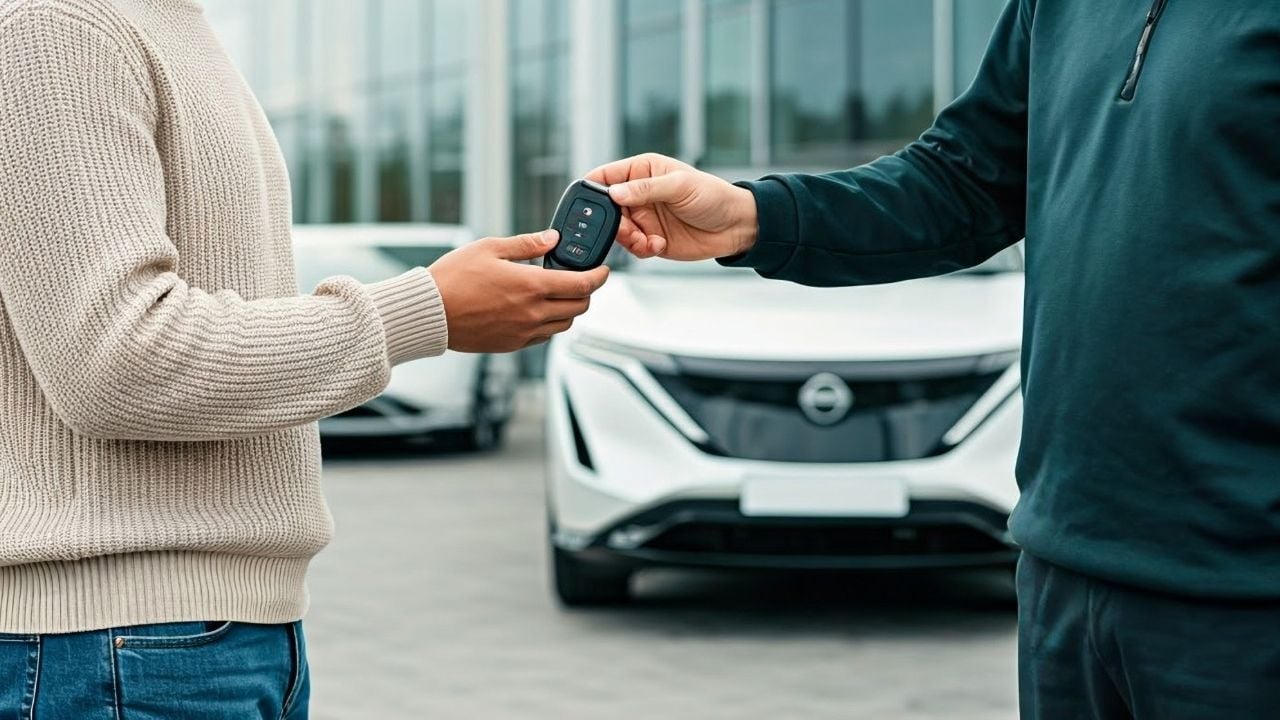
So you’ve found yourself scrolling through Facebook Marketplace at midnight, and there it is: a 2017 Honda Civic with low miles, a clean-looking exterior, and a price that makes your wallet do a little happy dance. We get it. Facebook Marketplace has become a genuinely solid place to find used cars, and plenty of people score real deals on it every day.
But for every great transaction, there’s a cautionary tale involving a check engine light, a sketchy handshake, and a car that starts making new sounds on the drive home. Before you fire off that first message, take a few minutes and read through what we’ve put together here.
A little preparation goes a long way when it comes to private-party car buying, and the stuff in this guide could save you a serious headache, or a serious chunk of change.
Run the VIN Before You Do Anything Else
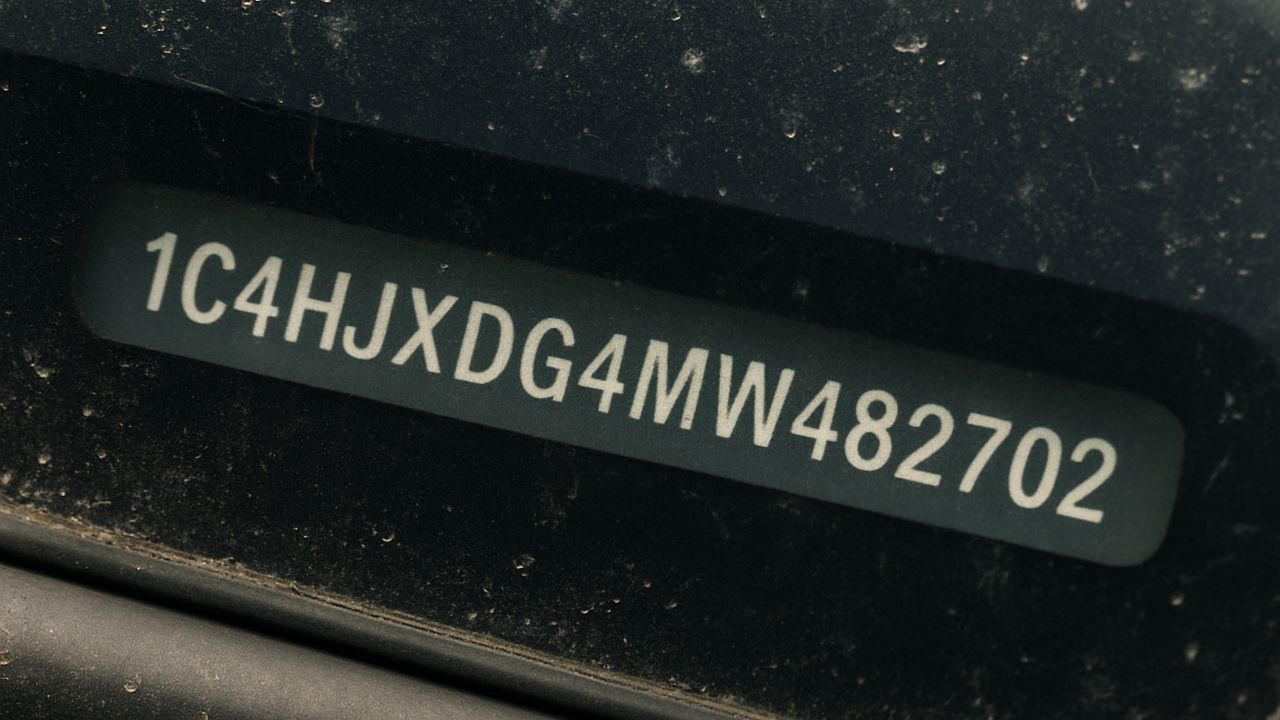
The vehicle identification number is basically the car’s fingerprint, and it tells you a whole lot about where that car has been.
Services like Carfax or AutoCheck can pull up ownership history, reported accidents or damage, odometer readings, and title branding when that information has been reported. Keep in mind these reports are not complete, because not every accident or damage event is reported. This is one of those steps that costs a small amount of money upfront but can save you from a much bigger mistake. If a seller is hesitant to share the VIN with you, that’s a signal worth paying attention to.
Most legitimate private sellers will share the VIN without hesitation, but if someone refuses or keeps dodging the request, treat that as a serious warning sign.
Know What the Car Is Actually Worth

Before you reach out, spend five minutes on Kelley Blue Book or Edmunds to see what that vehicle typically sells for in your area.
Private-party prices on Marketplace can be all over the place, sometimes you find a steal, and sometimes someone has priced their 2008 Pontiac like it’s a collector’s item. Going in with a realistic number in your head keeps you from overpaying and gives you something concrete to negotiate around.
If the listing is noticeably below market value, that’s worth investigating further, because it usually means something, either the seller needs fast cash or there’s something the listing isn’t mentioning.
Study the Photos Like You’re Prepping for an Exam

Good listings have lots of photos from multiple angles.
Bad listings have one blurry photo taken from the driver’s side in dim lighting, and that tells you something right there. When you’re scanning the images, look for mismatched paint, uneven body panel gaps, rust along the rocker panels or wheel wells, and any cracks or chips in the glass.
Zoom in on the tires if you can, uneven wear can point to alignment or suspension issues. And check the interior shots for wear patterns that don’t match the stated mileage.
Photos are the seller’s best chance to put the car in a good light, so when they look rough, assume reality is not more flattering.
Ask the Right Questions Before Setting Up a Visit
A quick message exchange can tell you a lot about both the car and the person selling it.
Ask how long they’ve owned it, why they’re selling, whether it has any known issues, and whether there’s service history available. These aren’t trick questions, any seller who takes care of their vehicle will be happy to talk about it.
Pay attention to how they respond: vague or defensive answers are worth noting. Someone who enthusiastically shares maintenance records and says “I just put new brakes on it last spring” is a very different experience than someone who replies with a shrug emoji and a “runs great, no issues.”
Meet Somewhere Safe and in Daylight

This one is about common sense and personal safety, full stop.
Always meet in a public place with good visibility, a busy parking lot, a shopping center, or a police station parking lot. Some departments offer designated safe exchange zones for online transactions, so it is worth checking whether your local department has one. Bring a friend if you can, and let someone know where you’re going and who you’re meeting. Daytime meetings are also practical from a car-inspection standpoint, since natural light will show you things parking lot fluorescents can hide.
It’s not about being paranoid, most sellers are regular people trying to move a vehicle, but it’s worth building in a little common sense either way.
Do a Thorough Walk-Around in Person

When you actually lay eyes on the car, slow down and take your time.
Walk around the entire exterior and crouch down to look along the body panels at a low angle, this is the best way to spot repaired dents, overspray from a paint job, or subtle waviness that suggests previous damage. Open and close every door, the trunk, and the hood to check how they line up and feel. Shine a flashlight under the car if you have one handy and look for fluid leaks, rust, or anything that looks like it’s been welded or patched recently.
It’s okay to spend twenty minutes just looking, a patient seller will understand, and an impatient one is giving you information too.
Take It on a Real Test Drive

Not a spin around the parking lot, an actual drive that covers a variety of conditions.
Get it up to highway speed, make some turns, hit the brakes firmly at least once, and if you can, find a hill. You’re listening and feeling for things: vibrations at speed, pulling to one side under braking, any hesitation when you accelerate, clunking over bumps, or the subtle shimmy that tells you a wheel might need balancing. Turn off the radio entirely so you can hear what’s actually happening. Test the heat and AC, every window, the mirrors, the cruise control if it has it, everything.
A thorough test drive is your best audition for what life with this car will actually be like.
Get a Pre-Purchase Inspection from a Mechanic
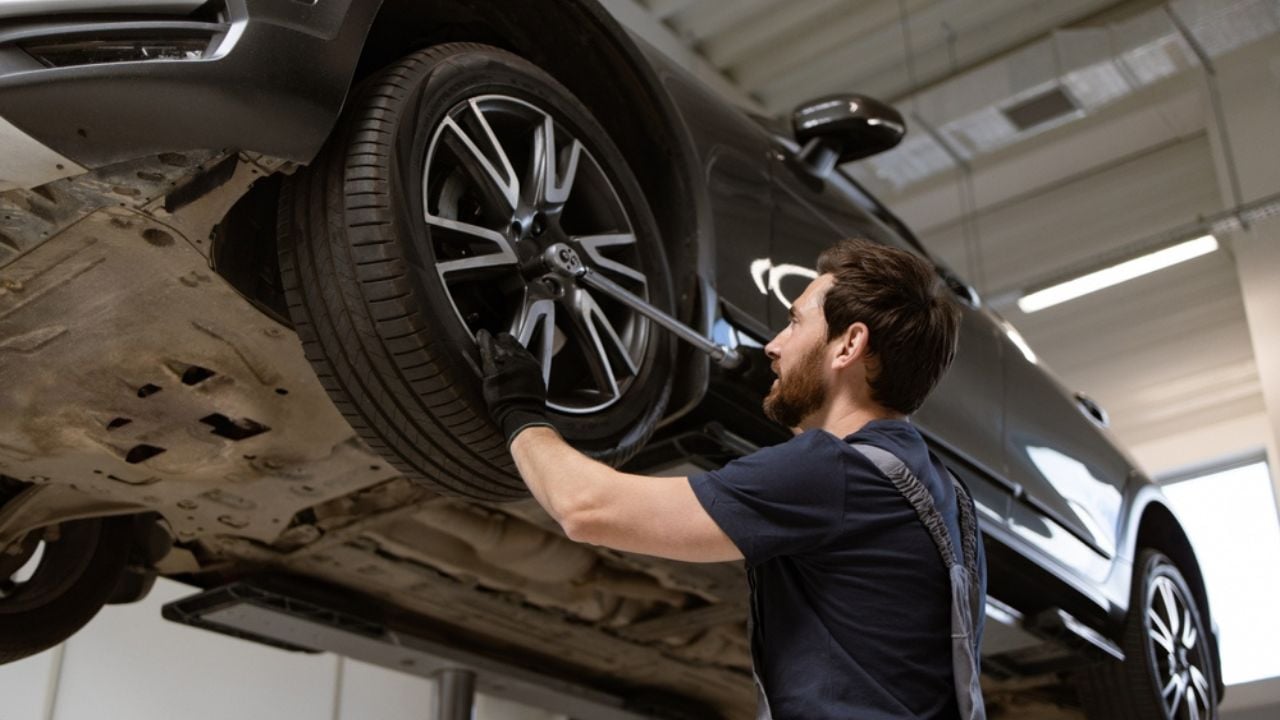
If you’re seriously interested in a vehicle, having an independent mechanic look it over before you hand over any money is one of the smartest moves in the private-party car-buying playbook.
Most shops will do a pre-purchase inspection for a reasonable fee, often around $100 to $200, and put it on a lift, check the fluids, scan for diagnostic codes, and give you an honest assessment of what they find.
A seller who won’t let a mechanic inspect the car is, in a word, a red flag. Most people selling a solid car will be perfectly fine with it, because the inspection confirms what they’re already telling you.
Understand How Payment Should Work

Cash is king in private-party sales, but for larger amounts it comes with obvious risks.
A cashier’s check from a legitimate bank is a safer alternative for both parties, though you’ll want to verify it with the issuing bank before handing over keys or title. Zelle is intended for people you trust and does not offer purchase protection for buying items from strangers. Venmo has purchase protection rules, but vehicles are listed as ineligible in its purchase protection eligibility examples. PayPal protections depend on the transaction type and are not something you should rely on for a private party car sale. Wire transfers should make you cautious, especially if the seller is pushing hard for one.
Whatever you settle on, do the exchange in person at the same time you finalize the paperwork, never send money ahead of time to “hold” a vehicle from someone you’ve never met.
Know the Title Situation Before You Buy
A clean title is what you want.
A salvage title means the car was deemed a total loss by an insurance company at some point, which affects its value, its insurability, and resale down the road. A rebuilt or reconstructed title means it was salvaged and then repaired, better than salvage, but still worth factoring into your offer.
Make sure the name on the title matches the person you’re buying from, and be cautious if the title is in someone else’s name with a hand-signed-over situation. Every state has its own title transfer process, so look up your state’s DMV requirements ahead of time so you’re not scrambling when you get there.
Watch for the Classic Red Flags

Some patterns in Marketplace listings are worth taking seriously.
Prices that seem too good to be true usually come with a reason. Sellers who can’t meet in person and want to ship the car to you, that’s a well-documented scam format. Listings where the story keeps changing between messages, or where the seller suddenly has to leave town and needs you to send money first, are situations to walk away from without a second thought. Photos that look professionally taken or that appear on multiple listings with different prices are another warning sign.
Your gut is actually a pretty good filter here, if something feels off, it’s usually worth paying attention to that feeling.
Don’t Skip the Post-Sale Paperwork

Once you’ve agreed on a price and you’re both ready to go, the paperwork still matters.
Get a bill of sale with both your names, the car’s VIN, the agreed purchase price, the date, and both signatures, this protects you and the seller. File the title transfer with your state’s DMV promptly, because until that’s done, the vehicle may still legally be tied to the previous owner. Notify your insurance company before you drive the car home if possible, or at minimum immediately after.
And if your state requires a new registration, smog check, or safety inspection, knock those out sooner rather than later so you’re not driving around on borrowed time with the old plates.
Final Thoughts

Buying a used car privately, whether on Facebook Marketplace or anywhere else, is genuinely one of the better ways to stretch your budget and find something with real character. The deals are real, the transactions happen every day without drama, and the process gets a whole lot smoother when you walk in knowing what to look for.
What separates a good experience from a rough one is almost always preparation: checking the history, asking the right questions, having a mechanic take a look, and understanding the paperwork before you sign anything. None of this is meant to scare you off from a great deal, it’s meant to help you land one confidently. Go find your car. Just go find it smart.