
So you’re thinking about joining the electric revolution, huh? With EVs everywhere from your neighbor’s driveway to the grocery store parking lot, it’s hard not to wonder if you’re missing out.
The truth is, electric vehicles aren’t a one-size-fits-all solution, and that’s perfectly okay. Whether you’re a daily commuter tired of gas station stops or a road trip enthusiast who needs maximum flexibility, the “right” answer depends entirely on your unique situation. Let’s walk through twelve key factors that’ll help you figure out if an EV makes sense for your life, your wallet, and your driving style.
Think of this as a friendly chat over coffee, minus the coffee and with more battery talk.
Your Daily Commute Distance
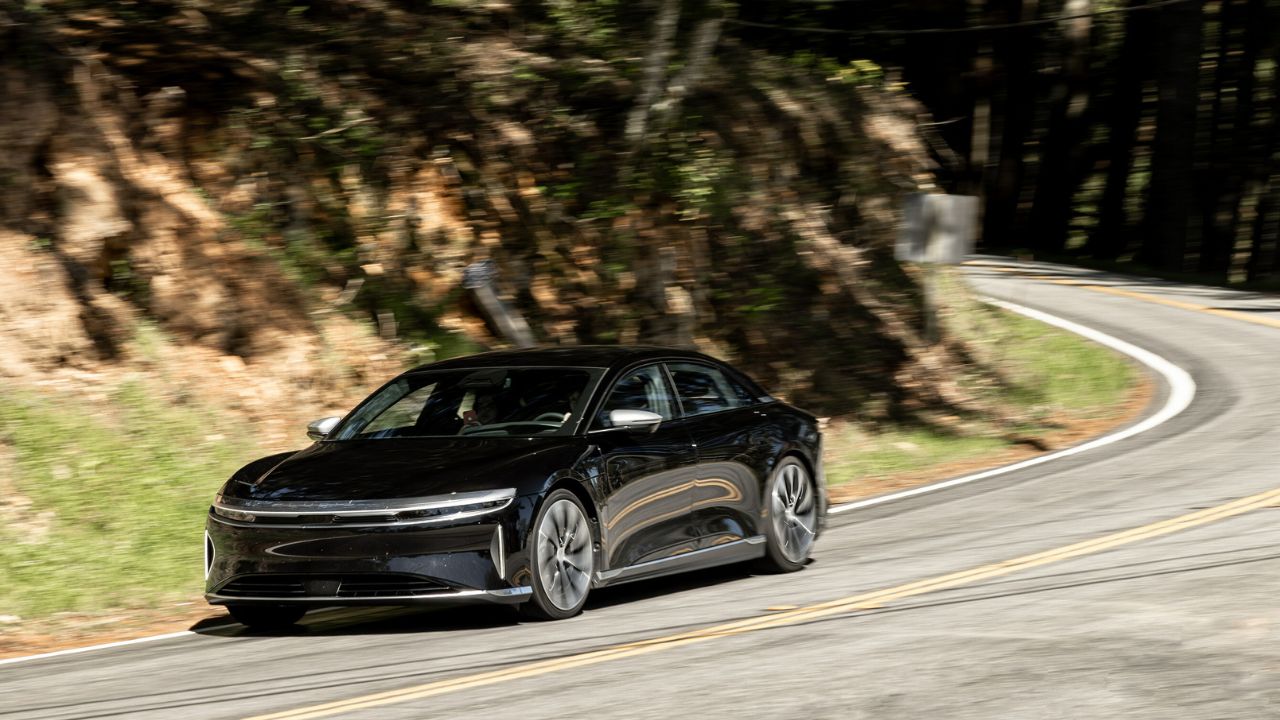
Let’s start with the obvious one: how far do you actually drive each day? The U.S. Census Bureau reports a mean one way commute time of 27.2 minutes in 2024, which is still well within the daily driving needs most modern EVs can cover.
Many new electric vehicles offer 250 miles of range or more, meaning you could go several days without plugging in if you’re doing typical daily driving. If your commute is under 50 miles daily, an EV is honestly a no-brainer from a practical standpoint. You’ll wake up to a “full tank” every morning, never make those annoying detours to gas stations, and probably wonder why you didn’t make the switch sooner.
Even if you’re doing 75-100 miles daily, you’re still in great shape with most EVs on the market today.
Your Home Charging Setup

Here’s where reality gets real: do you have a garage or dedicated parking spot with electrical access? Home charging is the secret sauce that makes EV ownership truly convenient, and the U.S. Department of Energy says about 80% of EV charging happens at home
If you can install a Level 2 charger (240V, the same outlet your dryer uses), typical added range is about 12 to 32 miles per hour depending on the vehicle and charger power. That means overnight charging easily covers most people’s daily needs, and you’re basically starting each day with a full battery. For apartment dwellers or those without dedicated parking, the equation changes significantly since you’ll be relying on public charging infrastructure.
It’s not a dealbreaker, but it does mean planning your charging stops more like you’d plan gas stations, which kind of defeats one of the main convenience factors of EV ownership.
The Upfront Cost Reality Check

Let’s talk money without dancing around it: EVs typically cost more upfront than their gas-powered cousins. Kelley Blue Book estimates the average transaction price for a new EV was $58,034 in December 2025, though you can find solid options in the $35,000 to $45,000 range depending on model and discounts.
Compare that to the average new vehicle transaction price of $50,326 in December 2025, and yes, there’s a gap. However, this is where the long-term math gets interesting, because operating costs tell a different story entirely. Electricity is often cheaper per mile than gasoline, but the savings vary widely by local electricity and gas prices, plus how and where you charge. Maintenance costs are typically lower since EVs avoid oil changes and many engine related service items.
Total cost of ownership can be lower for many drivers, but break even timing varies by electricity rates, gas prices, incentives, and how long you keep the vehicle.
Your Driving Personality

Are you the type who enjoys the zen of a smooth, quiet ride, or do you live for the rumble of an engine and the feel of gear changes? EVs deliver instant torque that’ll pin you to your seat from a stoplight (even “regular” EVs feel quick), but they do it in near-silence.
Some enthusiasts find this thrilling and futuristic, while others miss the visceral connection of a combustion engine. If you’re someone who appreciates technology, smooth acceleration, and the novelty of one-pedal driving (where regenerative braking does most of the work), you’ll probably love the EV experience.
On the flip side, if you’re deeply attached to engine sounds, manual transmissions, or the ritual of traditional car culture, you might feel like something’s missing, and that’s a totally valid preference.
Climate and Weather Considerations

Let’s address the elephant in the room: yes, cold weather affects EV range, but it’s not the disaster some headlines make it out to be.In freezing temperatures, range loss is commonly around 20% to 30%, and it can exceed 40% in severe cold when cabin heat is used heavily. If you live in Minnesota or Maine and park outside, you’ll definitely notice this during January.
However, many EVs now come with heat pumps and pre-conditioning features that minimize the impact, and remember, gas cars also lose efficiency in extreme cold, you just don’t think about it as much. Hot weather affects range too, but typically less dramatically than cold.
The real question is whether your reduced winter range still covers your daily needs with comfortable margin, because if you’re cutting it close in July, December might get stressful.
Charging Infrastructure in Your Area

Take a quick field trip (mentally or literally) around your regular routes: how many charging stations do you see? Apps like PlugShare can show you the charging landscape in your area, and it varies wildly by region.
If you’re in California, the Pacific Northwest, or major metro areas, you’re probably swimming in charging options. Rural areas and some regions in the Midwest or South might have sparser networks, though this is improving rapidly.
DC fast charging can add roughly 100 to 200 plus miles of range in about 30 minutes, depending on the vehicle and charger power, which makes road trips feasible when planned right. Think about your occasional longer drives too, visiting family three states away or that annual beach trip. If your routes have decent charging coverage, you’re golden; if they’re charging deserts, you might face some anxiety.
Maintenance Expectations

Here’s where EV ownership can shine: routine maintenance is usually lighter than a gas car, but you still have scheduled items like tires, cabin air filters, brake fluid, and coolant depending on the model. No oil changes every 5,000 miles, no transmission services, no timing belts, no exhaust system repairs, no spark plugs to replace.
EV powertrains generally have far fewer moving parts than internal combustion drivetrains, which translates to fewer mechanical systems that can wear out. You’ll still need brake service, but even that’s reduced because regenerative braking does most of the work and your brake pads last significantly longer. Consumer Reports estimated lifetime maintenance and repair costs at about $4,600 for a battery electric vehicle versus about $9,200 for a gasoline vehicle.
If you’re someone who dreads unexpected repair bills or finds the routine of regular oil changes annoying, this simplified maintenance picture might be surprisingly appealing.
Insurance Costs

Let’s tackle a less glamorous topic: insurance premiums for EVs are often higher, and Insurify data found EV full coverage averages about $4,058 per year versus $2,732 for gas powered cars, about 49% higher on average. The reasons are straightforward, EVs cost more to purchase, their repairs can be pricier (especially battery damage), and fewer repair shops are equipped to work on them.
However, this gap is narrowing as EVs become more common and repair networks expand. Some insurance companies now offer EV-specific discounts or programs, but rates vary significantly by model, repairability, and where you live. It’s worth shopping around specifically mentioning you’re considering an EV, because rates vary significantly between insurers.
Factor in the possibility of meaningfully higher insurance costs depending on model and location, then shop quotes before you buy.
Resale Value Trajectory

The EV resale market is still finding its footing, which creates both opportunities and uncertainties. Early EVs (especially those with limited range) depreciated quickly, but newer models with 250+ mile ranges are holding value much better. Tesla has historically maintained strong resale values (except for the Cybertruck), while some other brands have seen steeper depreciation.
the wildcard here is battery degradation and replacement costs, though recent large datasets suggest many high mileage EVs still show strong battery health, with a 2025 industry benchmark report finding 100,000 plus mile vehicles frequently returning 88% to 95% battery health. If you’re someone who keeps cars for 10+ years, resale value matters less anyway.
However, if you trade in every 3-5 years, it’s worth researching specific models because there’s real variance here, some EVs depreciate like rocks, others hold steady like their gas counterparts.
Your Environmental Values

Let’s be honest: for many people, environmental impact is a significant part of the EV equation, and that’s completely reasonable. EVs produce zero direct emissions, and even accounting for electricity generation, they have a smaller carbon footprint than gas vehicles across their lifetime in most of the U.S.
The environmental benefit increases if your local grid uses renewable energy, and it’s getting better every year as the grid gets cleaner. If reducing your personal environmental impact matters to you, an EV delivers on that front pretty clearly. However, if environmental considerations don’t rank high on your priority list, that’s okay too, the financial and convenience factors should stand on their own merits.
The point is to be honest about what motivates you, because if environmental benefits are a primary driver, that might tip the scales even if some other factors are borderline.
The Fun Factor
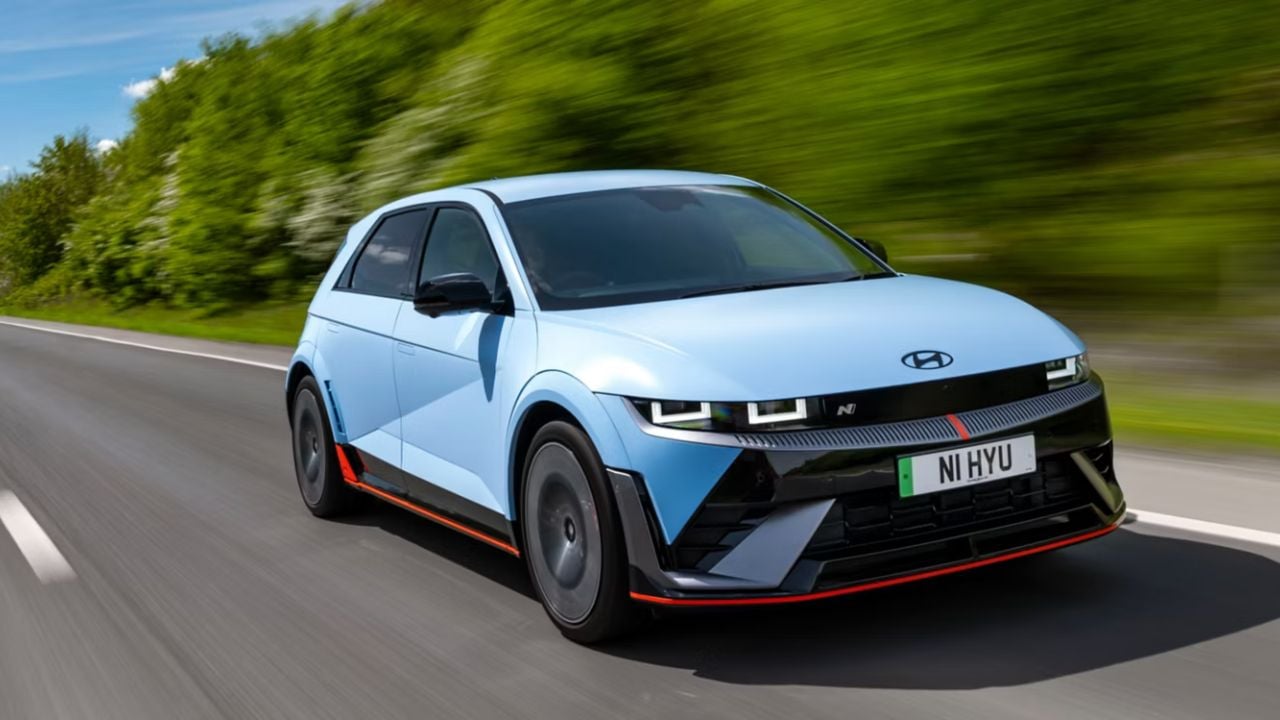
Here’s something that often gets overlooked in the practical analysis: EVs are genuinely fun to drive. That instant torque creates a responsiveness that feels almost telepathic, you think “go” and you’re already going.
The low center of gravity (thanks to floor-mounted batteries) makes even family-oriented EVs handle surprisingly well through corners. The quiet cabin means you can actually hear your music or have conversations without shouting, and features like one-pedal driving become second nature quickly. Many EV owners report that driving just feels more enjoyable and less fatiguing, especially in stop-and-go traffic. If you’re someone who views driving as a chore to be endured, an EV might not change that fundamentally, but if you appreciate the experience of driving itself, the EV personality might surprise you.
Test driving is absolutely essential here because the experience is different enough that you really need to feel it yourself.
Conclusion

So, is an EV worth it for you? If you’ve got predictable daily driving under 100 miles, home charging capability, and can navigate the upfront cost with available discounts and local incentives where applicable, you’re looking at a strong case for electric. The sweet spot right now is probably suburban or urban drivers with garages, moderate-to-long commutes, and plans to keep their vehicle for several years.
However, if you’re an apartment dweller without charging access, frequently drive 300+ miles in a day, or live in an area with sparse charging infrastructure, the timing might not be quite right yet, though it’s getting closer every year.
The beauty of this moment is that you have options: the EV market is maturing rapidly, with more models at more price points than ever before. Take your time, test drive a few different models, crunch your specific numbers, and trust your gut about whether the experience resonates with your lifestyle and driving preferences