A laptop-friendly destination can still be a dud once the meetings end. The better formula is simpler: easy arrivals, dependable infrastructure, and enough character to make an extra night feel justified. Using CoworkingCafe’s 2025 remote-work research and related 2025 coworking-market reporting as a starting point, then checking official tourism and airport sources, these six American standouts rise above the usual corporate beige.
Some earn their spot with fast links from the terminal to downtown. Others win through trails, music rooms, waterfront streets, or neighborhoods that are actually fun to roam after 5 p.m. Together, they make a strong case that a work trip does not need to feel like fluorescent punishment with a room key.
1. Atlanta, Georgia

Atlanta lands at the top of CoworkingCafe’s latest national ranking, helped by a 26% remote workforce and 119 coworking spaces across the metro. Hartsfield-Jackson says 80% of the U.S. population sits within a two-hour flight and that ATL offers nonstop service to more than 160 domestic and 80 international destinations. For travelers trying to stretch one booking into something larger, that reach is ridiculous in the best way.
Once the laptop shuts, the Atlanta BeltLine becomes the city’s secret weapon, with a 22-mile loop connecting 45 neighborhoods. Trails, parks, breweries, restaurants, public art, and local businesses give Atlanta a rare balance: giant-hub convenience without the soul of a layover.
2. Austin, Texas
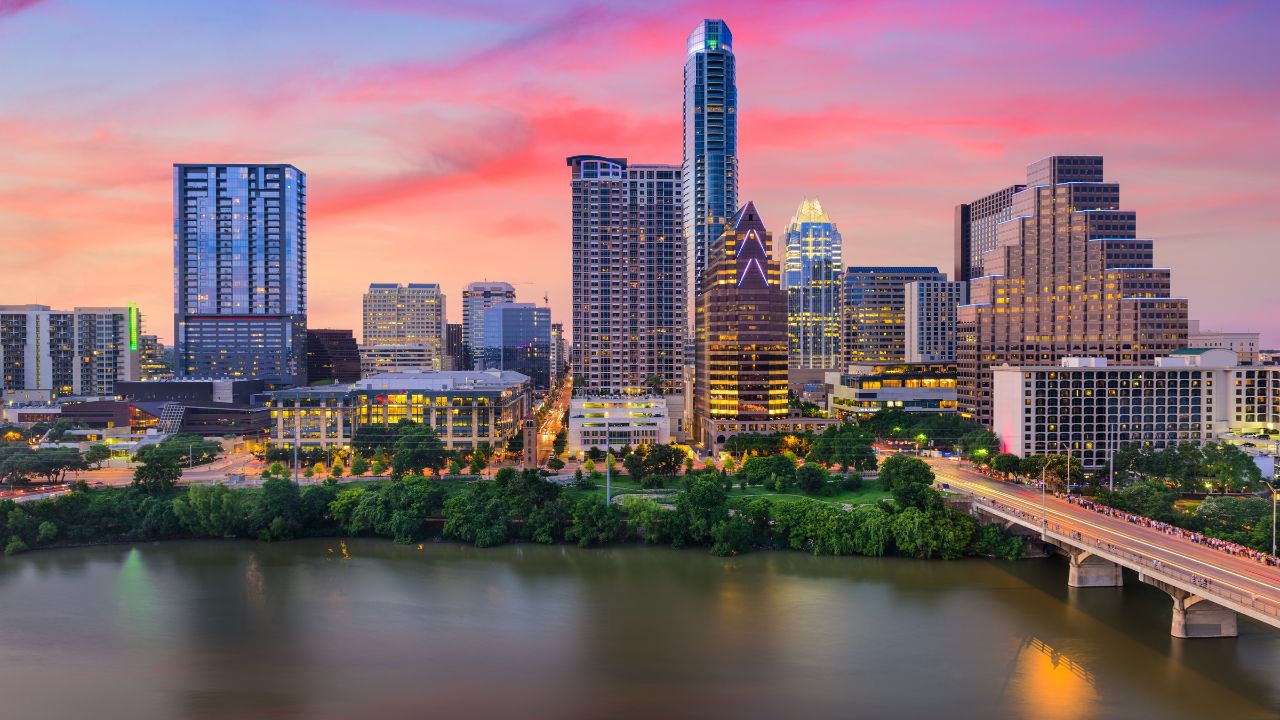
Austin makes sense for people who want serious work infrastructure without surrendering the fun part of travel. CoworkingCafe reported in December 2025 that the city added 19 coworking spaces, bringing the total to 77, while its local pool of remote and hybrid workers grew to nearly 157,000. Austin-Bergstrom’s official route list also shows a broad nonstop network, including both London Heathrow and Amsterdam.
After business hours, the mood changes fast. Austin’s visitor site still leads with its Live Music Capital of the World identity, while the city says the Barton Creek Greenbelt offers more than 12 miles of trails, swimming holes, biking routes, and limestone cliffs. Few destinations let you finish calls, grab tacos, hear a guitar somewhere nearby, and end the evening beside water without making it all feel staged.
3. Boulder, Colorado

Boulder ranked third in CoworkingCafe’s study, backed by a 30% remote workforce, 20 coworking spots, and standout connectivity. Official visitor guidance says Denver International Airport is the closest major airport and about a 45-minute drive from Boulder, while public buses from DEN to Boulder cost $10 one way. That is a tidy setup for anyone who wants mountain scenery without disappearing into transit chaos.
Downtown brings its own charm. The Downtown Boulder Partnership calls Pearl Street the heart of Boulder, while Visit Boulder says Chautauqua opens access to 40 miles of hiking trails beneath the Flatirons. The result feels less like a business stop and more like a base camp with excellent coffee.
4. Denver, Colorado

Denver slips into the national top 10 with a quarter of its workforce remote and 93 coworking spaces, according to CoworkingCafe. Getting in and out is unusually painless too: VISIT DENVER says the A Line takes 37 minutes from DEN to Union Station and costs $10 each way. When the arrival process is this civilized, the whole trip starts with fewer gremlins.
The payoff comes once you step into downtown. Union Station doubles as a transit hub and a social anchor with chef-owned restaurants and bars, boutique shops, and The Crawford Hotel, while RiNo adds jazz bars, brewpubs, art galleries, studios, and thick layers of street art. Denver works well for travelers who want the Rockies within reach but still want their evenings to happen on lively streets.
5. Alexandria, Virginia

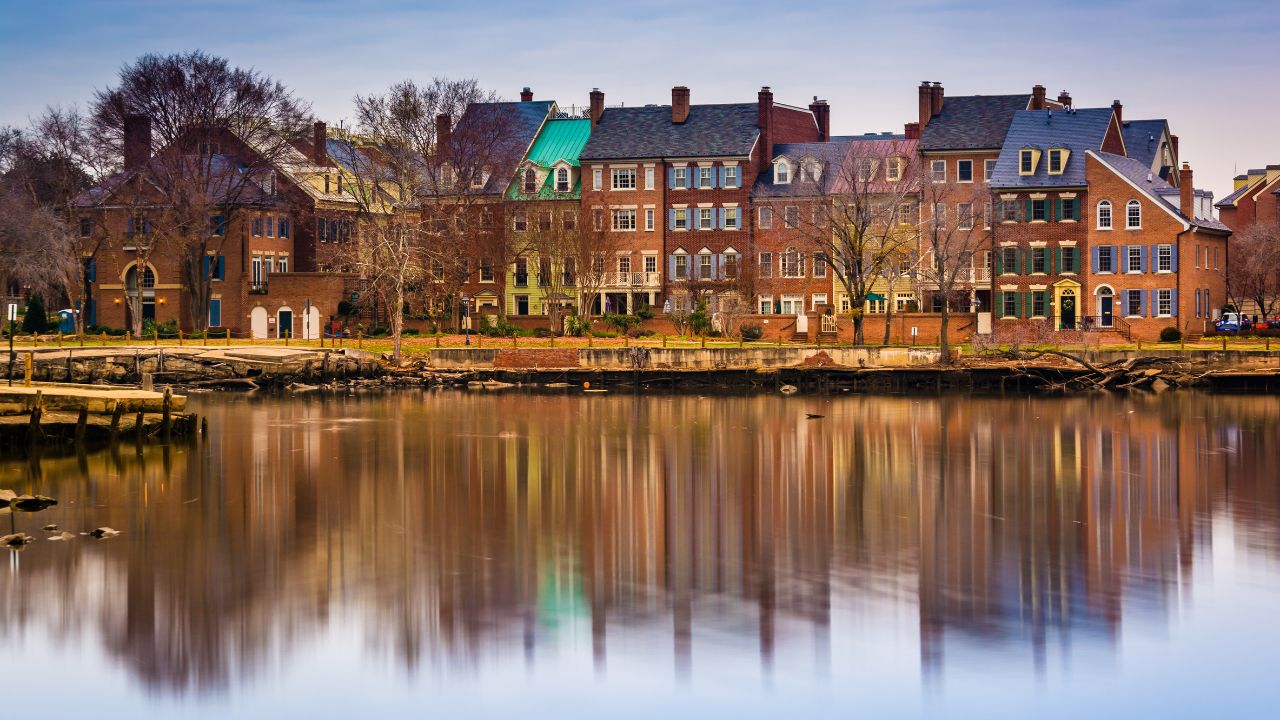
Alexandria is the quiet overachiever on this list. CoworkingCafe placed it ninth overall for remote workers, pairing strong earning power with a healthy concentration of shared offices near Washington, D.C. For travelers who like history without giving up connectivity, that is a polished compromise.
Old Town is where the place really earns affection. Visit Alexandria says the city was founded in 1749 and that Old Town’s King Street mile holds more than 200 independent restaurants and boutiques, while the free King Street trolley runs every 15 minutes between the Metro and Market Square. Add the waterfront and the centuries-old street grid, and you get a destination built for post-work wandering.
6. Miami, Florida
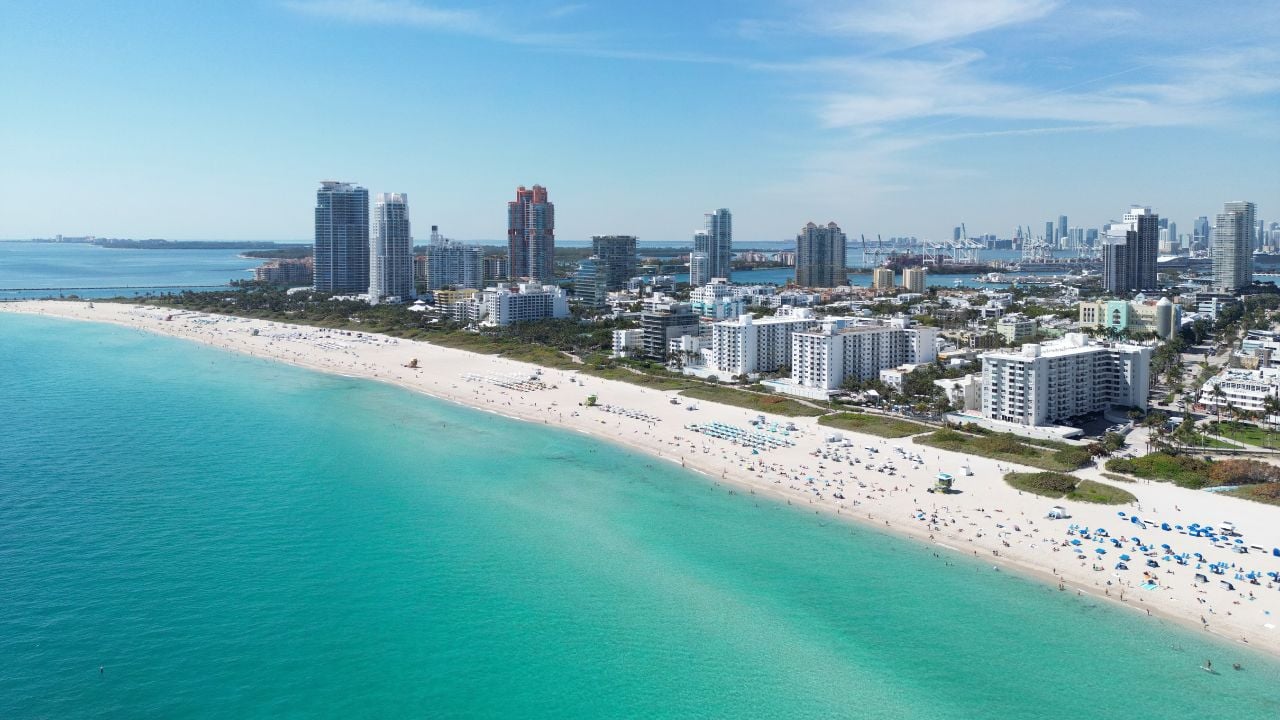
Miami is less about hushed focus and more about momentum, which can be a feature if your best ideas arrive with sunlight and noise. CoworkingCafe says Miami ranks second among the country’s top coworking hubs, helped by dense flexible office supply and moderate pricing. Miami International Airport’s official site also highlights a broad nonstop destinations map, which keeps the region plugged into both domestic and international routes.
Outside working hours, the range is the whole trick. Greater Miami’s official visitor site describes South Beach as an eclectic mix of dining, shopping, and galleries amid iconic Art Deco buildings, while North Beach is presented as a calmer stretch with a boardwalk, historic hotels, and distinctive MiMo architecture. That split personality is part of the appeal: one evening can be electric, the next can be breezy and oddly serene.