
The Consumer Electronics Show (CES) is arguably the biggest technology showcase of the year, and at the 2026 event, music icon turned tech entrepreneur will.i.am released something with the potential to be one of the most talked-about mobility concepts in recent memory.
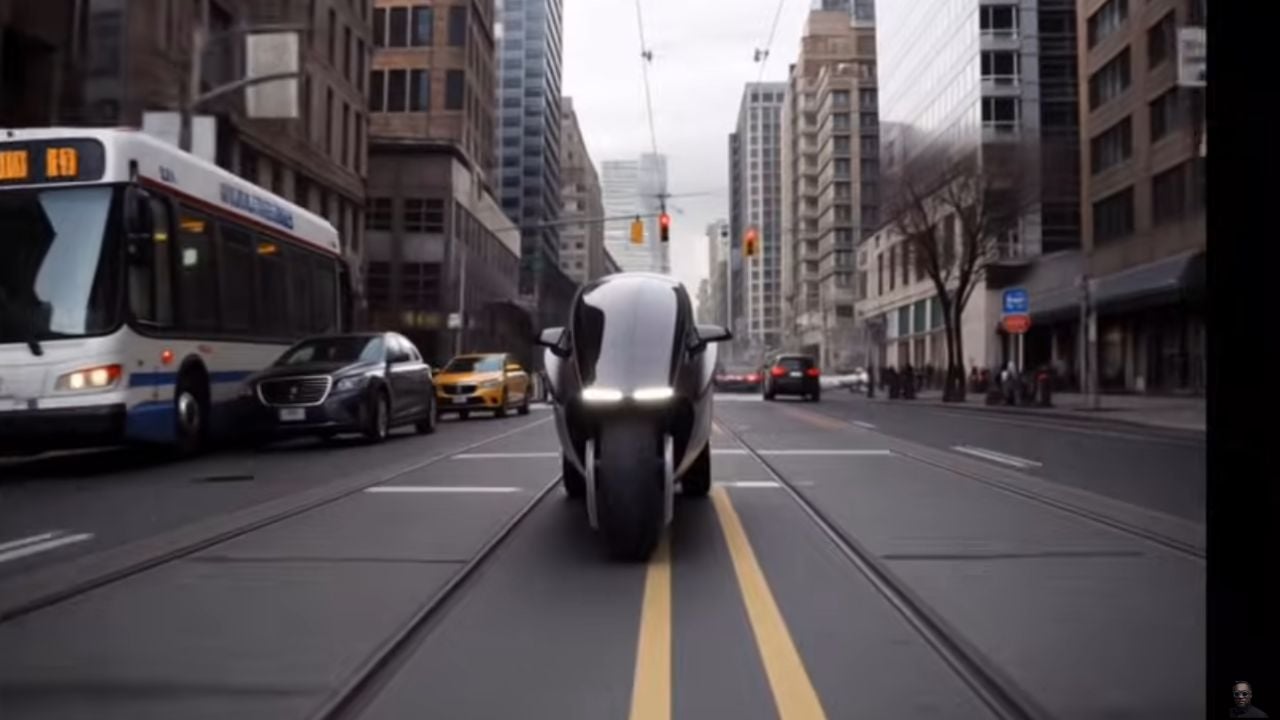
The automobile, called Trinity, is a single-person, electric micromobility machine that immediately reminds you of the award-winning, fully enclosed electric motorcycle launched in mid-2000s as the Peraves Monotracer.
will.i.am’s Trinity blends high-performance engineering with artificial intelligence built to interact with its driver in entirely new ways.
A New Kind of Vehicle Makes Its Debut
View this post on Instagram
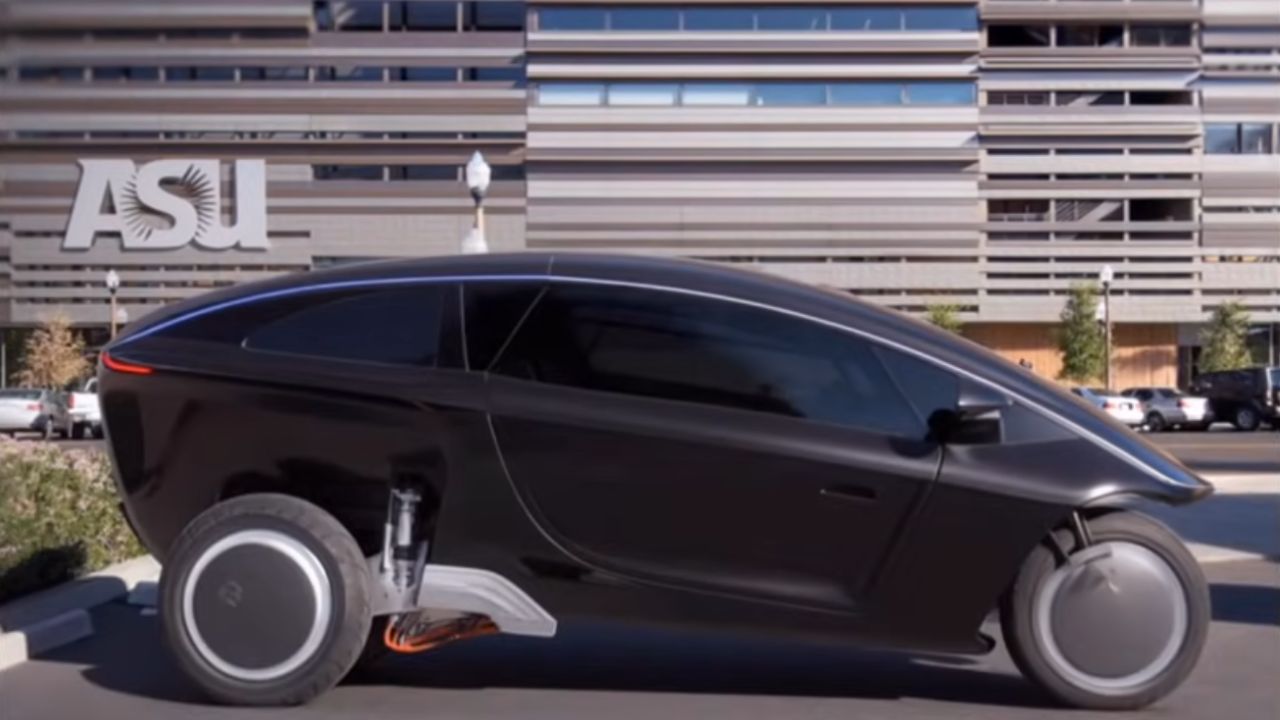
The Trinity made its debut inside NVIDIA’s showcase during the mega-tech event. Like the Peraves, Trinity is a three-wheeled EV that’s not quite a car, motorcycle, or scooter, defying those definitions by combining elements of all three. The form factor places two driven wheels at the back and a single self-tilting wheel up front, giving the design both stability and agility for nimble urban movement.
The frame and mechanical architecture are the result of collaboration across several cutting-edge partners. DEKA Research & Development, the company founded by Segway inventor Dean Kamen, supplied the self-tilting balancing system.
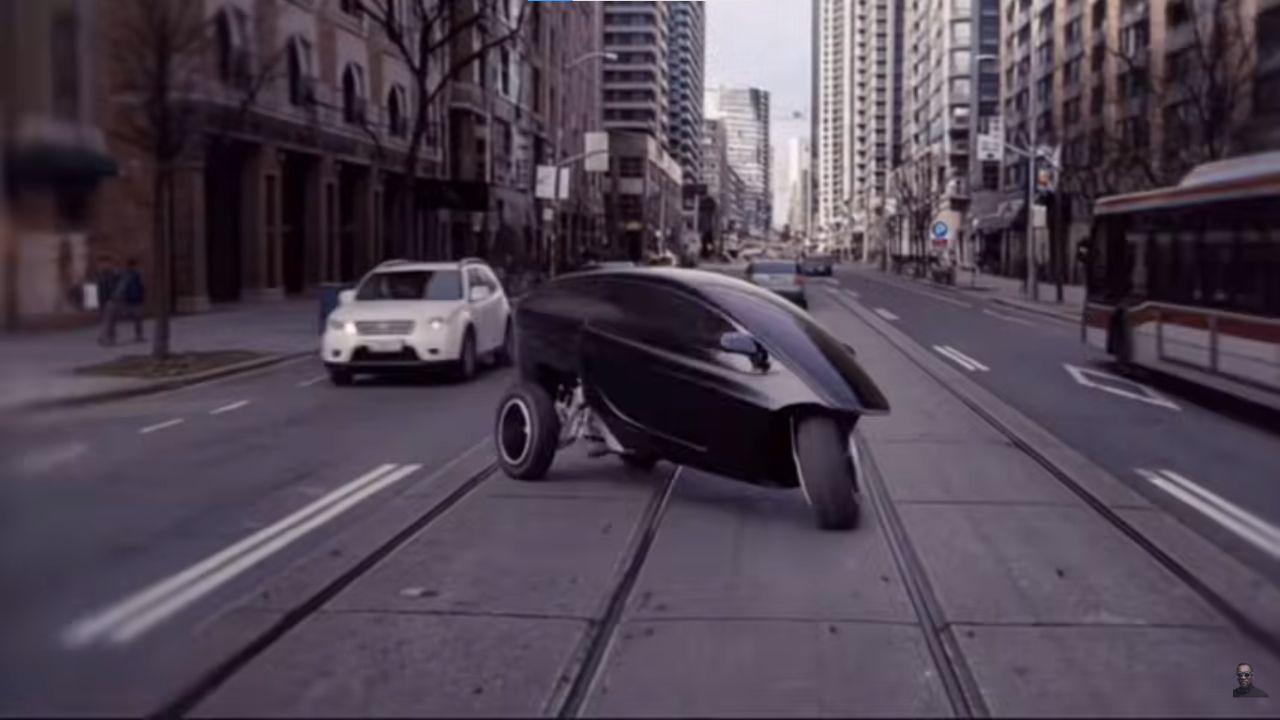
West Coast Customs, the Southern California design house known for wild custom builds and automotive craftsmanship, was enlisted to help craft the exterior and interior visual language.
But what truly sets Trinity apart is what will.i.am calls its “Agentic AI.” Powered by NVIDIA’s DGX Spark platform, this onboard AI isn’t about autonomy but about the less challenging function of an intelligent, conversational assistant designed to help the driver manage life on the move.
The system can take voice commands, handle communications, track errands and scheduling, and respond to questions about the vehicle’s surroundings in real time.
A “Brain on Wheels” with Ambitious Specs
However, Trinity’s Agentic AI’s level of digital integration goes beyond convenience. will.i.am envisions the bike-ish vehicle as a mobile digital partner, a “brain on wheels” that actively shapes the user’s experience rather than simply responding to inputs.
From managing your calendar while navigating city traffic, to dynamically curating audio entertainment based on context, the AI promises a fully connected ride to bridge the gap between people and their digital worlds.
The performance specifications are equally ambitious. Early details shared at CES suggest the prototype is capable of quick acceleration, with a claimed 0 to 60 mph times that compete with sporty motorcycles, a power output of 300 to 400 horsepower, and a top speed around 120 mph.
The electric powertrain promises a range that makes Trinity practical for daily commuting and urban exploration, with estimates in the neighborhood of 150 miles on a single charge.
The single-seat cockpit breaks from the minimalist gadget aesthetic seen in many current EV designs by offering a weatherproof cabin, climate control, and studio-grade audio components. The narrow footprint is optimized for dense city streets without sacrificing a sense of cruiser comfort.
Innovation or Tech Excess?
But why build this? The answer is that Trinity is arguably a textbook case of tech excess masquerading as innovation. Would we be wrong to class the “Agentic AI” as a glorified voice assistant that manages calendars and playlists? Aren’t these functions already handled seamlessly by smartphones? Do you really need your bike to write your to-do list and sort your music collection?
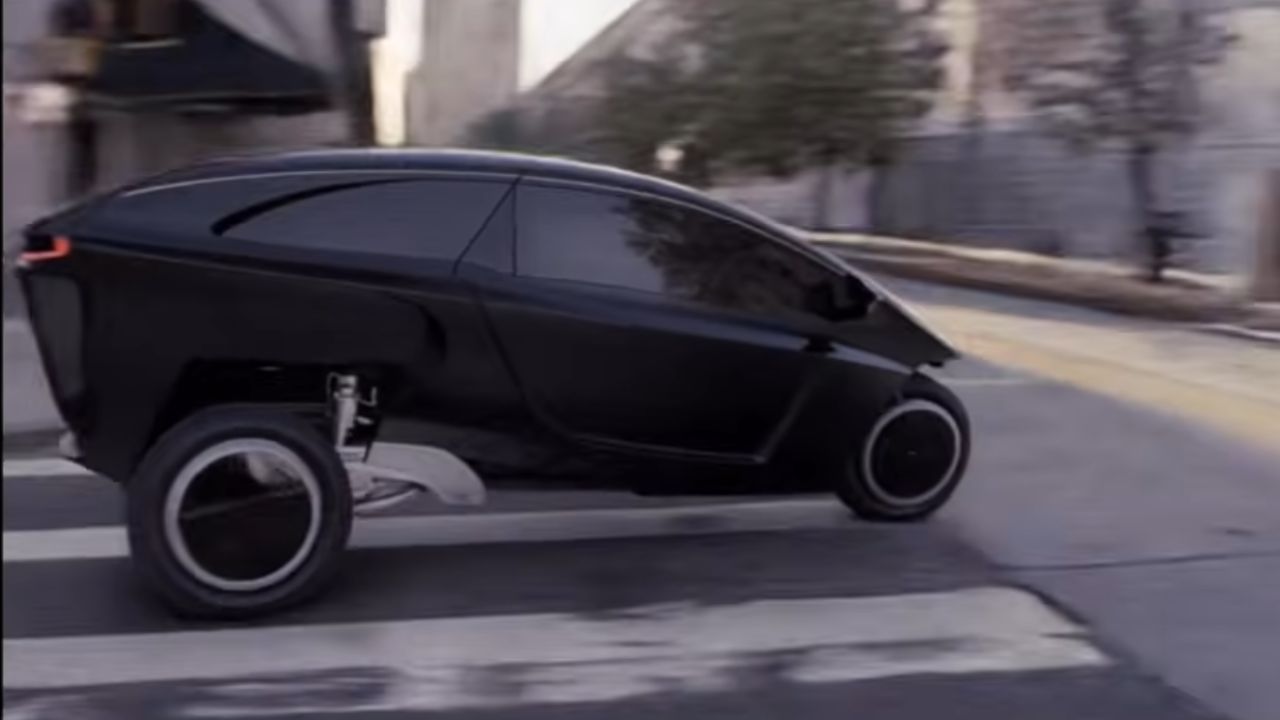
And that self‑tilting wheel system, courtesy of Dean Kamen’s DEKA? It only adds mechanical complexity to solve a problem that traditional three‑wheelers already manage with simpler engineering. West Coast Customs’ flashy design language ensures it looks more like a concept car than a practical commuter tool.
Like the Pervaes, you already know you’d never hear about the Trinity unless we wrote about it—because you won’t be seeing a handful of them doing grocery runs. The performance specs — motorcycle‑like acceleration and a 120mph top speed — are absurd for a single‑seat urban runabout, where traffic and safety regulations make such speed irrelevant.
Even the weatherproof cabin and studio‑grade audio system are indulgences clearly meant to turn a supposed micromobility solution into a luxury pod.
That said, Trinity isn’t pretending to solve mobility challenges; it’s selling a premium lifestyle gadget to those who crave exclusivity. The twist? The bike is surprisingly affordable. It does have a subtle message that resonate strongly with us: The dawn of AI shouldn’t mean the obsoletion of the human driver. Trinity’s focus is on man-and-machine connection, sort of.
will.i.am described his motivations for pursuing this project as part of a broader vision for sustainable urban mobility and community empowerment.
By launching the project through a Kickstarter campaign, he hopes to engage early adopters and generate grassroots support, with a limited run of the first 500 units planned and deliveries targeted for August 2027. The projected retail price is expected to be below $30,000, making Trinity competitive with many existing micromobility options.
A Human-Machine Partnership
While many industry observers have explored AI in automobiles primarily for autonomous driving, Trinity seems to be saying AI shouldn’t be about replacing the human driver, but about working alongside them, creating what will.i.am calls a co-operative human-machine dynamic that could redefine how people view personal transport.
The reaction at CES was electric. Attendees crowded around the Trinity display, drawn by its bold visuals and provocative promise of a future where vehicles become extensions of our digital lives, partners in daily tasks, and symbols of a new era in micromobility.
Sources: Hube magazine, Dezeen