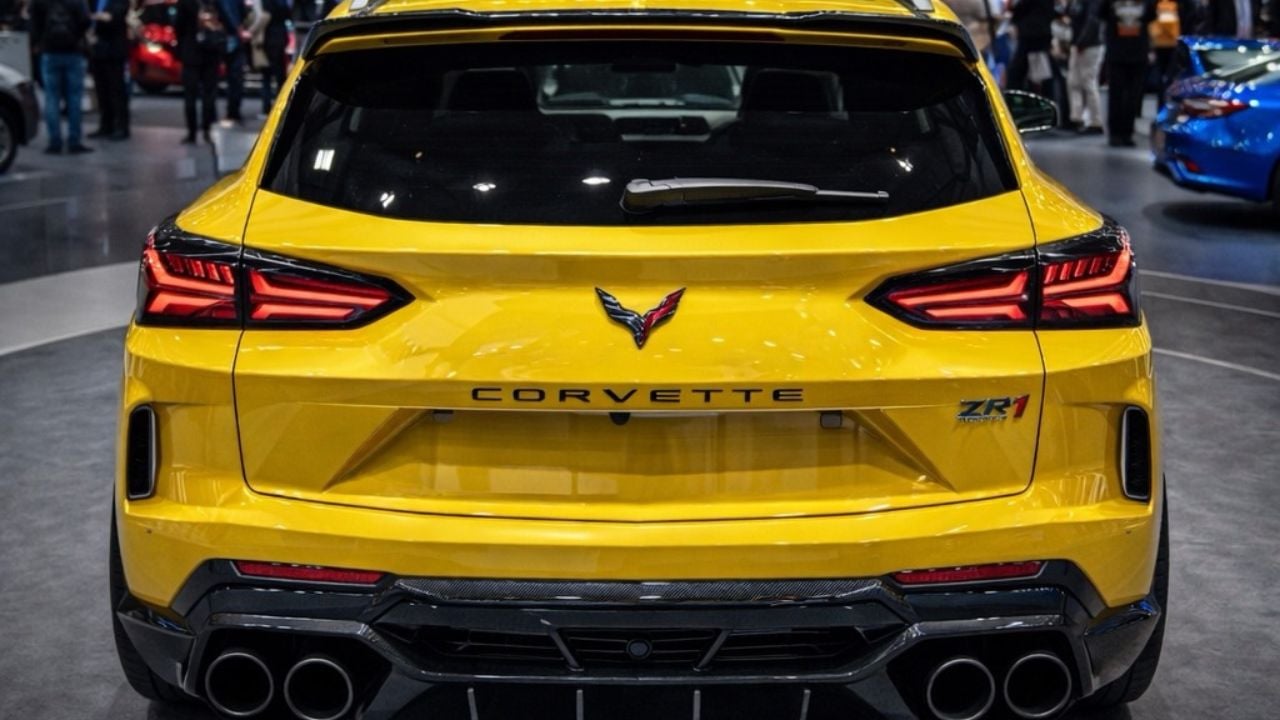

Among high-performance SUVs, the Lamborghini Urus represents the ultimate combination of supercar thrills and family-friendly utility. It’s fast, flashy, and exclusive, but it also leaves a massive, glaring gap in the market. A huge market.
For years, enthusiasts and even the not-so-enthusiastic have wondered why General Motors isn’t stepping in to fill this vacuum. A glaring vacuum. We might as well just come out and say it: Why won’t GM build the poor man’s Urus? Huh?
Their answer is predictably boring. It’s always about brand strategy, risk management, and corporate conservatism. GM, after all, has the engineering expertise, platform flexibility, and global reach to build—no—craft a high-performance SUV that could challenge the Urus in spirit — yet remain far more affordable.
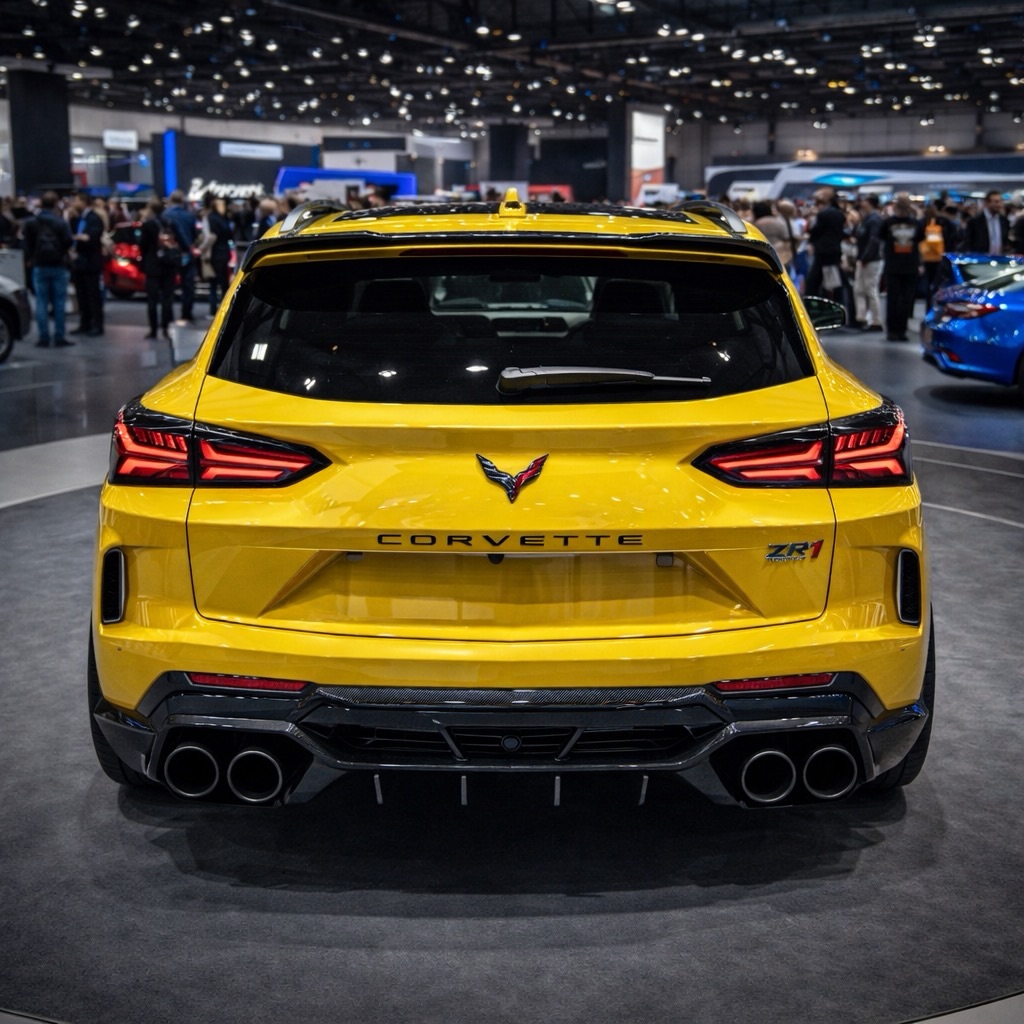
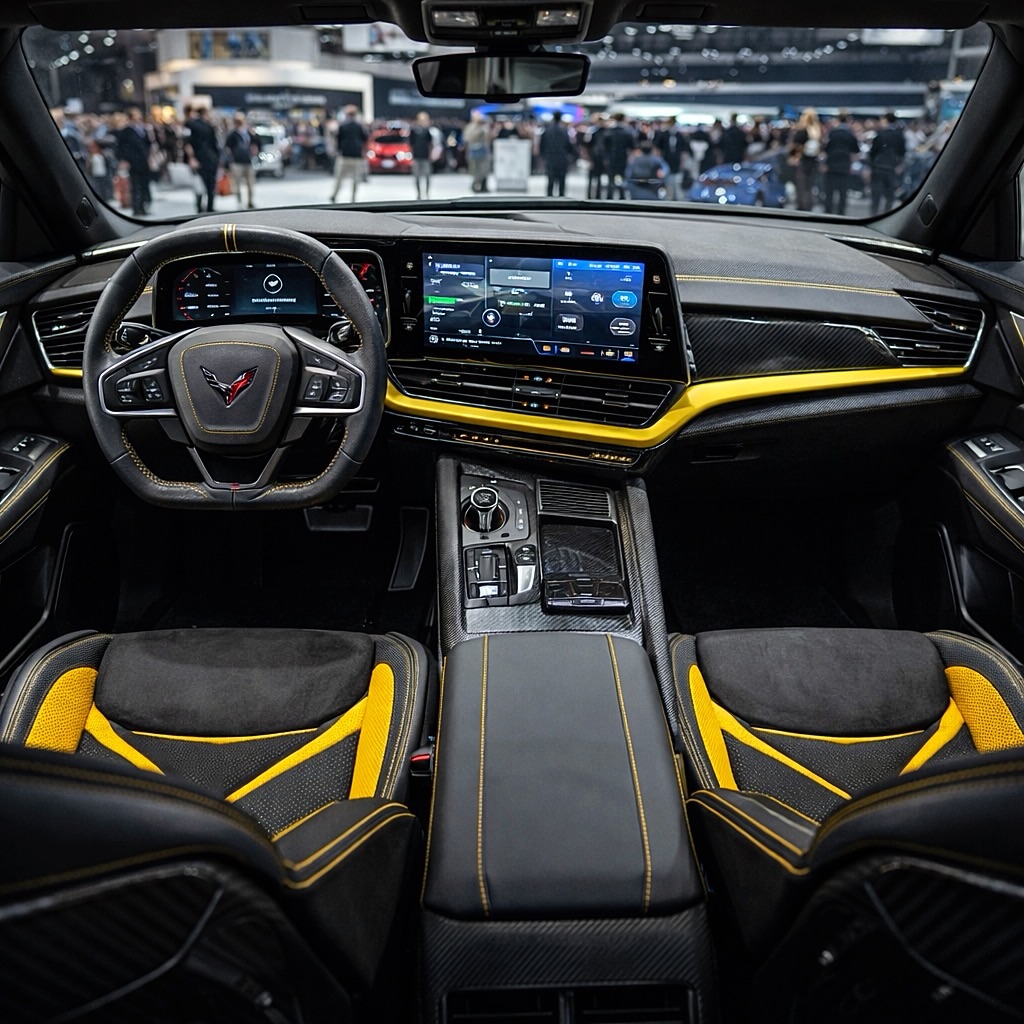
We confess we didn’t realize we had this question—which we’re darn sure we have—until we saw these sweet pictures from an artist that we unfortunately weren’t able to track down. It’s like one of those things you’re searching for without knowing exactly what you want.
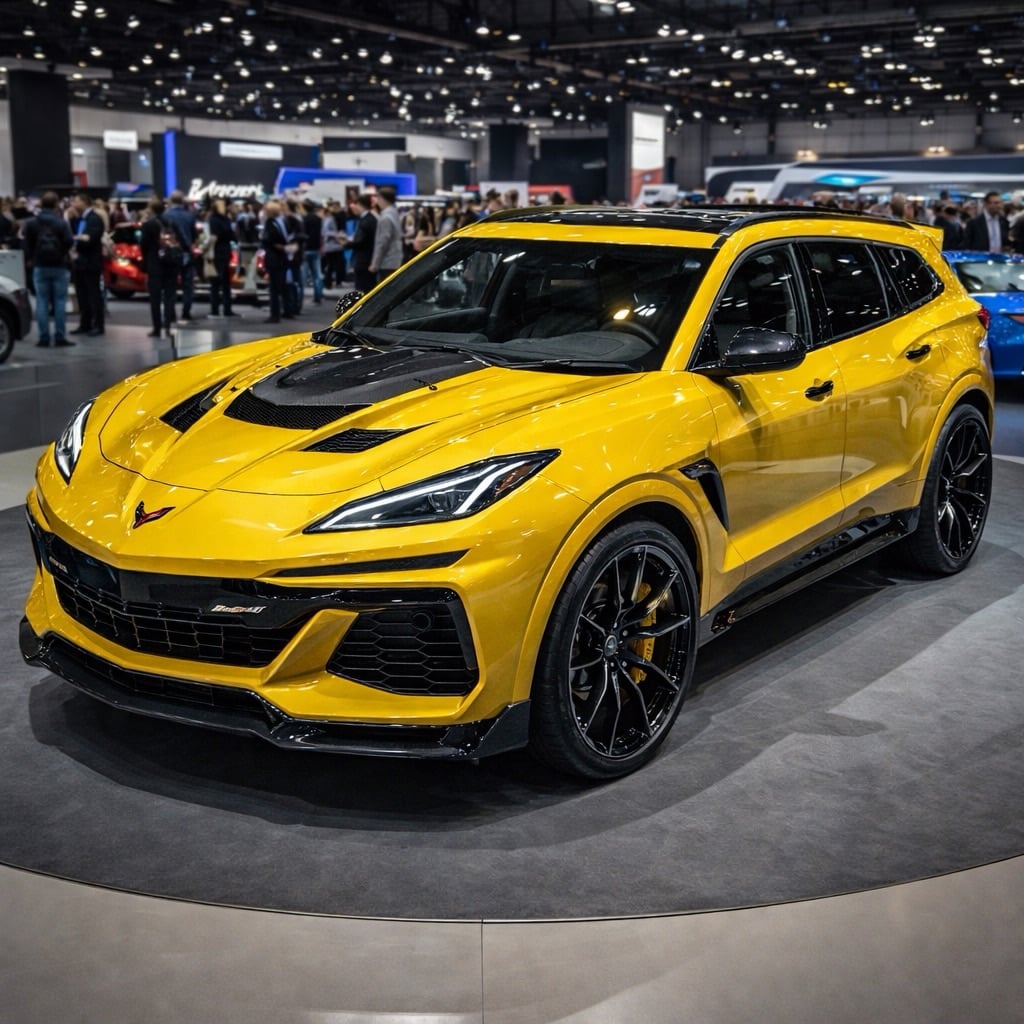
“I’ll know it when I see it”
We knew it the moment we saw these renderings. And we know you know it, too.
How Toyota Created the “Poor Man’s Ferrari”
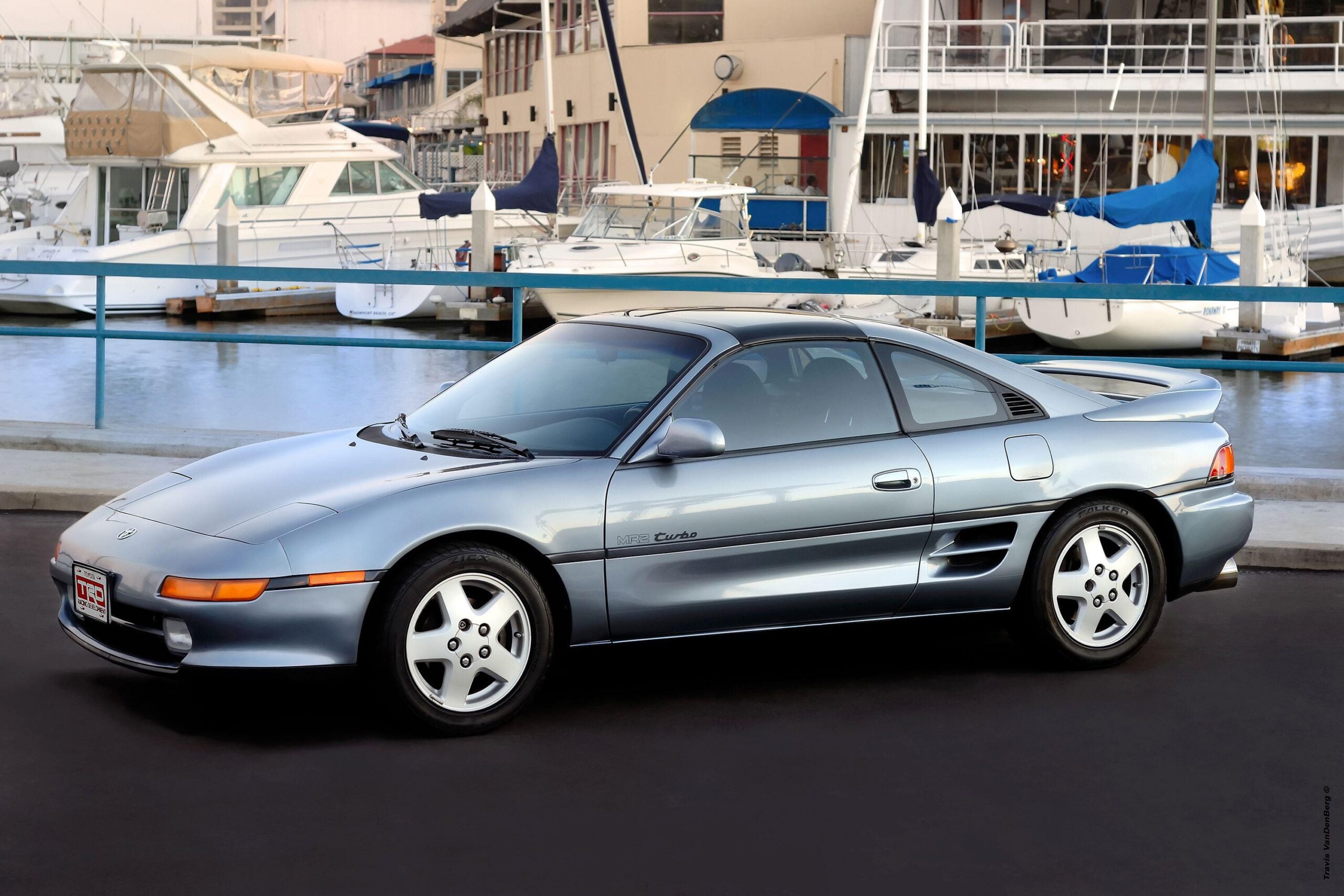
Maserati built the poor man’s Ferrari. In fact, several automakers wittingly or unwittingly built the poor man’s Ferrari, including the 1990s Toyota MR2 (SW20), Acura NSX, Pontiac Fiero, and Rover SD1.
The Toyota MR2 launched a thousand “Is that a Ferrari?” parking lot conversations.
The 2nd-gen Toyota MR2 (SW20), built from 1989 to 1999, versus the Ferrari 348; if we’re talking “poor man’s Ferrari,” this is the matchup.
The Ferrari 348 debuted in 1989 with sharp, wedge-shaped styling, pop-up headlights, side strakes, and a low, wide stance that screamed Testarossa energy in a more compact package.
That same year, Toyota rolled out the redesigned MR2 SW20.
- Mid-engine.
- Pop-up headlights.
- Side air intakes behind the doors.
- A flat, sloping nose.
- Wide rear haunches.
At 20 feet, especially in red, the resemblance was strong enough to make casual observers squint. Both cars shared that late-80s, early-90s angular supercar silhouette.
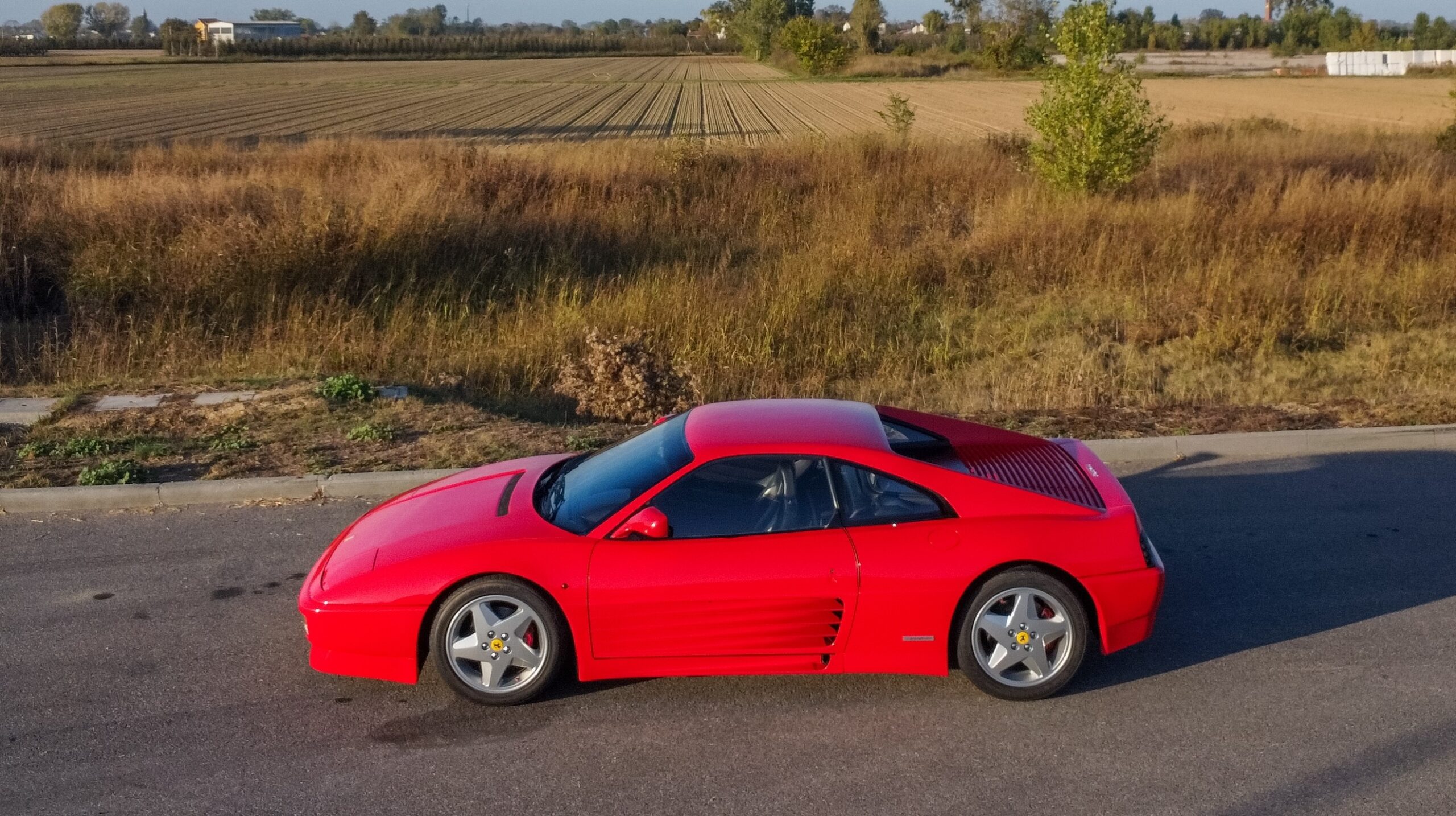
The MR2 wasn’t copying panel-for-panel, but the proportions were undeniably similar: short overhangs, cockpit-forward design, and a planted, exotic stance.
In an era before every sports car had LED eyebrows and massive grilles, that silhouette did most of the talking. And the MR2 spoke fluent Italian… with a Japanese accent, of course.
This is where the comparison gets serious.
The Ferrari 348 used a 3.4-liter naturally aspirated V8 mounted longitudinally behind the driver. It produced around 296 horsepower in early versions and drove the rear wheels through a gated manual transmission.
The MR2? Also mid-engine. Also, rear-wheel drive. Also available with a manual.
In U.S. Turbo form, the MR2 packed a 2.0-liter turbocharged inline-four pushing around 200 horsepower. That may sound modest next to the Ferrari’s V8, but context matters.
The MR2 weighed significantly less than many contemporary sports cars and delivered 0–60 mph in the mid-five-second range in Turbo trim. That was legitimately quick in the early 1990s.
More importantly, the MR2 delivered the core exotic experience: engine behind your head, power to the rear wheels, and razor-sharp balance. The sensation of rotation in corners, the feeling of the rear pushing you out of bends, the immediacy of the steering, those were not front-engine pretender traits.
That was real-deal sports car architecture.
We can talk about this all day, but this isn’t about the poor man’s Ferrari.
It’s not even about the poor man’s Lamborghini.
It’s about the poor man’s Urus.
The Business Lesson of Democratizing Performance
We took the time to replay the MR2 story because it’s a business lesson. And it ties directly into why GM should be paying very close attention to the idea of building a “poor man’s Urus.”
Back in the early 1990s, Toyota looked at the exotic car formula and said: What if we gave people the layout, the look, and most of the thrill, but stripped away the financial trauma?
The Ferrari 348 was a six-figure mid-engine Italian exotic. The MR2 SW20 delivered the same architectural magic, similar proportions, and genuinely sharp performance for roughly one quarter of the price. It did not replace the Ferrari. It did not dilute Ferrari’s brand. What it did was open the experience to an entirely different class of buyer.
That is the key.
Toyota did not need to beat Ferrari. It just needed to capture the aspirational buyer who wanted that experience but could not justify Ferrari ownership. The MR2 was not about badge envy. It was about access.
Now fast forward to today.
The Lamborghini Urus has become the modern automotive flex machine. Twin-turbo V8. Supercar acceleration. Aggressive stance. Price tag easily north of $230,000 once options are factored in. It is wildly profitable for Lamborghini and perpetually in demand.
But just like Ferrari in the 1990s, Lamborghini is playing at the very top of the pyramid.
And beneath that pyramid is a massive, hungry audience. And honestly, we didn’t realize how hungry we were until this artist showed us.
GM Holds the Keys to an Untapped Goldmine
And this is where GM comes in.
General Motors has the hardware. The company builds the Corvette, a world-class performance car that already undercuts European exotics. It has high-output V8 engines. It has performance SUV experience through Cadillac’s V-Series lineup. It has scalable platforms.
What it lacks is the willingness to combine those ingredients into something that mirrors what the MR2 represented.
Imagine a Corvette-influenced performance SUV. Wait, you don’t need imagination: Just look at these pictures. Wide stance. Aggressive aerodynamics. 600-plus horsepower. Rear-biased all-wheel drive. A price somewhere between $85,000 and $110,000. I know, I know; we’re just being realistic here. Not cheap, but dramatically less than a Urus.
It would not steal Urus buyers who crave the Lamborghini badge. Just like the MR2 did not steal diehard Ferrari loyalists. But it would absolutely capture the aspirational enthusiast who wants the performance, the presence, and the everyday usability without committing to supercar economics. I’d definitely save for it, even if I have to put money away for five sweat-drenched years.
The MR2 proved that you can democratize an experience without destroying its mystique. Ferrari continued to thrive. In fact, the presence of more attainable mid-engine sports cars arguably expanded interest in the segment as a whole. More people got hooked on the idea of mid-engine dynamics.
GM has an opportunity to do the same thing in the performance SUV space.
A Heartfelt Plea
Right now, the Urus dominates the conversation about high-performance luxury SUVs. But the segment has room below it. Plenty of room. People are already unloading $90,000 to $120,000 on performance crossovers from Porsche, BMW, and Mercedes-AMG. The appetite is there for sure. The money is there, too, obviously.
What is missing is a distinctly American answer that leans into boldness and value the way the MR2 once did. What in God’s name is GM waiting for?
The lesson from Toyota is simple. You do not have to build the king of the hill. You just have to build the smart alternative.
In the 1990s, that smart alternative was a mid-engine Toyota that made people do double takes at traffic lights.
Today, the smart alternative could be a GM performance SUV that makes people ask, “Wait, how much does that cost?”
If Toyota could channel Ferrari vibes for a quarter of the price, there is no reason GM cannot channel Urus energy for half. The market is ready. The blueprint already exists. The only question is whether GM has the appetite to stop playing it safe and start mining its own goldmine.
Note: These renderings were sourced via AutoSpies and credited to Agent001. If you are the original creator of the images, please don’t hesitate to reach out so we can provide proper attribution. The YouTube videos are the works of separate creative minds.