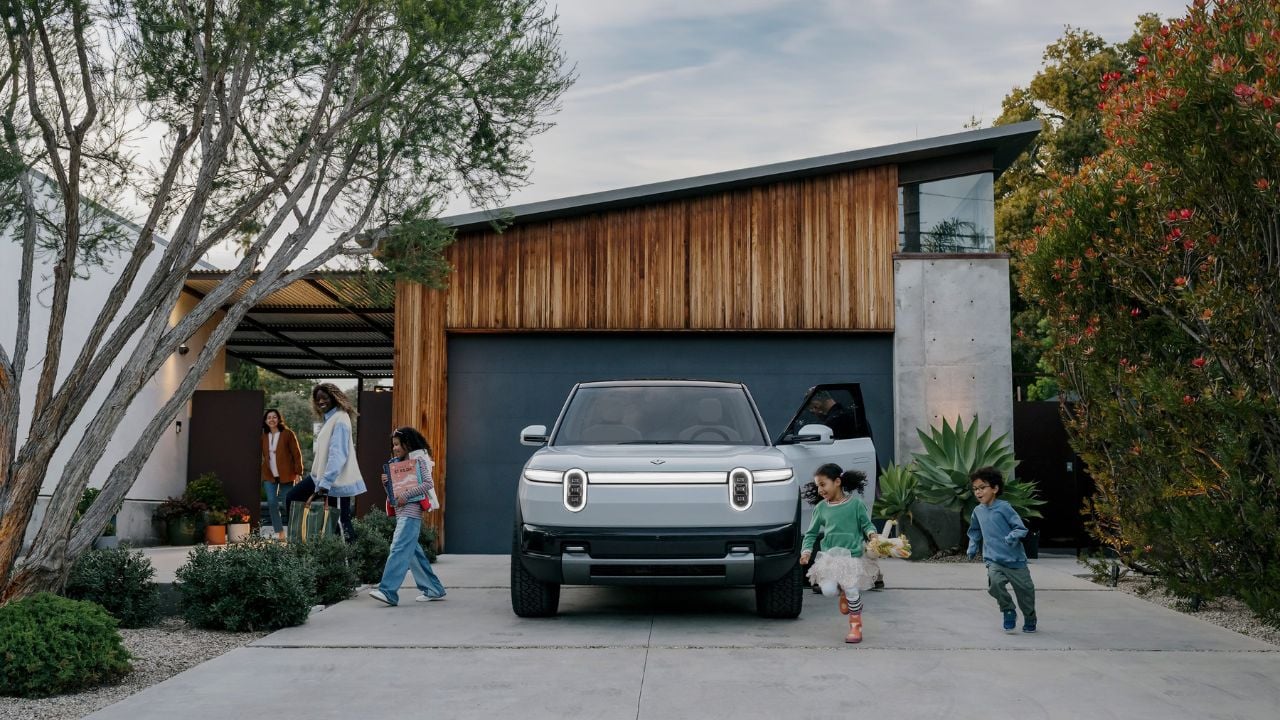
The Rivian R2 matters because it is the first Rivian that feels aimed at real volume instead of admiration from a distance. The R1T and R1S proved the company could build something distinctive, capable, and desirable. The R2 has a harder job. It has to turn that identity into something more attainable without flattening the brand in the process. That is why this vehicle feels so important. It is not just another electric SUV announcement.
It is the moment Rivian tries to translate its outdoorsy, tech heavy, adventure focused image into a package that more buyers can actually reach. Rivian now says the R2 rollout will begin with the R2 Performance with Launch Package at $57,990 in spring 2026, followed by the $53,990 Premium trim in late 2026, then the $48,490 Standard trim in the first half of 2027, with an additional Standard variant starting around $45,000 due in late 2027.
That clearer pricing and trim structure gives the R2 a very different shape from the one many people first imagined when it debuted. Back in 2024, Rivian talked about a starting price around $45,000 and first half 2026 deliveries. Today, the picture is more detailed and a little more expensive, but also far more concrete. We now know what the lineup looks like, how quick the top version will be, how much range each major trim is targeting, and where the car sits physically between everyday family crossover and scaled down adventure machine. That is what makes the R2 worth looking at seriously now. It has moved from promise to product.
What Matters Before You Fall for the Design
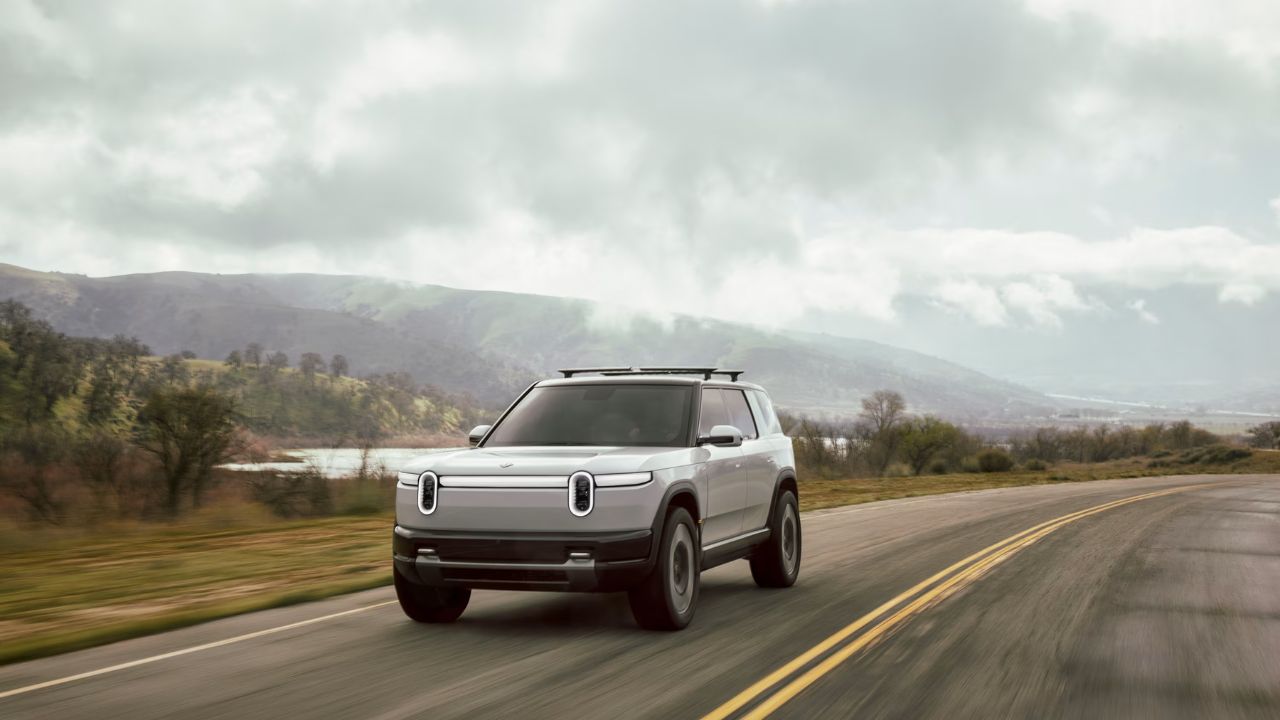
A vehicle like this can be judged too quickly in either direction. One reaction sees a smaller Rivian and assumes it is simply an R1S diet version. The other sees the lower price and assumes it must be where the compromises begin. Neither reading is very useful. The better approach is to ask a few grounded questions.
Does the R2 still feel like a Rivian in capability and personality? Has the company kept the practical details that made the R1 models feel thoughtful? Do the specs line up with what buyers now expect from a serious midsize EV? And perhaps most importantly, does this look like a vehicle that can stand on its own rather than live forever in the shadow of its bigger siblings? Rivian’s current answers are promising enough that the R2 deserves more than casual launch day excitement.
That is the lens for the ten points below. They are not just about power, range, or cargo numbers in isolation. They are about the shape of the vehicle Rivian is actually building here: part practical family EV, part brand ambassador, part volume bet, and part proof that the company can shrink its formula without losing its nerve. When a new product carries that much weight, the details matter more than usual.
1. It Is No Longer Just “The Affordable Rivian”
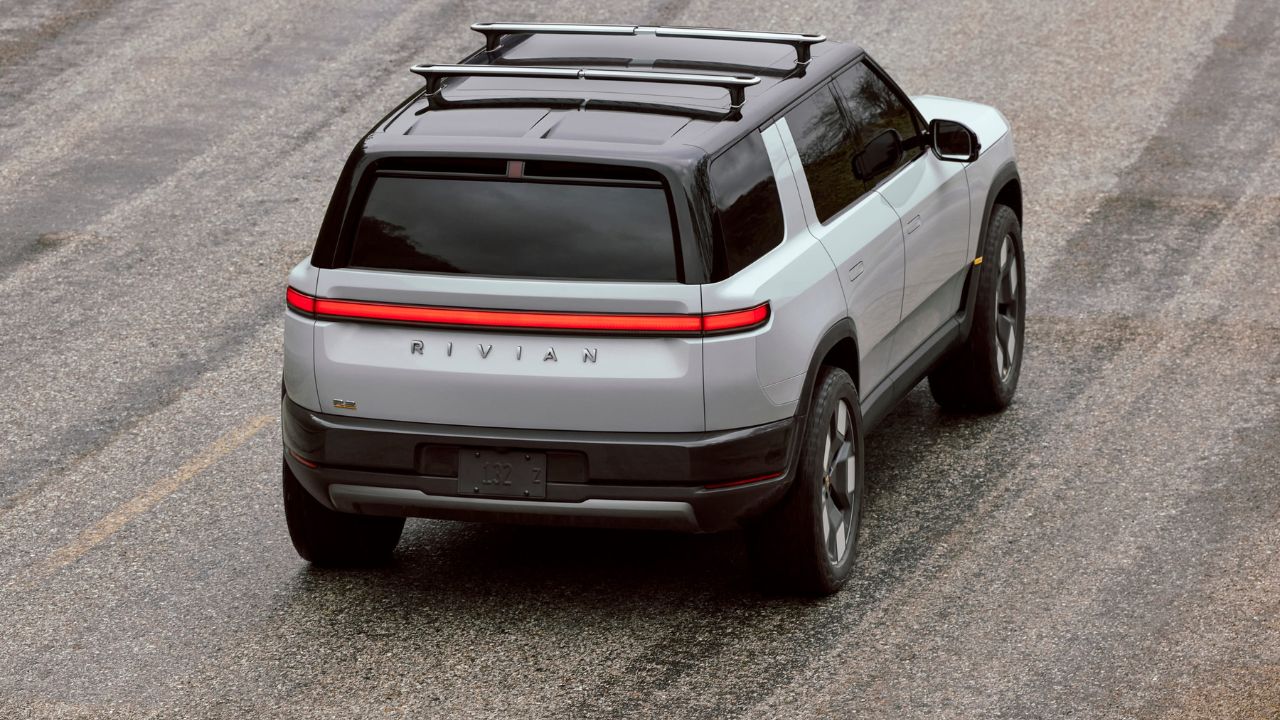
The simplest and most important thing to understand about the R2 is that it is not being sold as a stripped entry ticket into the Rivian club. Rivian has given it a proper lineup with three distinct personalities. Standard is the range focused, rear wheel drive version. Premium adds dual motor all wheel drive, more upscale cabin materials, and extra comfort features.
Performance sits at the top with more power, semi active suspension, and a more aggressive feature mix. That structure matters because it shows Rivian is treating the R2 like a full product family, not a budget side quest.
That also changes the way the vehicle should be read. The R2 is not just supposed to bring buyers into the brand. It is supposed to keep them there, with enough spread in price and equipment that buyers can choose a version that feels tailored rather than compromised. In a crowded EV market, that is a much smarter strategy than betting everything on one spec and hoping it somehow satisfies everyone.
2. The Performance Numbers Are Stronger Than Many Expected
If you still think of the R2 as the “smaller Rivian,” the Performance trim is likely to reset that impression in a hurry. Rivian says the R2 Performance will make 656 horsepower, 609 lb ft of torque, and hit 60 mph in 3.6 seconds.
That is not warm crossover territory. That is serious pace by any standard, especially in a vehicle with genuine everyday usefulness. The Premium trim steps down to 450 horsepower and a 4.6 second run to 60 mph, while the Standard trim still offers 350 horsepower and a quoted 5.9 second sprint.
Those figures tell you a lot about the R2’s intended character. Rivian did not use the lower price point as an excuse to make the car feel timid. Even the least expensive long range version sounds healthy, and the top trim is fast enough to compete with vehicles that wear much louder performance identities. That choice feels very on brand. Rivian has always liked the idea that capability should include speed, not merely ground clearance and tow ratings.
3. Range Looks Competitive, Not Heroic, Which May Be the Right Call
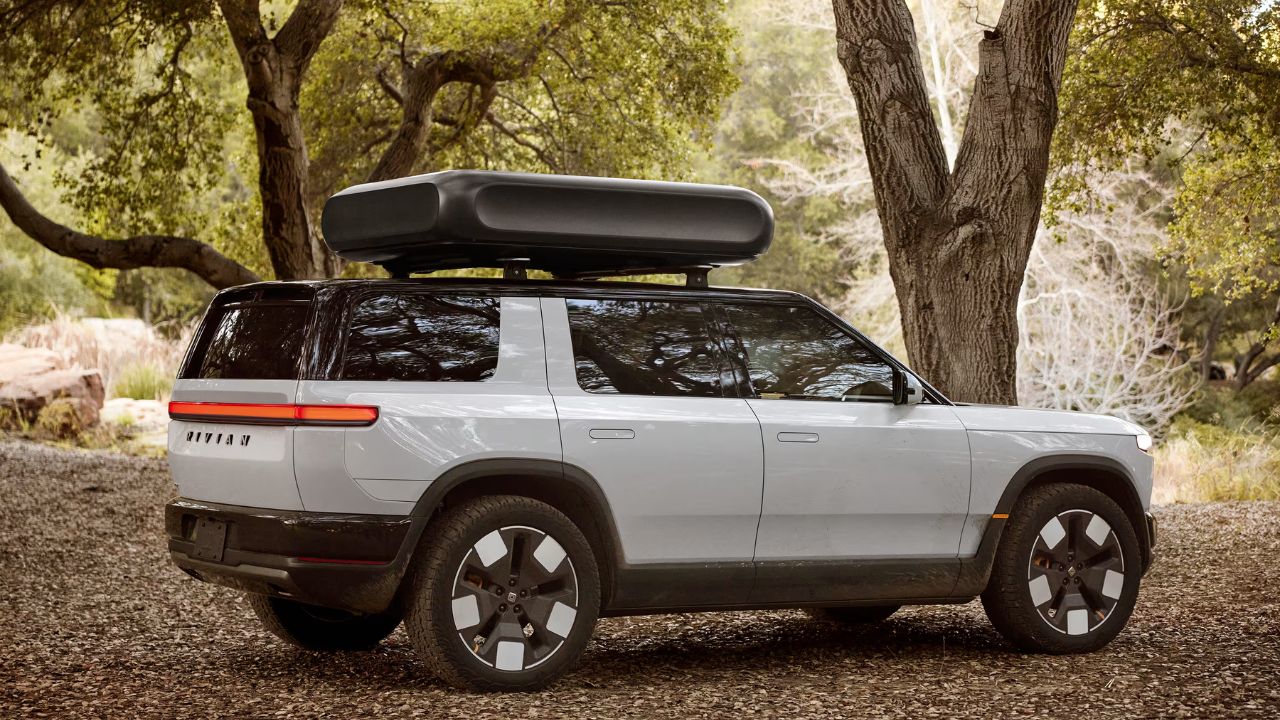
There is no 500 mile headline here, and that is probably a good thing. Rivian is aiming for more believable, more usable numbers. The Standard long range R2 is quoted at up to 345 miles, while Premium and Performance are both listed at up to 330 miles. Rivian notes that the Standard figure is an estimate and the Premium and Performance figures are EPA estimated. That spread suggests the company is trying to protect the everyday credibility of the lineup instead of chasing one giant number with an overly expensive battery pack.
That is the smarter road for a vehicle in this class. Buyers in this part of the market want enough range to travel without anxiety, but they also want price discipline and reasonable packaging. The R2’s numbers look like they were chosen by people who understand that balance. They are not shocking, but they do land in the middle of the market where this vehicle needs to compete.
4. Charging Could Be One of Its Biggest Selling Points
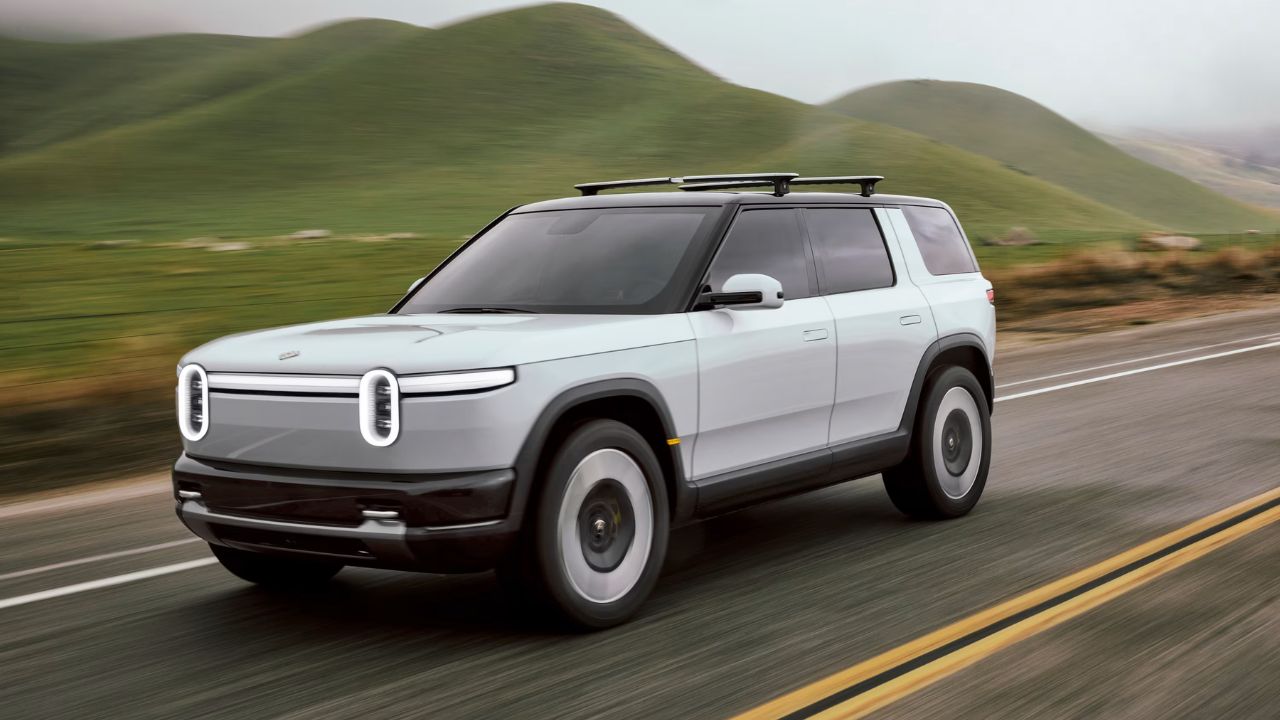
Every R2 gets a NACS charge port, which Rivian says opens access to over 21,000 Tesla Superchargers across the U.S. and Canada. The company also says the vehicle can add 150 miles in 15 minutes and go from 10% to 80% in under 30 minutes on a DC fast charger under optimal conditions. In practical ownership terms, that could matter just as much as horsepower.
This is one of those details that can quietly decide whether an EV feels easy or annoying over time. Charging access is not glamorous, but it shapes daily life and road trip planning far more than most launch event features. Rivian seems to understand that. By putting NACS at the center of the R2 pitch, it is giving buyers one less thing to worry about, and that is exactly the sort of maturity a mass market Rivian needed.
5. It Is Smaller Than an r1s, but Not Small in the Ways That Matter
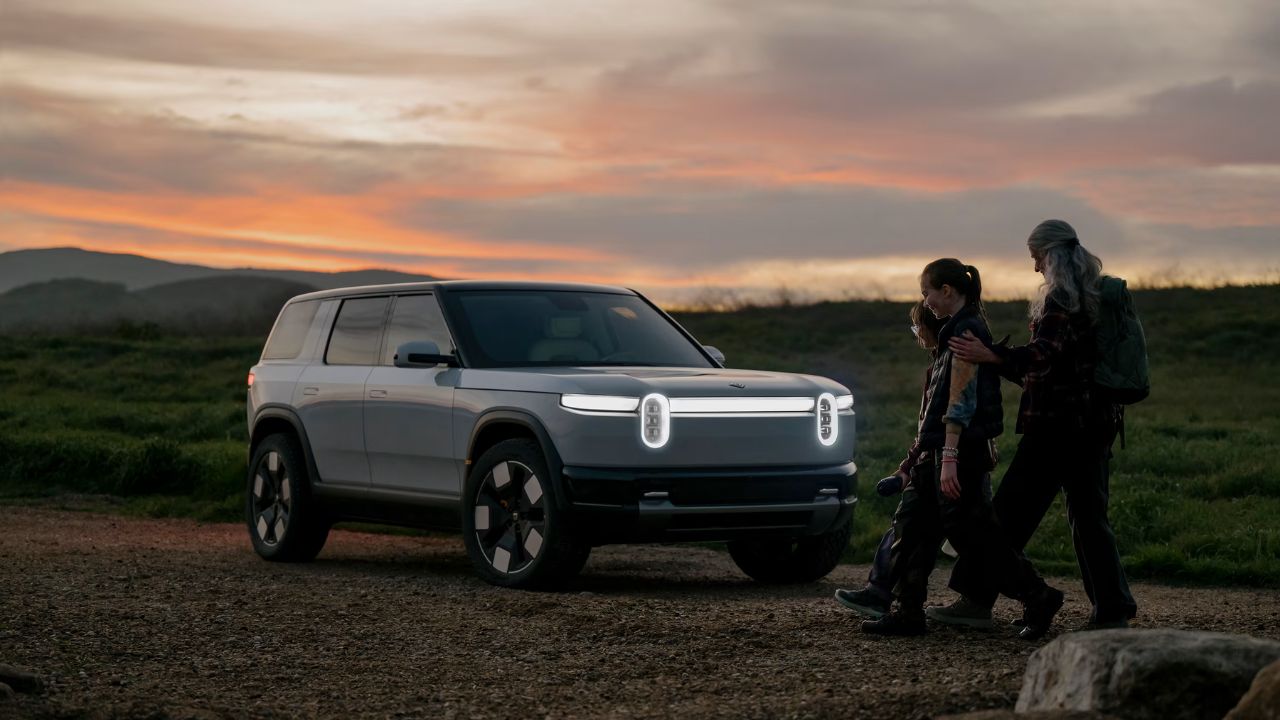
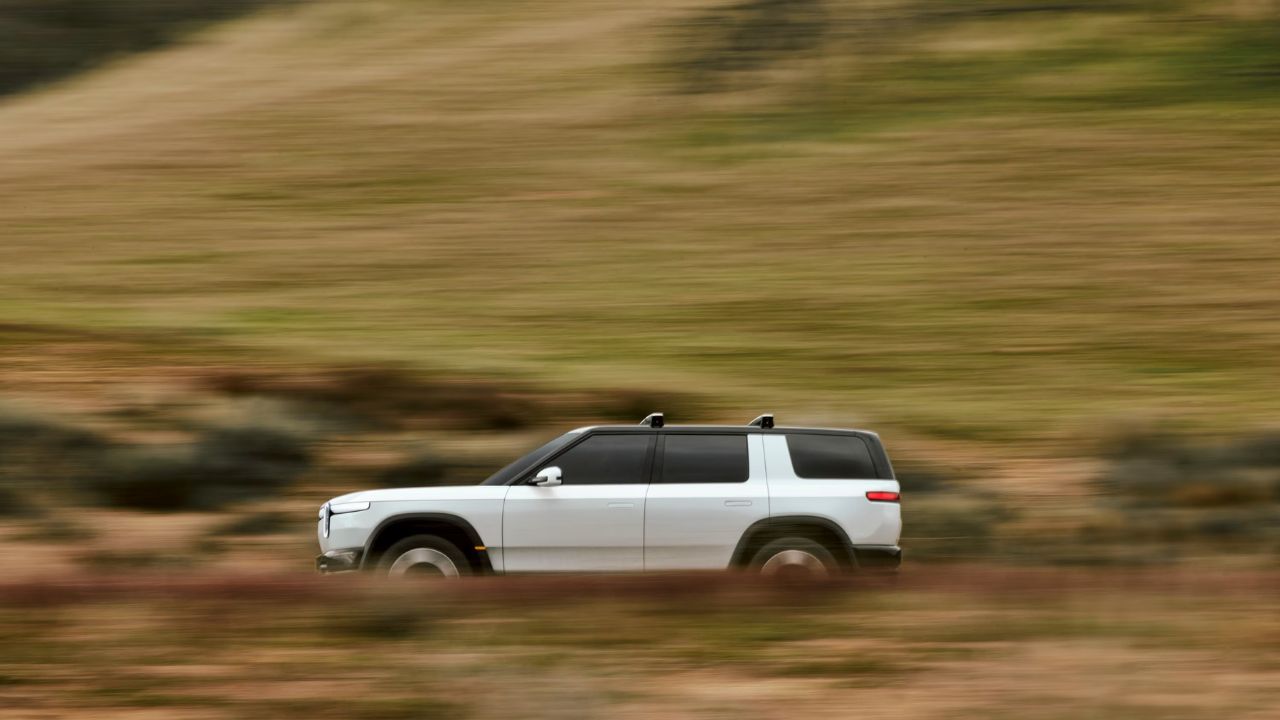
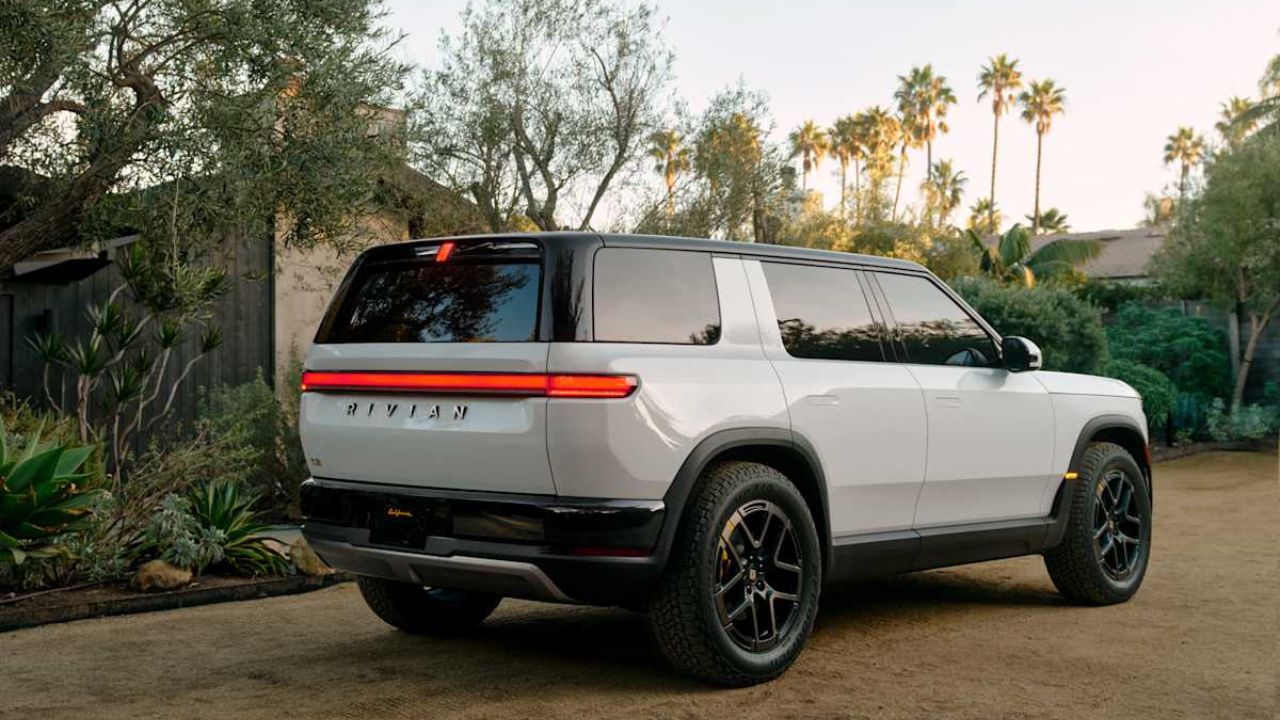
The R2 is sized to feel more approachable without falling into compact crossover claustrophobia. Rivian lists it at 185.9 inches long, 78.1 inches wide with the mirrors folded, 66.9 inches tall, and on a 115.6 inch wheelbase. That puts it meaningfully below the R1S in footprint, but the packaging still looks generous. Rivian says total storage reaches 90.1 cubic feet, with 79.4 cubic feet behind the front seats and 28.7 cubic feet behind the second row. First row legroom is listed at 41.4 inches, and second row legroom at 40.4 inches.
Those numbers help explain why the R2 feels like a volume play rather than a niche experiment. It is short enough to live with more easily in cities and suburbs, but it still offers the sort of interior room buyers expect when they are spending close to $50,000 or more on an EV. That balance is going to be critical. Too big and it would start stepping on the R1S. Too small and it would stop feeling like a Rivian. On paper, at least, the company seems to have found the right middle ground.
6. Rivian Kept the Clever Utility Details
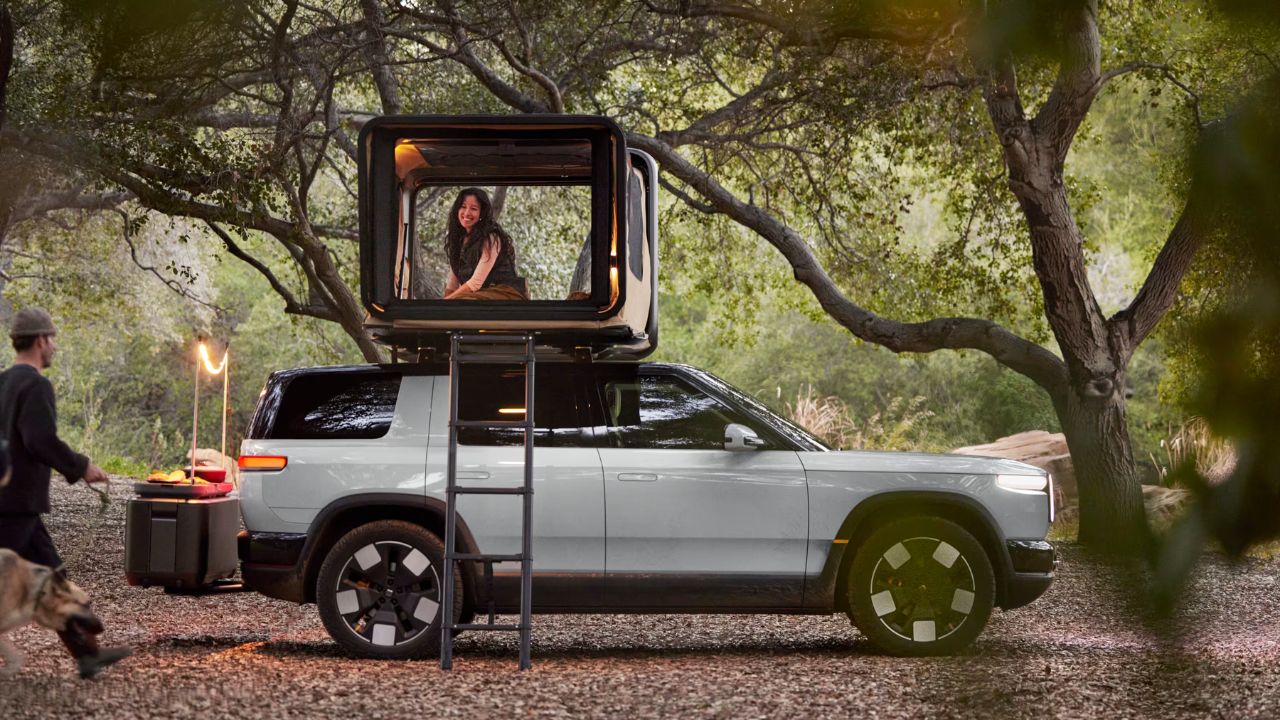
The R2 does not seem interested in becoming a generic midsize EV with a nice screen and a decent battery. Rivian has held onto the little details that make the brand feel like itself. The Premium and Performance trims both include the rear drop glass, which lets the back window lower into the liftgate.
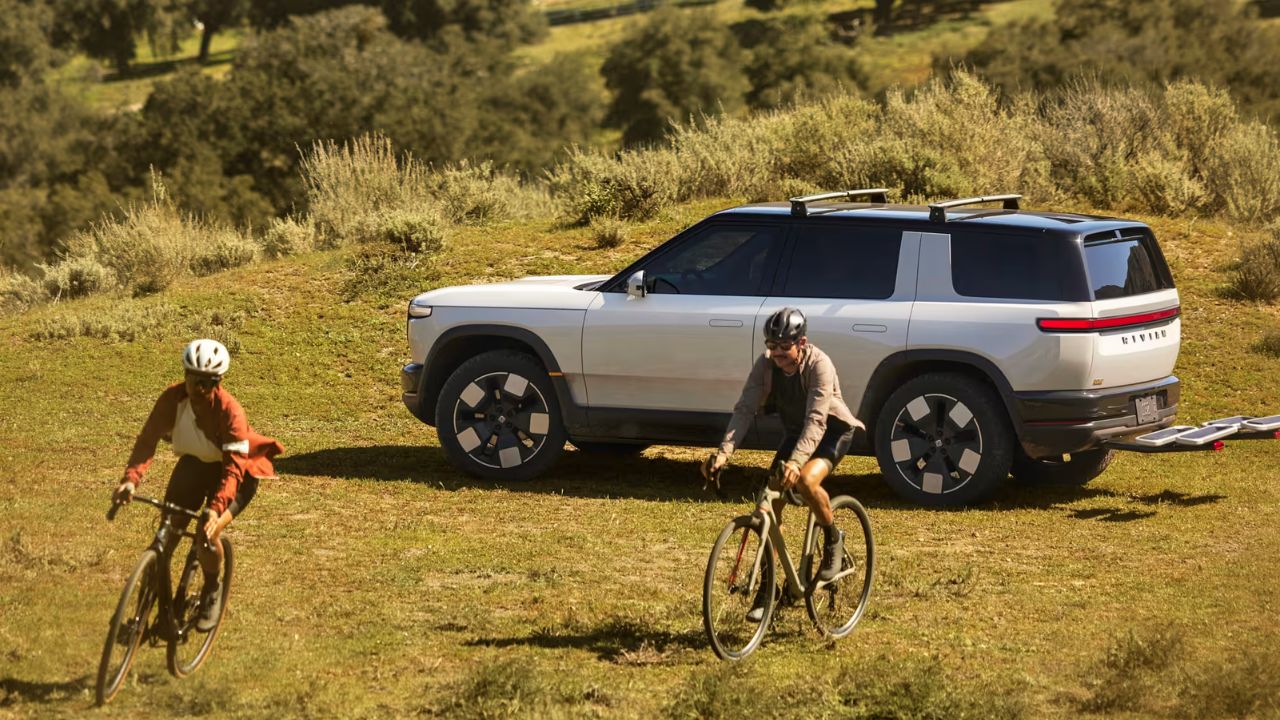
Rivian also says the R2 will offer fold flat rear seats, dual gloveboxes, and enough total enclosed storage to adapt easily to camping, road trips, or long gear. Even the Premium trim gets the Rivian Torch flashlight, which is a tiny detail, but also the sort of tiny detail Rivian buyers tend to remember.
This is where the R2 starts to feel thoughtful rather than merely competitive. A lot of EVs offer decent specs. Far fewer feel designed by people who imagined the clutter of actual life. The rear drop glass alone gives the vehicle a more adventurous, more flexible personality, and the rest of the packaging choices point in the same direction. Rivian seems to be protecting the practical oddities that helped make the R1 models stand out. That is a good sign.
7. Off Road Credibility Is Still Part of the Pitch
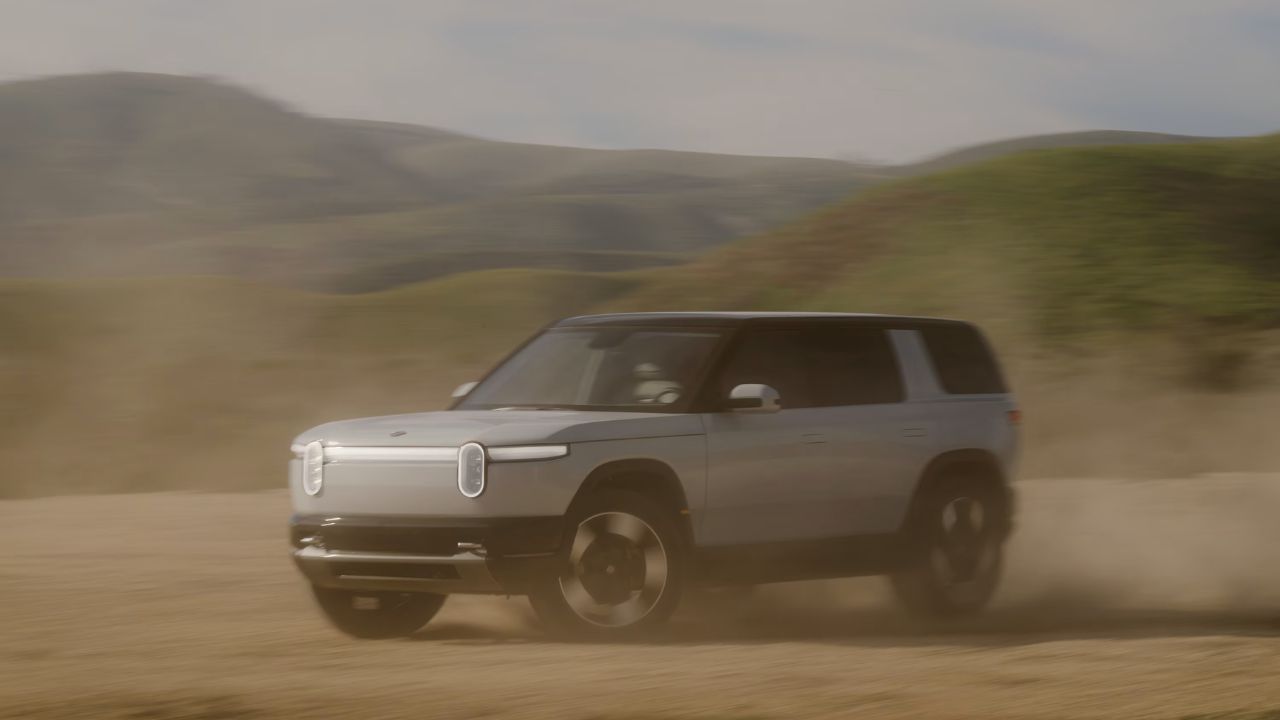
Rivian clearly does not want the R2 to be seen as its soft urban crossover. The company says ground clearance reaches 9.6 inches, which it describes as class leading, and the Performance trim gets semi active suspension plus drive modes that include All Terrain, Soft Sand, and Rally.
Premium also includes an All Terrain mode, while Standard buyers can opt into dual motor all wheel drive and All Terrain drive mode. Towing ranges from 3,500 pounds in Standard form to 4,400 pounds in Premium and Performance, with payload figures just over 1,100 pounds.
That does not mean every R2 buyer is headed for a trail the moment deliveries begin. It does mean Rivian has protected a big part of its identity. Plenty of brands talk about adventure. Rivian tends to package it more credibly than most, and the R2 looks like it will continue that approach. The vehicle is smaller and lighter than the R1 models, but it does not appear diluted in spirit. That may end up being one of its strongest advantages.
8. The Interior Looks More Mature Than Minimalist
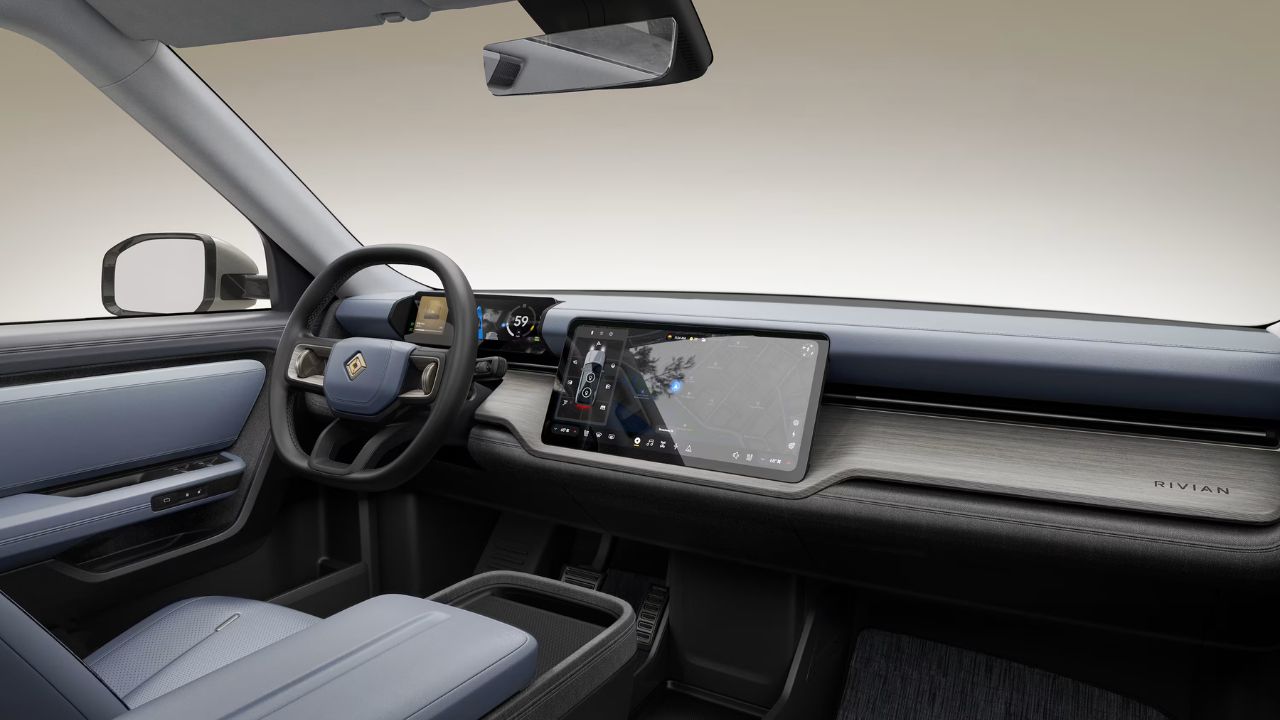
There is a growing difference between an interior that looks clean and one that feels unfinished. The R2 seems to understand that difference. Rivian’s current trim walk shows the Premium and Performance versions with wood accents, heated and ventilated front seats, heated rear seats, premium audio, and a cabin that leans into a more natural, more tactile style than the stark “screen and shelf” aesthetic many EVs still rely on. Rivian also used its March 2026 reveal recap to highlight new colors and signature interiors with nature inspired materials and upcycled birch textures.
That matters because the R2 will likely win or lose with buyers who want something modern but not cold. Rivian has generally been good at making its interiors feel calm without feeling empty, and the R2 appears to continue that balance. It looks like a vehicle designed for people who may spend long hours in it, not just admire it in configurator photos. In this segment, that is a serious strength.
9. Rivian Is Pushing Hard on Software and Driver Assistance
The R2 is also the vehicle where Rivian seems eager to show how much its software ambition has grown. Rivian says the R2 will get over-the-air software updates, use a single infotainment compute module rather than the four systems on chip used in Gen 2 R1, and deliver 200 sparse TOPS of AI compute power for infotainment. The company also highlighted new Haptic Halo Wheels on the steering wheel during the early media drive event, meant to replace large numbers of physical buttons with more tactile rolling controls.
On the driver assistance side, R2 deliveries will include a 60 day trial of Autonomy+, including Universal Hands Free on 3.5 million miles of roads in the U.S. and Canada where lanes are clearly marked, plus Lane Change on Command on divided highways. Rivian positions these as driver assistance features, not autonomous driving. That caution is important, but so is the scale of the offering. Rivian clearly wants the R2 to feel technologically current the moment it lands.
10. More Than Anything, This Vehicle Is a Test of Rivian’s Future
The final thing to know about the R2 has less to do with the spec sheet and more to do with what the vehicle represents. Rivian said in 2024 that R2 production would launch in Normal, Illinois, and in 2025 the company showed its 1.1 million square foot manufacturing expansion there advancing as it prepared for 2026 deliveries. In other words, the R2 is not just an important product. It is the product the company is building around operationally as well.
That is what gives the R2 its unusual weight. This vehicle has to broaden Rivian’s reach, justify serious manufacturing investment, and prove that the company’s design language and adventurous brand identity can survive contact with a lower price class. It is trying to do a lot. The encouraging part is that, so far, it still looks like a Rivian while doing it. And that may be the most important thing of all.
Why the R2 Could Matter Even More Than the R1
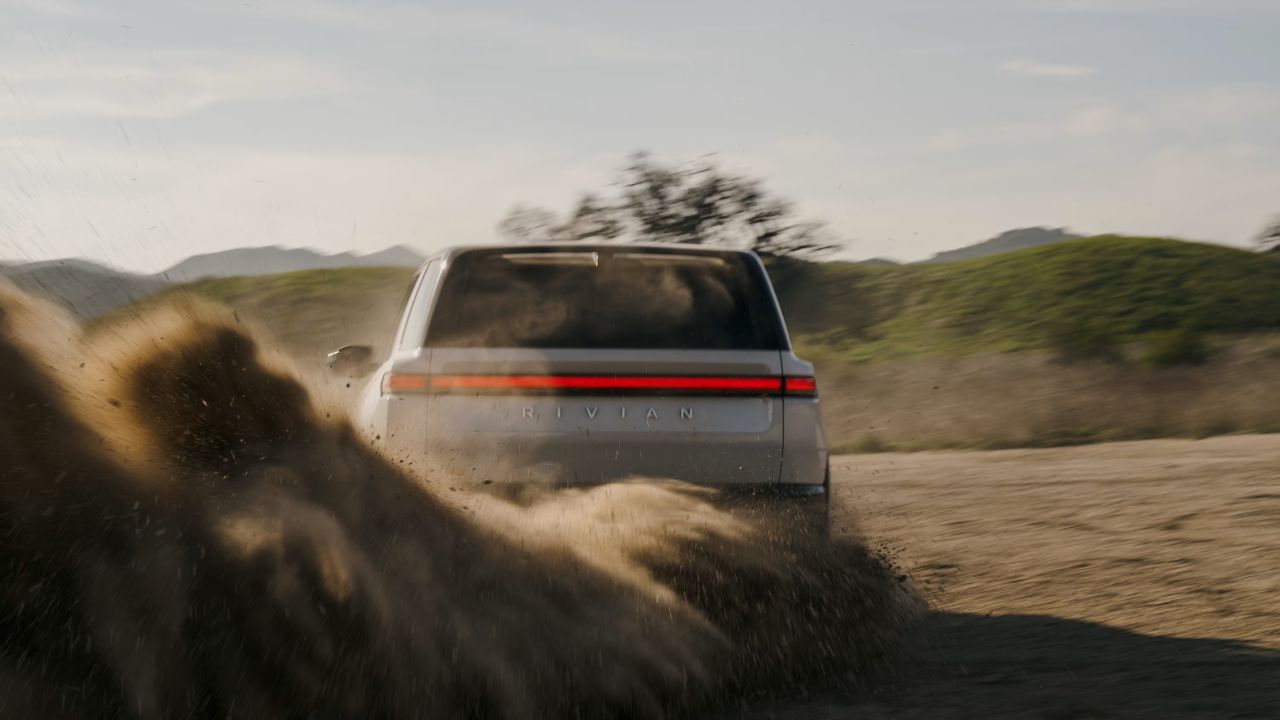
The easiest way to think about the R2 is as the “smaller, cheaper Rivian.” The more accurate way is to see it as the company’s most consequential product yet. It is the vehicle most likely to turn curiosity into real volume, and the first one that has to live in the most contested part of the EV market. That means the bar is higher, not lower.
Buyers here will look at price, range, charging, practicality, software, and fit and finish with much less patience for excuses. Rivian appears to know that. The R2 does not read like a watered down brand exercise. It reads like a serious attempt to scale the brand without flattening it.
And maybe that is what makes it interesting beyond the numbers. The R2 is not trying to shock the market with one outrageous claim. It is trying to become believable in a dozen important ways at once. If Rivian gets that right, this will be the model people look back on as the moment the company stopped being admired mostly for potential and started being judged as a lasting player. That is a much bigger role than “the affordable one,” and the R2 looks ready for it.