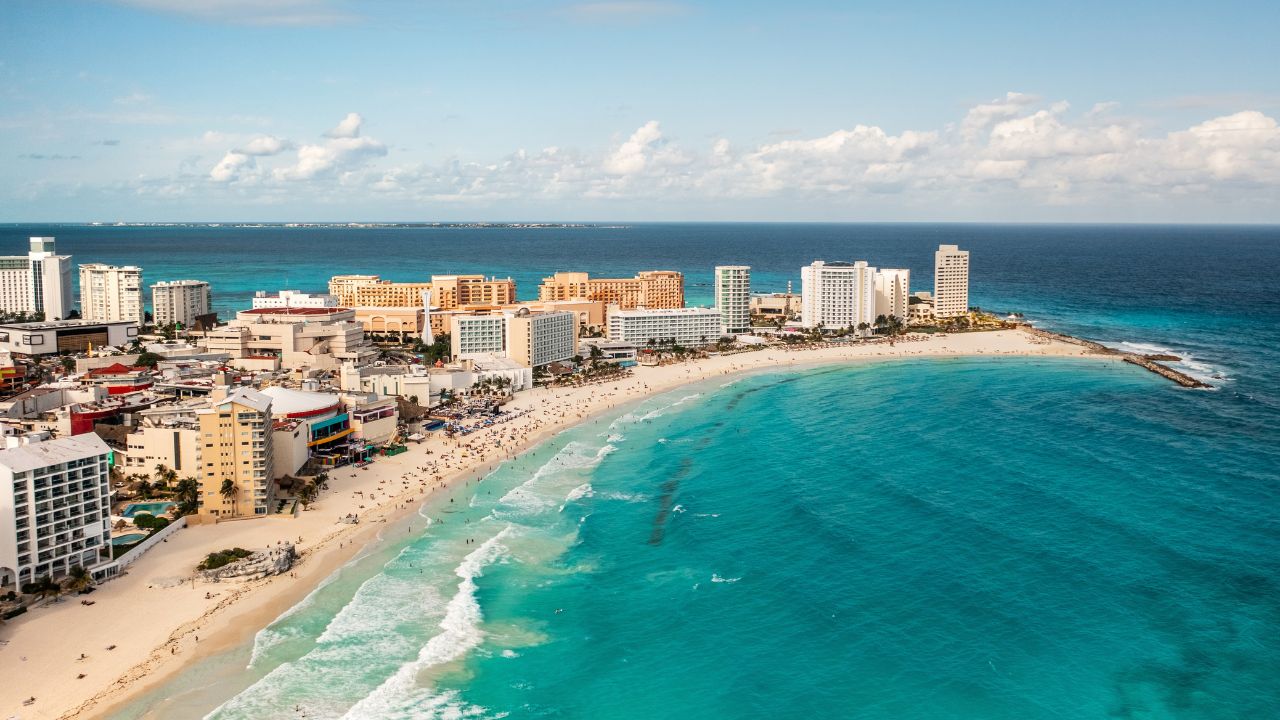
Cancún used to feel like the easy button: land, transfer, beach, repeat. Over time, the friction started stacking up in small ways that added stress, especially around arrivals, peak-season beach conditions, and the sense that the whole area was running hot. None of that means the destination is “over,” but it can change how you plan a trip there.
Eventually, it became clear the issue was not the city itself. It was the old routine. Once Cancún is treated as a gateway instead of the entire vacation, the experience can improve fast, because you stop needing every single day to “hit” the Hotel Zone perfectly.
That shift also makes the trip more resilient. If your first beach day gets messy, you still have cenotes, markets, lagoon time, and easy day escapes in play, and the vacation does not feel like it’s falling apart. A few practical tweaks, plus realistic expectations about what can go wrong, can flip the feeling from “skip it” back to “worth it.”
The Airport Arrival Started Feeling Like a Test

First came transportation drama and pricing uncertainty. Mexico’s Supreme Court upheld an antitrust fine tied to Cancún International Airport in a case linked to blocking new taxi operators, which helped explain why rides could feel expensive and oddly complicated.
A calmer landing now depends on planning, not vibes. Pre-booking a reputable shuttle, confirming the total price in writing, and ignoring anyone trying to redirect you after baggage claim can make a big difference. The U.S. State Department’s Mexico travel advisory also pushes travelers toward dispatched transportation from regulated taxi stands or app-based rideshares instead of hailing taxis on the street. For the stuff that starts as “friendly help” and turns weird fast, the State Department’s travel scam guidance is a useful refresher on why oversharing details and accepting unsolicited “assistance” can go sideways.
Sargassum Turned “Beach Day” Into a Coin Flip

Seaweed used to be a nuisance people joked about. Then it became a recurring regional event that can hit the Caribbean hard, and the UN Environment Programme has described record-scale influxes with real impacts on health, ecosystems, and coastal economies.
It is not just social media exaggeration, either. Reuters has documented record sargassum piling up across Caribbean shorelines, including the Cancún area, which helps explain why some weeks feel “fine” and other weeks feel like a cleanup operation.
What changed my mind was treating it like weather instead of bad luck. NOAA-backed forecasting work feeds into an experimental Sargassum inundation risk report that can help you gauge when coastal buildup is more likely. Picking dates carefully and choosing hotels known for consistent cleanup can make the “maybe” feel manageable again.
Erosion and Beach Work Made Some Areas Feel Less Relaxed

Crowd pressure is not the only strain on the coast. Reporting on Quintana Roo’s proposed large-scale beach restoration planning shows how seriously the region is taking erosion that threatens public spaces and tourism infrastructure. Even when the intention is good, visible work can change the atmosphere in a place you expected to feel effortless.
That is why it helps not to assume every shoreline will match the brochure. Before booking, check recent hotel-zone beach updates and look for notes about sand replenishment or active projects nearby. On trips where the waterline feels crowded or messy, shifting the “main event” to cenotes, food, and day excursions lowers disappointment fast, while the beach becomes more of a bonus than the whole point.
Safety Headlines Made Night Plans Feel Different

Perception matters, and official guidance shapes it. The U.S. State Department’s Mexico travel advisory lists Quintana Roo as “exercise increased caution” and urges extra awareness after dark in downtown areas of Cancún, Tulum, and Playa del Carmen. The broader Mexico international travel information page is also worth a quick skim before you go, because it reinforces the same theme: plan transportation and night movement like logistics, not spontaneity.
The answer is not fear. It is structure. Keeping nights simple, sticking to reputable venues, and relying on pre-arranged transport instead of street negotiation makes the destination easier to enjoy. Daytime becomes the adventurous window, while evenings work best when they stay quieter and closer to the hotel.
Leaving the Old Routine Behind Changed the Experience

The turning point often comes from refusing to use the Hotel Zone as an entire universe. Staying a little outside the main strip, or splitting time with a calmer base nearby, can change the tone from party pipeline to actual vacation. Suddenly mornings feel slower, meals feel less transactional, and the day stops being dictated by wristbands and reservation windows.
Planning also works better when it becomes more intentional. Choosing one anchor experience per day instead of cramming in everything reduces time spent in traffic and lines. Even small choices, like booking a lagoon tour early or grabbing breakfast away from peak corridors, can deliver a better version of the same destination. The city does not magically change overnight, but the pace of the trip can.
Better Value Comes From Chasing Texture, Not Hype

Cancún works best when it is used as a launchpad. A day of ruins, a swim in fresh water, a quieter island hop, or even an afternoon in a neighborhood market can reset an entire impression of the region. Those experiences tend to feel richer than another identical resort lunch, especially when prices are rising.
Food can become a big part of that redemption arc. Seeking out local spots, ordering what residents order, and letting dinner stretch a little longer brings back the travel feeling that sometimes seems lost there. Once the trip has variety, the resort side starts feeling like comfort instead of the whole storyline. That balance is what brings many travelers back.
The New Rules That Help Keep It Worth It

Now the trip works best when it is treated like a system. Booking transportation early, keeping documents and contact info organized, and checking seaweed risk before choosing dates and beaches prevents a lot of avoidable stress. NOAA’s Sargassum Inundation Risk reporting helps with timing, and the State Department’s guidance for Mexico can shape after-dark decisions.
Most importantly, it helps to stop chasing the “perfect” version of Cancún. Some weeks bring pristine water, other weeks bring seaweed and crowds, and the region keeps adjusting through restoration planning and management efforts. With smarter timing, calmer logistics, and a broader itinerary, travelers can get back the parts that made the destination appealing in the first place.