
Every time a big rig thunders past on the highway, it tells a story. That chrome-covered beast has probably crossed more states than you’ve got in your GPS history. It’s out there hauling freight, chasing horizons, and racking up miles like it’s trying to win a frequent flyer program for pavement. Some of these trucks have clocked over a million miles and still move like they just got a fresh oil change.
Meanwhile, your daily driver starts wheezing if you skip a tire rotation. So what gives? Why can a semi-truck live a longer, harder life than most cars without giving up the ghost? These machines aren’t just built to endure. Every bolt, hose, and turbo seems to know it’s on a mission. And if you’ve ever caught yourself wondering how a vehicle that weighs more than a house can outlast your trusty sedan, well… you’re not alone.
How We Put the Brakes on Guesswork

To understand why semi-trucks reach such astonishing mileage, this article draws from a blend of mechanical knowledge, industry practices, and the lived experience of long-haul trucking. We focused on the traits that support durability and performance, including engineering design, maintenance culture, and real-world usage. Information was gathered from published heavy duty industry resources, OEM service information, and publicly available technical guidance, including manufacturer documentation and training materials. These insights paint a picture of how big rigs stay healthy on the road, year after year and coast to coast.
We listened to stories from those who live on the road and reviewed technical documentation about systems such as engines, transmissions, and cooling units. This gave us a clear view of what keeps semis rolling, mile after mile. Each section was developed with a specific focus, aiming to capture both the mechanical side and the human side of trucking longevity.
If it sounds like the kind of research you’d hear at a truck stop over coffee at 4 a.m., that’s because the best details often come from people who are still behind the wheel. The miles don’t lie, and neither do the folks who’ve lived them.
Diesel Engines Are Built Like Tanks

Diesel engines in semi-trucks bring a strong, rugged presence under the hood. These engines are designed with thick cylinder walls, hefty pistons, and oversized crankshafts. The components work in sync to handle long hours and heavy loads.Diesel engines use compression ignition and typically run at lower engine speeds than many passenger car engines, which helps deliver steady torque and can reduce wear over long duty cycles. These engines deliver power slowly and steadily, helping every part enjoy a long and steady life.
Their structure encourages long-term use and frequent hauling. High torque output also lets the engine do its job without strain. Every part seems made for the long haul, from the injectors to the turbochargers, keeping the heart of the truck beating strong mile after mile.
Maintenance Schedules Are Treated Like Gospel

Routine upkeep plays a major role in keeping a truck’s life on track. Drivers and fleet owners work by the calendar, following schedules that bring consistent check-ups. Oil changes, fluid refills, brake inspections, and belt adjustments happen often and with great care. Drivers and companies do not have time for trucks to break down while hauling cargo just because someone skipped an oil change or ignored a warning light.
Trucks often enter workshops before problems arise, simply as part of their routine. This approach gives each system inside the vehicle a longer and healthier life. Maintenance logs tell the story of discipline and attention. Fleets invest in maintenance teams that act like pit crews, making sure every truck rolls out ready for another journey.
Highway Driving Keeps Them Young

Semi-trucks enjoy a steady rhythm on long stretches of highway. The consistent speed and smooth road conditions treat the engine gently. When a vehicle cruises without frequent starts and stops, every part benefits. Tires wear evenly, brakes cool easily, and transmissions shift with ease. Highway routes often avoid the bumps and potholes that shake up city cars.
Trucks maintain momentum, which helps reduce stress on moving components. Engines operate at optimal temperatures for extended periods. This calm and continuous movement supports long-term reliability and clean internal systems.
Parts Are Meant to Be Rebuilt
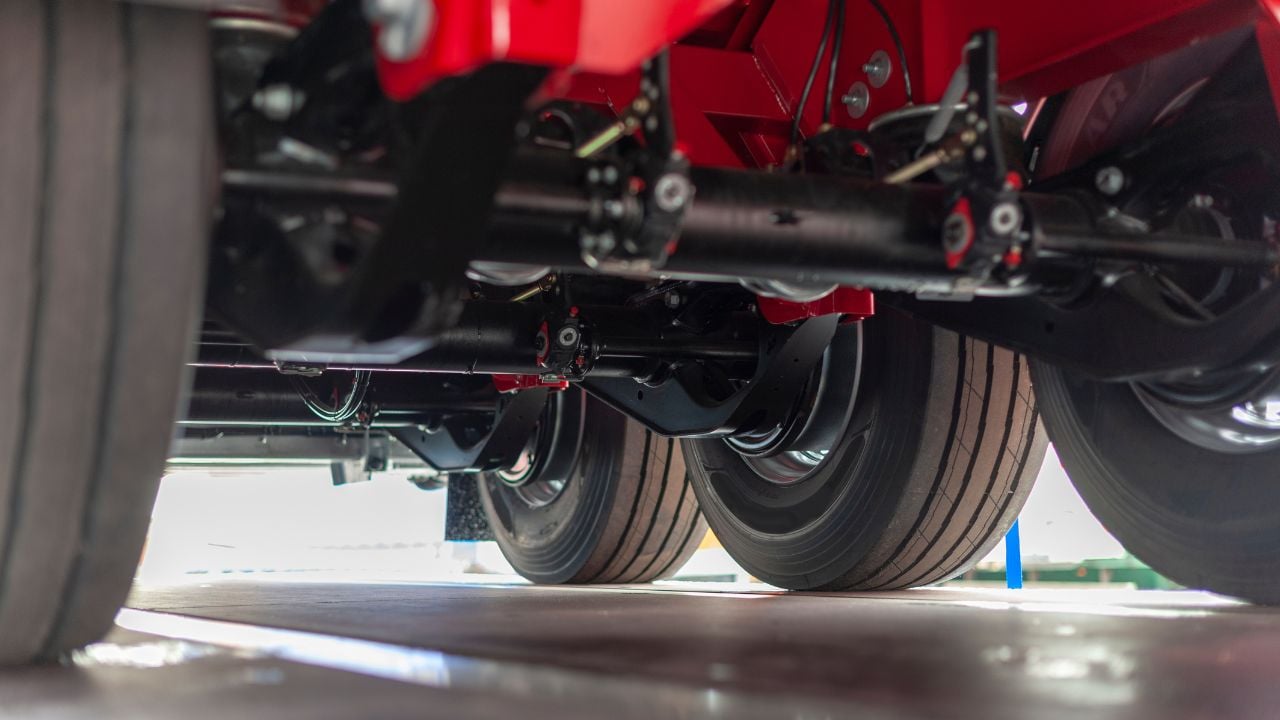
Every piece of a semi-truck works like a Lego block, built to come apart and be put back together. When an engine gets tired, it can go through a complete rebuild, swapping worn pieces for fresh ones. This process restores the core without removing the whole system. Transmissions, differentials, and even suspension parts follow the same pattern.
This method allows trucks to return to top form more than once in their lifetime. Shops across the country specialize in overhauls that feel more like rejuvenation than repair. With each restoration, the truck regains strength and stamina. That ability to renew keeps the same machine running through multiple generations of drivers.
Drivers Know Their Machines
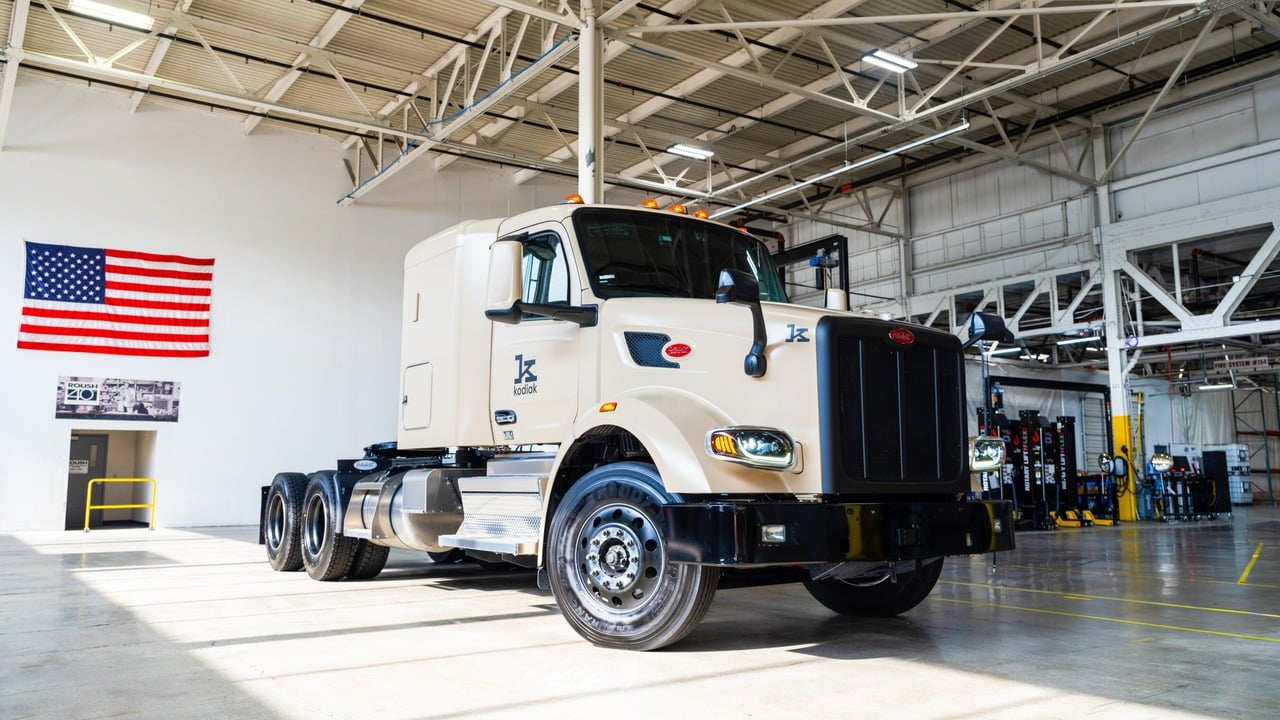
Many truckers treat their rigs like trusted companions. They spend long hours behind the wheel, learning every sound and feeling. A slight vibration or unusual hiss tells a story right away. This awareness brings quick action and care at the first sign of trouble. Drivers respect the flow of their vehicles, working the gears smoothly and letting the engine breathe before and after long days.
Their patience and precision help every system feel supported. They clean their rigs regularly and treat downtime as an opportunity for inspection. This hands-on relationship builds trust between human and machine, keeping the rig in great shape for the long run.
Loads of Lubrication

Trucks stay healthy through consistent lubrication across all their systems. Engine oil flows like lifeblood, keeping metal surfaces from wearing down. Gearboxes receive specialty fluids that support smooth shifts and quiet operation. Differentials and bearings rely on thick grease that holds strong under pressure. Maintenance teams check levels frequently and replace fluids when needed. Quality oil filters remove harmful particles and maintain cleanliness inside the system.
This network of fluid care acts like a shield around moving parts. Heat, friction, and pressure remain manageable with proper lubrication. The attention to fluid management helps extend the life of every piece under the hood.
Idle Time Is Carefully Managed

Truckers rely on smart systems to manage idle time. Auxiliary power units (APUs) supply electricity and climate control without running the engine. These units let drivers rest comfortably without putting extra miles on the main motor. Auto-shutdown timers kick in when the vehicle sits too long, preserving fuel and minimizing wear.
Engine warm-ups happen at scheduled times, giving fluids a chance to circulate before driving. Each idling moment serves a purpose, often connected to rest breaks or scheduled stops. Truckers learn to monitor their hours of service and coordinate rest with efficiency. These habits keep the engine fresh and supported throughout its downtime. Even while stopped, the truck follows thoughtful routines to maintain its longevity.
Heavy-Duty Cooling Systems

Trucks handle high loads with cooling systems made for the challenge. Oversized radiators sit at the front like silent protectors, pulling heat away from the engine block. Fans spin with precision, helping coolant move through tubes and reservoirs. These systems include multiple sensors and thermostats to maintain stable operating temperatures. Under heavy acceleration or steep climbs, the coolant keeps everything calm and stable.
Engineers designed these systems to keep heat from building up over long drives. Expansion tanks allow pressure to adjust naturally as temperatures shift. The truck remains strong under pressure, thanks to this reliable cooling support. Each mile brings heat, and the trucks’ built-in chill keeps it moving smoothly.
Transmission Systems Are Born for Battle
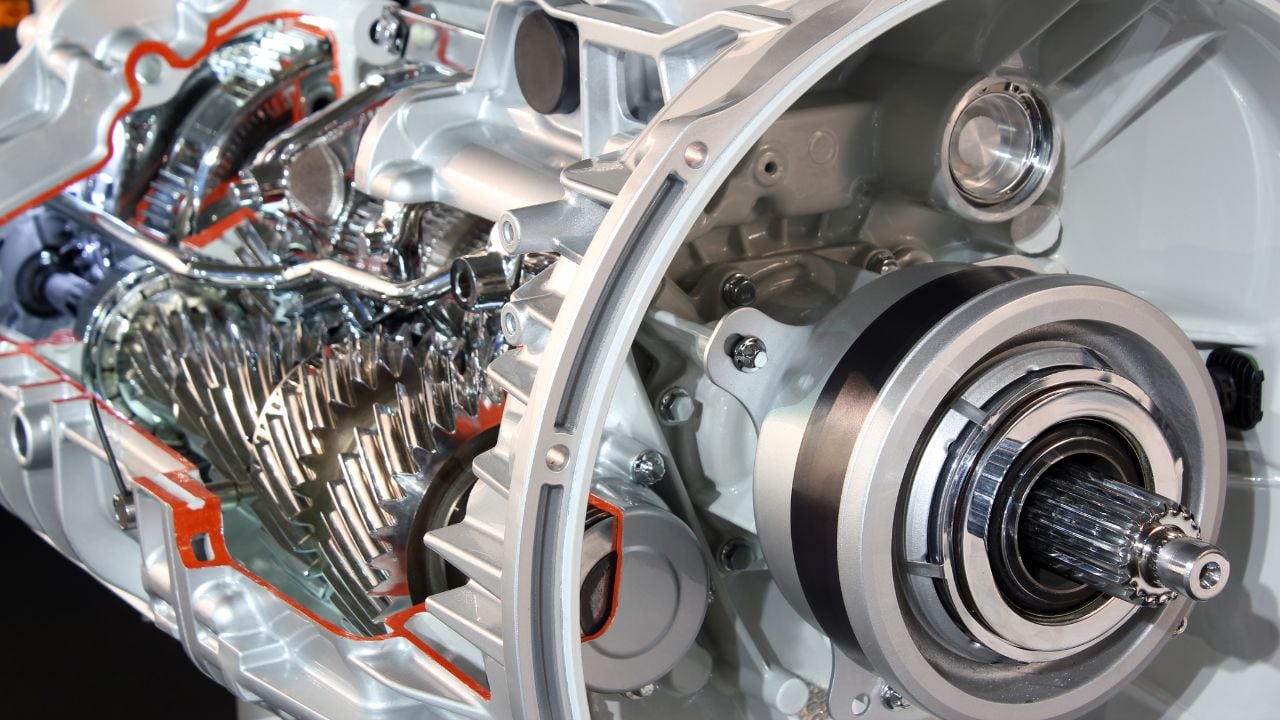
Truck transmissions carry the load without flinching. Gear ratios work with engine torque to deliver controlled power across various speeds. Manual transmissions commonly have 10, 13, or 18 forward speeds, letting drivers fine tune their approach to hills and curves. Automatic and automated manual transmissions (AMTs) use sensors and processors to optimize shifting patterns. Clutches and synchronizers handle stress through smart engineering and durable materials.
Regular service intervals give mechanics a chance to inspect, adjust, and preserve performance. Drivers learn to work in harmony with their gearboxes, making every shift purposeful. Transmissions respond with strength and consistency, making each haul feel easier than the last. This synergy gives the system the endurance to cross state lines again and again.
Commercial Regulations Encourage Longevity

The trucking world operates under strict guidelines that encourage consistent upkeep. State and federal regulations require regular inspections and performance reviews. Safety checks happen before every trip, focusing on brakes, lights, and load security.Emissions compliance requirements also encourage regular maintenance and prompt repairs when problems show up. Inspection points and roadside stops offer real-world checks and reminders. Maintenance logs stay organized and ready for review by inspectors and fleet managers.
These rules push every team to stay on top of the vehicle’s condition. Fleets train drivers and mechanics to follow compliance procedures faithfully. This culture of responsibility creates an environment where equipment receives constant attention and support.
Bigger Budgets for Repairs and Upkeep

Financial planning gives trucking companies the means to care for their vehicles deeply. Maintenance budgets include scheduled service, parts replacements, and mechanic hours. Many fleets hire in-house technicians who know their trucks inside and out. Investments go toward preventative care, keeping small issues from growing.
Diagnostic tools and software track performance metrics in real time. Managers plan for upgrades and overhauls, giving the vehicle a roadmap to continued success. The value of each truck drives the motivation to keep it healthy. With resources available and goals in mind, the machine continues forward with strength and reliability.
Built for a Job, Not for Comfort

Semi-trucks wear their purpose on their frame. Frames stand tall and solid, ready for the long haul. Cab designs focus on practicality and endurance. Suspension systems hold firm under heavy weight, keeping the ride steady. The materials inside the cab withstand years of use without showing wear. Storage compartments serve a driver’s needs without excess fluff.
Engineered for function, every inch contributes to the truck’s mission. This focused design approach gives the machine a clear identity. From grille to rear axle, everything about the truck leans into longevity and service.
Final Mile Thoughts

When a semi-truck glides down the highway, it carries more than just freight. It carries decades of engineering wisdom, generations of hardworking drivers, and a system built around longevity. Every part of a truck has a purpose, and every mile adds to its legacy. From the way the engine breathes to the way the gears shift, everything works together in harmony. The road becomes a second home, the cab a quiet partner, and the miles a record of purpose well served.
These machines earn their long lives through care, design, and dedication. The trucking world thrives on consistency, discipline, and trust in the process. When a rig reaches a million miles, it tells a story that started with intention and continued through commitment. Drivers rely on their trucks, and the trucks deliver every day with the same steady rhythm. In the end, it’s about how they’re built to keep going. And they do.