
As the conflict between Iran and the United States moves into a new phase, Tehran’s Islamic Revolutionary Guard Corps has publicly included Tesla alongside other major American firms on its list of entities it could strike, citing their purported roles in facilitating military operations against Iranian leaders.
The development marks a striking shift in how the war’s factions are defining targets and represents a rare moment in which an electric‑vehicle manufacturer has been drawn into an active war narrative.
The IRGC’s announcement, carried by state‑linked media and amplified via official social channels, did not single out Tesla for battlefield involvement in any conventional sense.
Instead, Tehran framed its threat around allegations that various companies on its list, including Tesla, contribute in some way to systems the Guard blames for intelligence gathering, communications support, and technological aid benefitting U.S. or allied military operations.
These accusations mirror claims made against larger information technology groups such as Google, Microsoft, Meta, and Apple, which Iran alleges provide data, analytics, and artificial intelligence tools that can be leveraged in strategic targeting.
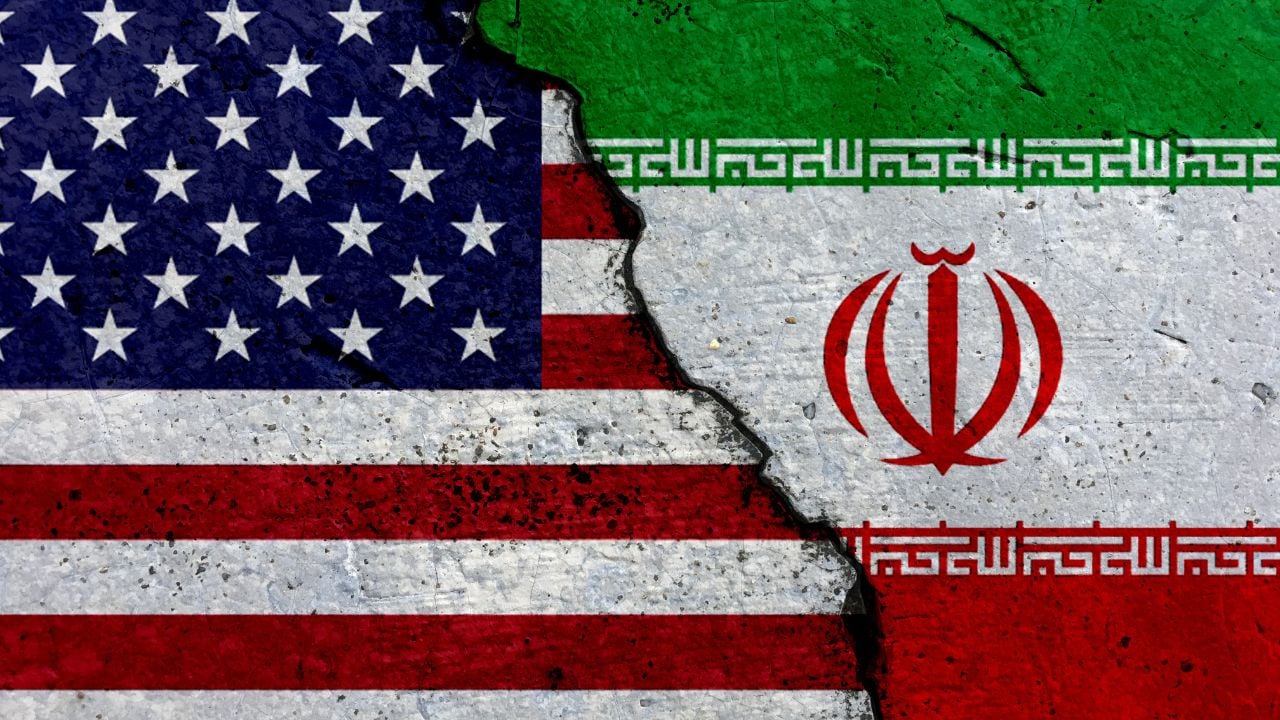
That context helps explain why Tesla, a manufacturer of battery‑electric vehicles and energy products, finds itself mentioned alongside traditional high‑tech and defense services.
While Tesla’s core business does not involve defense contracts or battlefield hardware, it has become a symbol of American technological reach with a footprint that extends into the Gulf region.
The company operates showrooms, service centers and widespread charging infrastructure across the United Arab Emirates, Saudi Arabia, and Qatar, positioning its brand and physical assets in proximity to Iran’s borders.
Why Tesla? Analysts Weigh In
Analysts say this combination of factors—regional presence, corporate identity tied to U.S. innovation, and the growing perception by Tehran that technological firms are entwined with U.S. military capability—helps clarify how Tesla earned a place on the IRGC’s target list.
Iran’s leadership, particularly the Guard, appears to be sending a broader message that economic assets and corporate influence are now part of the strategic landscape of this war. Declaring foreign companies as actionable targets is intended not only to retaliate for military losses but also to signal that no element of American global presence is beyond dispute.
The IRGC statement explicitly urged employees of the named companies operating in the Middle East to leave their facilities and warned nearby civilians to relocate away from potential strike zones. This civilian advisory underscores the dramatic shift in how Iran views corporate infrastructure in the region, treating it as integral enough to U.S. operations to merit defense‑style warnings.
Tesla’s inclusion has industry observers worried. They note that offensive language against corporate targets could blur established norms distinguishing military from civilian assets. For decades, international law and customary practices have stressed the protection of non‑combatant infrastructure, especially those with primarily commercial purposes.
Naming a range of corporate entities as “legitimate” targets on the basis of alleged indirect contributions to a war effort challenges that principle and raises the stakes for multinational firms with investments in volatile regions.
Geopolitical Fallout and What’s Next for Tesla
The geopolitical implications are significant as well. For Tesla, a company already navigating production challenges and market pressures globally, being mapped into a geopolitical confrontation could further complicate operations.

Investors and regional partners will be watching how the company manages risk and responds publicly to allegations that inadvertently link its business footprint to broader conflict narratives.
Meanwhile, Tehran’s broader gambit reflects a diplomatic posture that ties retaliatory action to battlefield developments. The IRGC has said future strikes against the named companies could occur in response to additional deaths of Iranian military leaders, linking corporate fate to the trajectory of ground and air operations.
This strategy may be intended to deter further escalation by portraying potential economic consequences, but it also risks drawing neutral or commercially oriented firms deeper into geopolitical tensions.
The evolving situation forces the international business community to reassess both the practical and symbolic repercussions of Tehran’s declarations. For Tesla, it’s a memo from the Middle East saying that, in today’s interconnected world, a company’s global presence can intersect with international conflict in ways no boardroom debate could have foreseen.
Sources: US Muslims