
I have not fallen out of love with Europe’s museums, train stations, café culture, and absurdly photogenic old streets. What changed is the math. Recent pricing data suggests that the hardest hit is no longer always the flight but the pileup that starts after landing: rooms, local taxes, reservations, and attraction fees. That does not make the continent a bad trip. It makes it a pricier default than many travelers still assume.
That nuance matters, because a dramatic headline can turn into nonsense very quickly. I am not arguing that every corner of Europe has become poor value or that no one should go. The data points to a narrower claim instead: the classic, big-name circuit has grown noticeably more expensive, and budget-minded travelers now have reason to pause before booking it on autopilot. In travel budgeting, habit is often one of the costliest items in the cart.
1. Flights Are Not the Whole Problem

Airfare alone does not fully support the anti-Europe case. IATA said average real return air fares in 2026 are expected to sit 36.8% below 2015 levels. Cheap seats still exist, and that matters. The problem is that the flight is no longer the clean summary of the budget once the rest of the trip starts stacking up.
The strain tends to begin on the ground. Eurostat’s flash estimate put euro area services inflation at 3.4% in February 2026. Eurostat also said in a separate update that EU package-holiday prices in August 2025 were still up year over year, including a 1.6% rise for international packages. None of those increases is catastrophic on its own. Stack enough of them together, though, and a trip that looked manageable at first starts getting expensive in a hurry.
2. Hotels Keep Eating the Budget

Accommodation is where the budget starts wheezing. The Post Office’s 2025 City Costs Barometer said lodging was still the biggest expense in most city breaks, with two nights in a three-star hotel priced at £411 in Dublin, £399 in Edinburgh, £381 in Barcelona, £373 in Venice, and £372 in Amsterdam. By contrast, the same category came in at £123 in Riga, £131 in Warsaw, and £143 in Vilnius. That is not a small gap. It is the kind of difference that changes the whole character of a trip.
The pressure also gets much worse when demand spikes. Reuters reported that average room prices in Milan rose to €319 a night between February 3 and 23 during the Winter Olympics period, up from €225 a year earlier, with the sharpest jumps concentrated in higher-end hotels. That does not describe every European city, obviously. It does show how quickly a room can stop feeling like a base and start feeling like a dare.
3. The Extra Charges Now Stack Up Fast

The frustrating part is how many destinations now add a second layer of cost after you thought you had already paid. Paris says its tourist tax runs from €0.65 per person per night for basic campsites up to €15.60 for palaces, and the city notes that the charge is not always included in the quoted room price. Amsterdam’s tourist tax is 12.5% of the overnight price, excluding VAT. Berlin’s city tax is 7.5% of the net overnight price and applies to paid overnight stays. By the time you add all that to the base room rate, “not too bad” can start looking a lot less convincing.
Venice adds another little sting to the ledger. The city’s official access-fee system returns on selected days starting 3 April 2026, and the official payment portal says the fee is €5 if paid by the fourth day before access and €10 if paid later. That may sound manageable in isolation. After hotel taxes, local fees, and everything else clipped onto the receipt, it starts to feel as if Europe has borrowed the airline baggage-fee mindset and decided it rather likes it.
4. Trains Are Wonderful, but Not Effortlessly Cheap
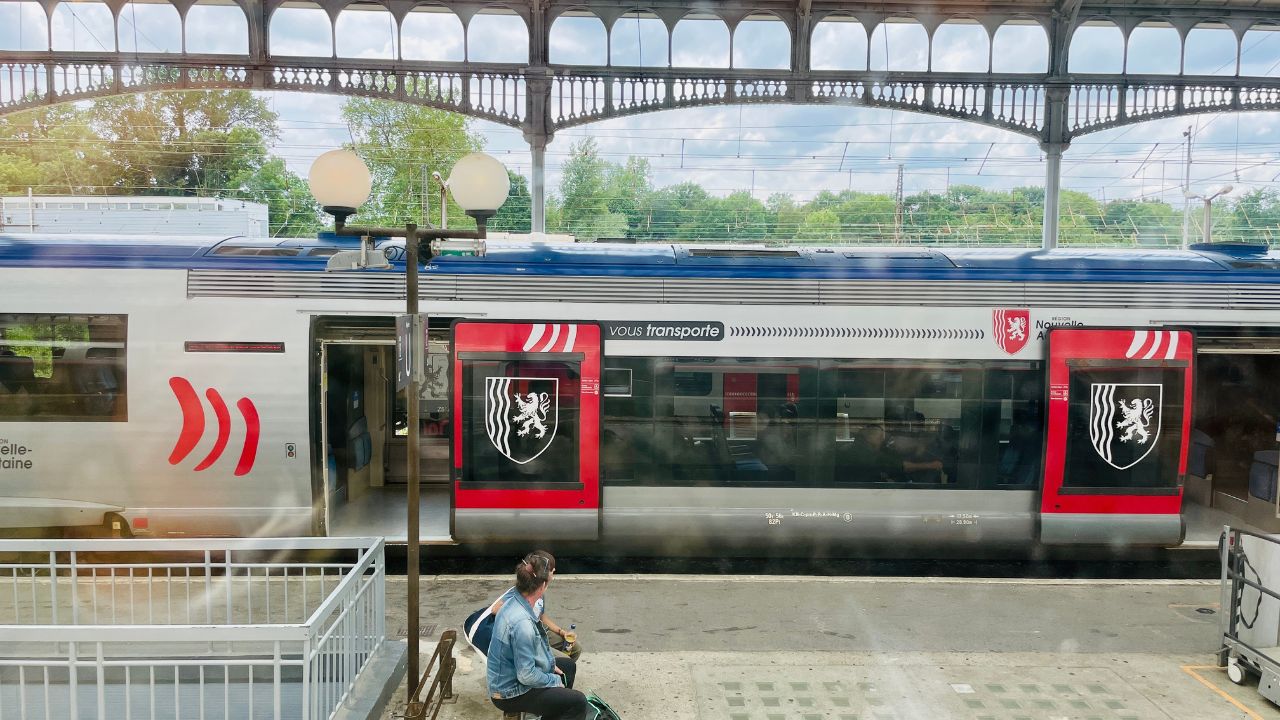
Rail still deserves its romantic reputation, yet the cost structure is messier than many people remember. Eurail’s passes cover a lot of ground, but the company is very clear that seat reservations are not included. Its own reservation-fee page says international-train reservations average about €15, while night-train reservations average about €20. That means the pass is not a magic carpet. It is the main ticket plus a recurring set of add-ons.
The supplements get sharper on the most coveted routes. Interrail’s own reservation guide shows mandatory Eurostar passholder reservations at €35 from London to Paris, €32 from Amsterdam to Paris, and €27 from Brussels to Paris at the lower listed tier, with higher amounts on some departures. Suddenly the classic multi-city fantasy looks less like one clean transport solution and more like a spreadsheet in disguise. Rail can still be a great choice. It just no longer deserves the automatic label of cheap.
5. Even the Big-Name Attractions Can Now Hit Harder
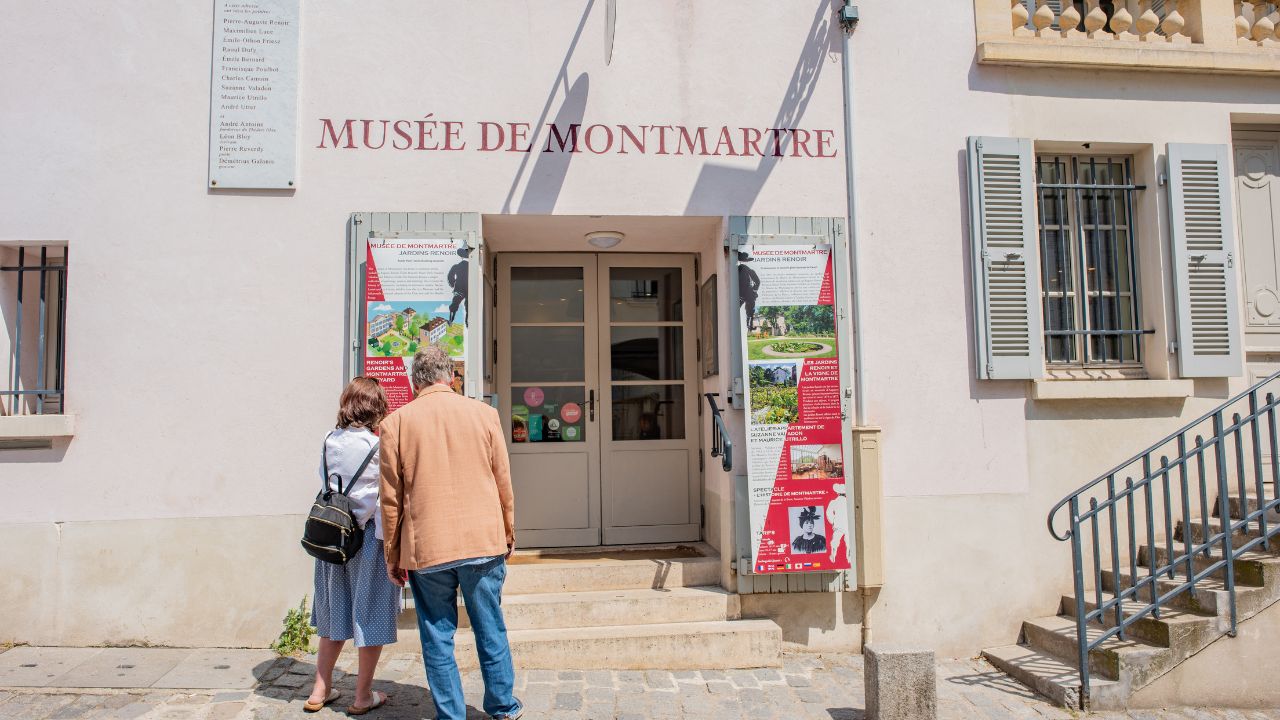
The value equation also changes when sightseeing stops feeling moderately priced. The Louvre’s official ticket page shows an EEA visitor rate of €22 and a non-EEA visitor rate of €32, with the new pricing applicable from 14 January 2026. That is not a tiny adjustment buried in fine print. It is a visible reminder that even flagship attractions can now hit outsiders harder than they once did.
That is why I have largely stopped defaulting to Europe’s famous circuit, not because the continent lost its charm, but because the balance between cost and payoff changed. The same Post Office barometer, which measures city-break costs in pounds sterling, found much better-value options elsewhere: Riga at £252.63, Vilnius at £254.32, Warsaw at £277.39, and Podgorica at £281.70, with Lisbon and Porto identified as the cheapest places to visit in Western Europe. So the smarter conclusion is not “never go.” It is “stop assuming the usual suspects are the sensible choice.”