
On the afternoon of Wednesday, February 11, 2026, a routine day of commercial air travel in the United States took an extraordinary turn when the Federal Aviation Administration (FAA) abruptly grounded flights in and out of El Paso International Airport.
For several hours, passengers were stranded, airlines scrambled to alter schedules, and aviation officials were forced to defend a decision that left a major airport city effectively cut off from the national air traffic grid.
What the agency initially described only as action taken for “special security reasons” rapidly unfolded into one of the most startling interagency coordination failures in recent memory.
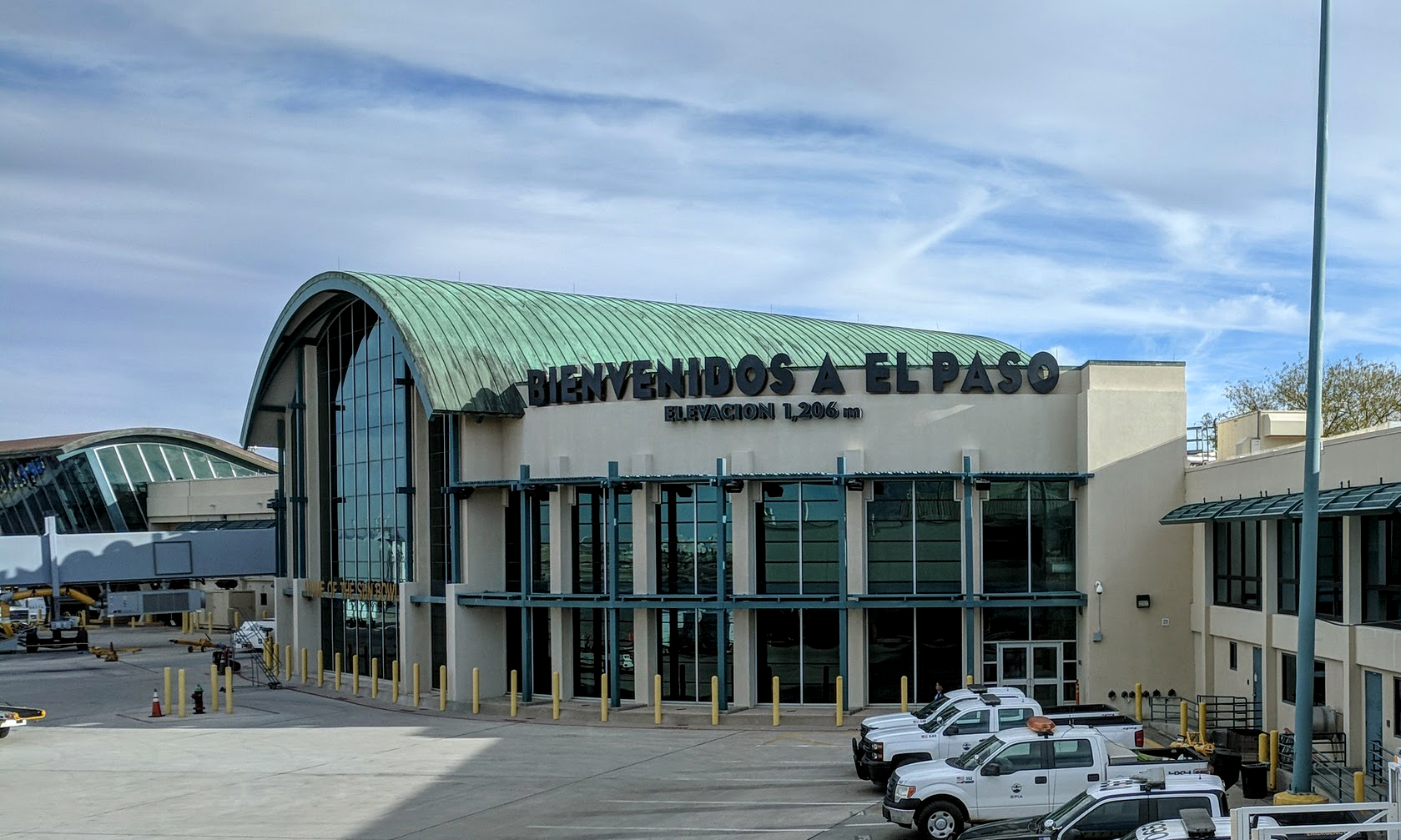
The federal government first issued a temporary flight restriction covering an 18,000-foot radius around El Paso’s airport, which sits near the U.S.-Mexico border.
The restriction was supposed to remain in place for up to 10 days, a term that would have imposed unprecedented disruption on commercial aviation in the region.
But within hours, the FAA rescinded the restriction and allowed regular flights to resume, telling airline and airport personnel that there was “no current threat” to civilian aircraft.
What Really Shut Down El Paso Airport?
Behind the headlines lay a far more complex and concerning story involving new military technology, fractured communication between agencies, and unclear political accountability.
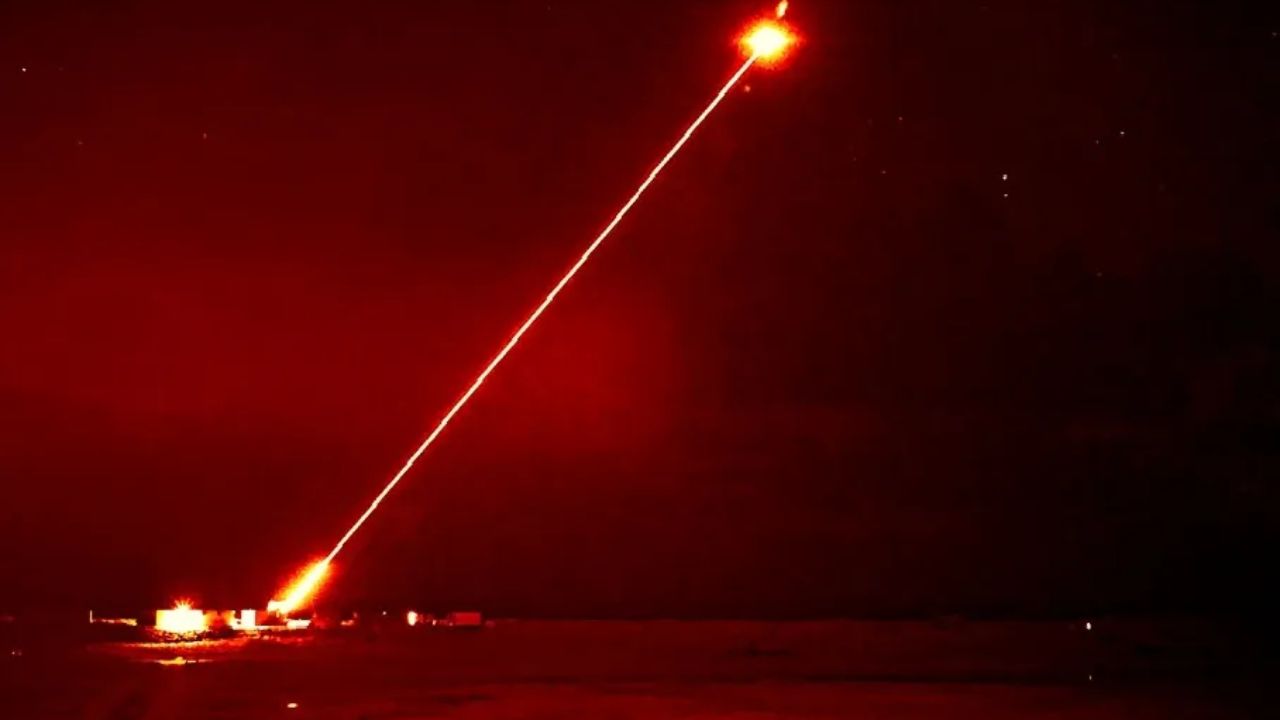
Sources familiar with the situation say the closure was triggered by plans by the Pentagon and other federal agencies to deploy an anti-drone laser system near Fort Bliss, the sprawling U.S. Army post adjoining El Paso, in an effort to counter what administration officials described as a threat posed by Mexican cartel drone incursions.

The weapon in question is part of a class of directed energy counter-drone systems designed to incapacitate small, unmanned aircraft without using explosives or projectiles.
In recent weeks, military planners and Customs and Border Protection (CBP) have been testing the system for use along the southern border, where small commercial drones are increasingly employed for smuggling and surveillance by criminal groups, according to defense sources.
A Laser Fired, a Balloon Mistaken, and No One Told the FAA
Defense officials quietly authorized CBP personnel to operate this high-energy laser close to the airport environment.
According to multiple federal officials with direct knowledge, the laser was fired at an object near El Paso — described by some as a suspected drone — but at least one account said the target may have been a party balloon mistaken for a threat.
That identification error, whether real or miscommunicated, underscored just how little coordination there had been among the FAA, the Pentagon, and the Department of Homeland Security (DHS) over the use of a weapon capable of endangering civilian air traffic.

FAA Administrator Bryan Bedford, in issuing the flight restriction, cited the proximity of the laser operation to general aviation routes and the potential risk to commercial aircraft if the laser were used while civilian flights were underway.
Bedford’s notice explicitly warned that aircraft deemed imminent threats could be met with force, a statement that alarmed pilots and aviation safety experts.
Complicating the public narrative, members of the Trump administration quickly pointed to a supposed Mexican cartel drone incursion as the basis for the airspace closure, though no evidence of such incursions has been presented.
Transportation Secretary Sean P. Duffy posted on social media that the threat had been “neutralized,” but provided no details on the nature of that threat or the technology used to counter it.
The Aftermath
Critics have seized on the episode as an example of recent trends in U.S. security policy, in which militarized equipment and doctrine are increasingly applied to domestic law enforcement and border operations.
On Capitol Hill, lawmakers from both parties have demanded answers about how a powerful laser weapon was brought into a civilian airspace scenario without public notice or clear safety protocols.
One Democratic senator described the 10-day shutdown order as “an extraordinary step that demands a clear and consistent explanation” from federal agencies.
Local officials in El Paso were equally blindsided. The city’s mayor criticized the FAA for issuing a restrictive airspace order without consulting local airport authorities or municipal leaders. The decision disrupted travel plans, delayed cargo shipments, and forced emergency medical flights to reroute.
By Thursday morning, however, normal operations had resumed, and federal officials were left piecing together a story that remains incomplete.
The FAA and the Pentagon have declined to disclose full details of their internal communications or the specific circumstances that led to the laser’s deployment.
For a city that sits at the crossroads of international commerce and national security, the episode demands urgent answers to questions about safety, oversight, and the readiness of U.S. government agencies to handle advanced military technologies operating inches away from civilian life.
Sources: ABC News, AP News, The Economic Times