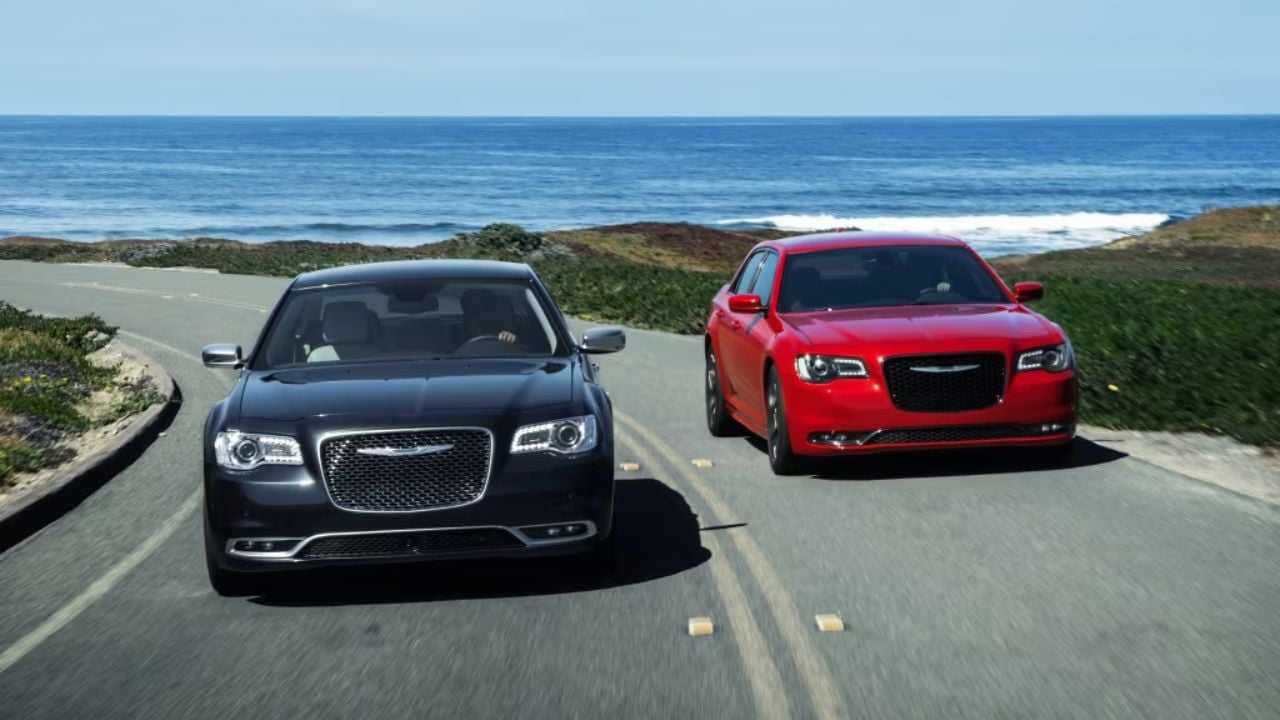
Chrysler, once one of the defining names in American near-luxury, has spent the past two years in a strangely thin place. After the 300 left the lineup following the 2023 model year, the brand lost its last traditional sedan.
In U.S. showrooms today, Chrysler is essentially down to Pacifica and Voyager, which means the brand is still present but hardly feels complete.
Even so, Stellantis is signaling that Chrysler is not being left to drift. Recent comments from the company’s design leadership suggest the brand’s next product direction is finally starting to come into focus.
The interesting part is that the comeback may not arrive as a classic three-box sedan. Instead, Chrysler appears to be exploring something that blends car proportions with crossover practicality.
Chrysler Is Looking Past The Old Sedan Formula
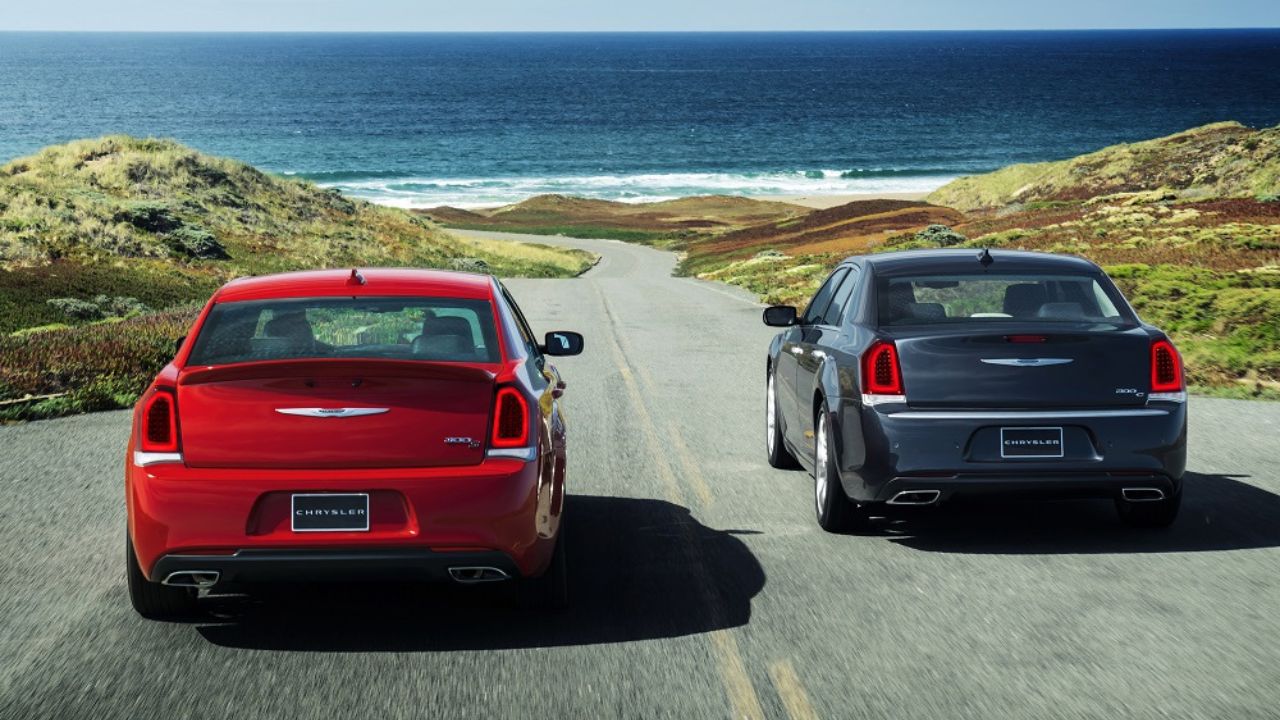
Scott Krugger, Stellantis’ head of North America design, has indicated that buyer tastes are pushing body styles closer together and that there is still room for more sedans in the market. He also suggested that Chrysler’s next move could become clearer during an investor presentation expected in May.
That points away from a simple return to the old Chrysler 300 formula. The next vehicle sounds more likely to be a raised fastback, liftback, or sedan-like crossover that keeps the shape of a car while adding the everyday usefulness buyers now expect. This is an inference based on Krugger’s comments about converging body styles rather than a fully confirmed product description.
That kind of thinking would fit the wider Stellantis approach as well. Even the new Dodge Charger no longer follows the old sedan script in a strict sense, because current reviews note that both the two-door and four-door versions use a rear liftback design instead of a conventional trunk.
Airflow Opened The Door, But Not The Final Path
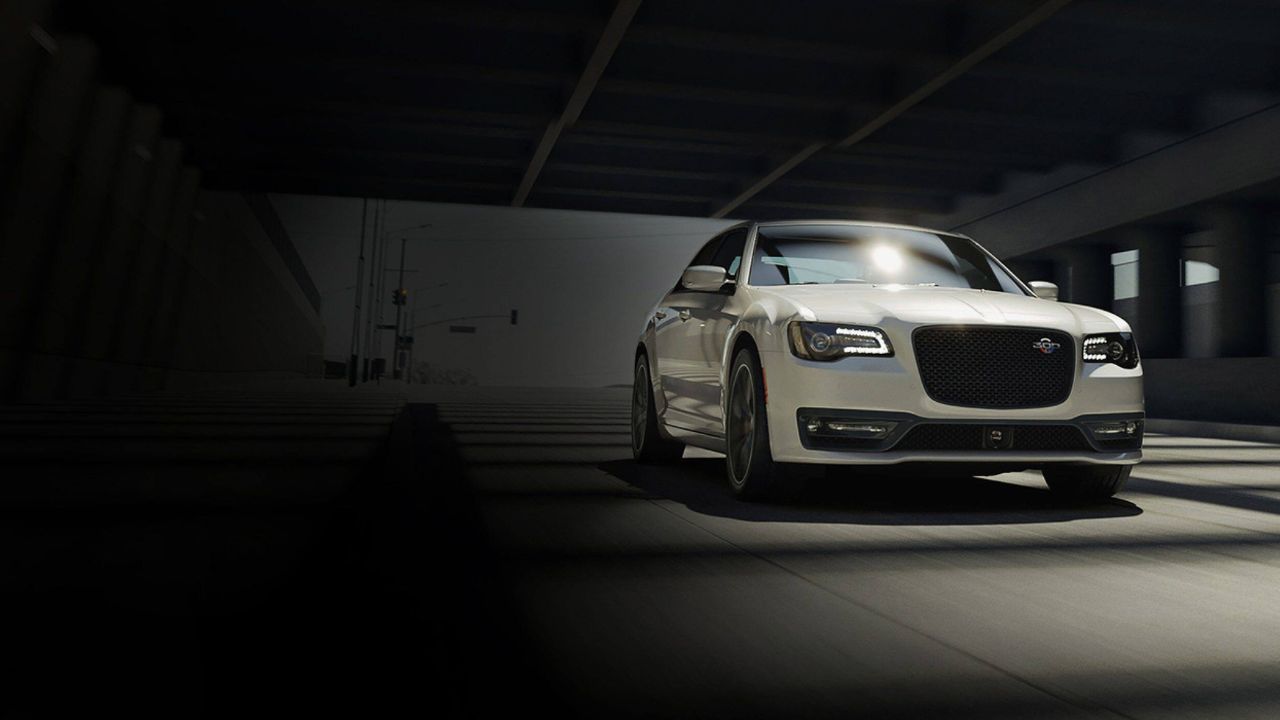
Chrysler had already hinted at a less traditional future with the Airflow concept, which leaned much more toward crossover thinking than classic sedan design. That concept looked like the brand’s likely next step for a while, but the production program tied to it was later halted.
The brand still keeps both the Airflow and Halcyon concepts visible as part of its future-facing identity, which shows Chrysler has not stopped searching for a new direction. What seems to have changed is not the desire to reinvent the brand, but the exact vehicle that will lead that reset.
Krugger’s own language gives the clearest clue about where that reset may go. He describes Chrysler’s future around “modern simplicity” and “innovative practicality,” which suggests cleaner design, smarter packaging, and stronger everyday usefulness instead of another attempt to recreate its old near-luxury sedan role.
A Chrysler Roadmap Should Arrive Soon
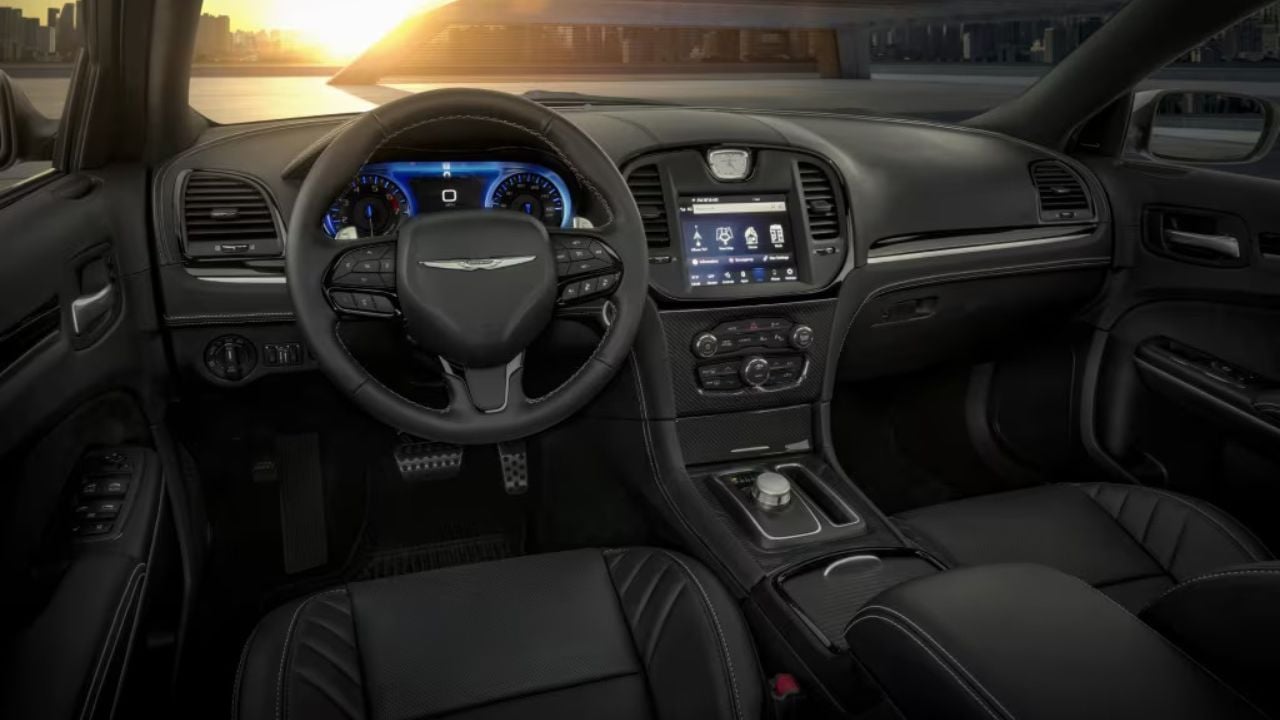
Krugger has insisted that Chrysler is “very much alive and well,” and reports tied to his interview say a formal roadmap for the brand is expected to be shown to investors in May. That matters because Chrysler has spent too long sounding theoretical instead of product-driven.
There is also a clearer leadership structure around the brand than there was before. Stellantis officially appointed Krugger to oversee North American design under Antonio Filosa, while Ralph Gilles remains the company’s Chief Design Officer at the global level.
If that strategy finally produces a real new model, Chrysler’s one-shape existence may be nearing its end. The more likely future now looks less like a nostalgic sedan revival and more like a carefully redefined brand built around practical design, distinctive form, and a smarter reading of where the market is actually going. This conclusion is an inference drawn from the company’s current concepts, Krugger’s comments, and Chrysler’s present lineup.
This article originally appeared on Autorepublika.com and has been republished with permission by Guessing Headlights. AI-assisted translation was used, followed by human editing and review.