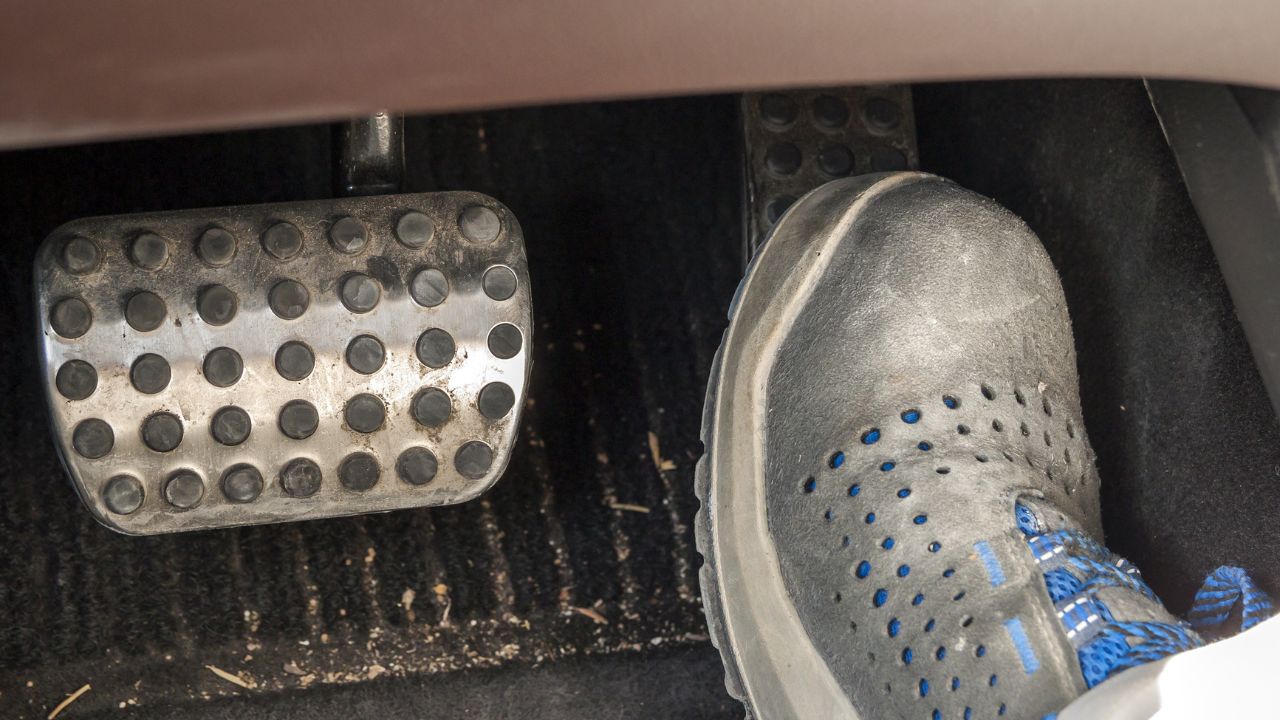

As winter’s chill tightens its grip on both sides of the Atlantic, an unusual piece of motoring advice from British Gas has gone viral: drivers should keep their fuel tanks at least half full this Friday.
The seemingly simple recommendation begs answers to what it really means, whether there’s any science behind it, and why U.S. drivers in the grips of winter weather and political uncertainty might want to take note.
British Gas is better known for heating and domestic energy services than car tips. It offered this quiet advice to motorists preparing for snow and freezing conditions to ensure they’re not running on empty.
The gist: if you can keep your gas or diesel tank at least half full during snowy and cold spells, you’re less likely to encounter weather-related problems, from fuel line freeze to getting stranded on disrupted roads.
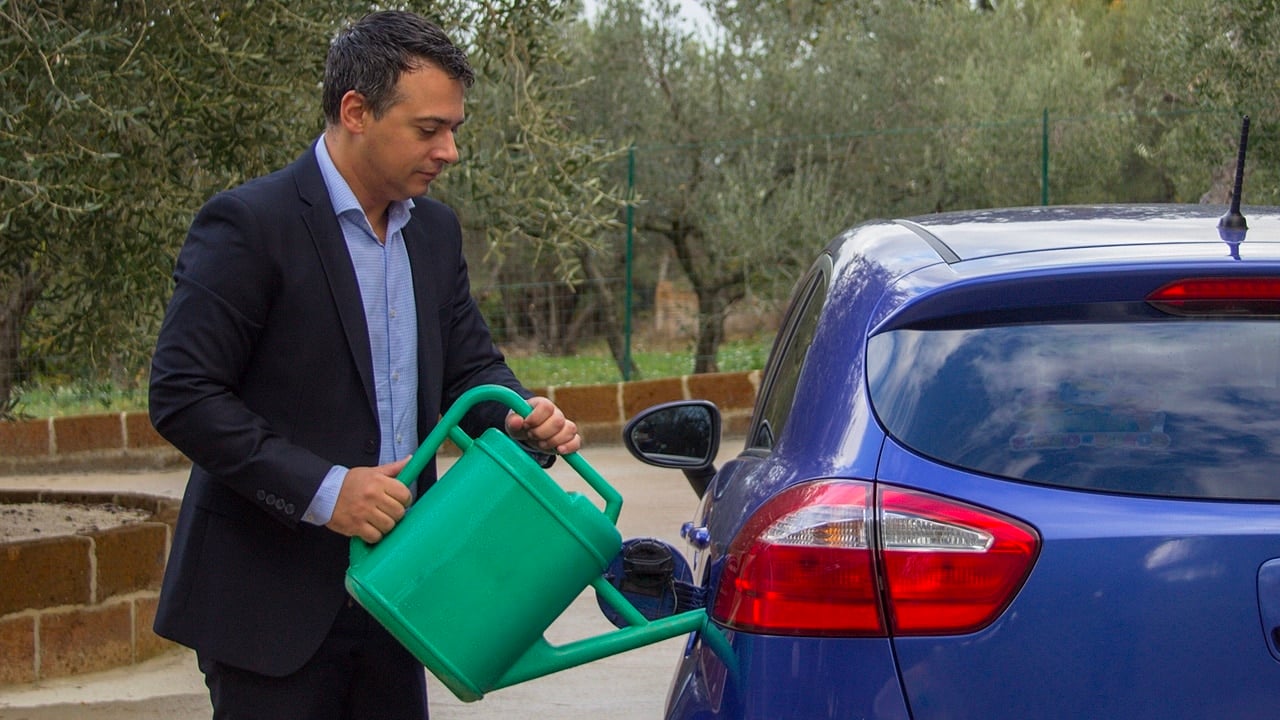
So why “half full” specifically, considering it’s neither a marketing slogan nor a corporate ploy? There’s a technical logic rooted in how fuel systems behave in cold weather.
Modern gasoline doesn’t technically freeze in the tank at the temperatures most of us deal with. It would require conditions well below what’s typical even in the harshest winter snaps. What does freeze, however, is the water that can build up inside the tank itself.
The Science: Condensation, Moisture, and Fuel Lines
As the air temperature swings between warm days and freezing nights, moisture from the atmosphere can condense inside fuel tanks that have a lot of empty space. That’s because more empty space means more air, and that air can carry water vapor.
When temperatures plunge, that moisture can collect and freeze in fuel lines or around the fuel pump intake, creating ice that reduces fuel flow or even prevents the engine from starting.
So, keeping a fuel tank above half full reduces the amount of air inside, which means less water vapor that can condense and freeze. It’s a simple trick — but backed by everyday physics and widely recommended by auto technicians in cold climates who see cold-weather breakdowns every winter.

That’s part of the same logic behind classic winter prep tips like checking heaters, brakes, tires, and wipers before a storm hits. It gives drivers fewer things to worry about as the weather gets nasty.
U.S. Drivers Now
Across the United States, drivers are facing a historic mid-January storm system that has battered huge swaths of the country with snow, ice, and sub-zero temperatures. Known unofficially as the January 2026 North American winter storm, this system has caused travel chaos and widespread outages from the South through the Northeast.
Meteorologists issued winter-storm warnings stretching thousands of miles, with snow totals measured in feet in some areas and dangerous ice blanketing roadways in many more. Those conditions have already triggered state-of-emergency declarations in scores of states and forced tens of thousands of flight cancellations and power outages.
Under such conditions, a half-full tank isn’t just about protecting your engine from freezing lines; it’s about resilience. A fuller tank means you’re better positioned to keep moving if roads slow to a crawl or run your heater for longer if you get stuck. It’s winter preparedness 101 and one that Americans in storm-hit regions would do well to heed as the weather continues to bite.
And what about the looming government shutdown?

The political backdrop adds another layer of urgency. In Washington, lawmakers were locked in a budget standoff that threatened to trigger a partial government shutdown. That kind of disruption tends to ripple through federal services, including weather forecasting, transportation oversight, and even some emergency support functions.
While a shutdown doesn’t directly affect fuel supplies on the pump, it can, in fact, affect how quickly federal agencies support infrastructure and disaster response. In a worst-case scenario, backup services, grid monitoring, and traffic management could be slower to mobilize, which is just another reason drivers should be prepared on their own terms.
At press time, Congress has hours left to finalize an agreement, but the DHS funding fight makes a shutdown tonight very possible.
The advice from British Gas may have come from across the pond, but its message resonates across the shores: don’t wait until your gauge is flirting with “E” this winter. Keep your tank at least half full when frigid temperatures or storm systems are in the forecast.
It’s a low-tech, no-regrets strategy that can save you from cold-weather fuel woes, keep you safer on treacherous roads, and give you one less thing to worry about amid disruptive weather and political uncertainty.