
After years of overwhelming crowds, infrastructure strain, and tourist frustration, Italy is positioned to deliver its best visitor experience in decades during 2026. A unique combination of completed infrastructure projects, refined crowd management systems, and strategic tourism policies will create optimal conditions for American travelers seeking authentic Italian experiences without the chaos that has defined recent visits.
Post-Jubilee Infrastructure Renaissance

The completion of Rome’s Jubilee 2025 preparations will leave the Eternal City transformed for 2026 visitors. Major infrastructure projects including expanded Metro Line C, renovated Termini Station, and upgraded pedestrian access to the Colosseum will eliminate many bottlenecks that have plagued recent visitors. The Vatican’s new visitor management systems, tested extensively during the Holy Year, will operate at peak efficiency with reduced crowds.
Rome’s massive investment in tourism infrastructure, totaling over €4 billion, addresses decades of delayed maintenance and capacity issues. New underground parking facilities, expanded pedestrian zones, and improved crowd flow around major monuments will create the smooth visitor experience that has been absent from Italy’s capital for years.
Venice’s Stabilized Entry System
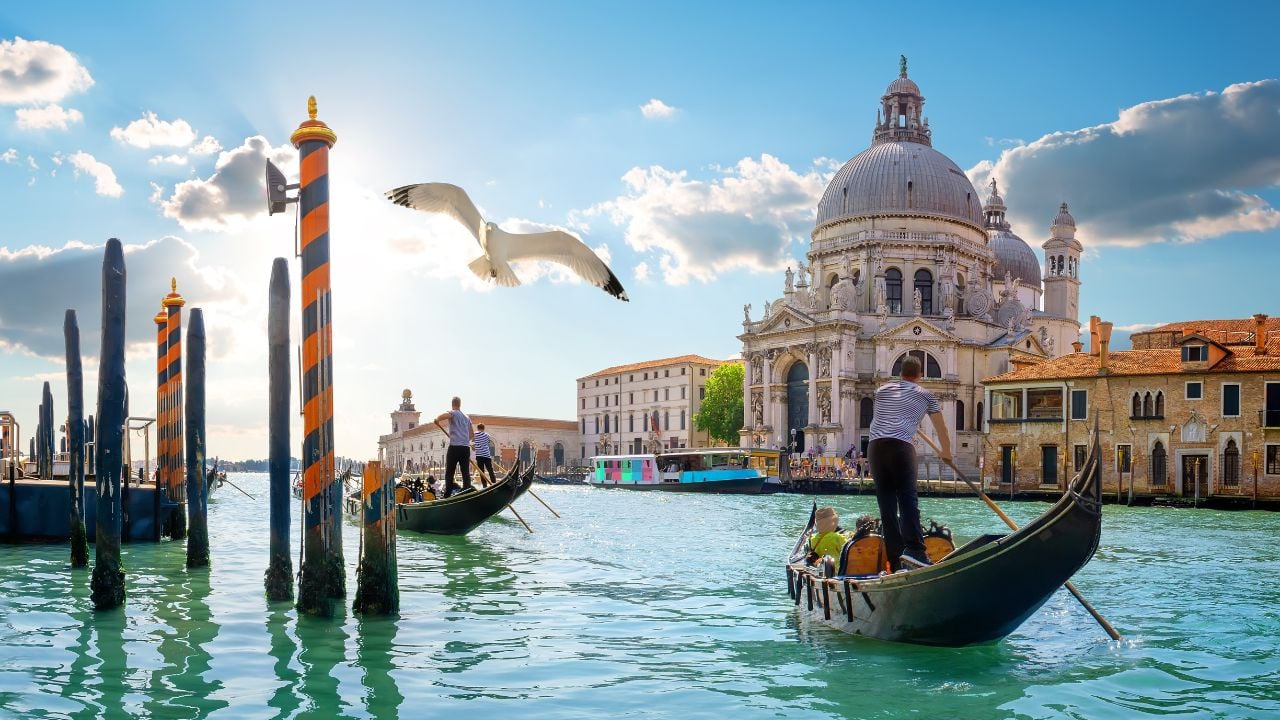
The controversial day-tripper entry fee system, fully operational throughout 2025, will reach optimal effectiveness in 2026. Early data suggests the €5 charge successfully reduces overcrowding while generating funds for infrastructure improvements. American visitors will benefit from more manageable crowds at iconic sites like St. Mark’s Square and the Rialto Bridge, along with shorter wait times for water taxis and vaporettos.
Venice’s new digital booking platform will streamline restaurant reservations, attraction tickets, and transportation, eliminating much of the logistical chaos that has frustrated visitors. The city’s investment in crowd prediction technology will help tourists plan visits to popular sites during optimal times, reducing the infamous bottlenecks around major attractions.
Florence’s Museum Revolution

Florence completes its multi-year museum expansion and digitization project in late 2025, creating significantly improved access to world-renowned collections in 2026. The Uffizi’s new timed-entry system, refined through extensive testing, will eliminate the massive queues that have defined the Florence experience. Additional exhibition space will allow more masterpieces to be displayed while reducing overcrowding in popular galleries.
The city’s new integrated ticketing system will allow visitors to book multiple attractions simultaneously, creating efficient sightseeing itineraries without the frustration of separate booking systems for each museum. Enhanced digital guides and improved signage will help American tourists navigate Florence’s cultural treasures more effectively than ever before.
Transportation Improvements

Italy’s high-speed rail network reaches new levels of efficiency in 2026 with completed upgrades to the Milan-Naples corridor and improved connections to secondary cities. New direct routes between major airports and city centers will reduce transfer complications that have challenged American travelers, while expanded baggage services eliminate much of the logistical stress associated with Italian train travel.
Regional transportation improvements include enhanced bus connections to Tuscany’s hill towns, upgraded ferry services to island destinations, and improved parking facilities in historic city centers. These upgrades address longstanding complaints about accessing Italy’s smaller destinations that offer authentic experiences away from major tourist centers.
Culinary Renaissance

Italy’s restaurant industry emerges from recent challenges with refined reservation systems, improved service standards, and enhanced English-language communication. The country’s investment in hospitality training programs, accelerated during the tourism recovery period, will deliver notably improved dining experiences for American visitors in 2026.
New food tour operators, certified through Italy’s enhanced tourism standards program, will provide authentic culinary experiences without the tourist trap atmosphere that has proliferated in recent years. Improved regulation of street food vendors and outdoor dining will create more pleasant dining environments in historic city centers.
Accommodation Evolution

The short-term rental regulations implemented across Italy in 2024-2025 will reach equilibrium in 2026, eliminating much of the uncertainty that has affected accommodation planning. Properties remaining in the market will meet enhanced standards for cleanliness, amenities, and guest communication, while traditional hotels benefit from reduced competition and improved service quality.
Italy’s new accommodation rating system will provide American travelers with reliable quality indicators, reducing the booking uncertainty that has characterized Italian travel in recent years. Enhanced consumer protection regulations will offer greater recourse for booking problems while encouraging higher service standards throughout the industry.
Cultural Site Access

Major archaeological sites complete extensive renovation projects begun during pandemic closures, offering 2026 visitors dramatically improved facilities. Pompeii’s new visitor pathways, enhanced preservation efforts, and improved crowd management will create an educational experience rather than the rushed, overcrowded visits that have disappointed recent travelers.
The Amalfi Coast’s new transportation coordination system will reduce traffic congestion while improving access to clifftop towns and coastal attractions. Enhanced pedestrian infrastructure will make walking tours safer and more enjoyable, addressing complaints about overcrowded walkways and dangerous traffic conditions.
Economic Factors Favor Visitors

Currency fluctuations and Italy’s efforts to attract tourism recovery create favorable economic conditions for American travelers in 2026. Government incentives for tourism businesses encourage competitive pricing while maintaining quality standards. Reduced competition from other European destinations dealing with tourism restrictions makes Italy comparatively more welcoming to American visitors.
The stabilization of Italy’s tourism industry after years of disruption will likely result in more predictable pricing and better availability for accommodations and dining reservations. Early booking incentives and loyalty programs will reward advance planning with significant savings.
Regional Balance Returns

Tourism distribution improvements will reduce overcrowding in traditional hotspots while highlighting lesser-known destinations. Enhanced promotion of regions like Puglia, Marche, and Umbria will offer American travelers authentic Italian experiences without the overwhelming crowds of Rome, Florence, and Venice.
Improved transportation connections to these emerging destinations will make multi-region itineraries more feasible, allowing visitors to experience Italy’s diversity without the logistical challenges that have previously limited exploration beyond major cities.
Strategic Timing for Americans

The 2026 travel window offers optimal conditions before potential new tourism restrictions and capacity limits that may emerge as Italy balances growth with sustainability. American travelers who visit in 2026 will experience Italy’s tourism infrastructure at peak efficiency while enjoying the improved services and reduced crowds that recent investments have created.
Weather patterns suggest 2026 may offer extended shoulder seasons with comfortable temperatures and reduced precipitation, creating ideal conditions for sightseeing and outdoor dining. This extended optimal travel period will allow more flexibility in planning visits around personal schedules rather than being constrained by narrow weather windows.
For American travelers who have delayed Italian vacations due to overcrowding concerns, logistical challenges, or infrastructure limitations, 2026 represents the ideal convergence of improved conditions, refined systems, and enhanced experiences that will define the next era of Italian tourism.