
Some car features are so strange, so specific, or so downright brilliant that they sound like urban legends. A vacuum cleaner in a minivan? A barking car alarm? A luxury brand with its own sausage? These might sound like internet jokes—but they’re all 100% real, straight from the factory or an official accessory catalog.
Automakers are constantly pushing the boundaries of innovation, practicality, and, let’s be honest, delightful weirdness. Whether it’s engineering elegance or high-tech hijinks, these features prove the auto industry still knows how to surprise us.
Let’s take a tour through the most wonderfully real, seemingly fake features ever to roll off a production line.
What Counts as “Too Weird to Be True”?
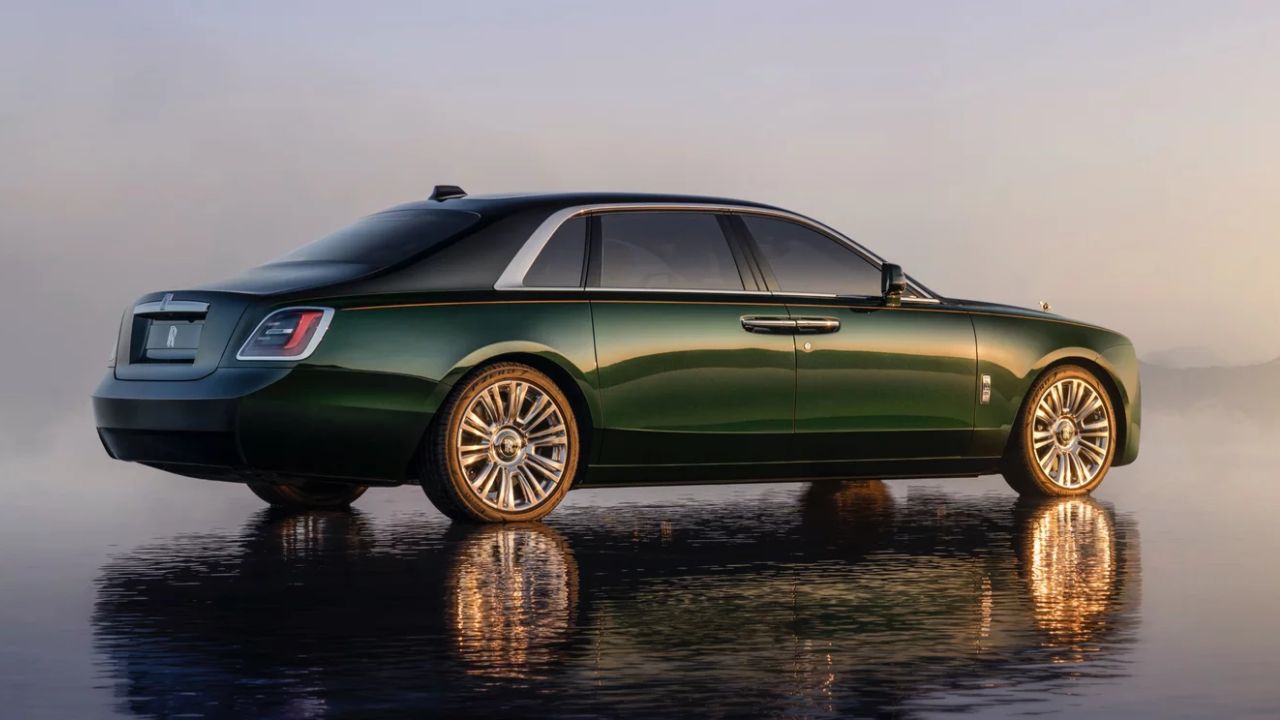
We focused on car features that blur the line between unbelievable and completely real. We selected features that sound like science fiction yet exist in production vehicles, or are so oddly specific and clever they seem more like satire than serious design choices.
Rolls-Royce’s Self-Righting Wheel Center Caps
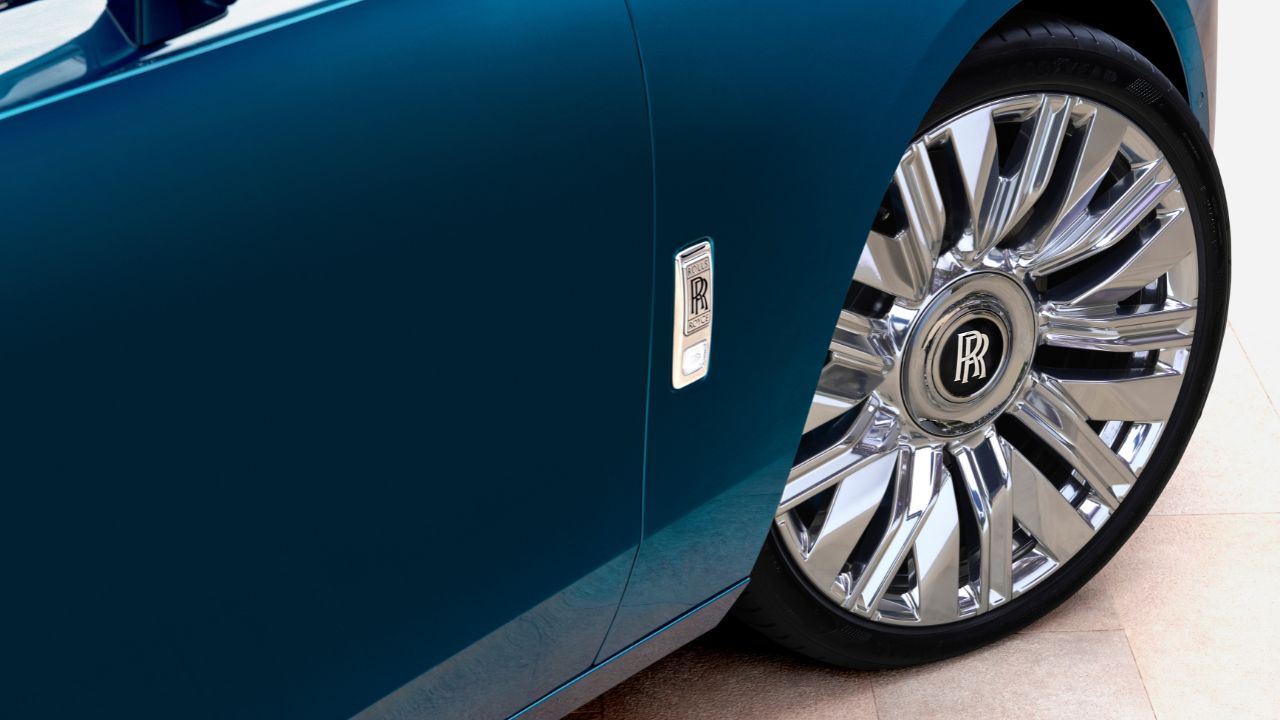
At first glance, it just looks like a subtle badge of luxury: the iconic double “R” logo gleaming from the center of each wheel. But look again. Those emblems aren’t spinning. Even at highway speeds, even on winding roads, the Rolls-Royce wheel center caps stay perfectly level. They’re mounted on a counterweight and bearing system that allows the caps to rotate independently from the wheels, keeping the logo upright at all times (what Rolls-Royce calls “floating wheel-centre caps”).
It’s a small detail, but a signature one, because in the world of Rolls-Royce, even gravity is expected to show some class.
Mercedes-Benz Magic Body Control

It sounds like a party trick, but it’s one of the most advanced suspension systems ever developed. Mercedes-Benz’s Magic Body Control uses a stereo camera mounted near the rearview mirror to scan the road ahead in real time. This “Road Surface Scan” technology detects upcoming bumps, dips, and imperfections, then sends that data to the car’s electronic suspension system, which proactively adjusts each shock absorber before the wheels even reach the obstacle.
The result? A ride so smooth it feels like the road is being ironed out in front of you. First introduced on the S-Class, it was famously demonstrated with a chicken (yes… a chicken).
It’s not just a comfort feature; it’s a real-time symphony of sensors, hydraulics, and predictive computing working to make rough roads feel like glass. Because in a Mercedes, even the pavement deserves a heads-up.
Tesla’s Bioweapon Defense Mode

Despite sounding like something out of a spy thriller, Bioweapon Defense Mode is a very real feature available in Tesla’s Model S, X, and some versions of the Model Y. When activated, it seals the cabin and engages a hospital-grade HEPA filtration system, capable of removing at least 99.97% of airborne particles as small as 0.3 microns. Think dust, pollen, pollution, and even bacteria.
But it doesn’t stop there. The system also pressurizes the interior slightly, creating positive air pressure to keep unfiltered air from sneaking in through cracks or seams. Tesla designed this to help in extreme air-quality situations, like wildfire smoke or high-pollution zones. The mode was famously demonstrated with a live test: a Model X was placed in a sealed bubble filled with toxic air, and after activating Bioweapon Defense Mode, the cabin air remained safe to breathe.
It’s bold, it’s dramatic… and it works. Just another example of Tesla turning over-the-top ideas into actual, functional tech.
BMW Gesture Control
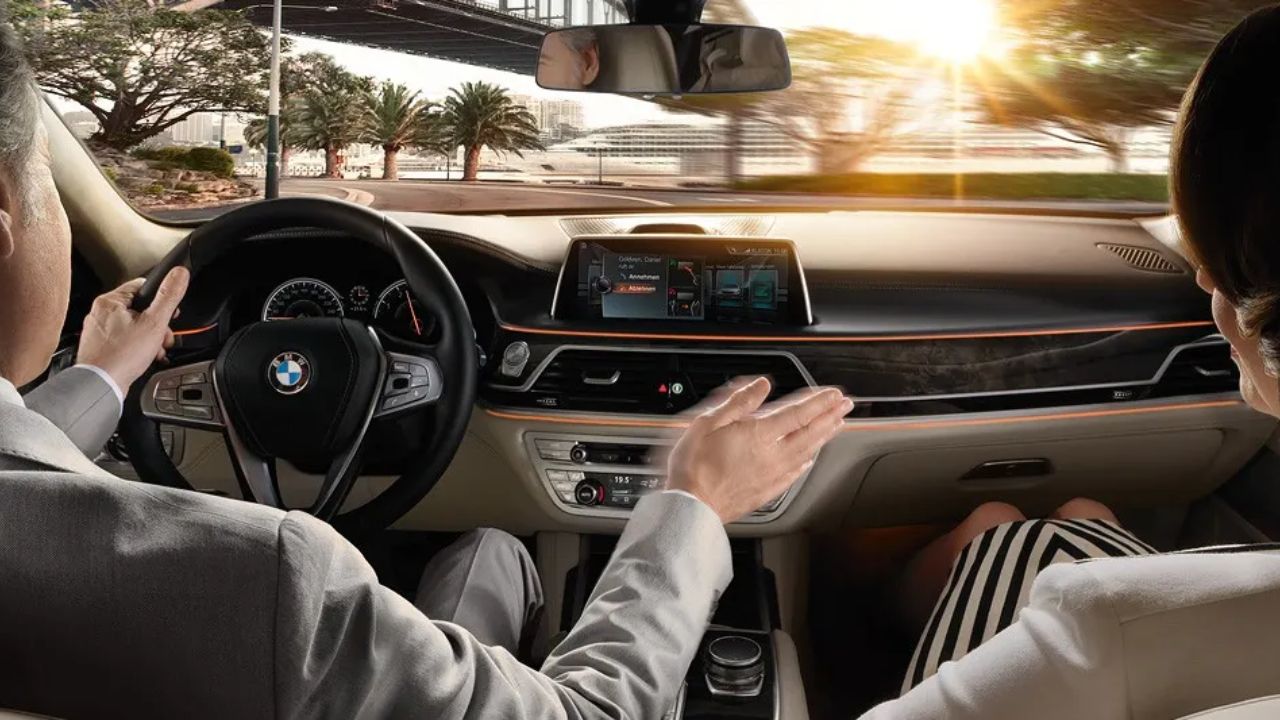
It sounds like a party trick, but it’s a real piece of BMW’s tech arsenal. With Gesture Control, you can adjust the volume, answer or reject calls, and navigate menus, all by waving your hand in specific patterns near the center console. A small 3D sensor tracks your finger movements mid-air and translates them into commands, like spinning your index finger clockwise to crank up the music or swiping to dismiss a call.
Originally introduced in the 7 Series and later offered in models like the 5 Series, X5, and others, Gesture Control adds a touch of sci-fi to the driving experience. It’s not always the most practical way to interact with your infotainment system, but it is undeniably cool. It’s also a step toward more intuitive, touch-free interfaces in future vehicles.
So if you’ve ever wanted to feel like a DJ or a Jedi while stuck in traffic, BMW has you covered.
Honda Magic Seats
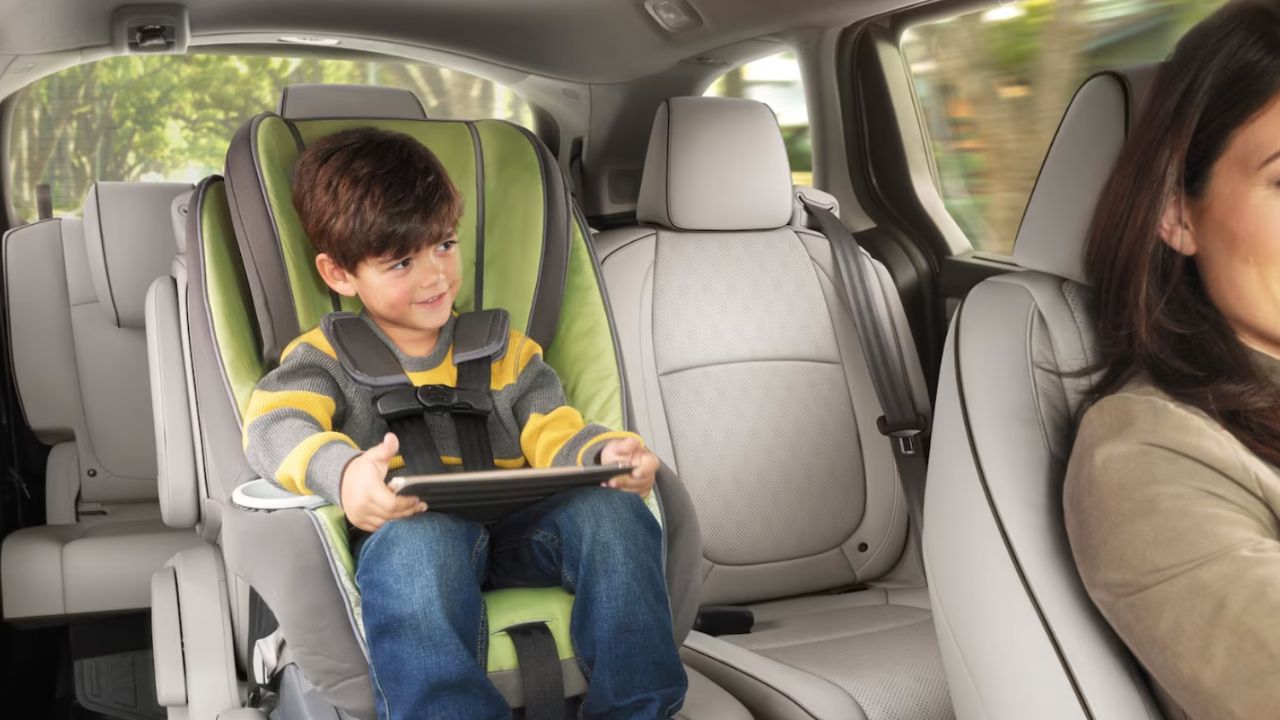
Don’t let the name fool you—this isn’t a magician’s act, but it does feel like a trick when you see it in action. Honda’s Magic Seat system, found in models like the Fit, HR-V, and some older Civics, offers a level of flexibility that puts most SUVs to shame. Unlike traditional rear seats that just fold flat, Magic Seats can fold in multiple configurations depending on what you need to carry.
You can flip the seat bottoms up against the backrest (like in a movie theater) to make room for tall items like houseplants or bikes. Fold the backs down completely flat for a large cargo floor. Or, in some models, fold both front and rear seats into a “lounge mode” for serious car camping or naps. It’s like the Swiss Army knife of seating—smart, versatile, and seriously underrated.
Whether you’re hauling furniture or a fiddle-leaf fig, Honda’s Magic Seats make it look easy.
Land Rover’s Transparent Hood
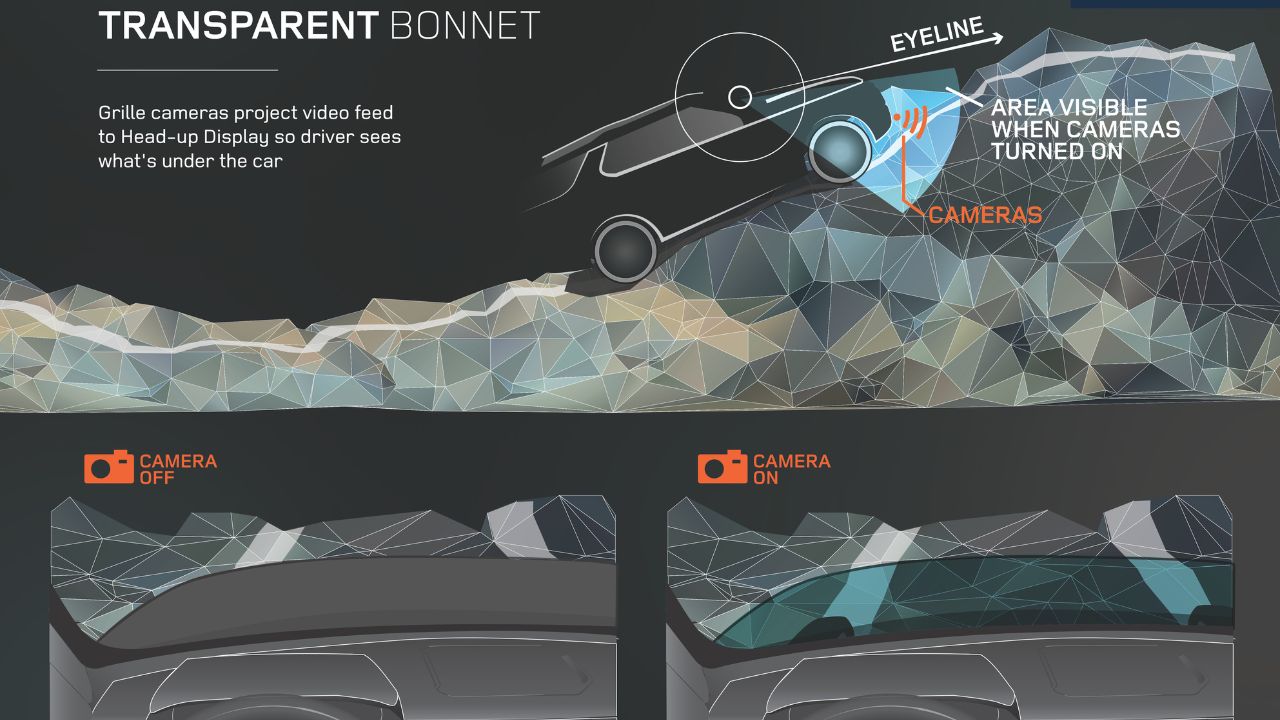
At first glance, it seems like an illusion, but this feature is all about giving drivers superhuman vision when it matters most. Land Rover’s Transparent Hood technology uses a set of forward-facing cameras mounted near the grille to capture real-time video of the terrain directly beneath the vehicle. This feed is then projected onto the infotainment screen or heads-up display in such a way that it appears as if the hood and engine bay have vanished.
It’s especially useful when off-roading, where knowing what’s directly under your front wheels can mean the difference between a smooth climb and a cracked axle. Rocks, ruts, and steep drop-offs become much easier to navigate when you can actually see what your tires are doing.
Officially called ClearSight Ground View, this clever bit of augmented reality gives drivers a kind of X-ray vision, turning a tall SUV into a surprisingly precise trail tool.
Ford’s Pop-Out Door Edge Protectors
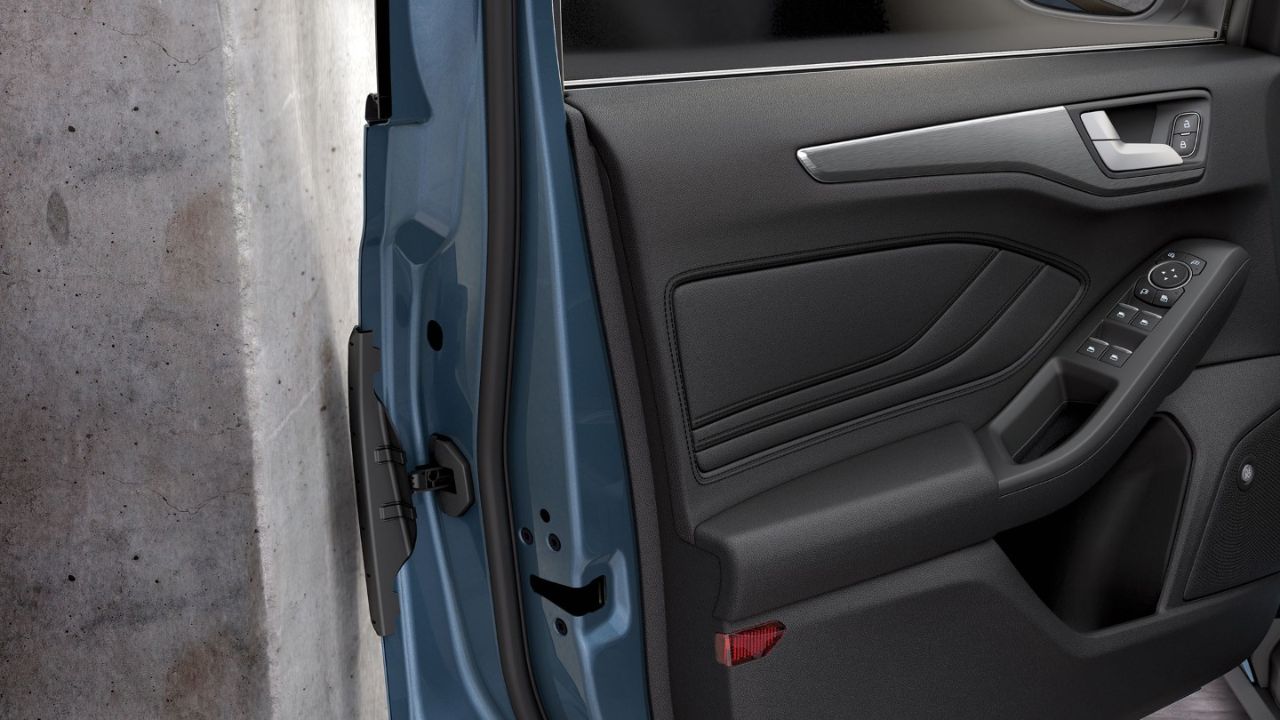
It’s the kind of clever feature you don’t know you need until you hear that sickening clunk of your door edge hitting a nearby car—or worse, a concrete pillar. Ford’s pop-out door edge protectors are a simple but brilliant solution: when you open the door, a small plastic guard automatically slides out to cover the edge. Close the door, and it tucks itself neatly back into place.
The system is fully automatic and integrated into the door design, so it doesn’t look like an add-on. It was first introduced on models like the Ford Focus and has quietly saved countless paint jobs in tight parking lots and cramped garages. No more apologizing to your neighbor, no more chips in your clear coat; just smooth, thoughtful engineering doing its job.
It’s like a little courtesy handshake from your car to theirs.
Hyundai’s Fingerprint Start
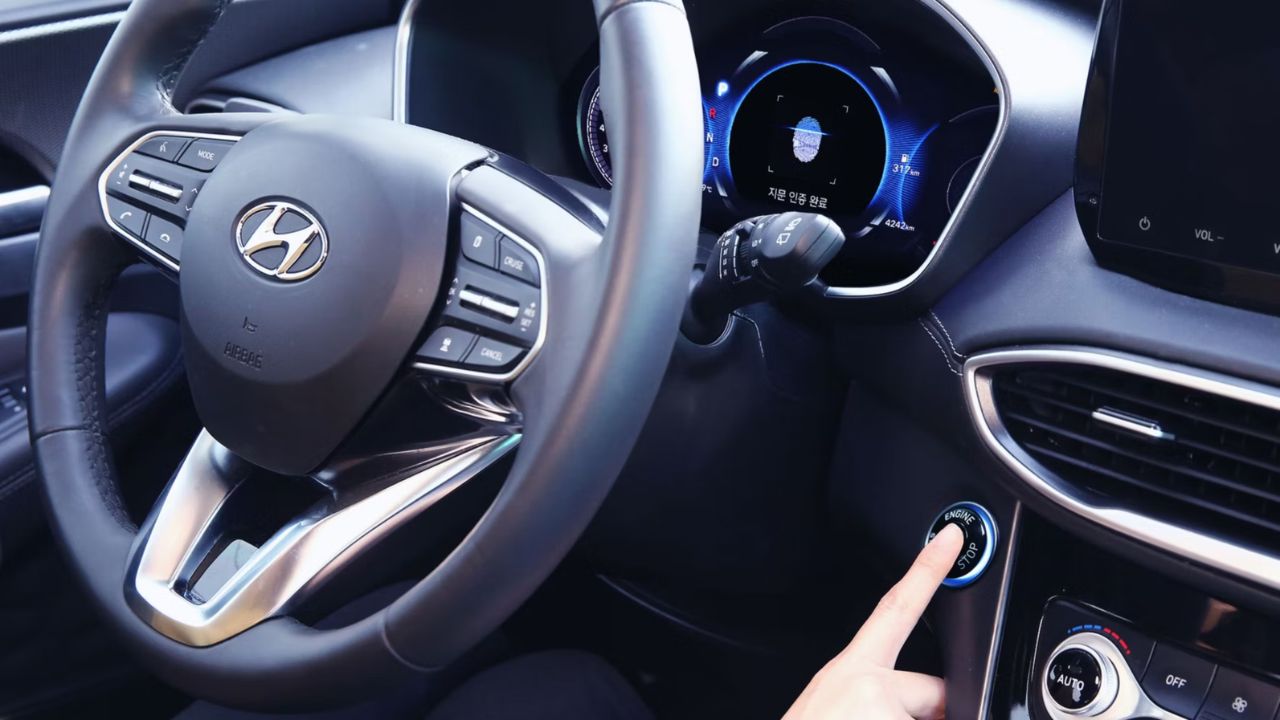
Forget key fobs, PIN codes, or phone apps — Hyundai has taken a more futuristic route. In select overseas models like the Chinese-market Santa Fe, Hyundai offers a fingerprint recognition system that lets you unlock the doors and start the engine using nothing but your fingertip.
The scanner is built right into the door handle and the start button, and it’s smart enough to tell the difference between a real finger and a fake one. It even tailors the car’s settings—like seat position and mirror angles—based on who’s driving. Hyundai says the encrypted system has a failure rate of just 1 in 50,000, offering both convenience and security in one touch.
It’s not yet available in North America, but it’s a glimpse of how biometrics could soon replace keys altogether. Just think: no more digging through your bag or pockets. Just touch, start, and go.
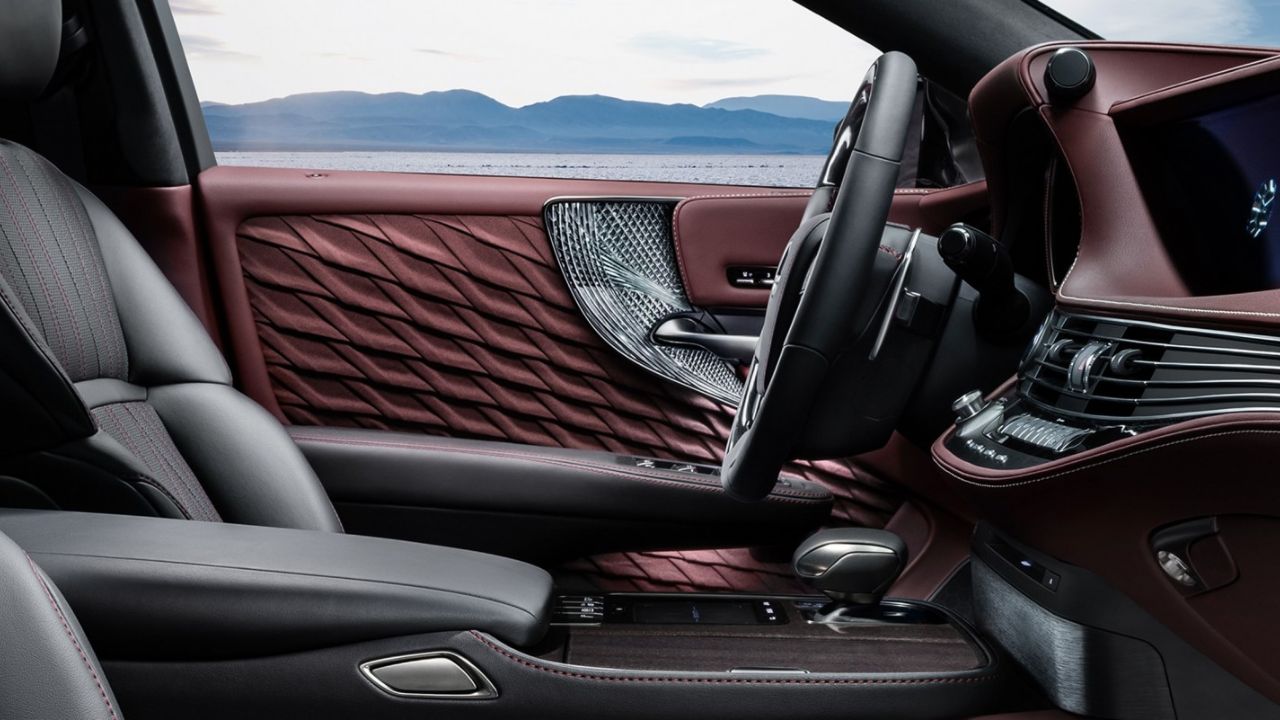
Lexus Origami Fabric Folding
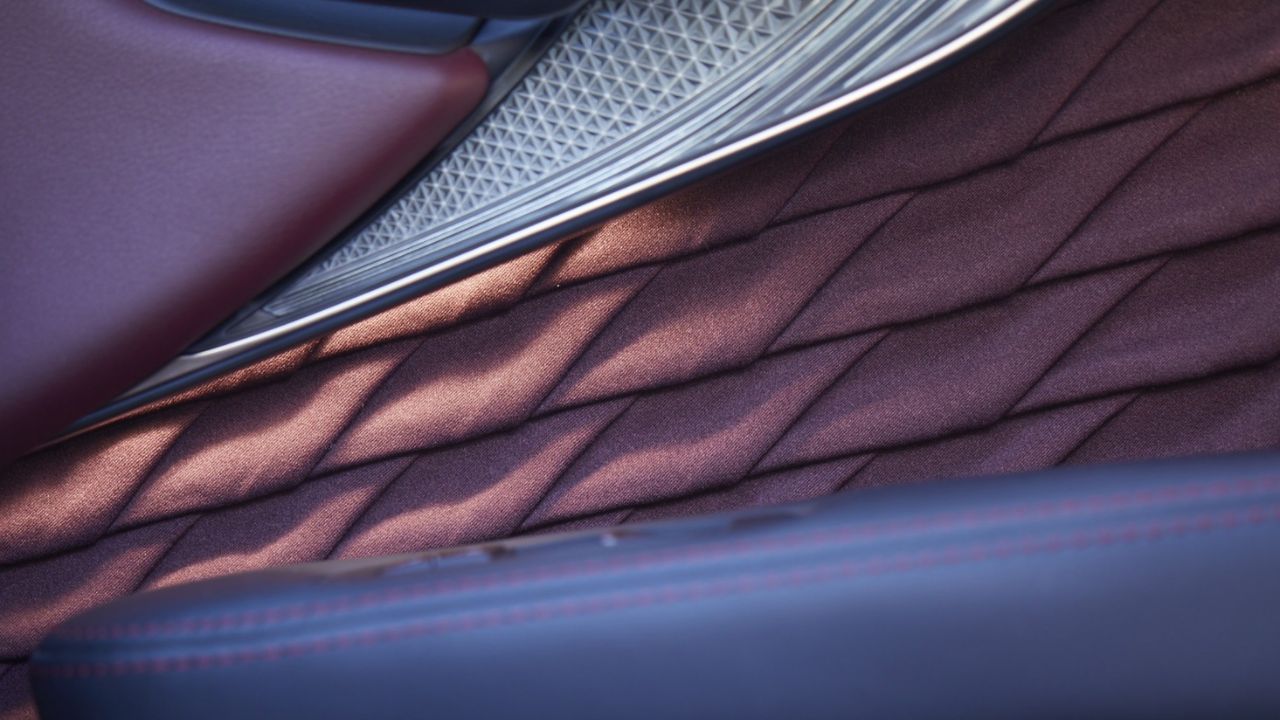
It might sound like a luxury myth, but this one’s beautifully true. Some Lexus models feature interior door trim that’s folded in a style inspired by traditional Japanese origami, and it’s not done by machines. Instead, Lexus employs Takumi master craftsmen (and women) who’ve undergone a unique test: they must fold a perfectly symmetrical paper crane in under 90 seconds using only their non-dominant hand.
This level of dexterity and discipline ensures that every crease in the soft leather or synthetic fabric is exact, consistent, and artfully done. The result is not just a texture, but an intricate pattern of folds that gives the cabin a quiet depth and elegance you can see and feel.
It’s functional beauty, designed by human hands, in an age when most car interiors are pressed out by robots. Only Lexus would require origami skills for an upholstery job, and we love them for it.
Volkswagen’s Official Currywurst

Yes, really! Volkswagen doesn’t just make cars. It also makes sausage. Since 1973, the company has produced its own currywurst at a factory in Wolfsburg, Germany, complete with an official Volkswagen part number: 199 398 500 A. Originally made to feed employees in the company cafeterias, the sausage became so popular that VW started selling it to the public.
For years, this humble currywurst was actually Volkswagen’s best-selling “product” in Germany, with annual production numbers reportedly exceeding 7 million sausages, far more than the number of vehicles sold domestically. VW even developed its own ketchup to go with it.
So, yes: the same company that gave us the Golf GTI and the Beetle also makes a mean sausage. And for a time, more Germans were bringing home a pack of VW currywurst than a new car.
BMW’s Fake Engine Noise

Modern cars are quieter than ever—thanks to tighter regulations, better insulation, and, in many cases, turbocharged engines that naturally muffle their growl. But silence isn’t always golden, especially when you’re behind the wheel of a performance car. Enter BMW’s Active Sound Design, a system that digitally enhances or simulates engine noise and pipes it through the car’s speakers to create a more exciting driving experience.
It’s not entirely fake; the system uses real-time data from the engine to generate sound that reflects what the car is doing. But it’s been… refined. Depending on the model, it might make your inline-six sound beefier, your V8 more aggressive, or your turbo four a bit less wheezy. BMW isn’t alone here. Brands like Porsche, Ford, and Lexus have used similar tricks.
Think of it like a movie soundtrack for your daily drive. It’s your real car, just with a bit more bass and drama.
Citroën’s Hydraulic Suspension

Long before adaptive suspensions and air ride systems were mainstream, Citroën was already rewriting the rules of ride comfort. Introduced in the 1950s on the iconic Citroën DS, the hydropneumatic suspension system used a combination of hydraulic fluid, pressurized nitrogen, and clever engineering to do things no other car could.
Drivers could raise or lower the ride height at the push of a lever — helpful for clearing obstacles, changing a tire without a jack, or just showing off. The system automatically leveled the car regardless of load, delivering a ride so smooth it famously allowed passengers to transport eggs across cobblestones without cracking them. And yes—it could drive on three wheels if needed, a party trick that left onlookers stunned.
It wasn’t just advanced for its time, it was from another planet. Citroën’s “magic carpet” ride turned every trip into a glide, decades before anyone used the phrase adaptive suspension.
Toyota’s Solar-Powered Roof
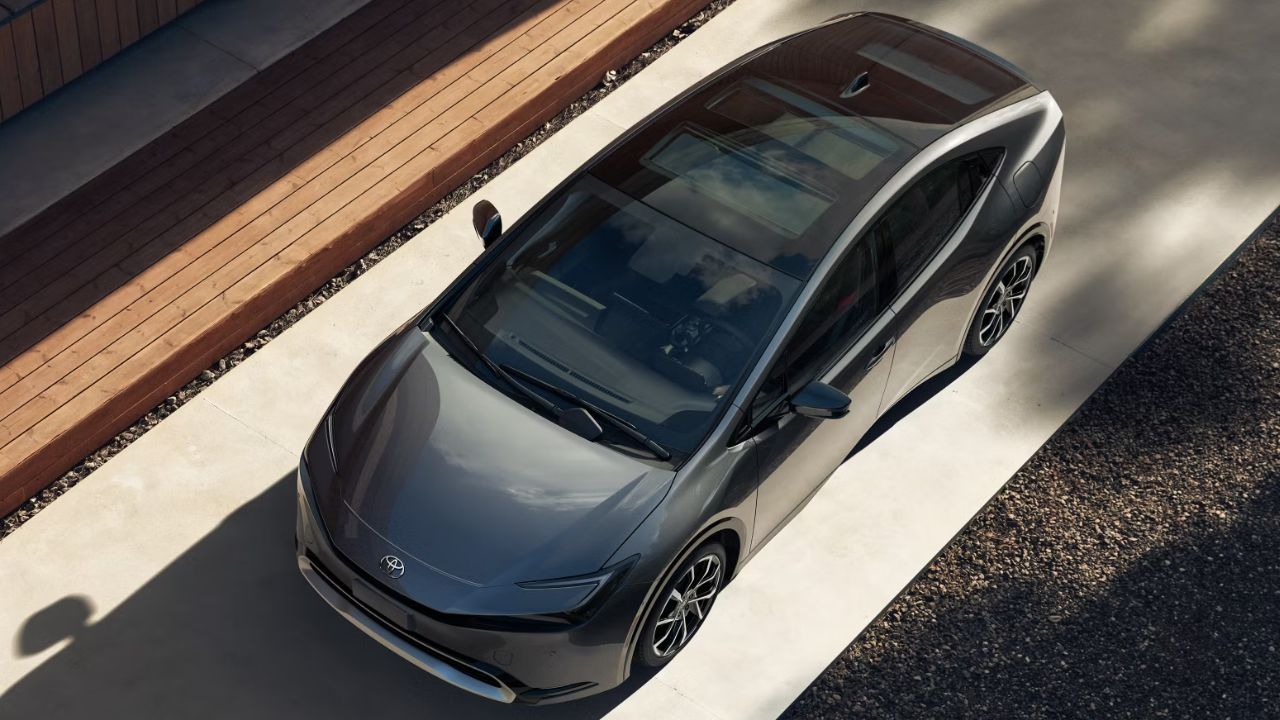
Leave it to Toyota to harness the sun for more than just a tan. On select Prius models—especially in Japan and Europe—Toyota offers an optional solar roof that does more than look cool. When the car is parked, it can power built-in fans to ventilate the cabin, keeping the interior from turning into a sauna. In some versions, especially in the Prius Prime (also known as the Prius PHV in Japan), the roof can even help recharge the hybrid battery while the car is in motion.
The upgraded system uses high-efficiency solar panels integrated into the roof and, in some variants, the rear spoiler. On a good day, it can generate enough power for a few extra miles of electric driving — without plugging in. It’s not going to replace a charger anytime soon, but it’s a clever way to put all that rooftop real estate to use.
It’s clean, quiet, and kind of brilliant. Literal sunshine, turned into momentum.
Cadillac’s “Night Vision” Windshield Display
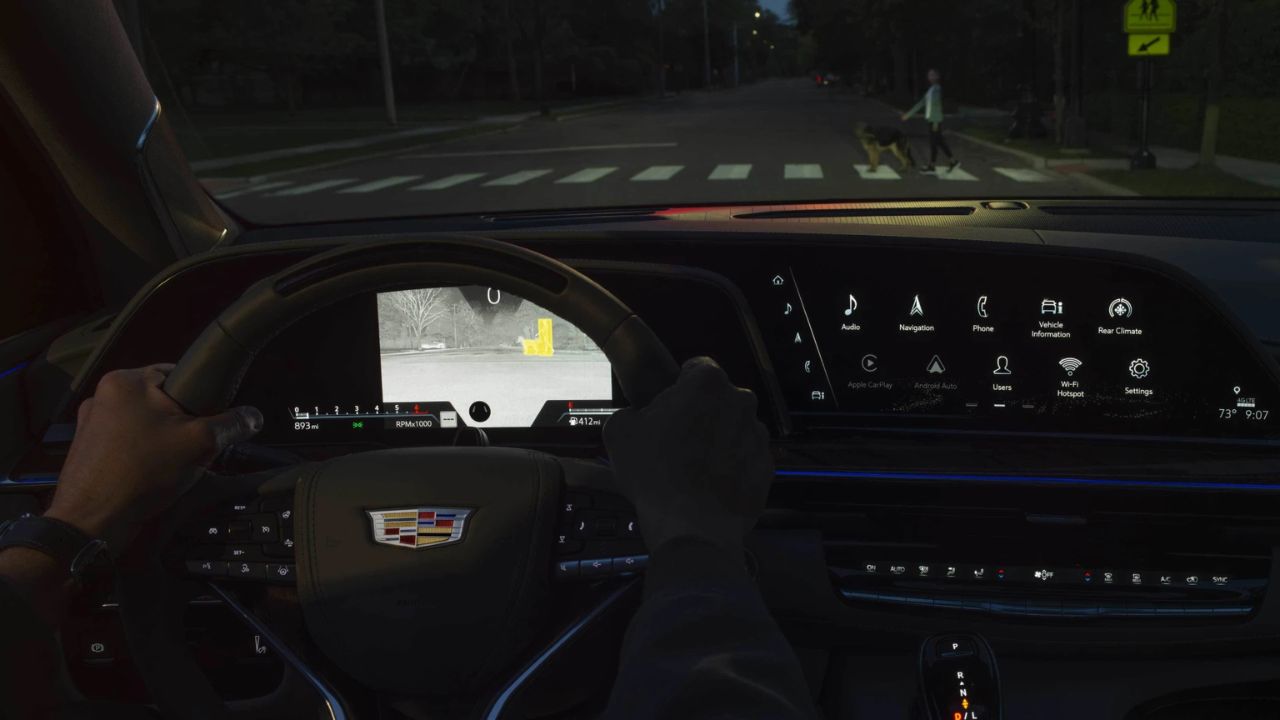
Driving through dark, rural roads or foggy highways? Cadillac has your back — literally — with an available night vision system that uses thermal imaging to detect heat signatures from people, animals, and objects beyond the reach of your headlights. The system then displays this information on the digital instrument cluster or heads-up display, showing glowing silhouettes as they approach your path.
It works by using an infrared camera mounted in the grille to scan the road ahead. If something warm-blooded enters your lane — like a deer or a pedestrian — the system highlights them and may even trigger a warning alert. It’s a feature once reserved for fighter jets and military vehicles, now baked into luxury cars to make night driving safer.
In a Cadillac, the dark doesn’t have to be dangerous. With night vision, you’re not just seeing the road… you’re seeing what’s hiding in it.
Honda Odyssey’s Built-In Vacuum

Minivan life means road trips, soccer practice, snack time, and inevitably, a carpet full of crushed crackers. That’s why Honda did something brilliantly simple with the Odyssey: they added a built-in vacuum cleaner. Starting with the 2014 Odyssey Touring Elite and later trims, the feature — branded as HondaVAC — lives in the rear cargo area and comes with a long, flexible hose that can reach all the way to the front seats.
Co-developed with Shop-Vac, this integrated system runs off the vehicle’s power and can stay on for several minutes after the engine shuts off. It’s strong enough for everyday messes and comes with different nozzles for those hard-to-reach crumbs.
No more dragging the household vacuum out to the driveway. With HondaVAC, cleanup is always within arm’s reach—because kids are adorable, but their trail of destruction is real.
Mercedes’ In-Car Scent Diffuser

Luxury isn’t just about what you see or feel — it’s also about what you smell. In higher-end Mercedes-Benz models like the S-Class and GLE, you’ll find an optional feature called AIR-BALANCE, which includes an in-cabin scent diffuser built right into the climate control system.
Using replaceable perfume cartridges tucked inside the glove box, the system gently releases your chosen fragrance through the air vents in adjustable bursts. Scents range from sporty and citrusy to rich and woodsy, with names like “Downtown Mood” or “Nightlife Mood.” It’s not overwhelming either; the system is designed to be subtle and fade quickly so it doesn’t linger like an overzealous air freshener.
The AIR-BALANCE package can also ionize and filter the cabin air, creating what Mercedes calls “a more pleasant and invigorating atmosphere.” Translation? Your car smells expensive, because it is.
Audi’s Matrix Laser Headlights
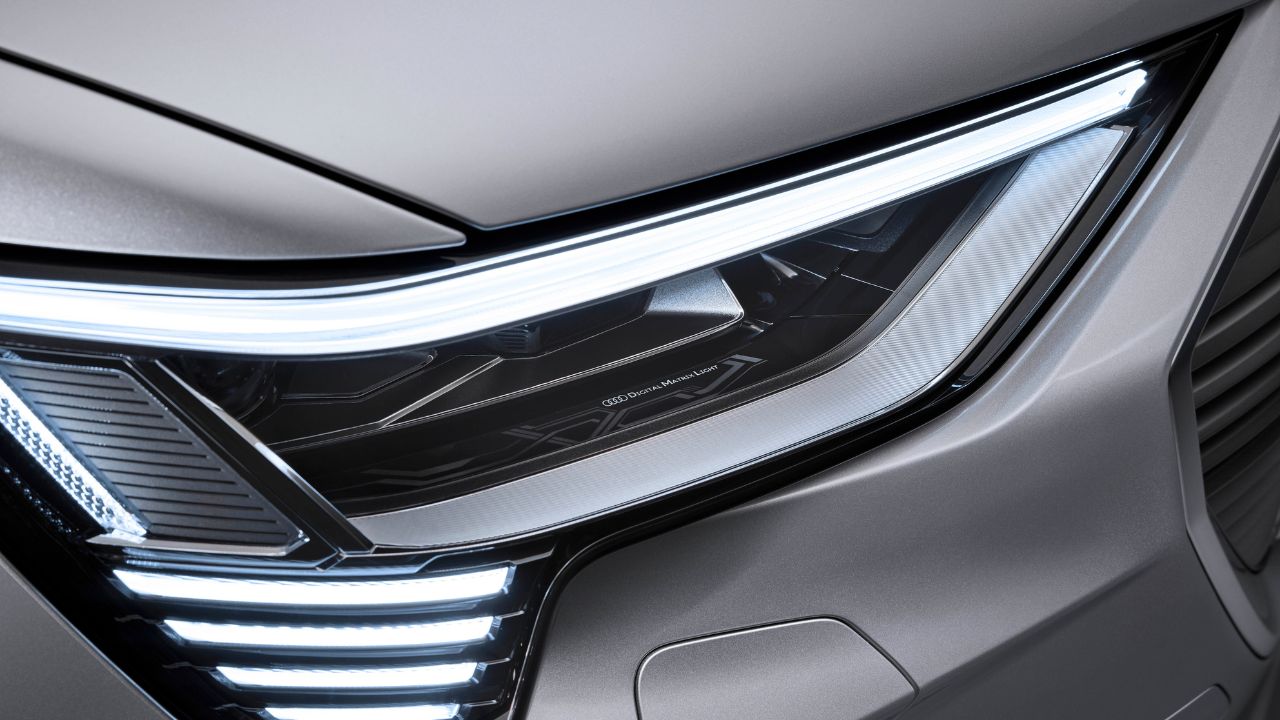
If headlights had a brain, this is what they’d look like. Audi’s Matrix Laser Headlights use a combination of LEDs, lasers, and advanced sensors to light the road with uncanny precision. The system constantly scans your surroundings and can selectively dim specific portions of the high beam so you don’t blind oncoming drivers or dazzle the car in front of you, while keeping the rest of the road fully lit.
The “matrix” refers to how the beam is broken into individual light segments that can be turned on or off independently. In high-spec models, lasers enhance the high beam range, providing an incredibly sharp, far-reaching spotlight that activates automatically at higher speeds. These headlights can even highlight pedestrians, road signs, or lane markings.
It’s like having a spotlight that thinks for itself—part safety tech, part sci-fi, and all Audi.
Nissan’s Self-Parking Office Chairs
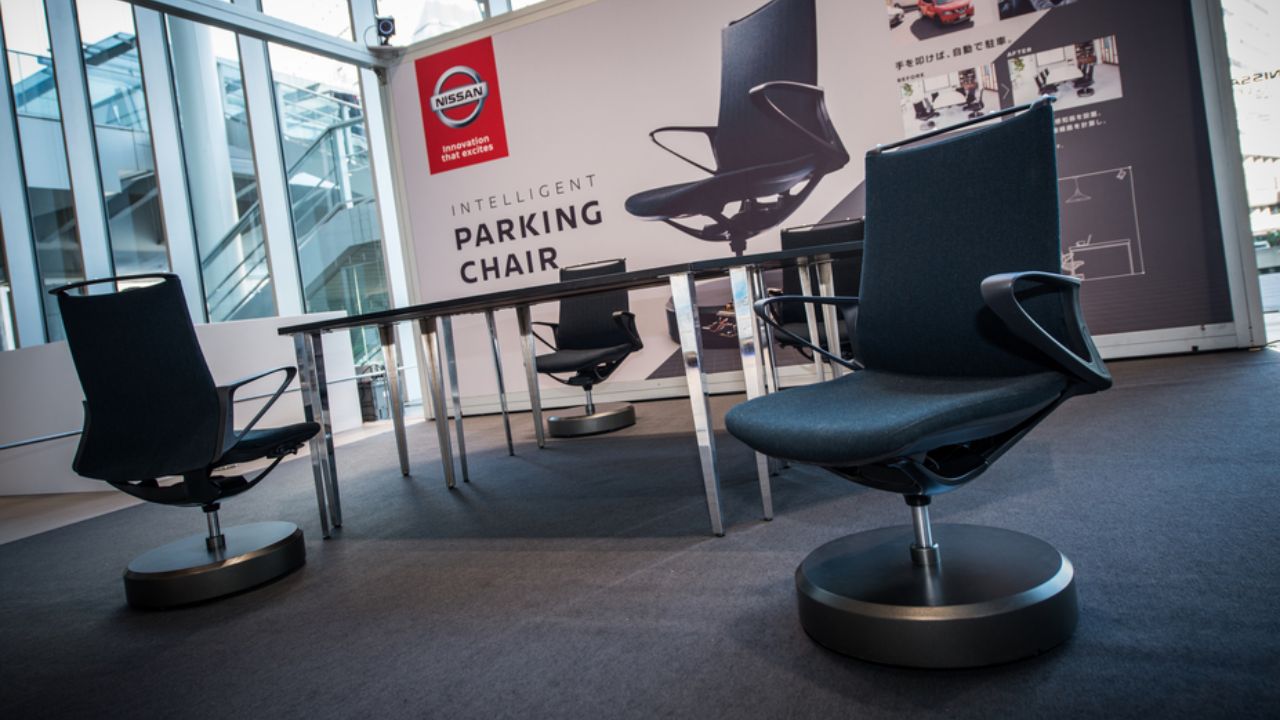
This one’s not in a car, but it might be the most delightfully weird automotive tech demo ever created. In 2016, Nissan unveiled a set of self-parking office chairs as part of a promotional campaign to show off its Intelligent Parking Assist technology. With the clap of a hand, the chairs — equipped with motors, sensors, and Wi-Fi — whirred to life and gracefully rolled themselves back to their original positions under desks and conference tables.
Each chair was tracked by ceiling-mounted cameras and guided by a central control system, mimicking the same kind of spatial awareness and autonomous adjustment used in Nissan’s real-world parking systems. It was part high-tech wizardry, part viral marketing genius. And yes, it actually worked.
Sure, no one’s commuting in a rolling swivel chair just yet. But as a way to showcase what self-parking technology could do (and make people smile while doing it), Nissan absolutely nailed it.
Yes, This Is All Real
From sausage part numbers to biometric start buttons, these features prove that car design isn’t just about performance and practicality, but also about imagination. Whether they solve real problems or just make the drive a little more delightful, these automotive oddities remind us that innovation doesn’t have to be boring.
So the next time someone tells you their car can vacuum up their kids’ messes or see in the dark, don’t scoff — ask them where they bought it.