A new study by traffic expert Sam Schwartz’s research program at Hunter College and Open Plans found that Waymo robotaxis have a higher rate of crashes resulting in serious injuries or fatalities per mile driven than New York City’s existing for-hire vehicle fleet.
The safety of Waymo’s autonomous vehicles has been the subject of ongoing debate, and the latest findings offer a different perspective by comparing the company’s robotaxis with the taxis, Ubers, and Lyfts they could one day replace.
Waymo has previously said its autonomous vehicles are better than human drivers at avoiding crashes that cause injuries, including serious ones, as well as collisions that trigger airbag deployments.
However, the study found that Waymo’s robotaxis had a higher rate of serious injury and fatal crashes than New York City’s for-hire fleet, while also noting that more data is needed to draw firm conclusions.
Waymo Involved in Higher Rate of Crashes Causing Serious Injuries
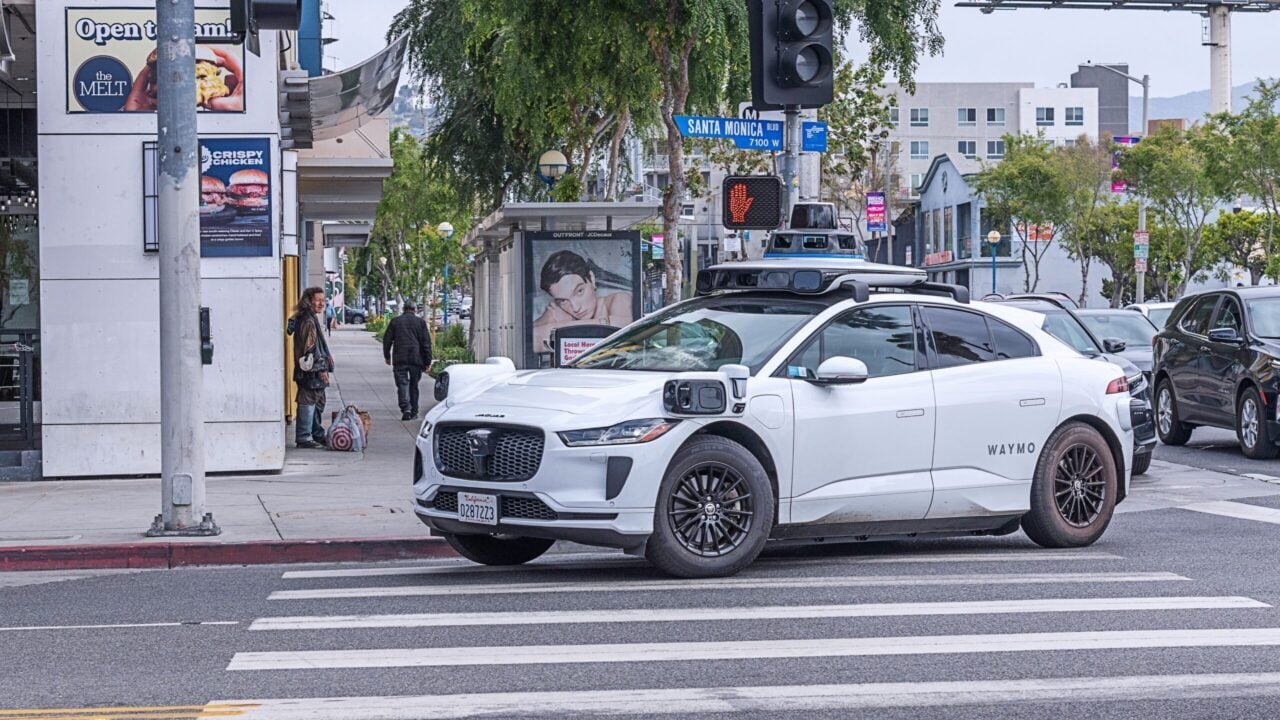
According to the report, Waymo’s robotaxis are involved in fewer injury-causing crashes overall. However, they were involved in a higher rate of crashes resulting in serious injuries or fatalities than New York City’s current for-hire fleet.
Waymo compares its safety record with that of the average human driver. The study says New York City’s for-hire vehicles are involved in serious or fatal crashes at a rate that is 14 times lower than the average vehicle, making them a more appropriate benchmark for robotaxis.
When all injury-causing crashes were considered, Waymo performed better. Its robotaxis were involved in about 67% fewer injury crashes per million miles than New York City’s for-hire vehicles.
That said, the researchers said it is still too early to draw firm conclusions because Waymo has driven relatively few miles and the available data is limited.
The researchers compared Waymo’s nationwide crash data with New York City’s for-hire fleet and found the robotaxis had a serious injury or fatal crash rate about 1.5 times higher per mile driven.
The study says it is still too early to determine whether Waymo’s robotaxis are safer than the vehicles they could replace. The researchers argue that the results highlight the need for closer review as robotaxi services grow.
The study also found that replacing New York City’s high-use for-hire vehicles with robotaxis could increase traffic. Because parking is limited, robotaxis would likely spend more time driving without passengers, adding to congestion and increasing wear on city streets.
During the period analyzed, New York City’s for-hire fleet was involved in 16 crashes that resulted in serious injuries or fatalities, while Waymo recorded three nationwide. However, the researchers concluded that Waymo’s crash rate was higher because its robotaxis had driven far fewer miles.
Notably, the report measures crashes involving Waymo vehicles and does not determine whether the robotaxis were at fault in those incidents.
Related News: Waymo Passenger Left Horrified After Robotaxi Allegedly Flees Police, Speeds Through Construction Zone
Waymo Spokesperson Responds to Study
Waymo spokesperson Ethan Teicher commented on the published study, highlighting the need for a fairer comparison. He said:
“Any meaningful safety analysis should compare apples-to-apples data, based on best practices. We caution against comparisons that extrapolate Waymo’s safety performance from one place to another.”
“While we aren’t able to say with certainty what the safety benefit of our technology would look like in New York, the data to date makes us hopeful our technology can help make New York City’s roads safer,” he added.
New York City approved a pilot program last August allowing Waymo to operate eight autonomous vehicles on public roads, provided a safety driver remained behind the wheel and no passengers were picked up. No crashes were reported during the pilot program.
Waymo’s autonomous vehicle pilot program in New York City ended on March 31, 2026, after its testing permits expired. City officials chose not to renew the permits, while state lawmakers also put plans to legalize driverless vehicles on hold.
Related News: Oh No, No, Don’t Go”: Woman Freaks Out After Waymo Drives Into Firework – Passenger Wonders If the Robotaxi Is Burning