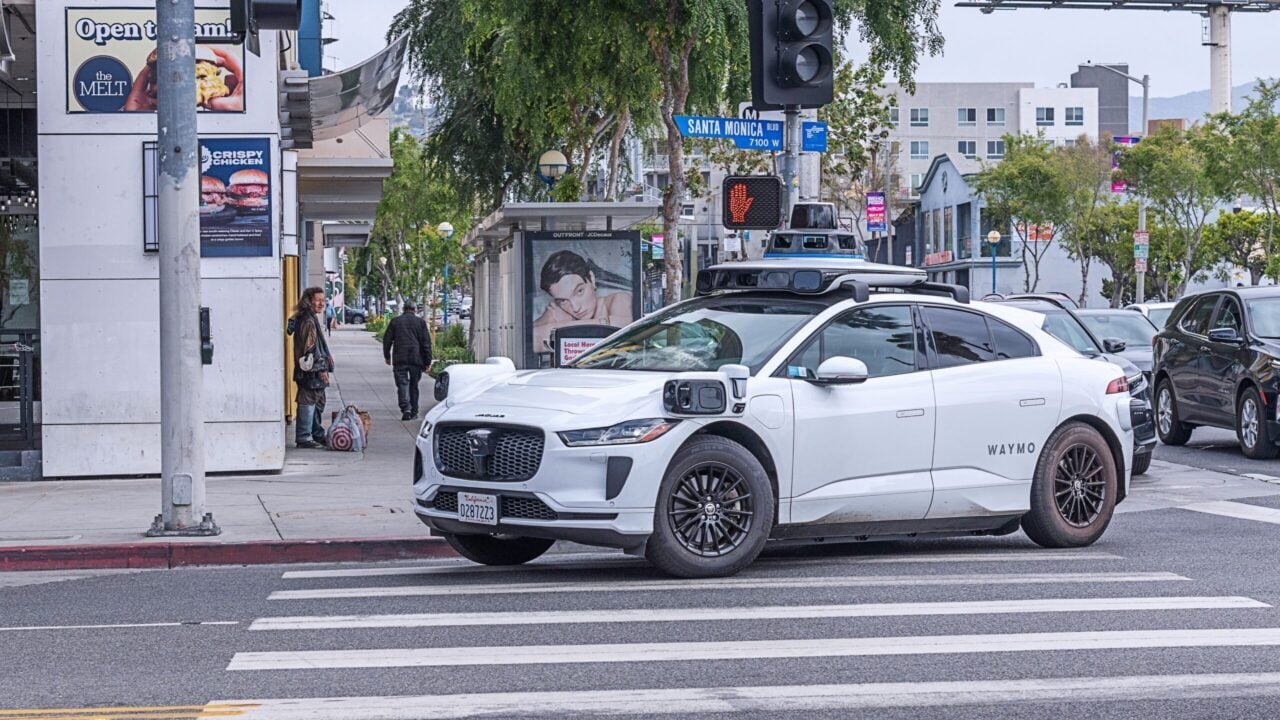
Waymo’s autonomous ride-hailing vehicles are involved in significantly fewer crashes than human-driven vehicles, according to a new study released by the Insurance Institute for Highway Safety (IIHS). The findings add to growing evidence that fully driverless technology can improve road safety under the right operating conditions.
Researchers analyzed crash data from Waymo’s robotaxi operations across San Francisco, Phoenix, Los Angeles, and Austin. After accounting for reporting differences between automated vehicles and conventional drivers, the study concluded that Waymo’s driverless fleet experienced substantially fewer police-reportable crashes per mile traveled.
While the results are encouraging for autonomous driving technology, IIHS cautioned that current federal reporting systems remain inadequate for tracking safety as robotaxi services continue to expand. The organization says more comprehensive data collection will be essential before drawing broader conclusions about the technology’s long-term performance.
The study also highlights an important distinction between fully autonomous robotaxis and the advanced driver-assistance systems available to consumers today. Although both rely on automation, they operate under very different safety models and regulatory frameworks.
Waymo Outperformed Human Drivers Across Most Cities
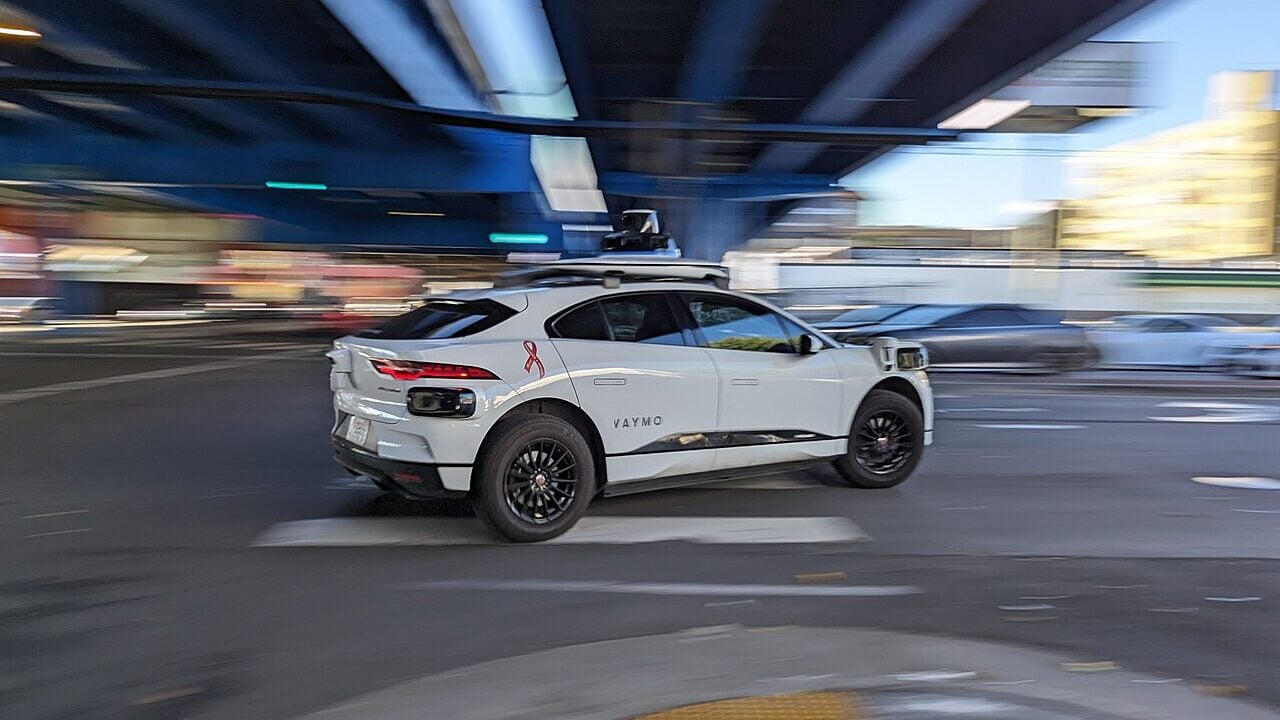
IIHS reports that Waymo’s driverless vehicles recorded a crash involvement rate that was 68 percent lower than human drivers when measured by vehicle miles traveled. The comparison focused only on crashes that would typically be serious enough for a person to report to police, creating a more consistent benchmark.
The largest improvement was recorded in Phoenix, where Waymo’s crash rate was 76 percent lower than that of human drivers. Los Angeles followed with a 71 percent reduction, while San Francisco saw a 35 percent improvement. Austin was the lone exception, with Waymo posting a crash rate approximately four percent higher than human drivers, although IIHS noted the sample size there was relatively small.
Researchers also found the autonomous fleet was involved in 85 percent fewer single-vehicle crashes and 81 percent fewer injury crashes per mile than conventional drivers.
Study Required Extensive Data Cleanup
Comparing autonomous vehicles with human drivers proved more complicated than simply reviewing crash reports. IIHS researchers explained that federal reporting rules historically required self-driving companies to document many low-speed or minor incidents that human drivers would rarely report.
To create a fair comparison, the research team reviewed hundreds of crash reports submitted to the National Highway Traffic Safety Administration between 2021 and 2024. They removed duplicate entries, excluded incidents that occurred when autonomous systems were not engaged, and filtered out cases that would not typically result in a police report.
Out of 736 crashes involving automated driving systems on public roads, only 159 were ultimately classified as police-reportable. Waymo accounted for 89 of those crashes, including 64 that occurred during fully driverless operation.
Better Data Is Needed as Robotaxis Expand
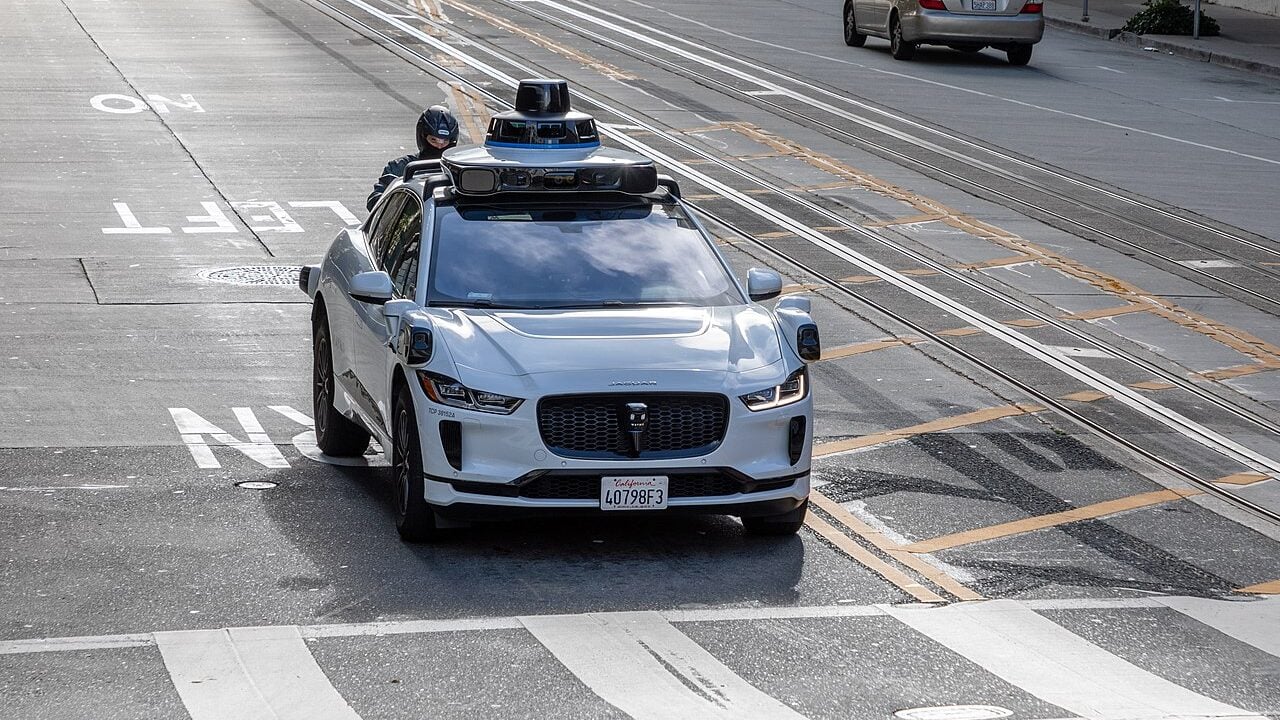
One of the biggest concerns raised by IIHS is the lack of standardized reporting across the autonomous vehicle industry. Although companies must report qualifying crashes, they are generally not required to disclose how many autonomous miles their vehicles travel.
Waymo voluntarily publishes its vehicle mileage, allowing researchers to calculate crash rates. Most competing companies do not provide the same level of transparency, making direct comparisons difficult and limiting independent safety analysis.
IIHS President David Harkey said the results demonstrate that driverless vehicles can outperform human drivers, who may become distracted, fatigued, or impaired behind the wheel. However, he emphasized that regulators need a stronger nationwide reporting system capable of monitoring safety as autonomous vehicle deployments grow.
Autonomous Vehicles Continue to Face Different Challenges
The study also reinforces the distinction between Level 4 autonomous vehicles like Waymo’s robotaxis and the Level 2 driver-assistance systems offered by many automakers today. Features such as Ford BlueCruise and General Motors Super Cruise still require drivers to remain attentive and ready to take control at any moment.
Level 4 systems, by comparison, are designed to handle all driving tasks without human supervision within specific operating areas. IIHS believes the latest findings represent a positive step for the technology, while stressing that continued transparency and improved crash reporting will be critical as autonomous vehicles become more common on public roads.