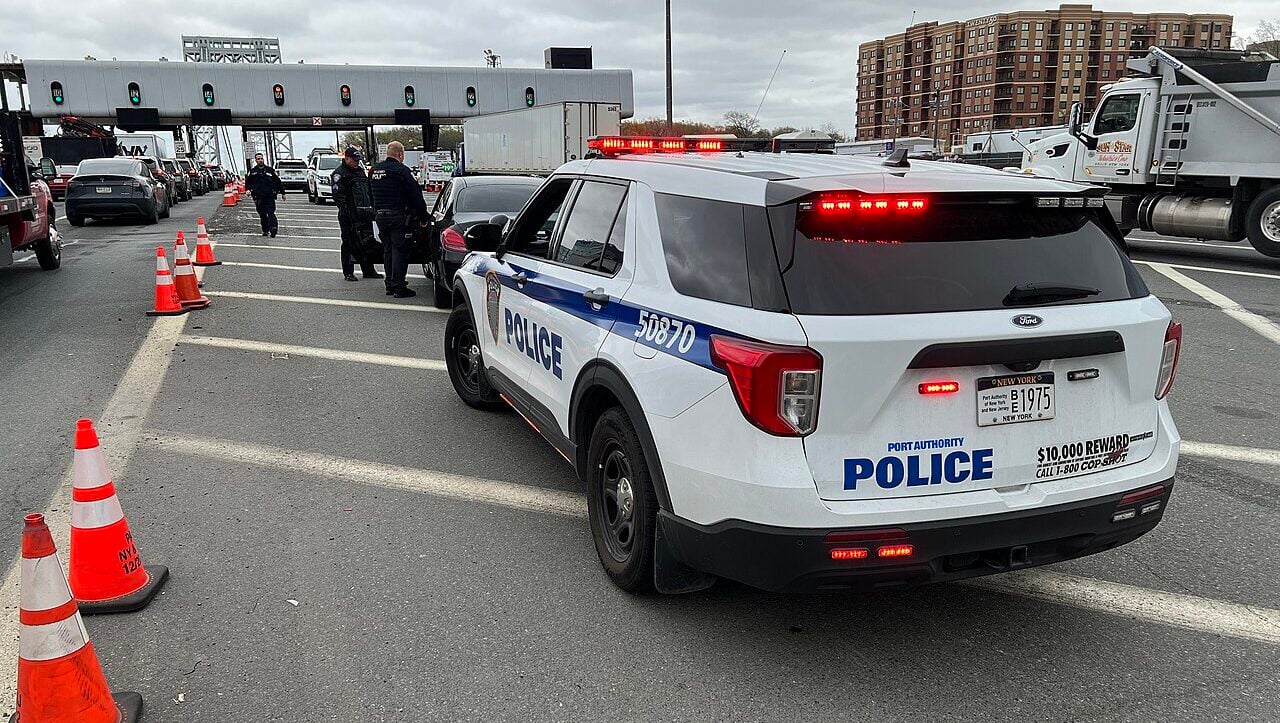

Traffic stops are stressful. We all know it. You’re cruising along, maybe a little over the speed limit, and suddenly the flashing lights in your rearview mirror signal the start of a mini heart attack. Your hands get clammy, your thoughts scatter, and trying to explain yourself to a police officer feels harder than parallel parking a bus.
Now, Washington state is giving drivers a small tool to take the edge off: a blue envelope.
Yes, a blue envelope. It might sound like a prank or a quirky roadside gimmick, but it is real, legal, and designed to make traffic stops less anxiety-inducing. Officially, the program is voluntary, but it’s aimed squarely at drivers who experience stress, sensory overload, or communication difficulties during stops.
This could include neurodivergent drivers, people with anxiety disorders, or anyone who finds the routine of handing over paperwork more terrifying than it should be. Still, the “blue envelop” idea could be a bad idea.
How the Envelop Works

Here’s how it works. You keep your license, registration, and proof of insurance inside a bright blue envelope. When you are pulled over, you hand the envelope to the officer.
The color acts as a signal. It tells the officer that you may need a little extra patience, that you might communicate differently, or that you respond to stress in ways that are less typical. Think of it as a polite wave that says, “Hey, I might be nervous, but I am cooperating.”
The program is not about changing traffic laws or letting anyone off the hook. Drivers still need to follow all the usual rules. You cannot speed, run red lights, or skip your registration and suddenly expect a free pass. The blue envelope simply serves as a communication aid. Officers are trained to recognize it and adjust their approach, giving drivers a calmer interaction.
Interestingly, Washington is not the first state to try this. Connecticut rolled out a similar blue envelope initiative back in 2020, and it has been seen as a helpful tool for both drivers and law enforcement. Washington officials hope their program will reduce misunderstandings and prevent minor traffic stops from escalating unnecessarily.
The envelopes themselves are easy to get and do not require medical records or proof of diagnosis. If you feel the need for a little extra support, anyone can use one.
A Win-Win for Drivers
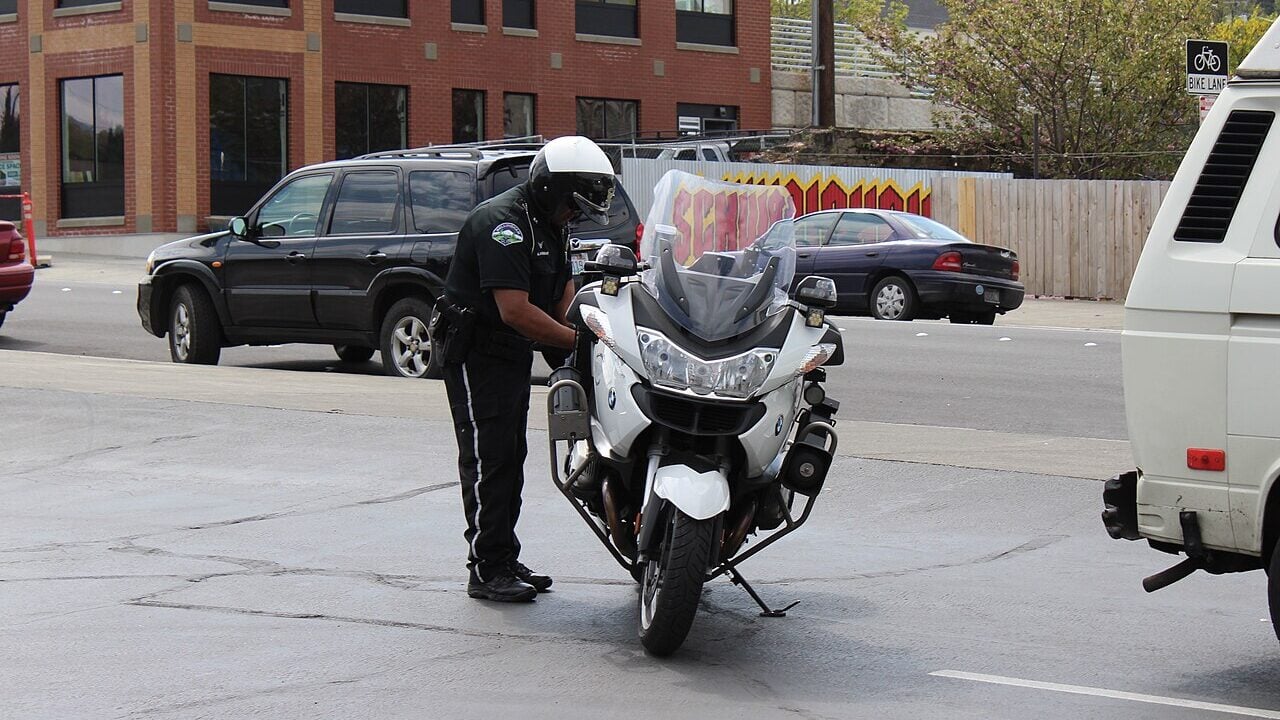
For drivers, the blue envelope could be a small but significant stress reducer. Traffic stops are one of the few unavoidable interactions with law enforcement, and reducing the anxiety involved benefits everyone. Drivers can feel safer, more prepared, and more in control of the situation.
Officers, in turn, get clear signals and can approach stops with a better understanding of what the driver might be experiencing. It is a win-win scenario where communication is improved without changing the law.
While some might laugh at the idea of a color-coded envelope, the reality is that small gestures like this can make a big difference. A simple blue folder could mean the difference between a tense interaction and a smooth, cooperative stop. It is a reminder that empathy and understanding can be built into systems without massive overhauls or legal loopholes.
So, if you live in Washington and find traffic stops nerve-wracking, it might be time to add a blue envelope to your glove box. It is a tiny piece of stationery that could save a lot of anxiety. And let’s face it, anything that makes dealing with the flashing lights a little less terrifying is worth trying. Next time you see those lights in your rearview mirror, reaching for a blue envelope might just be the calm you need.
That said, one would be right to wonder if everyone, whether they actually need it or not, won’t just arm themselves with the special blue envelop just to “force” the police officer to be nicer? Won’t the initiative, as good intentioned as it is, only end up being abused legally, with people claiming they handed the officer the Blue Envelop but they didn’t act as nicely or as calmly as they should? Aren’t there a million ways this could backfire legally at law enforcement?
The Tension Between Empathy and Enforcement
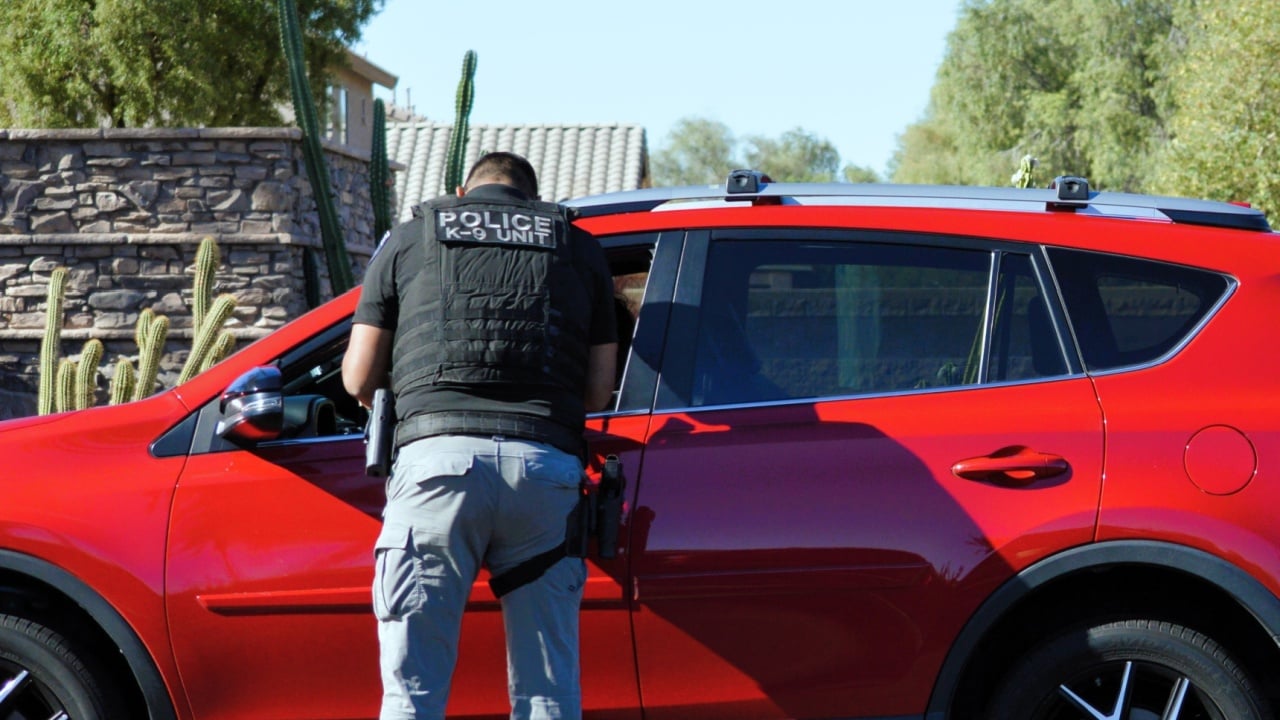
These questions hit on the exact tension point of programs like this: They may be designed as empathy-driven communication aids, but once you introduce them into a legal and enforcement context, questions about misuse and liability inevitably surface.
Many drivers who don’t technically “need” it may still grab one, hoping officers will treat them more gently. That doesn’t necessarily undermine the program, but it dilutes its original intent.
A driver could later argue in court that they handed over the envelope and the officer failed to act appropriately. That creates a “he said, she said” dynamic, which complicates legal proceedings.
Officers must be trained to recognize and respond differently when they see the envelope. But if everyone starts using it, the distinction between genuine need and opportunistic use blurs. America is already dealing with people abusing the disabled parking placard.
So, if an officer doesn’t adjust their behavior enough, or if the driver perceives the interaction as hostile despite the envelope, lawsuits or complaints could follow.
But despite the slippery slope to legal and moral ambiguities, the envelope’s potential for outright abuse is limited by the fact that it is purely a communication tool and doesn’t change laws or shield drivers from penalties.
It’s also worth noting that their program hasn’t collapsed under misuse elsewhere. It’s been seen as helpful, suggesting that while abuse is possible, it hasn’t become widespread enough to derail the initiative.
Ultimately, the blue envelop is essentially a social experiment in embedding empathy into routine enforcement. It’s not foolproof, and yes, it opens new avenues for disputes. But the alternative means continuing with a system where neurodivergent or anxious drivers face disproportionate stress and risk during stops. Policymakers are betting that the benefits outweigh the risks.
The real test will be whether Washington tracks outcomes carefully: complaints filed, officer feedback, and whether the envelopes actually reduce escalation. If they don’t, the program could be quietly shelved. If they do, it might spread nationwide.