
For years, Volkswagen’s biggest electric-car problem was that it needed more people to buy them. In Germany, that problem appears to be disappearing rather quickly now.
Volkswagen is now receiving more orders for battery-electric cars than combustion-powered models in its home market. That’s a major change for a company that has poured billions into electrification while continuing to rely heavily on gasoline and diesel vehicles.
Yet VW isn’t responding by adding shifts at all its factories. At its enormous Wolfsburg factory, the company is doing the opposite and canceling additional production shifts that had been planned for combustion-powered models.
That’s because the EVs attracting customers aren’t necessarily coming from the factories that need the work. According to Automobilwoche, Volkswagen’s changing order book is forcing it to adjust production across Germany.
Wolfsburg Is Feeling The Change
Wolfsburg currently builds combustion-powered models, including the Golf, Tiguan, and Tayron. With demand moving toward EVs, production there is now expected to total around 580,000 vehicles this year rather than surpassing 600,000.
The situation is very different at Volkswagen’s EV factories. At least two additional shifts are reportedly planned in Emden, where the ID.7 is produced, while Zwickau is also benefiting from increased electric-car demand.
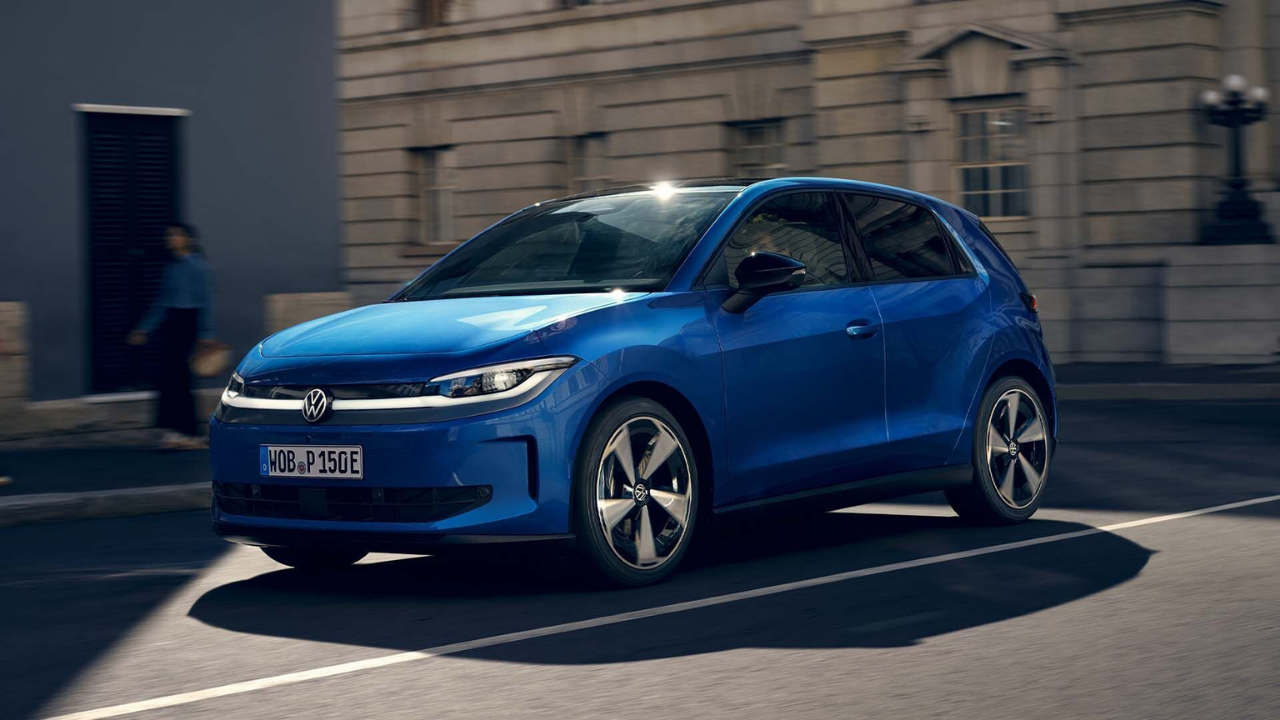
Volkswagen’s new generation of smaller EVs is helping as well. The ID. Polo has emerged as an important part of that strategy, giving VW a smaller and less expensive electric offering than many of its earlier ID models.
More EV Orders Don’t Necessarily Mean More Profit
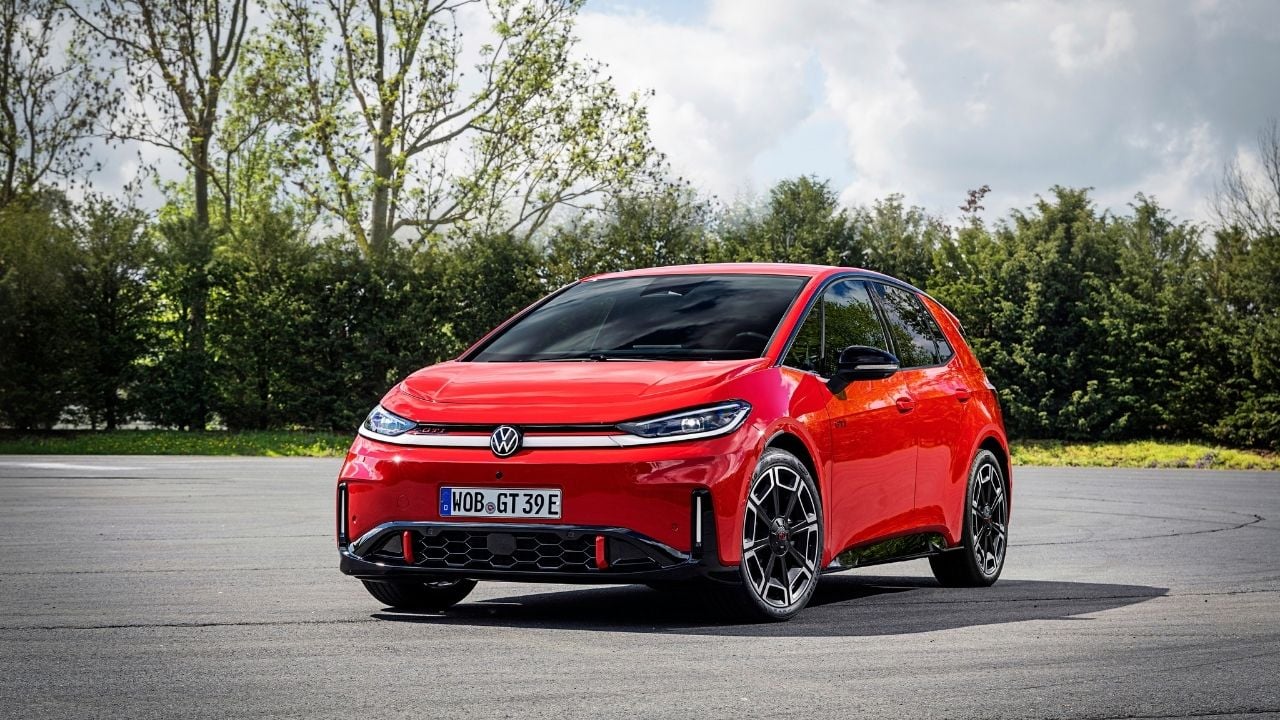
Selling more electric cars sounds like exactly what Volkswagen wanted, but there’s a financial catch. EVs still deliver lower margins than comparable combustion-powered vehicles, meaning a change in the sales mix can put pressure on profitability even as electric demand improves.
That’s particularly uncomfortable given Volkswagen’s ongoing efforts to reduce costs. The company has been restructuring its German operations while confronting excess manufacturing capacity and intense competition.
EV production also changes the manufacturing equation. Electric powertrains contain fewer mechanical components than combustion drivetrains, potentially reducing the amount of labor required to produce each vehicle.
Volkswagen’s Factories Have To Catch Up
Volkswagen’s challenge, then, isn’t simply persuading people to buy EVs anymore. Increasingly, it’s making sure its manufacturing network matches what those customers actually want.
Wolfsburg is a perfect example, as the factory is still heavily dependent on combustion-powered vehicles, while some of Volkswagen’s fastest-growing electric products are manufactured elsewhere.
Electric versions of the Golf and T-Roc are expected to bring EV production to Wolfsburg in the coming years. Until then, VW finds itself in a position where the electric-car orders it spent years chasing are finally arriving, resulting in less work for the factories built around the more profitable combustion cars.